Identifying shapes Building Vocabulary Worksheets for Ages 5-7
10 filtered results
-
From - To
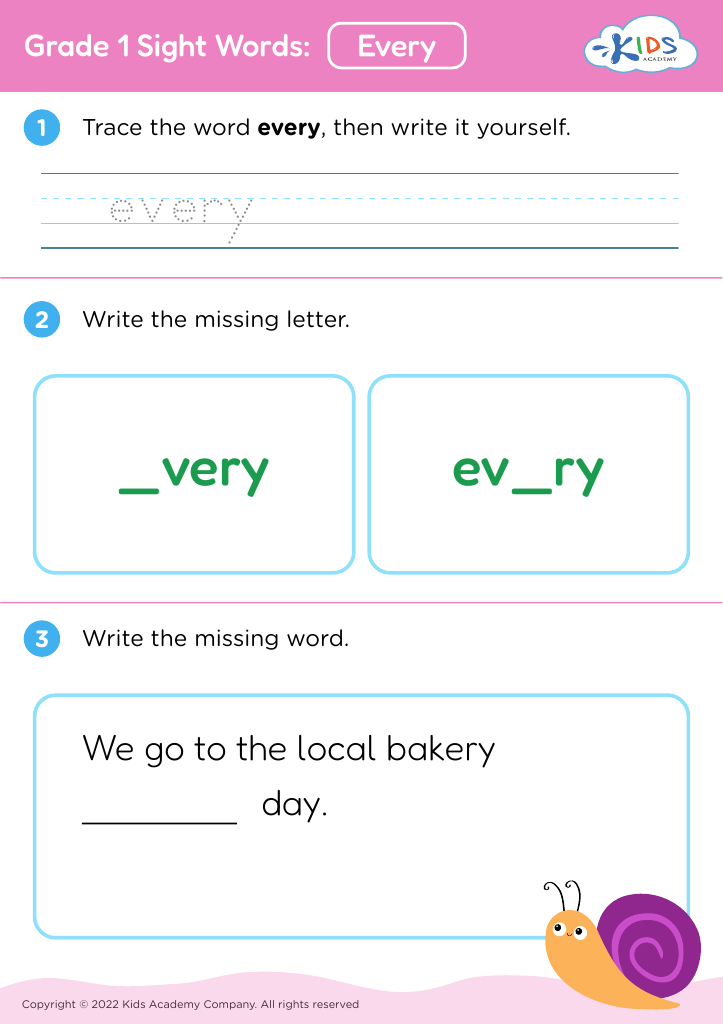
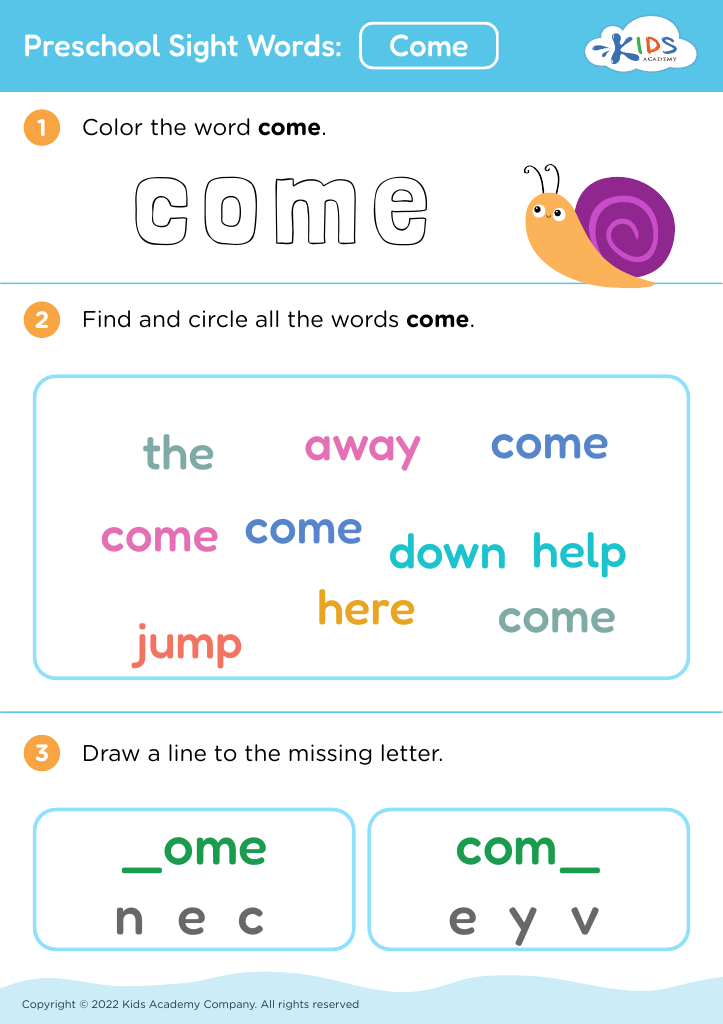
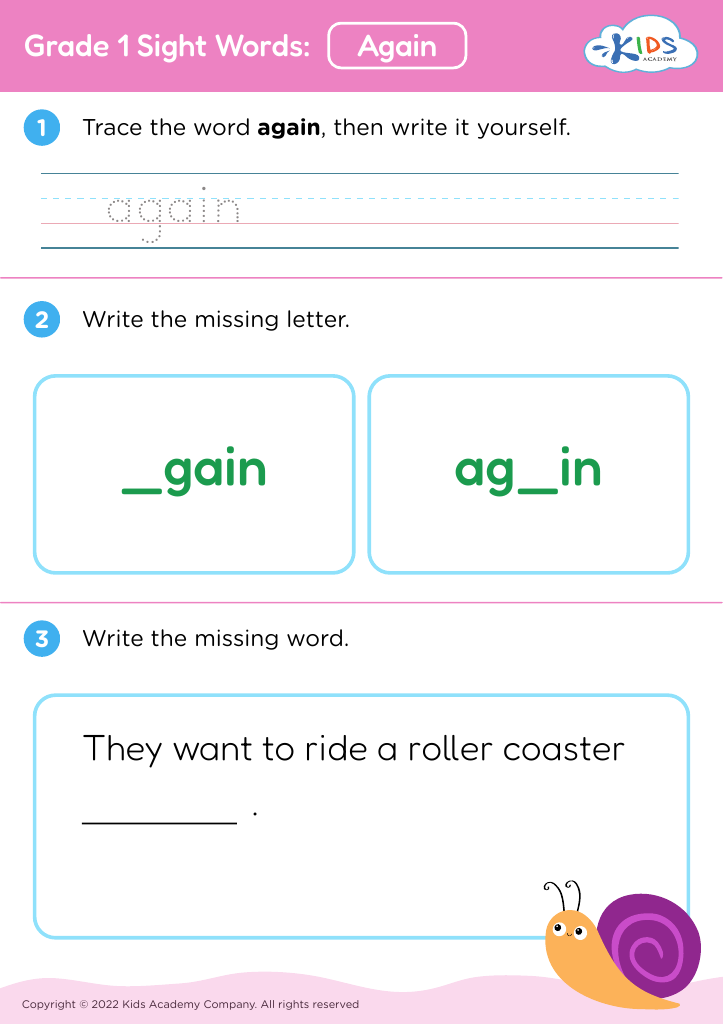
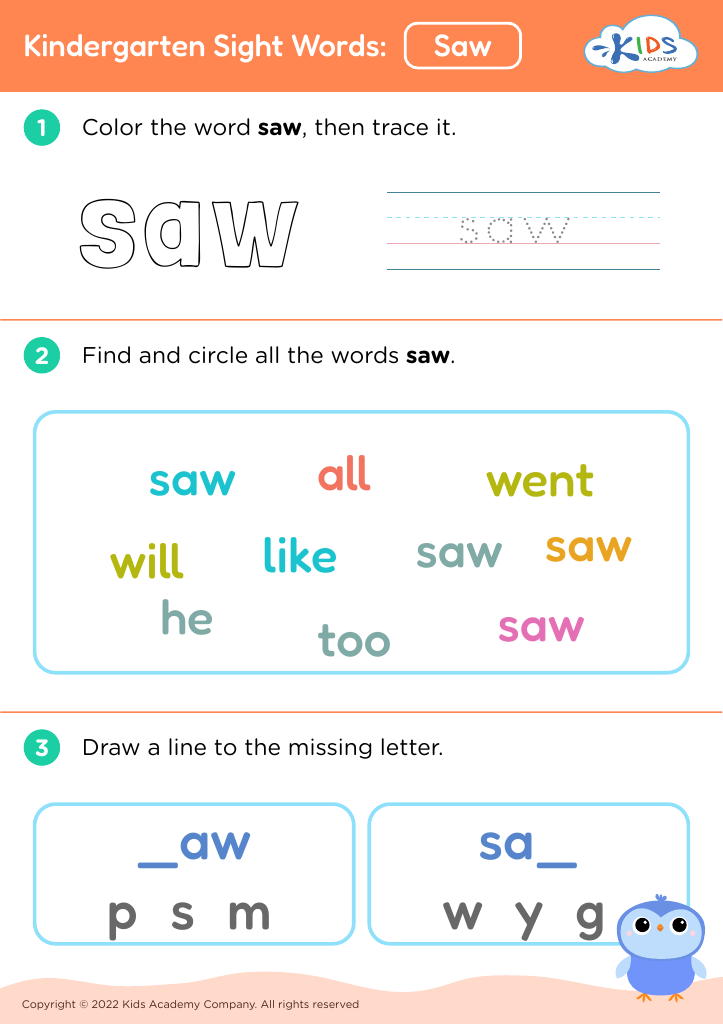
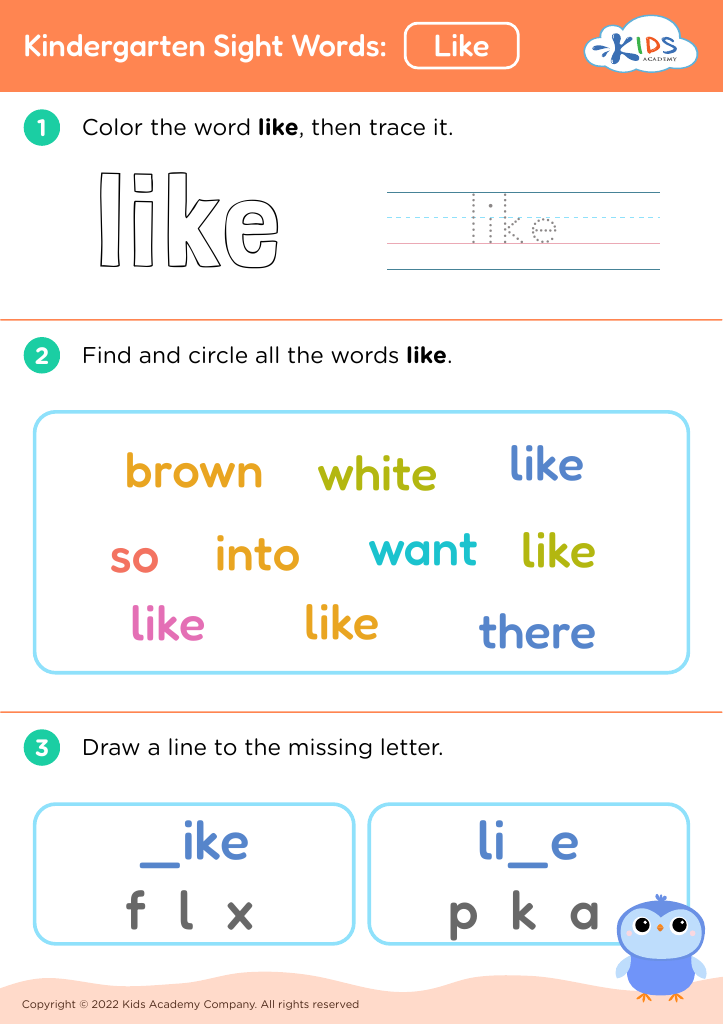
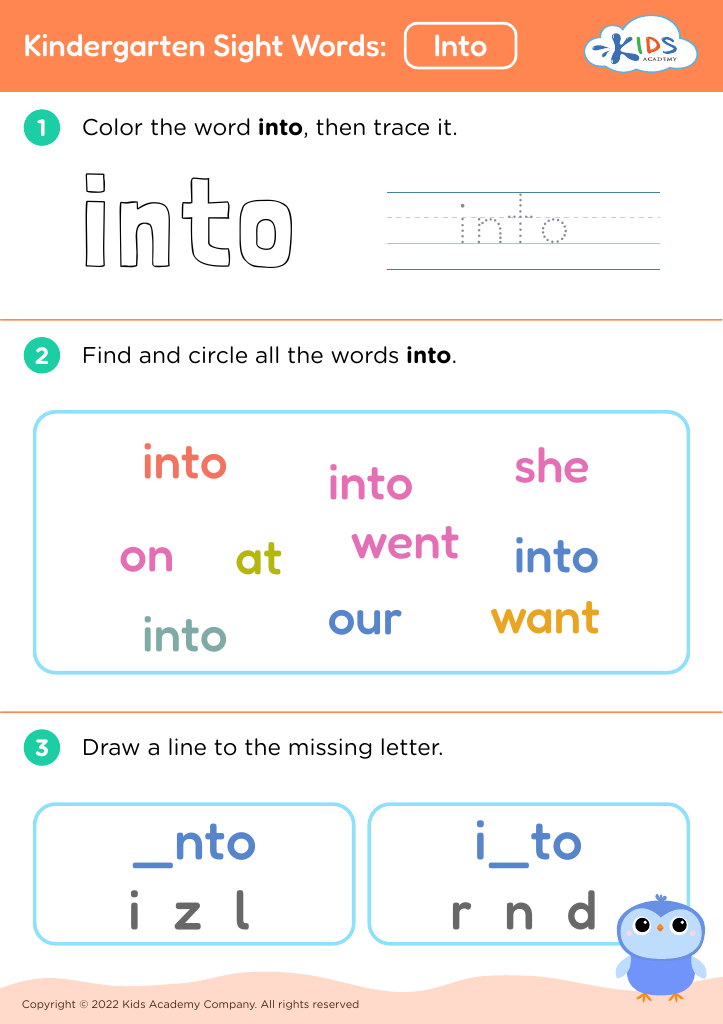
Enhance your child's cognitive skills with our "Identifying Shapes Building Vocabulary Worksheets" designed for ages 5-7. These engaging and colorful worksheets provide a fun way for young learners to explore geometric shapes while expanding their vocabulary. Each worksheet encourages children to recognize, describe, and categorize various shapes, fostering both shape identification and language development. Featuring a mix of interactive activities like matching, coloring, and simple puzzles, these resources are perfect for home or classroom use. Watch your child's confidence soar as they master foundational concepts and strengthen their vocabulary in an enjoyable, hands-on way. Start the learning adventure today!
















.jpg)


Identifying shapes and building vocabulary are foundational skills for children aged 5-7 that have lasting implications for their cognitive and academic development. Engaging in shape identification enhances children's spatial awareness and critical thinking abilities. By recognizing and naming shapes, children better understand the world around them, laying the groundwork for more complex mathematical concepts later on, such as geometry.
Building vocabulary during these formative years is equally essential. A rich vocabulary not only boosts reading comprehension but also fosters effective communication skills, enabling children to express their thoughts clearly and confidently. When educators and parents focus on enriching children’s vocabulary alongside shape identification, they create opportunities for integrated learning experiences. For example, describing shapes using adjectives (like "round" or "sharp") connects mathematical concepts with language skills, enriching learning.
Moreover, these skills promote problem-solving abilities as children learn to classify, compare, and break concepts down into smaller parts. For teachers and parents alike, nurturing these skills cultivates a love for learning and encourages children to become self-directed learners, ultimately setting the stage for success in all academic areas and beyond. Investing time in these activities fosters holistic development and prepares children for future educational pursuits.








