Recognizing shapes Building Vocabulary Worksheets for Ages 5-7
9 filtered results
-
From - To
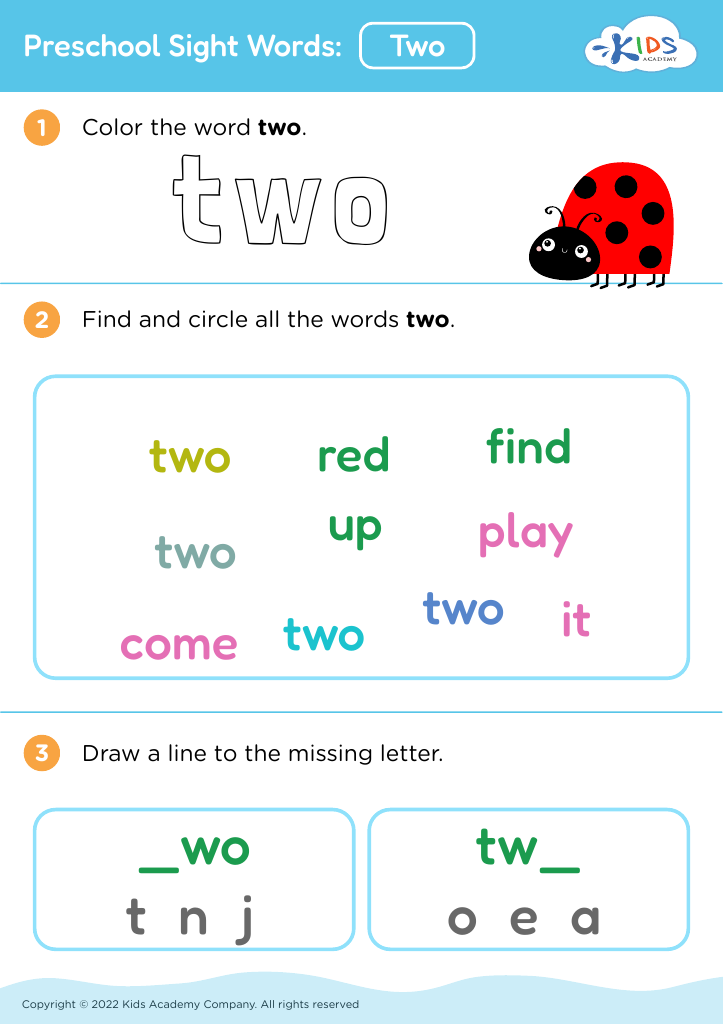
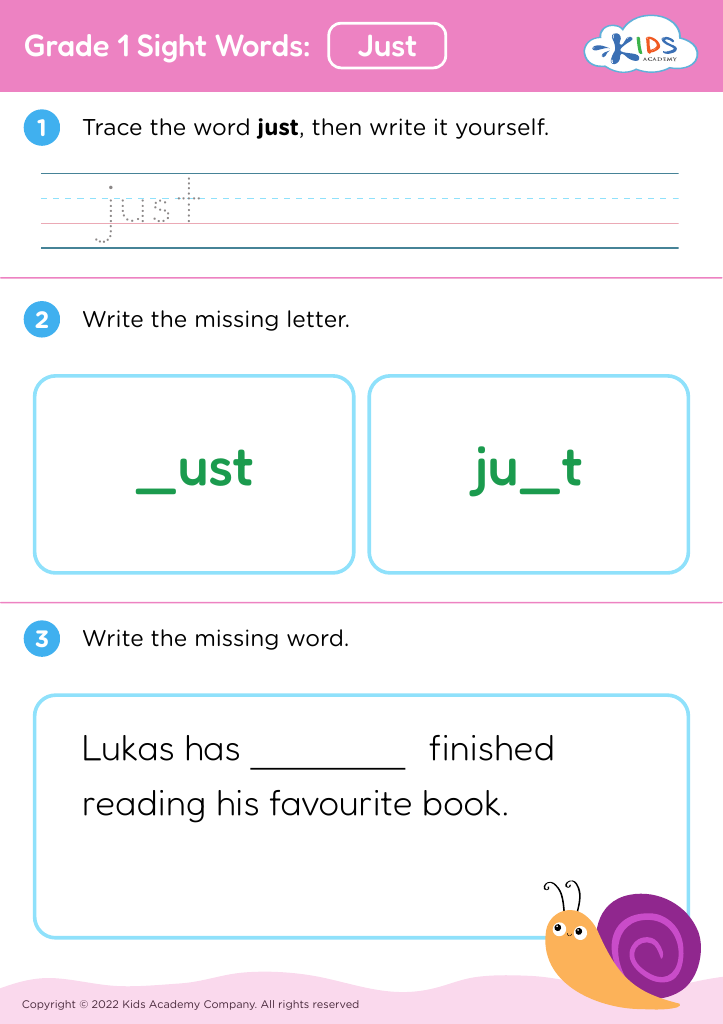
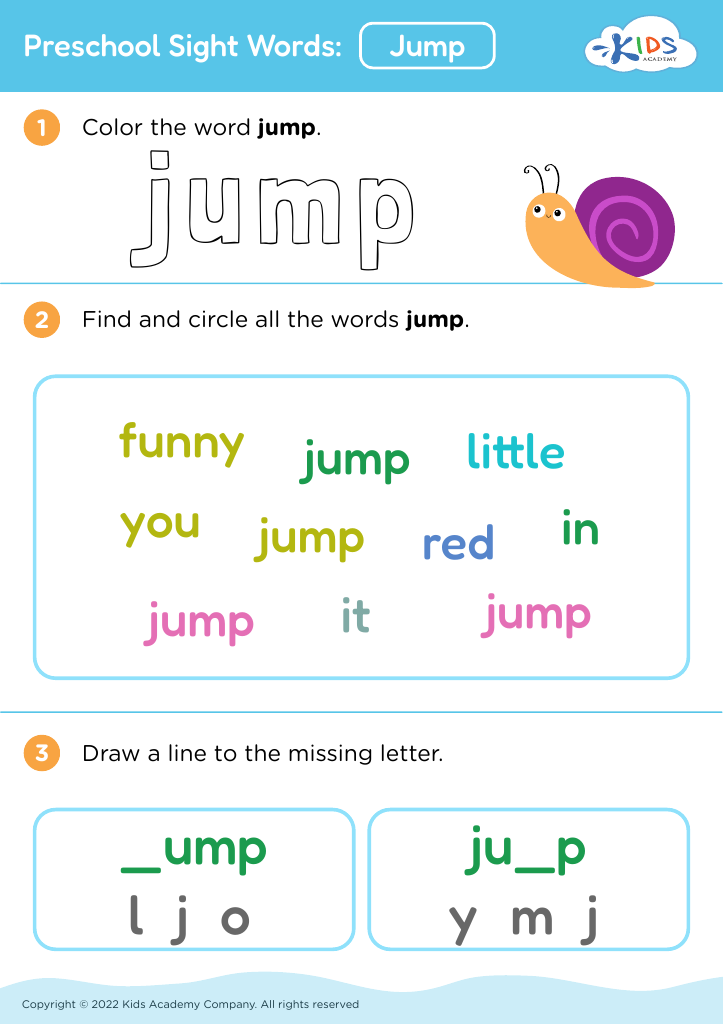
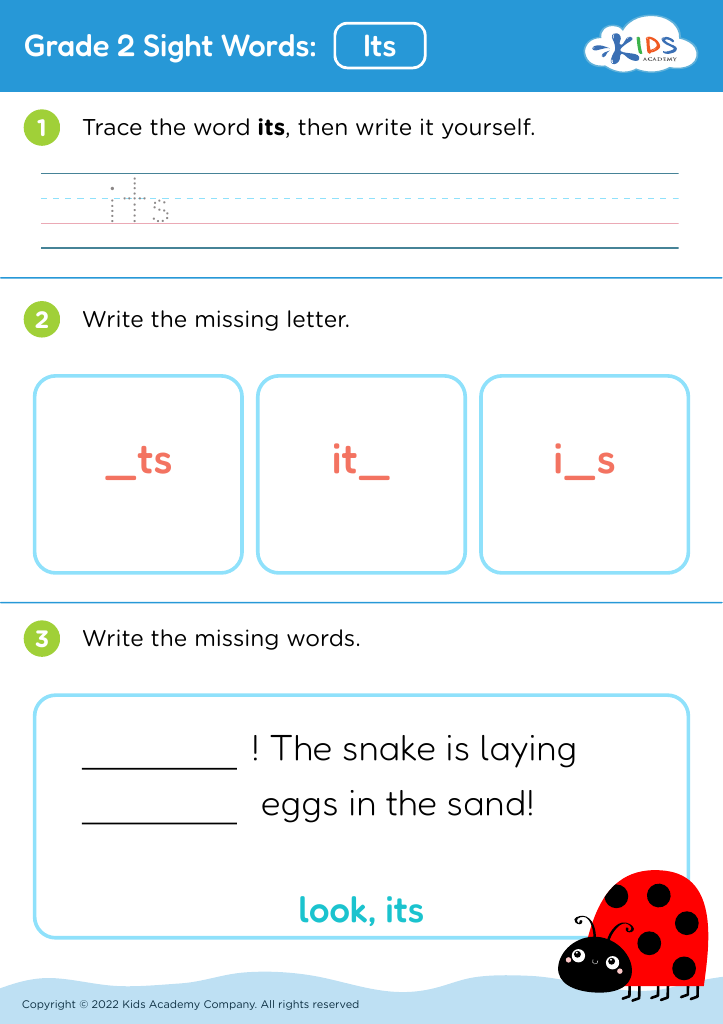
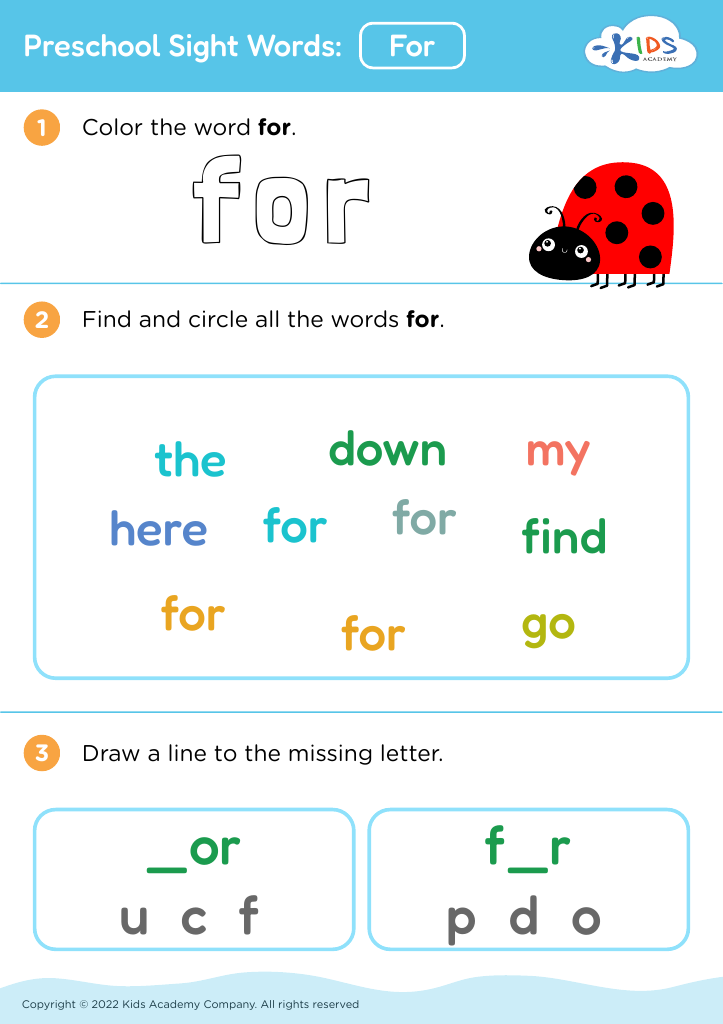
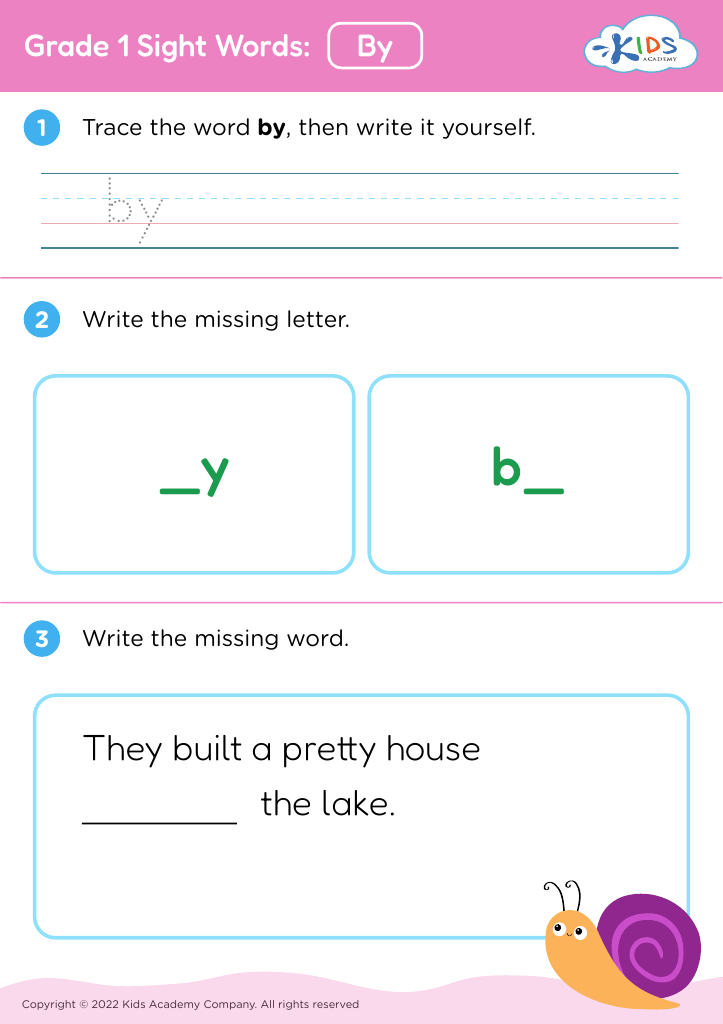
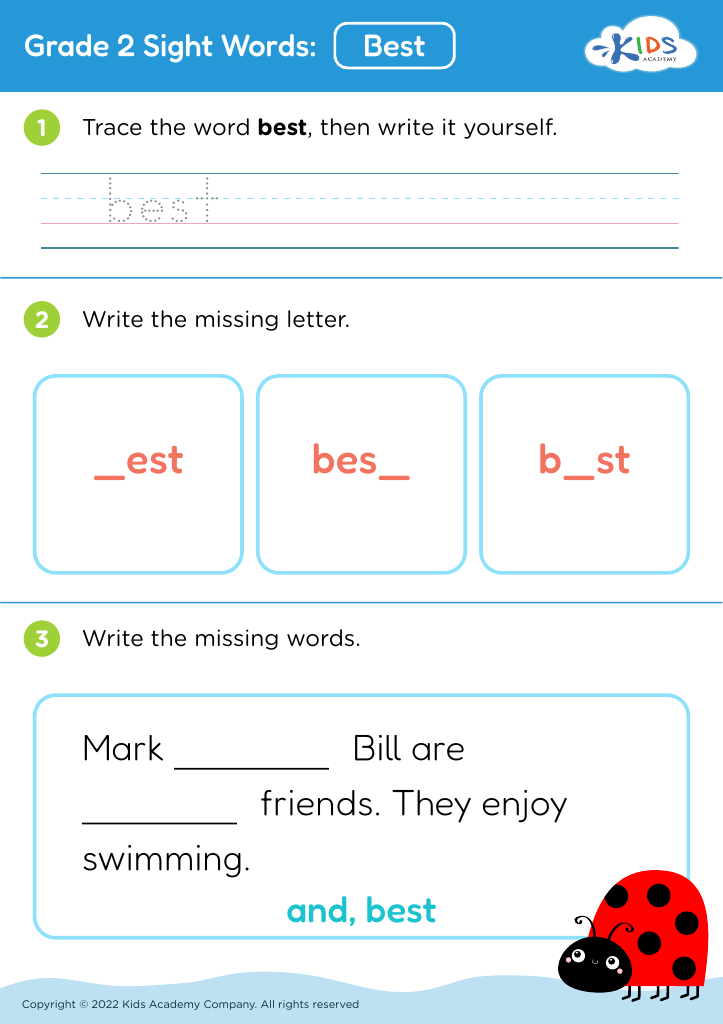
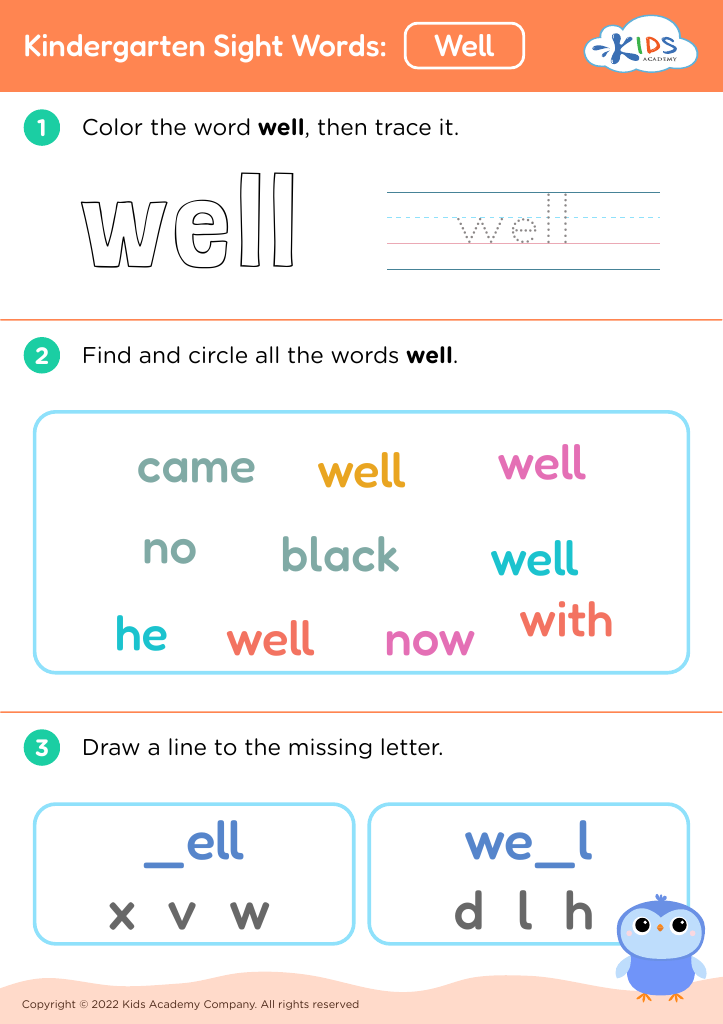
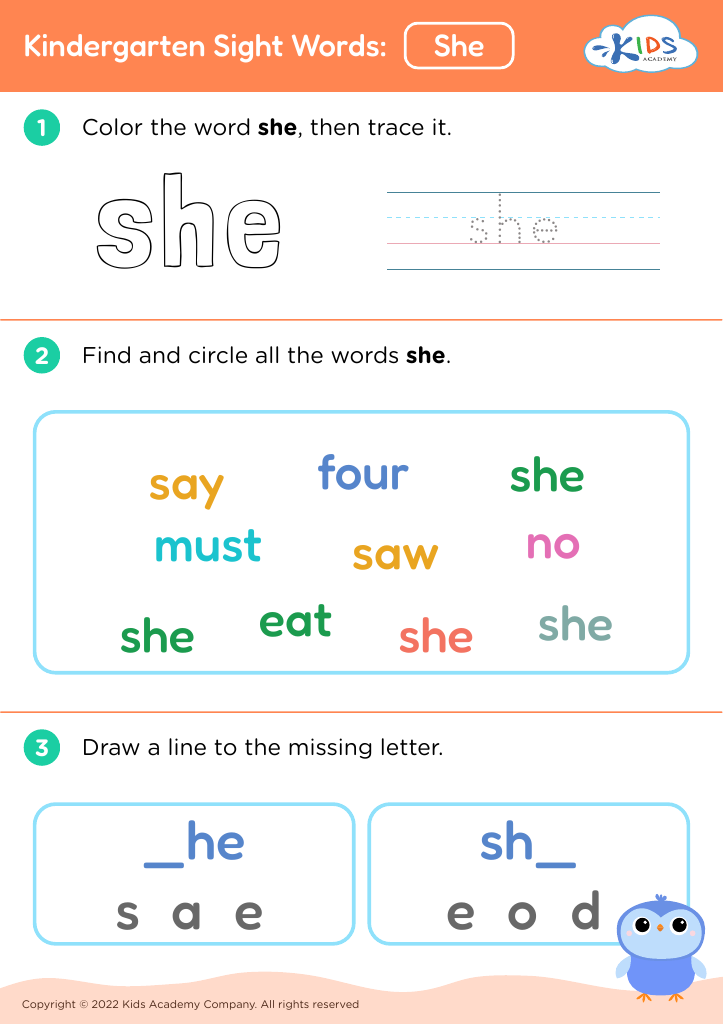
Discover our engaging "Recognizing Shapes Building Vocabulary Worksheets" designed for children ages 5-7! These worksheets help young learners develop crucial vocabulary skills while exploring geometric shapes. Each activity encourages kids to identify, draw, and describe various shapes, reinforcing their understanding through fun and interactive exercises. Ideal for classroom use or at-home learning, our resources promote cognitive development and help children connect everyday objects with their geometric counterparts. With clear instructions and vibrant illustrations, these worksheets make learning shapes enjoyable and effective. Perfect for teaching your little ones about shapes while building their vocabulary in a creative way!














.jpg)




Recognizing shapes and building vocabulary are foundational skills vital for the cognitive and linguistic development of children aged 5-7. At this age, children are quick learners, absorbing information through play, exploration, and structured learning. Recognizing shapes enhances their spatial awareness, critical for problem-solving and mathematical reasoning. Understanding shapes also supports children in comprehending more complex geometric concepts later in their education.
Building vocabulary, on the other hand, is equally crucial as it directly impacts literacy and communication skills. A rich vocabulary empowers children to express their thoughts and feelings effectively, encourages their engagement during conversations, and lays the groundwork for reading comprehension. Moreover, many children between ages 5-7 are beginning to learn how to read; hence, a solid vocabulary is paramount for them to decode and understand texts.
Together, recognizing shapes and building vocabulary stimulate children's curiosity and boost their confidence in learning. Engaging in these activities promotes cognitive growth and encourages social interaction among peers, fostering collaboration and communication skills. As such, both parents and teachers should prioritize these essential components, paving the path for holistic development in early education.








