
Understanding patterns Building Vocabulary Worksheets for Ages 5-7
8 filtered results
Difficulty Level
Grade
Age
-
From - To
Subject
Activity
Standards
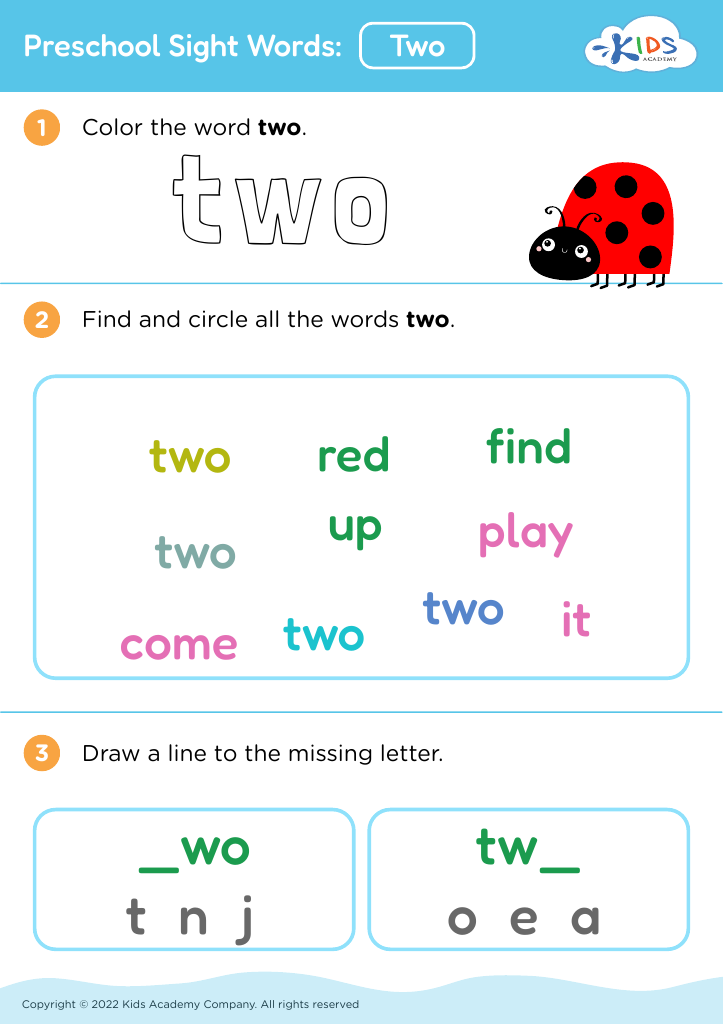
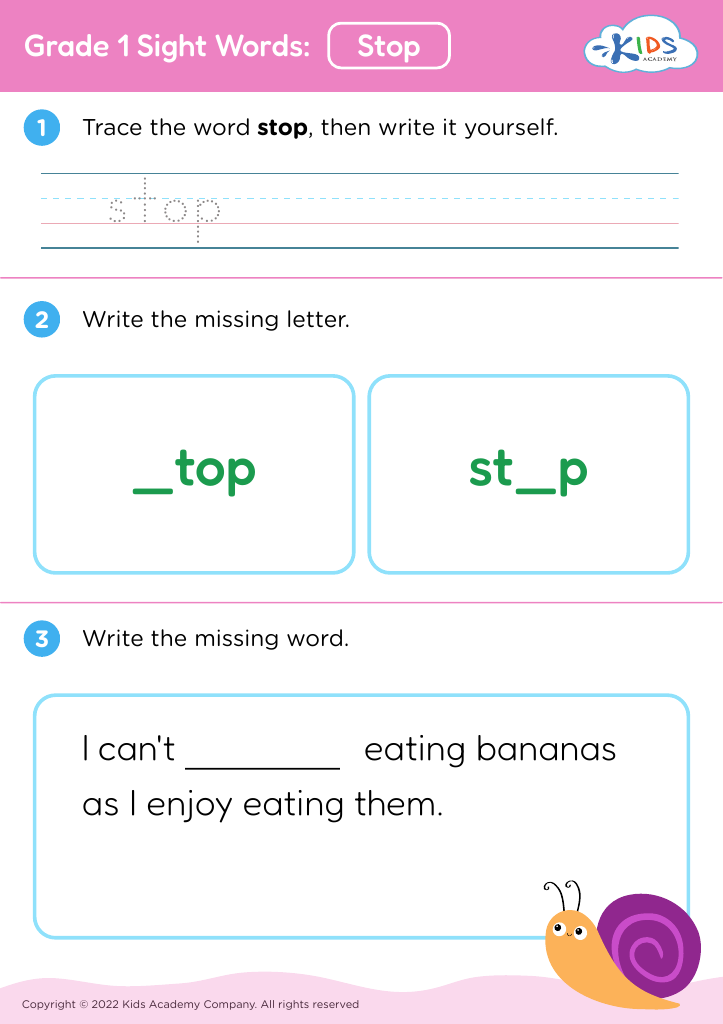
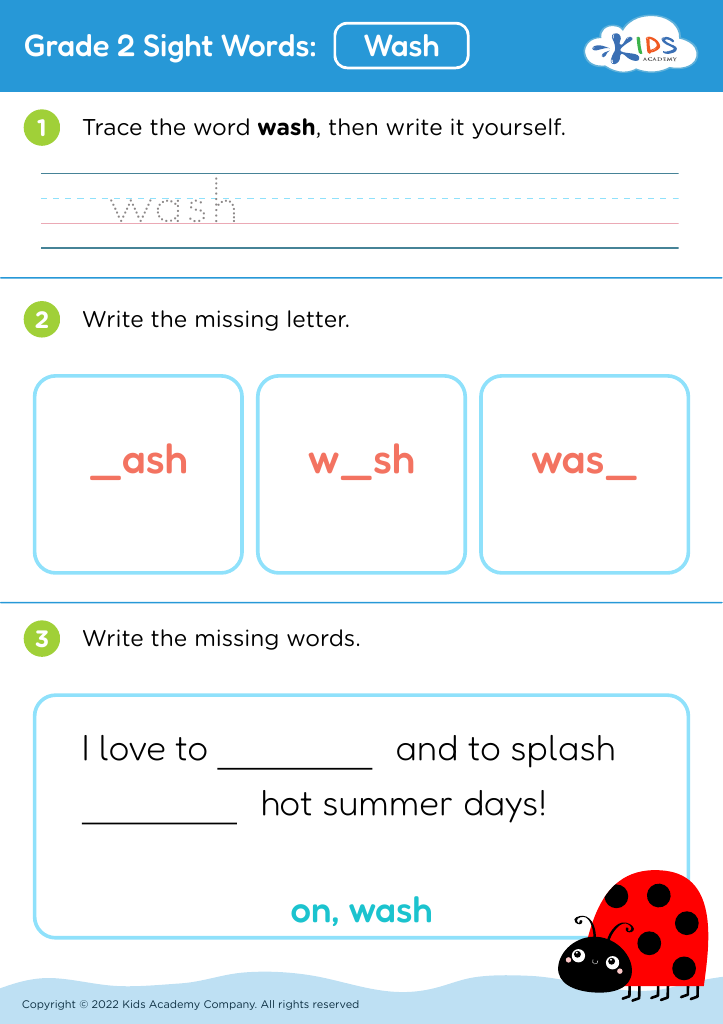
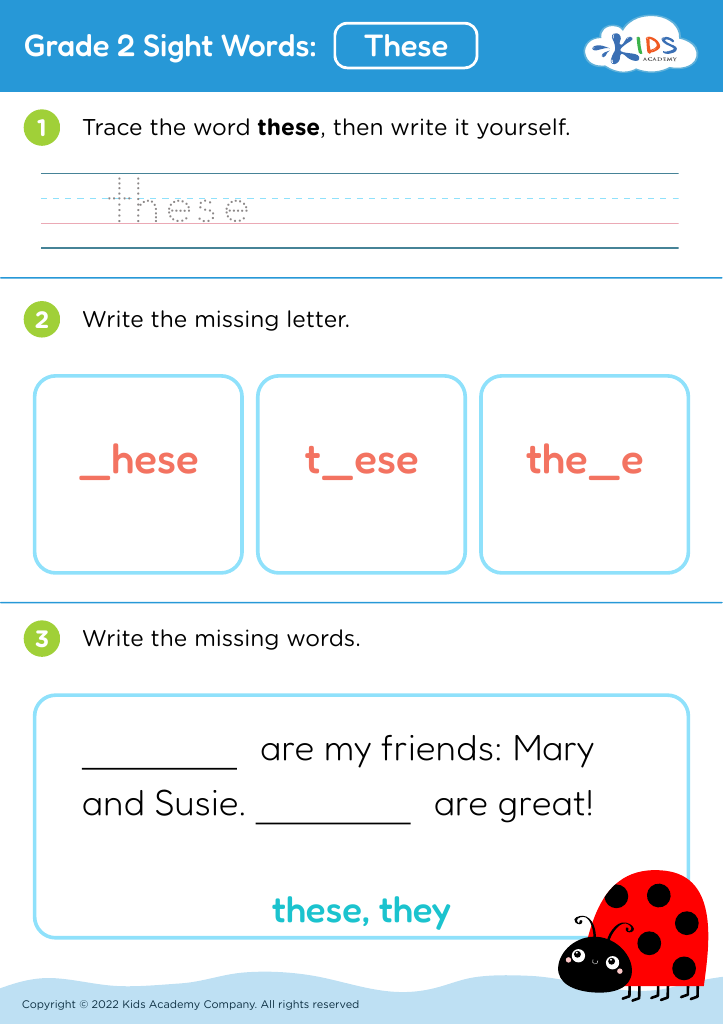
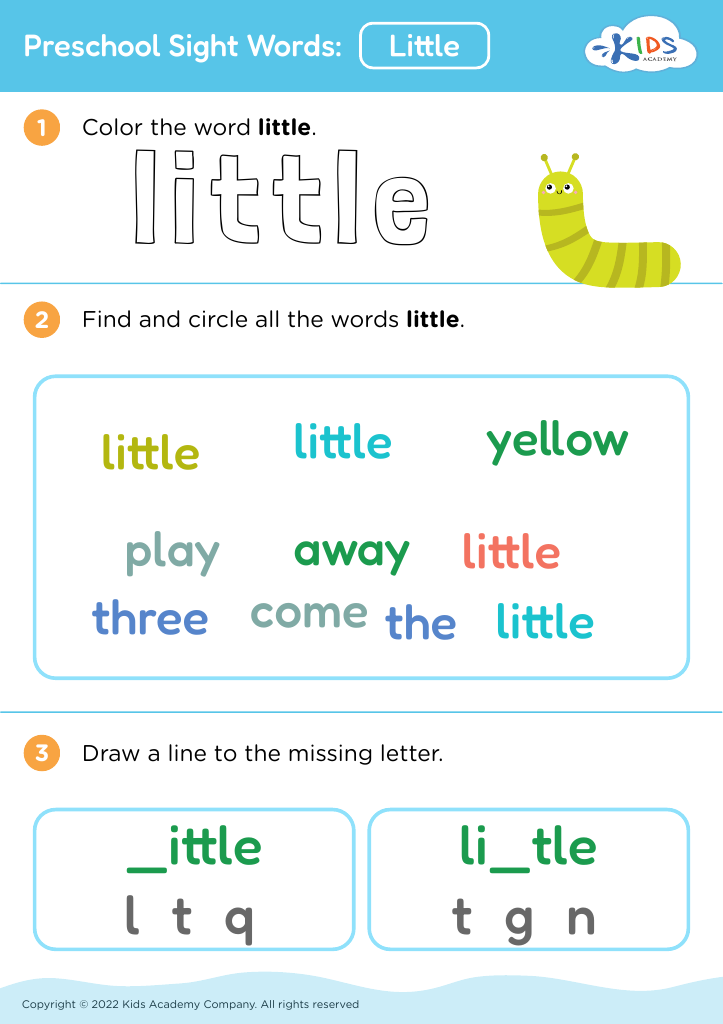
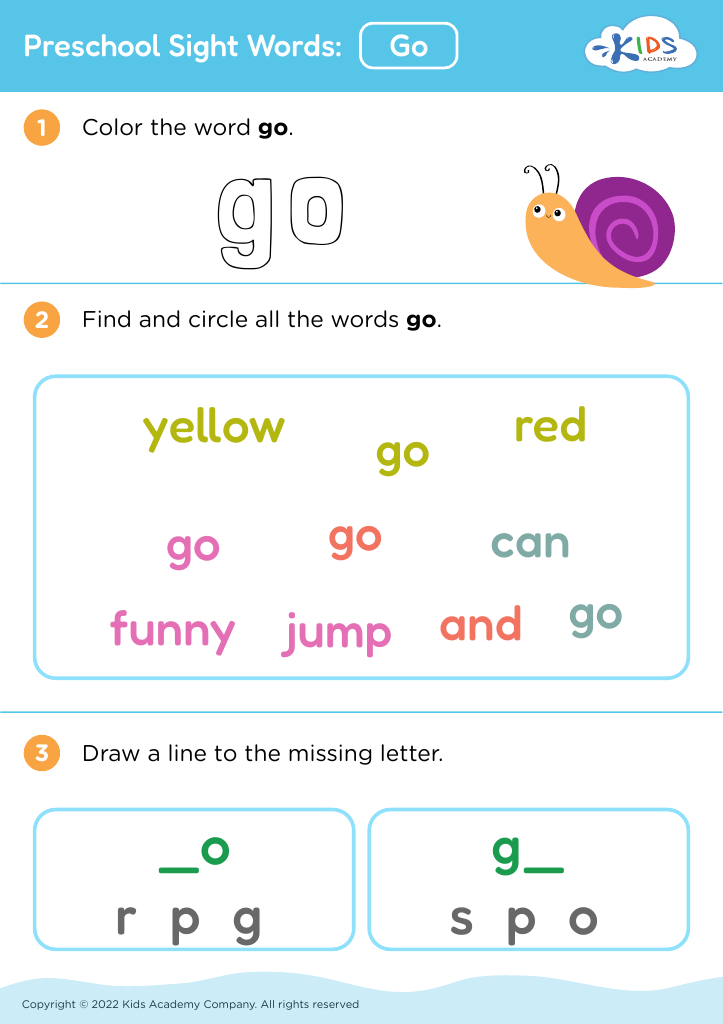
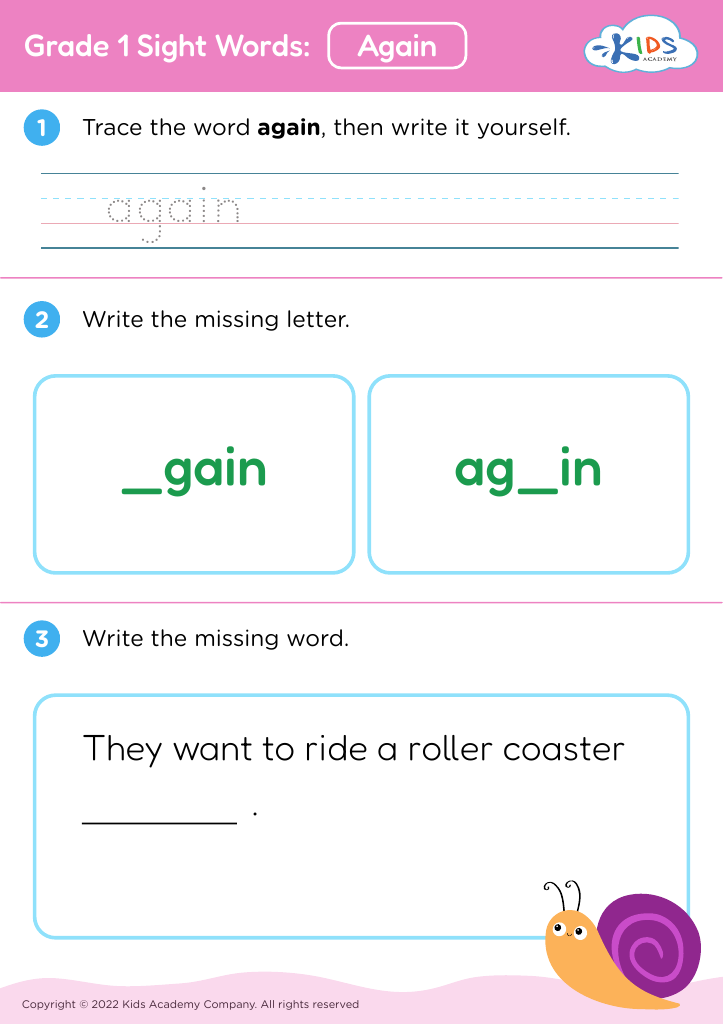
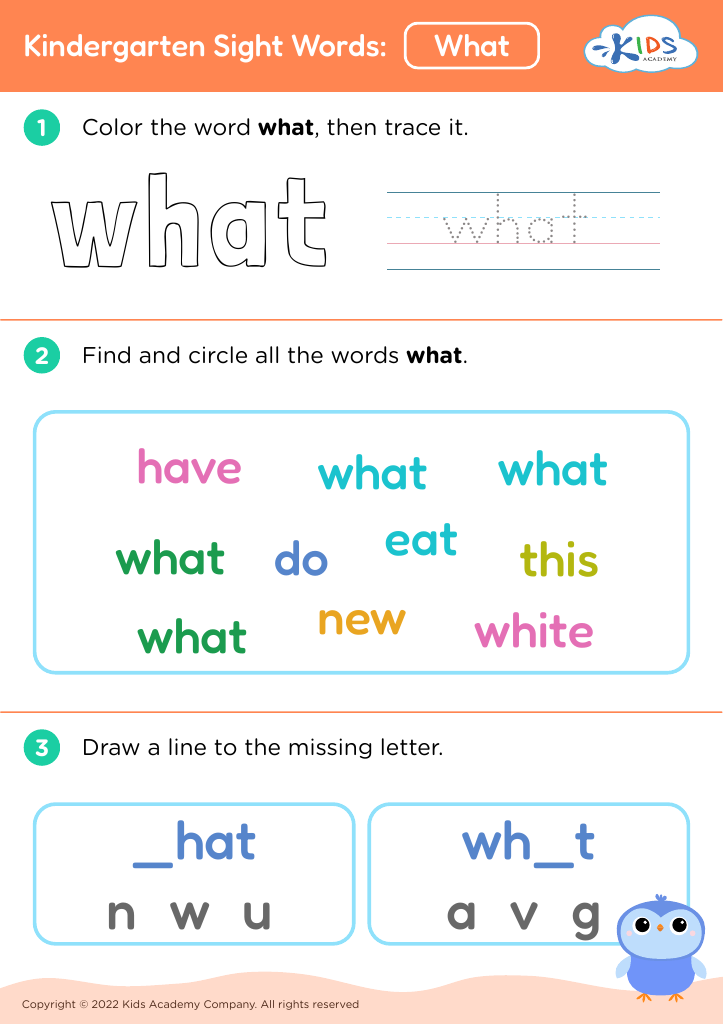
Unlock the fun of learning with our "Understanding Patterns Building Vocabulary Worksheets for Ages 5-7." Specifically designed to enhance your child's reading skills, our printables effortlessly blend education with enjoyment. These worksheets delve into pattern recognition, helping children discern word sequences, which is crucial for vocabulary development. Perfect for inquisitive minds aged 5 to 7, each activity nurtures linguistic confidence and creativity. Tailored to fit various learning styles, these engaging exercises serve as a foundation for budding readers to expand their word knowledge and comprehension. Join us on this educational journey to make vocabulary building exciting and effective.
Favorites
With answer key
Interactive











Join Kids Academy for Free
Who is primarily going to use this learning content?






.jpg)

Understanding patterns and building vocabulary are two of the most crucial skills for children ages 5-7. At this age, kids are in the developmental stage where they begin to comprehend more about the world around them, and these skills are foundational for their future academic success.
Patterns help children understand mathematical concepts and relationships. By recognizing and predicting patterns, young learners develop critical thinking and problem-solving skills. Whether it's in numbers, shapes, or daily routines, grasping patterns enhances their ability to understand complex ideas later on, like multiplication or reading comprehension. It's not just about math; recognizing patterns extends to science, writing, and even social behavior, fostering a well-rounded intellect.
Building vocabulary is equally vital. A strong vocabulary is the bedrock of communication skills. When children know more words, they can express themselves more clearly and understand others better. This improves their reading and writing abilities, making academic learning more accessible and enjoyable. A robust vocabulary also aids in emotional intelligence, allowing children to articulate their feelings and navigate social interactions effectively.
Therefore, parents and teachers should prioritize these areas to provide a strong educational foundation, preparing children for future challenges and opportunities in learning and social settings. A focus on patterns and vocabulary equips young learners with essential tools for lifelong success.








