Drawing skills Reading Worksheets for Ages 5-7
3 filtered results
-
From - To
Enhance your child's literacy journey with our "Drawing Skills Reading Worksheets" designed specifically for ages 5-7. These engaging worksheets creatively combine art and reading, helping young learners develop vital drawing skills while improving their comprehension and vocabulary. Filled with fun, age-appropriate activities, each worksheet encourages children to express their ideas visually, promoting both creativity and critical thinking. Perfect for classroom or home use, these resources are designed to make learning enjoyable and interactive. Empower your child's learning experience today by exploring our vibrant collection of worksheets that foster imagination and literacy in young minds!
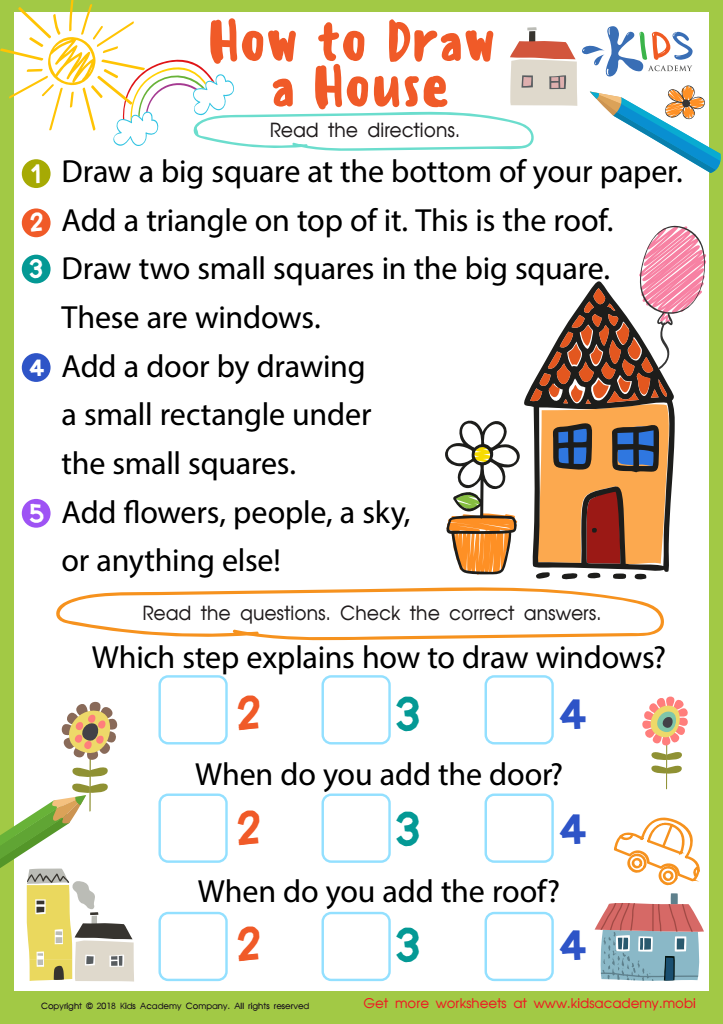
How to Draw House Worksheet
 Assign to My Students
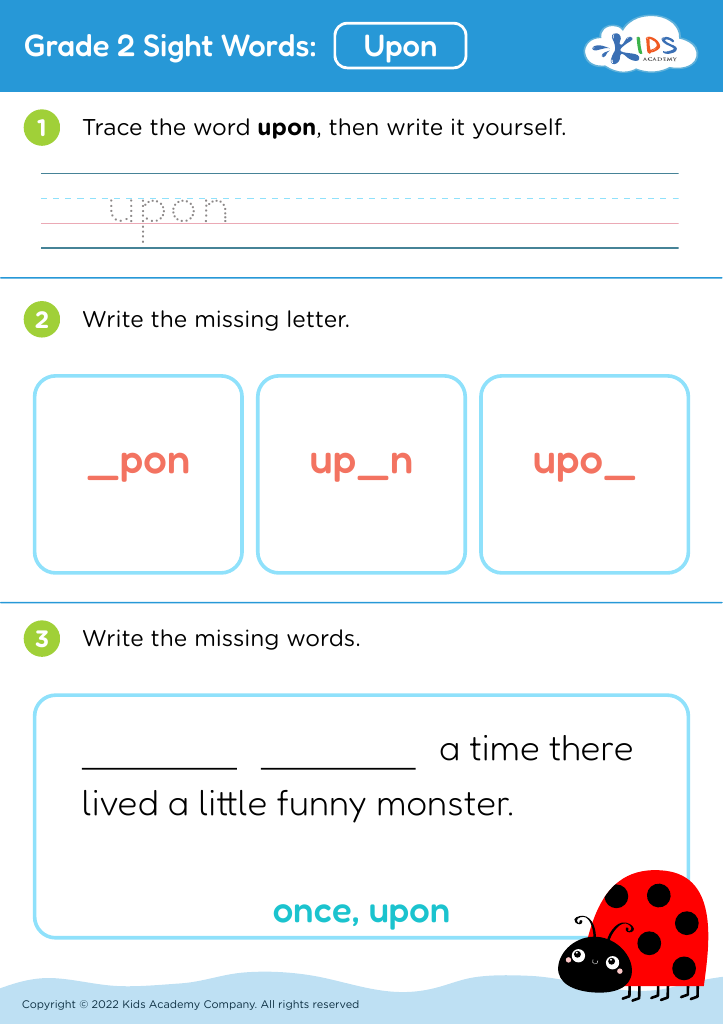
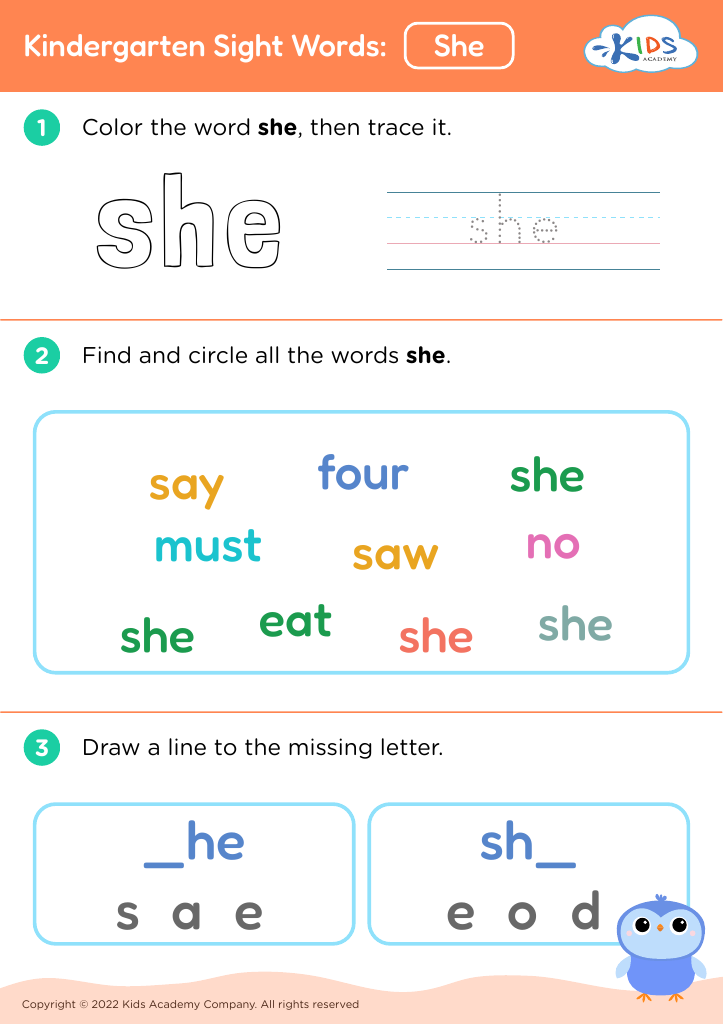


.jpg)





Drawing skills and reading are closely linked, especially for children aged 5 to 7. At this developmental stage, children are not only learning to read but are also beginning to express their thoughts and feelings through drawing. Supporting drawing skills in young learners benefits language acquisition and literacy development. When children draw, they use symbols to convey meaning, fostering their ability to comprehend and create narratives; this process stimulates imagination, enhances vocabulary, and sets a strong foundation for writing.
Moreover, drawing helps improve fine motor skills, which are crucial for holding a pencil and writing. Increased dexterity allows children to focus better on letter formation and spelling, directly impacting their reading fluency and comprehension.
For parents and teachers, encouraging drawing alongside reading ensures a holistic approach to learning. Incorporating art into literacy activities—like illustrating a story—makes reading more engaging and memorable. It builds confidence and a love for both drawing and reading as interconnected skills. The act of drawing allows children to visualize stories, making texts come alive and fostering deeper understanding. Ultimately, supporting these dual skills helps cultivate well-rounded, creative, and literate individuals, laying a strong foundation for their future educational journey.








