Critical thinking development Reading Fiction Worksheets for Ages 5-7
4 filtered results
-
From - To
Enhance your child’s critical thinking skills with our engaging Reading Fiction Worksheets designed for ages 5-7! These printable resources encourage young readers to analyze stories, support comprehension, and foster creative thinking. Through interactive activities, your child will learn to ask questions, make predictions, and draw connections between different narratives. These worksheets not only promote literacy but also develop essential problem-solving abilities that lay the foundation for lifelong learning. Perfect for at-home learning or classroom enrichment, our critical thinking activities empower kids to delve deeper into their favorite stories while cultivating a thoughtful approach to reading. Unlock your child's potential today!
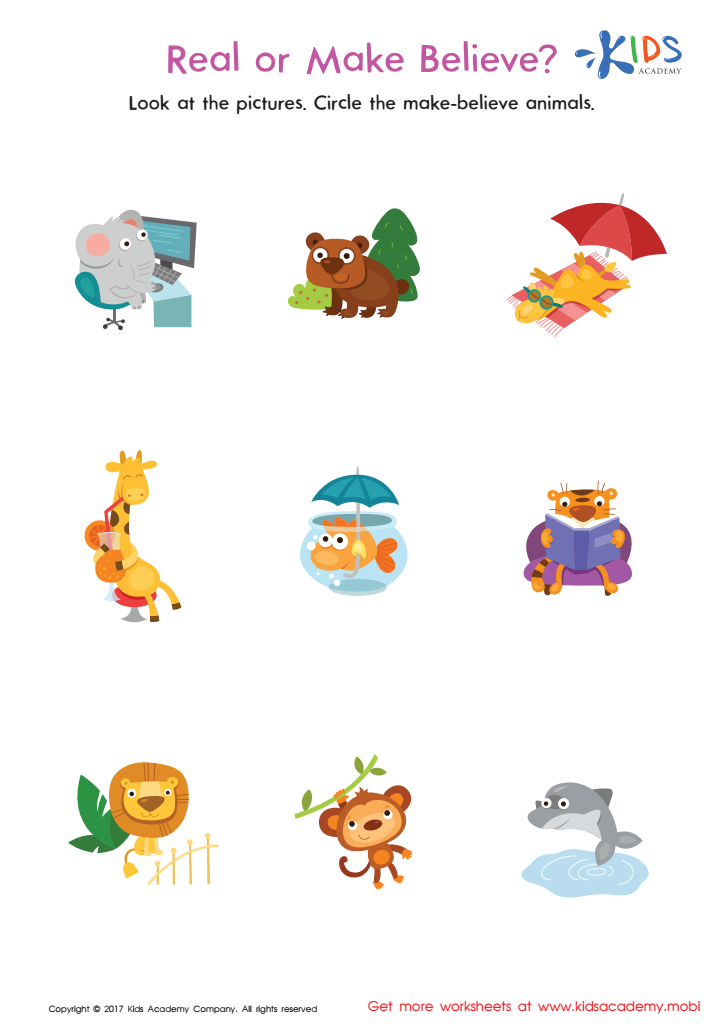
Fact or Make Believe Worksheet
 Assign to My Students
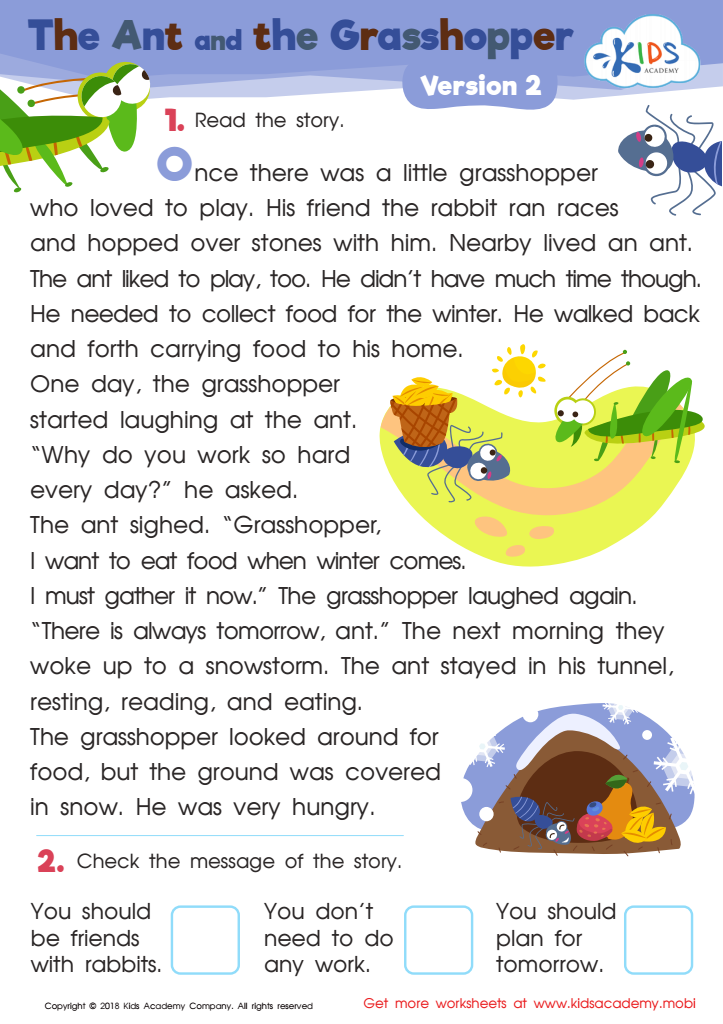
The Ant and The Grasshopper Version 2 Worksheet
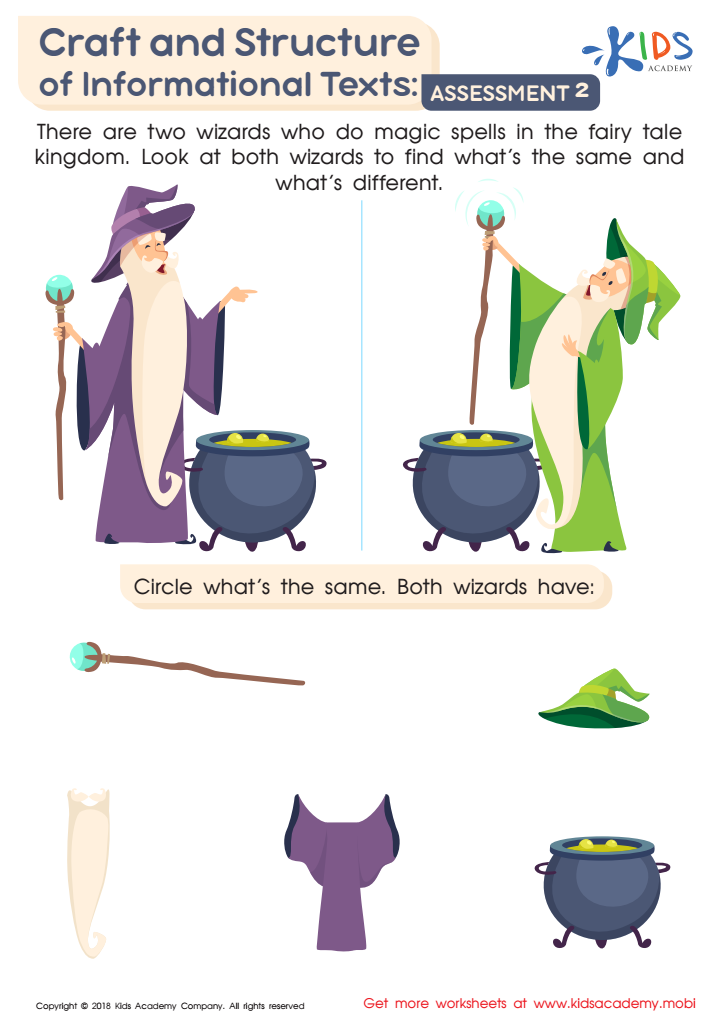
Craft and Structure of Informational Texts: Assessment 2 Worksheet
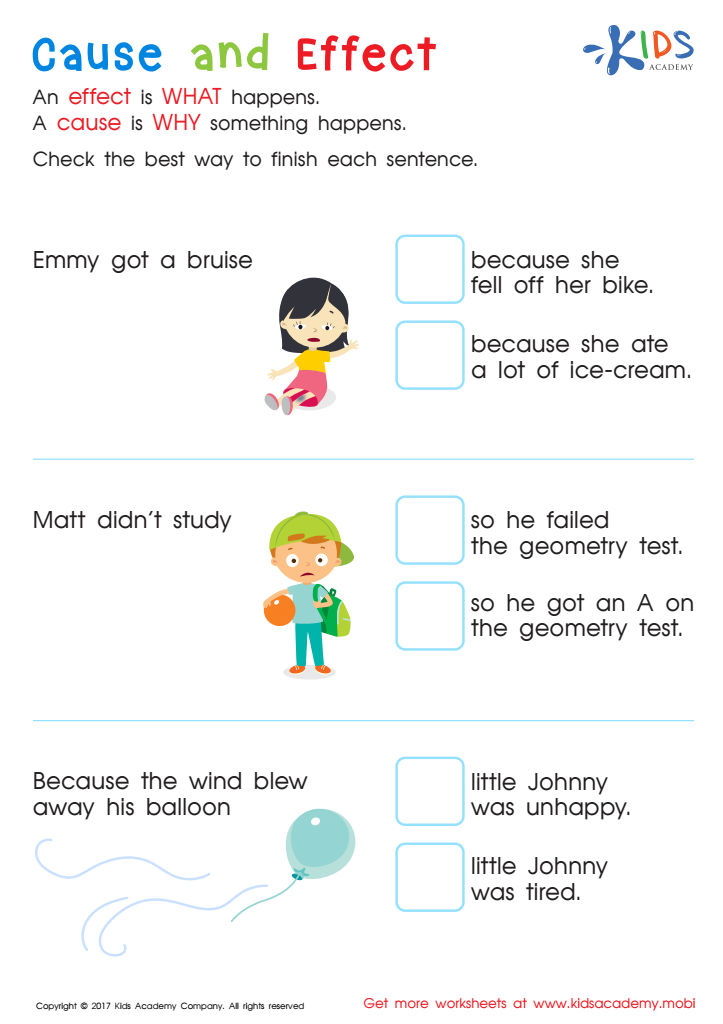
Cause and Effect Worksheet







Critical thinking development is crucial for children, especially during the formative ages of 5-7, as it lays the foundation for lifelong learning. Reading fiction plays a significant role in enhancing this skill. When children engage with stories, they learn to analyze characters’ motivations, predict outcomes, and connect plots to real-life situations. This kind of engagement encourages them to think independently and pose questions, fostering curiosity and creativity.
For parents and teachers, nurturing critical thinking through fiction can enhance language skills and comprehension. Discussing stories leads to conversations about choices, morals, and consequences, promoting deeper understanding and analytical skills. Children begin to articulate their thoughts and engage in reasoned debate, crucial for developing cognitive abilities.
Furthermore, exposure to diverse narratives broadens children’s perspectives, teaching empathy and cultural awareness. This helps them understand the complexity of human experiences and ideas, preparing them for social interactions beyond the classroom.
Investing time in reading fiction with young learners not only enriches their imagination but also equips them with the analytical tools needed to navigate challenges in an increasingly complex world. Thus, encouraging critical thinking through storytelling is essential for the holistic development of young minds.








