Shape Recognition Reading Fiction Worksheets for Ages 5-7
3 filtered results
-
From - To
Discover our engaging Shape Recognition Reading Fiction Worksheets designed specifically for children ages 5-7! These worksheets combine early reading skills with fun shape recognition activities, making learning enjoyable and interactive. Young learners will explore exciting stories featuring colorful shapes, enhancing their vocabulary and comprehension while refining their visual recognition abilities. Each worksheet is crafted to build foundational literacy skills through captivating narratives, ensuring that reading becomes a delightful experience. Ideal for both classroom settings and home learning, our Shape Recognition Worksheets help children develop critical thinking skills while encouraging a love for reading. Start your child's educational journey today!
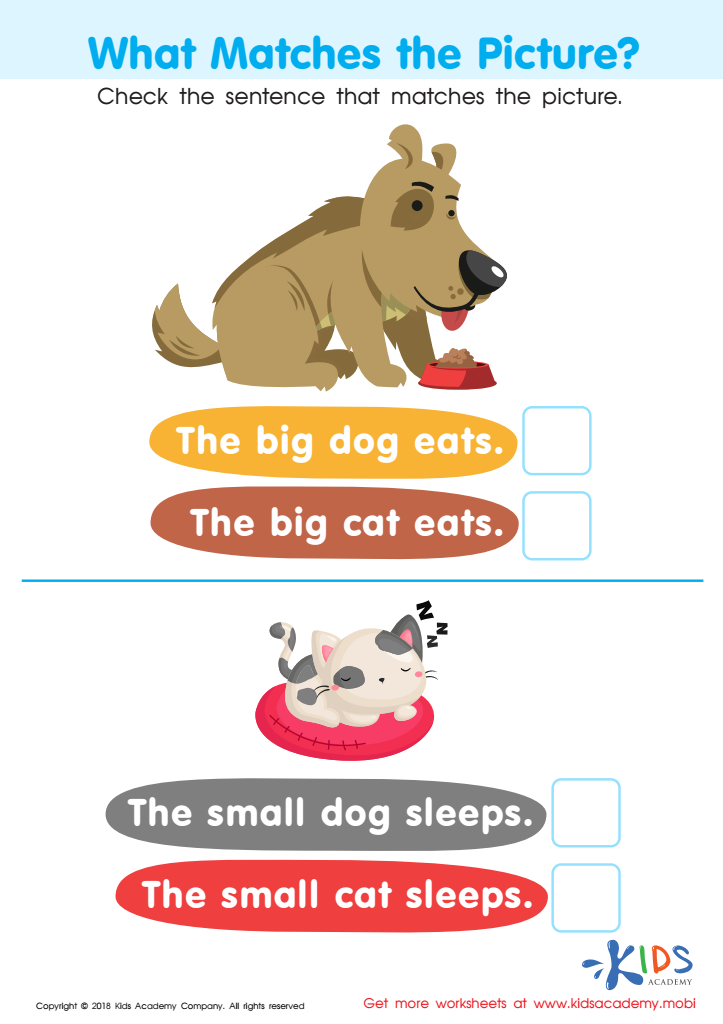
What Matches the Picture? Worksheet
 Assign to My Students
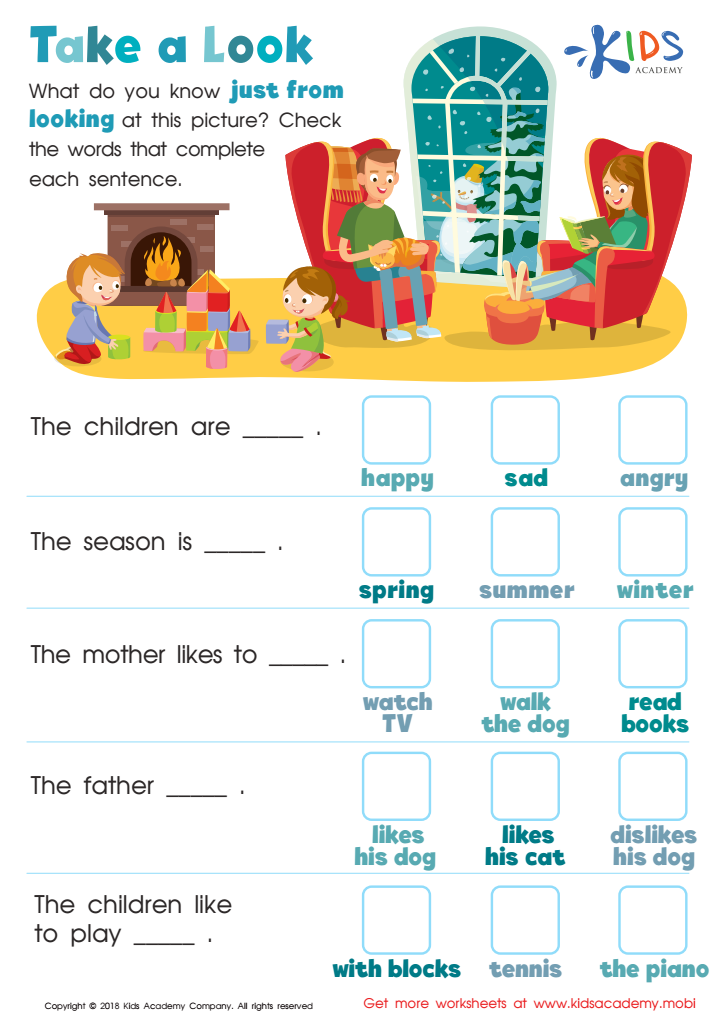
Take a Look - Part 1 Worksheet
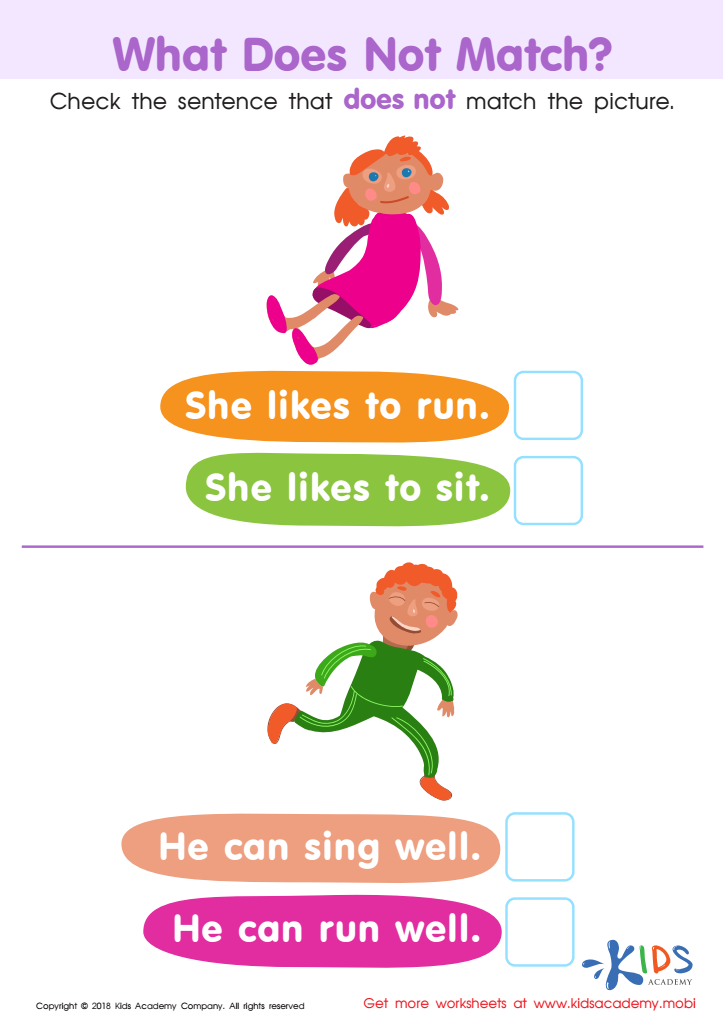
What Does Not Match? Worksheet







.jpg)
Shape recognition is a fundamental skill in early childhood education, particularly for children aged 5-7. It is essential for several reasons, making it crucial for both parents and teachers to engage with this concept.
Firstly, shape recognition lays the groundwork for more complex mathematical concepts. Understanding shapes enables children to differentiate between objects, develop spatial awareness, and build problem-solving skills.
Secondly, shape recognition enhances literacy development. Many letters and numbers share geometric properties with shapes. Recognizing shapes helps children with letter formation and understanding the relationship between symbols and sounds, fostering skills in reading and writing.
Furthermore, engaging with shapes in fiction through stories encourages imagination and creativity. Books that incorporate shapes can provide contexts for children to visualize and interact with the material, promoting comprehension and retention.
Finally, this skill supports cognitive development as children learn to categorize and make connections between different objects in their environment. Given the multitudes of benefits that arise from shape recognition, parents and teachers should actively integrate it into their educational practices, ensuring a solid foundation for children's academic growth and boosting their confidence in learning.








