Basic Math Skills Sight Words Worksheets for Ages 5-7
15 filtered results
-
From - To
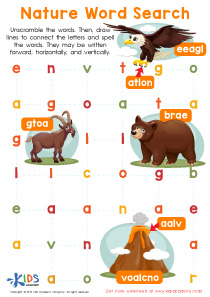
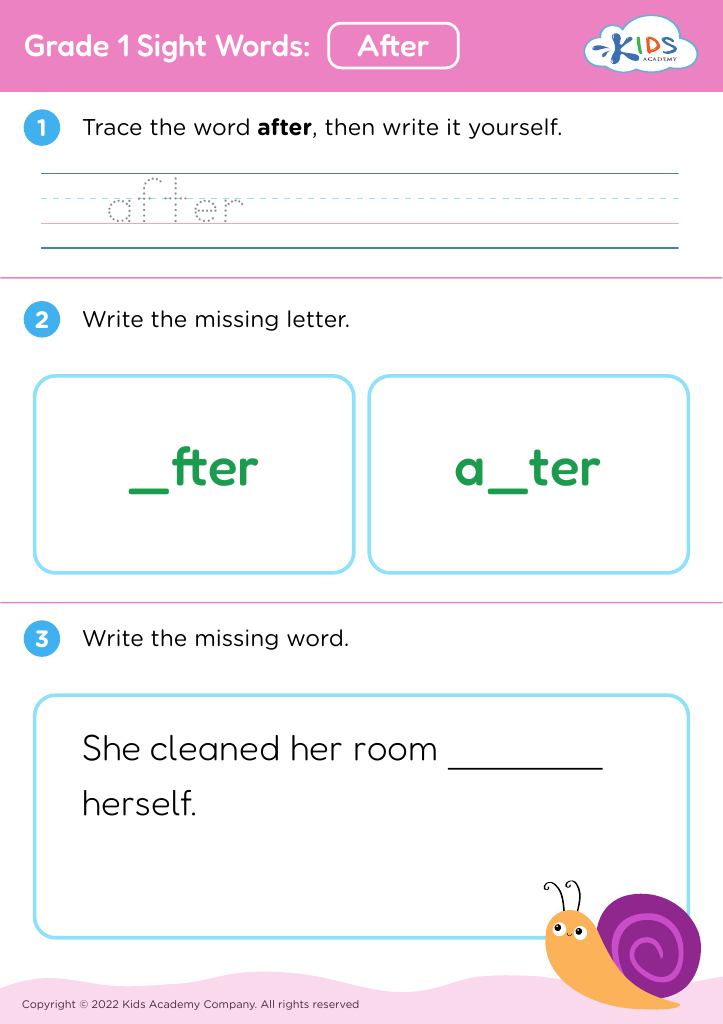
Enhance your child's learning with our Basic Math Skills Sight Words Worksheets, designed specifically for ages 5-7. These engaging worksheets combine essential math concepts with sight word recognition, fostering both numerical understanding and vocabulary development. Children will enjoy fun activities that include counting, simple addition and subtraction, and identifying math-related sight words. Our worksheets are visually appealing and easy to navigate, providing a perfect introduction to foundational math skills while reinforcing reading comprehension. Spark your child's enthusiasm for learning and help them build a strong academic foundation with our creative, educational resources. Ideal for homeschoolers or classroom use!





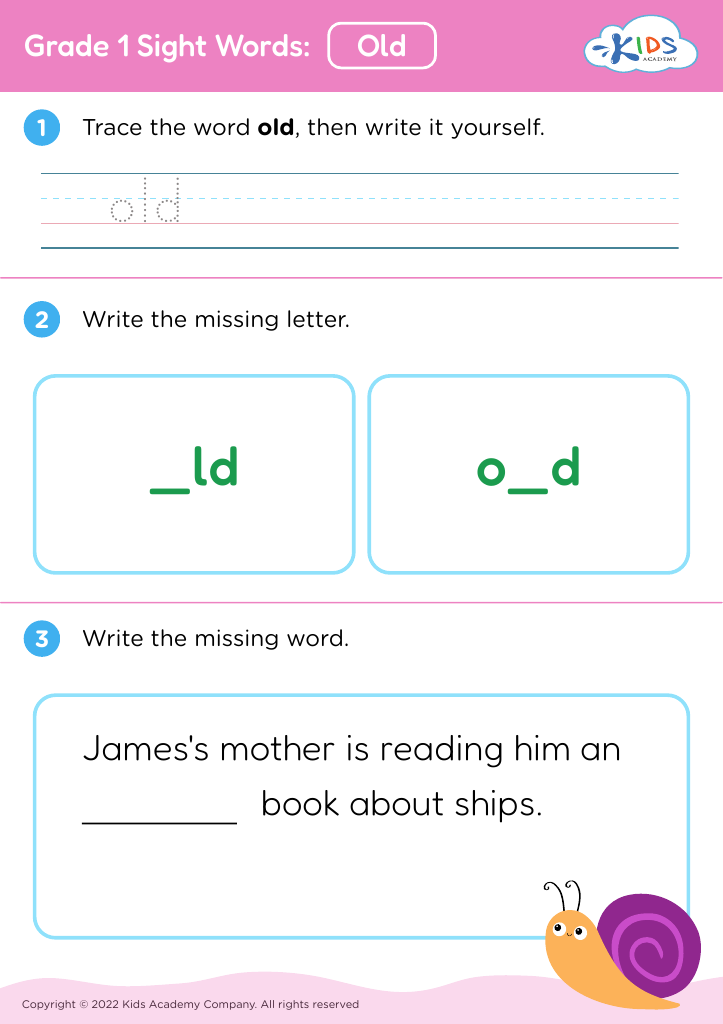
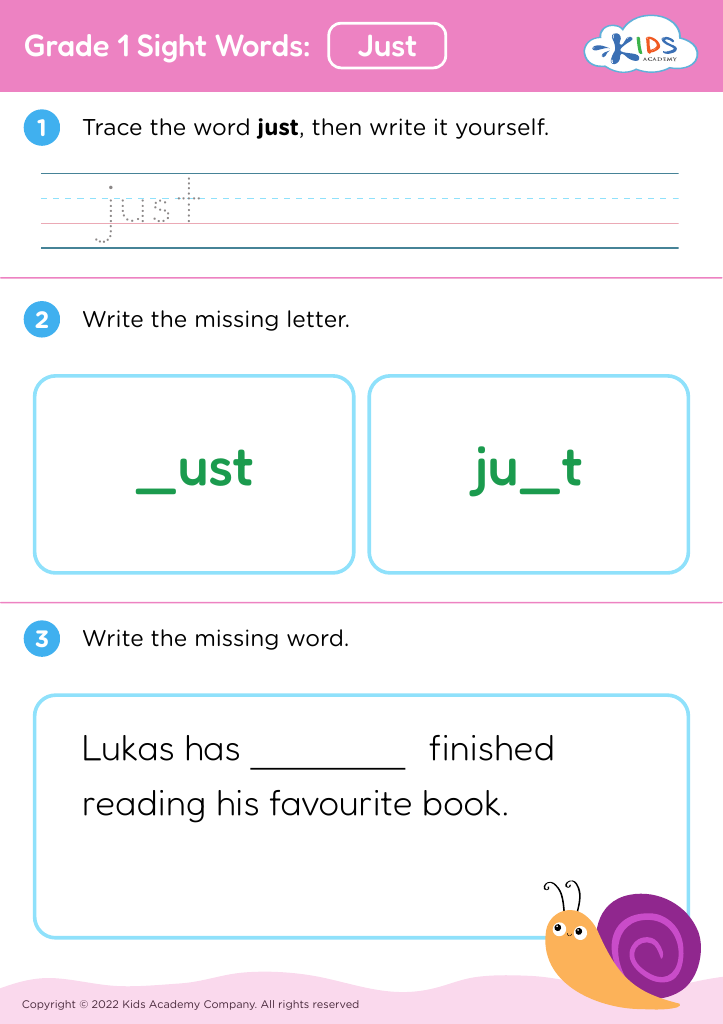
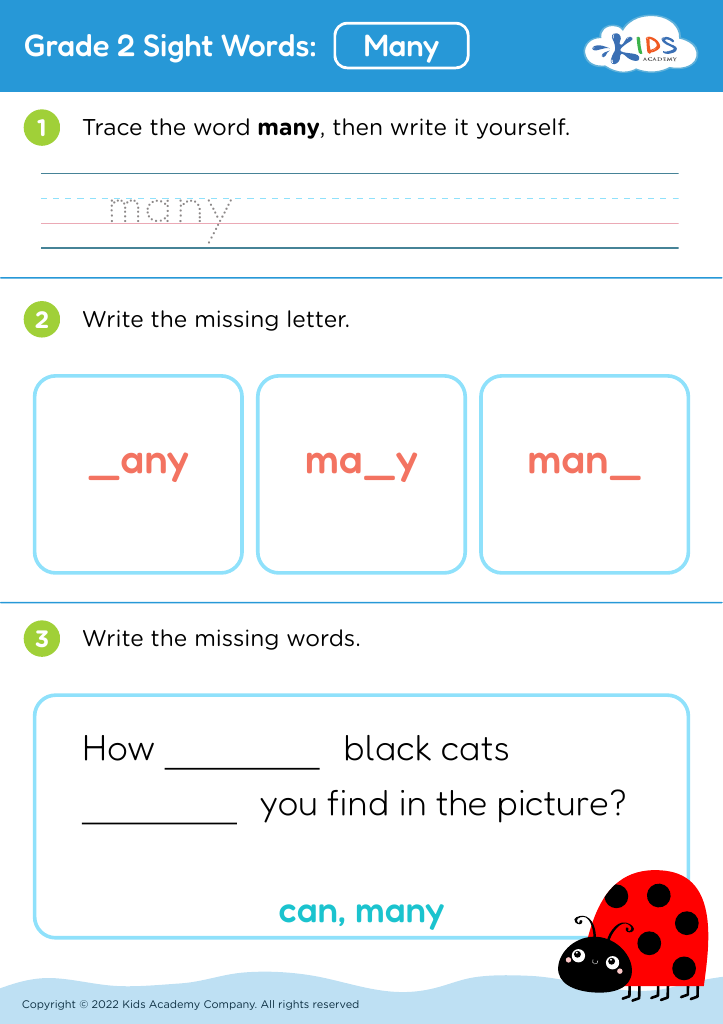
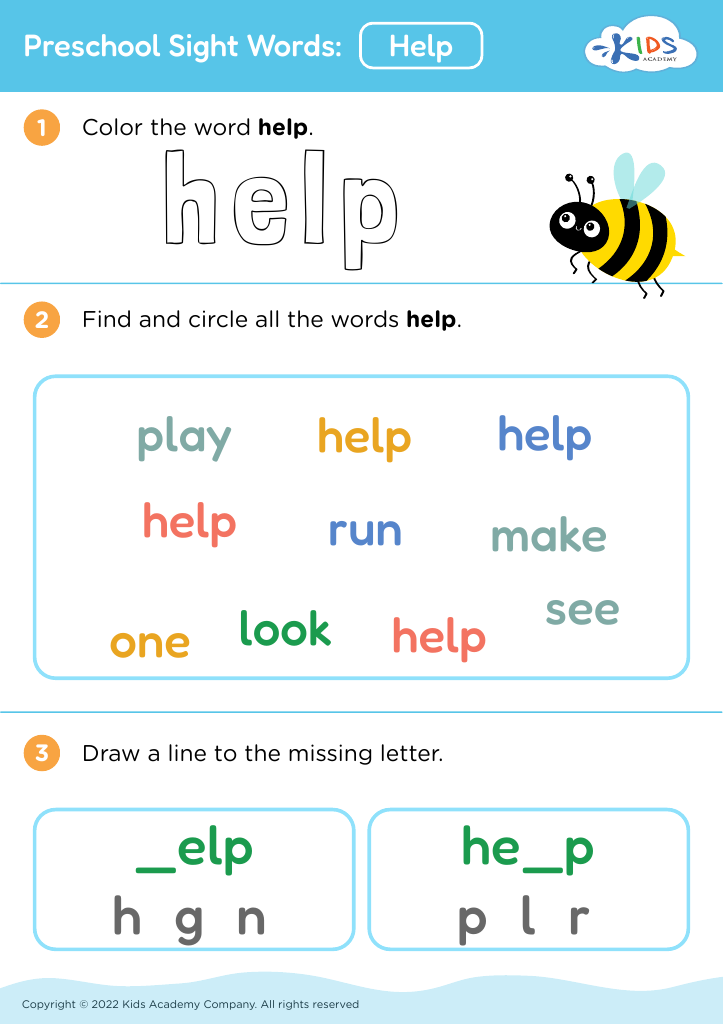
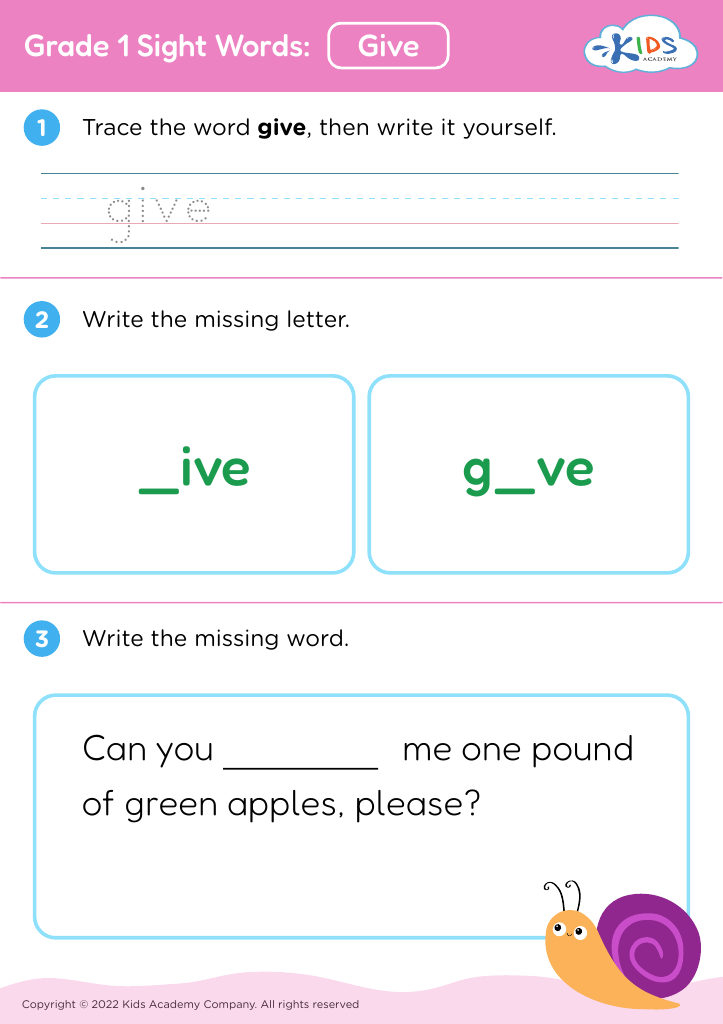
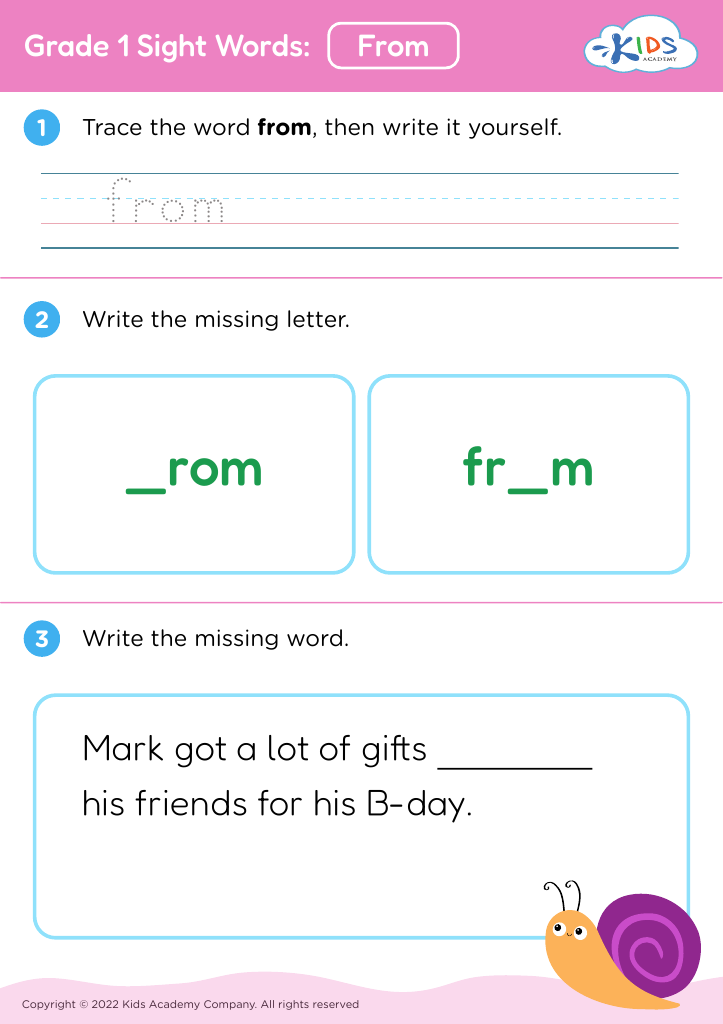
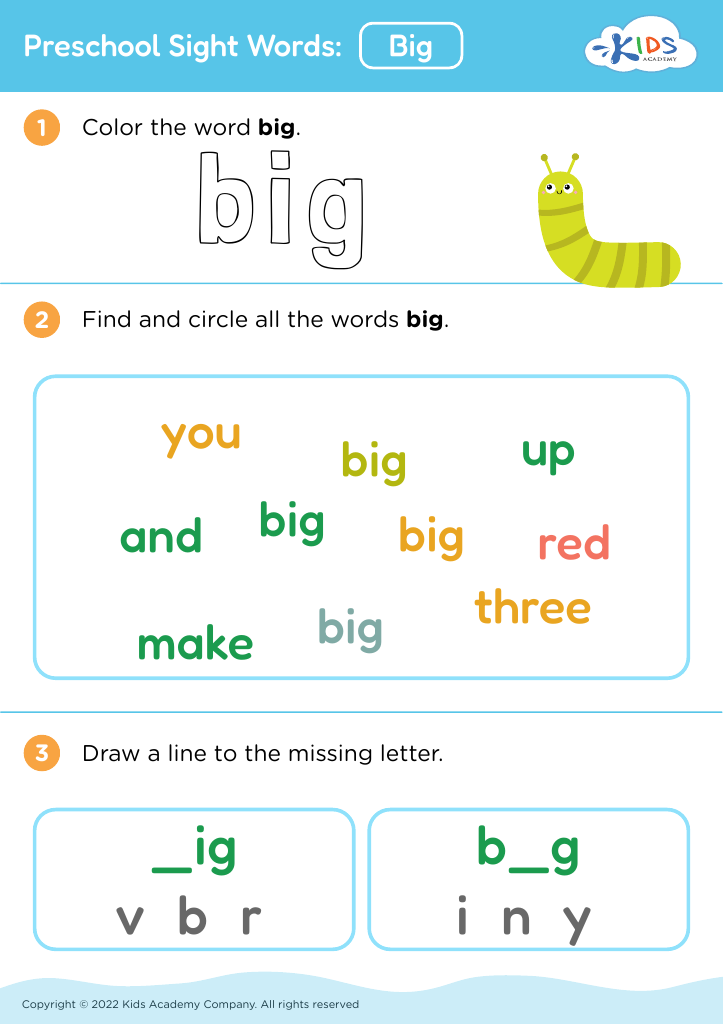
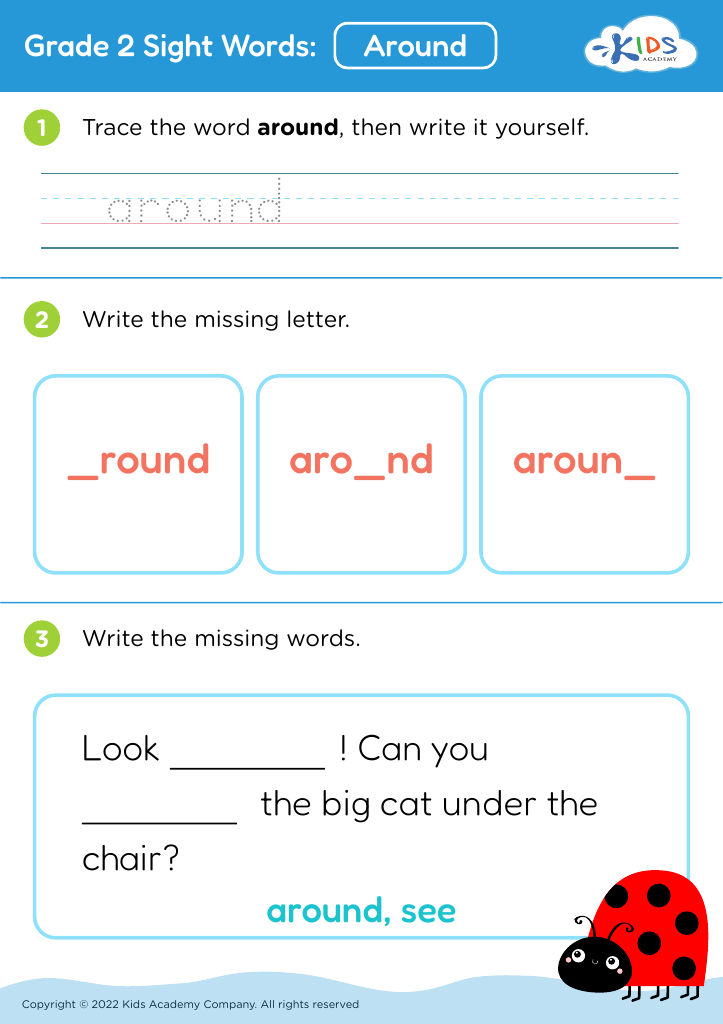
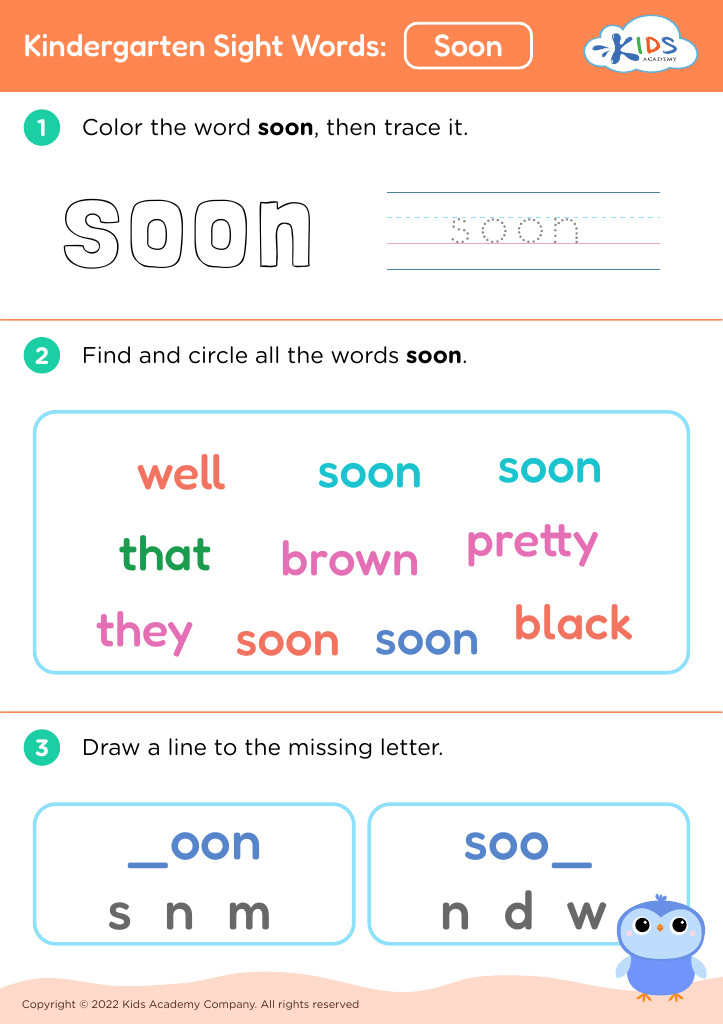
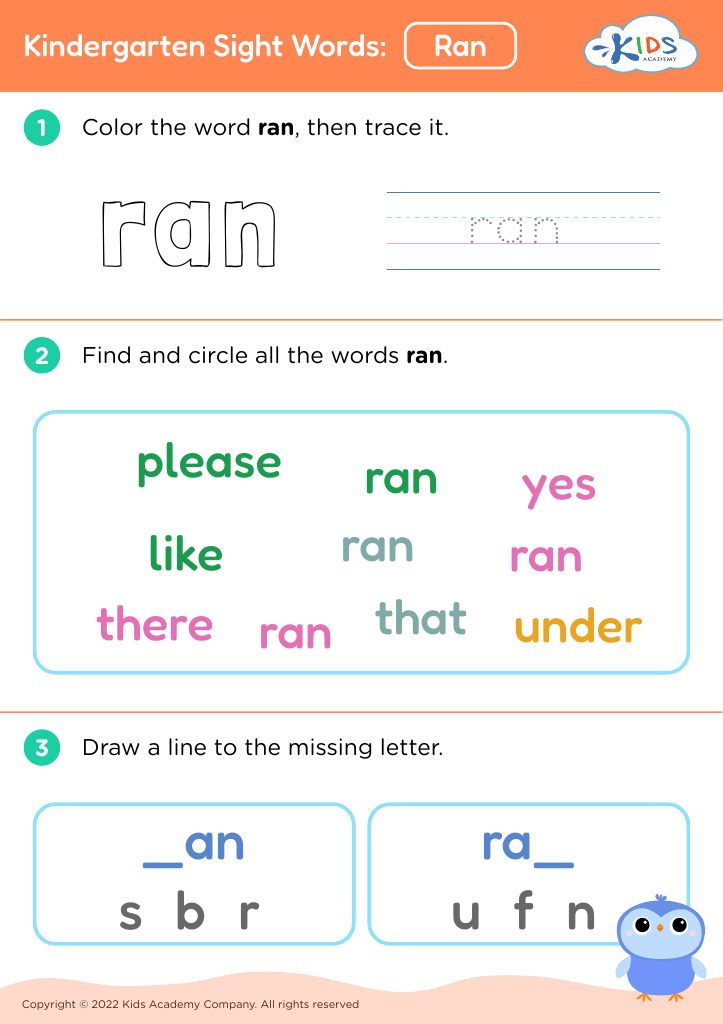
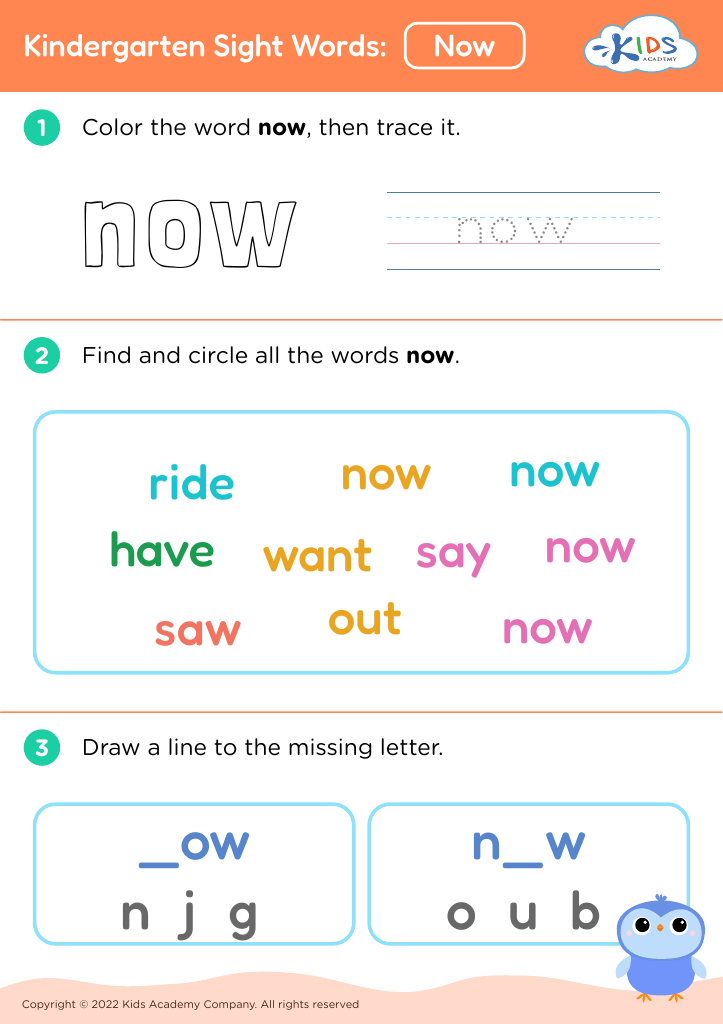
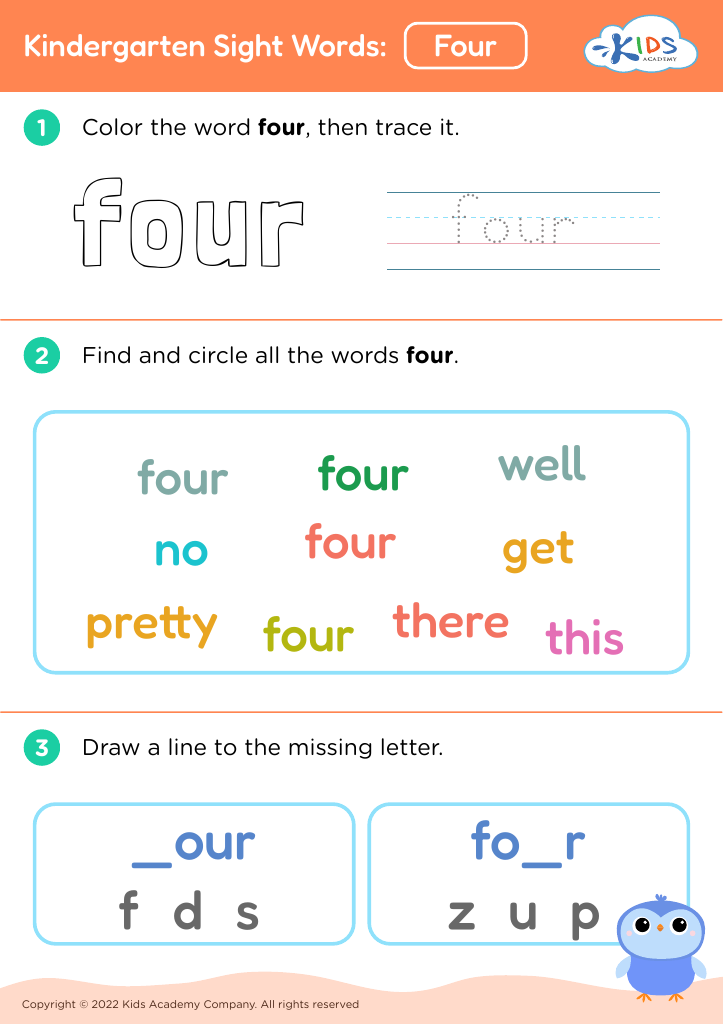
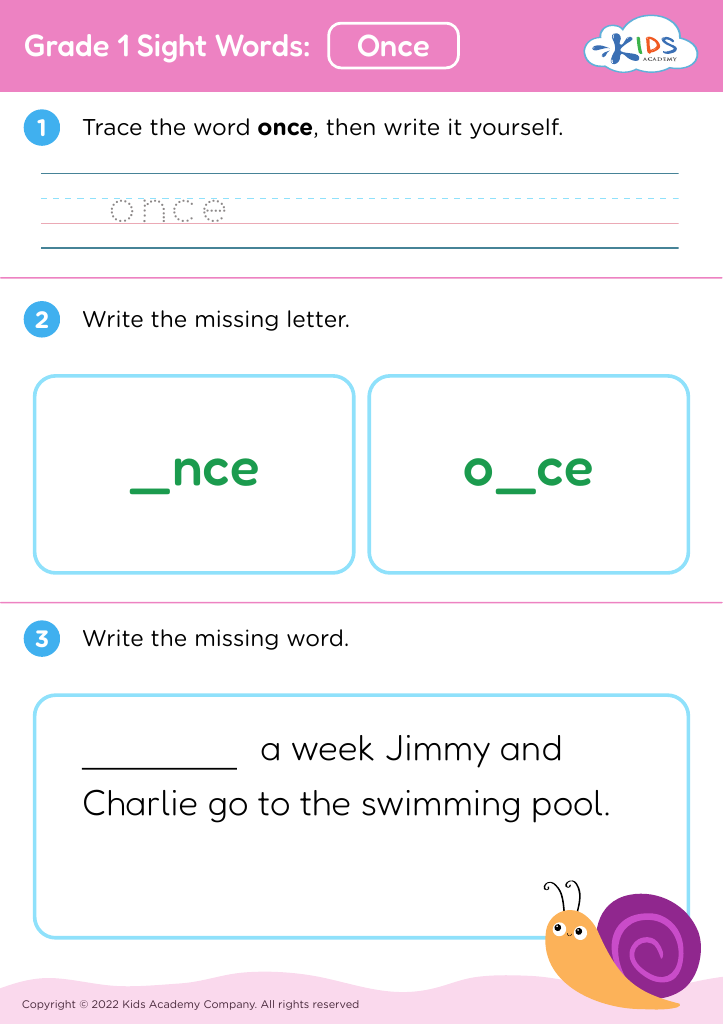
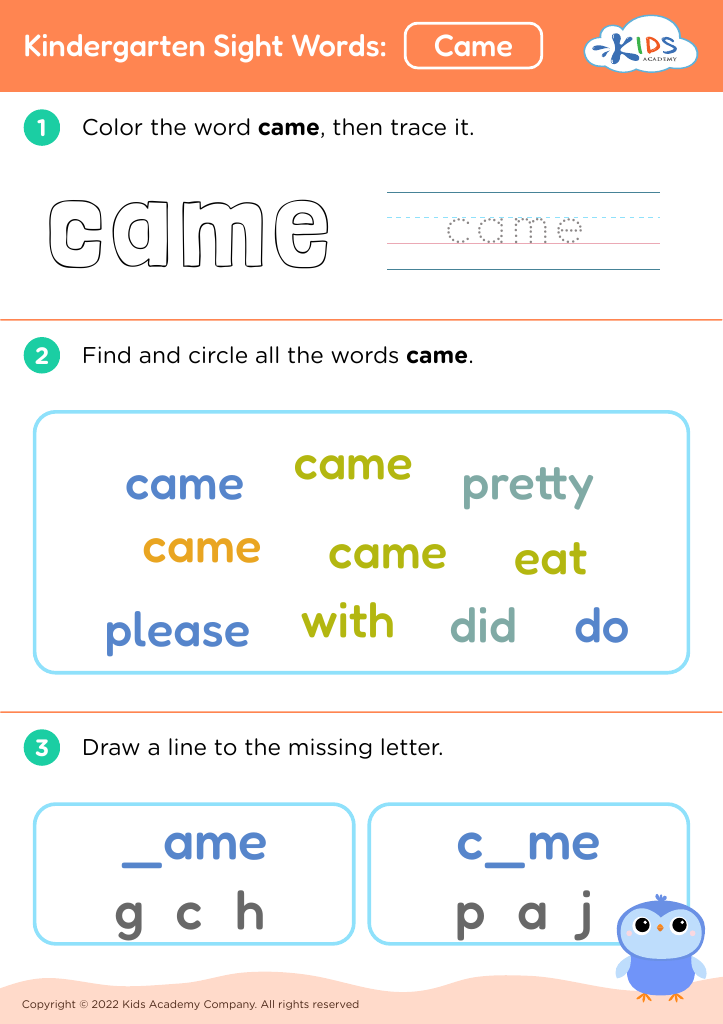


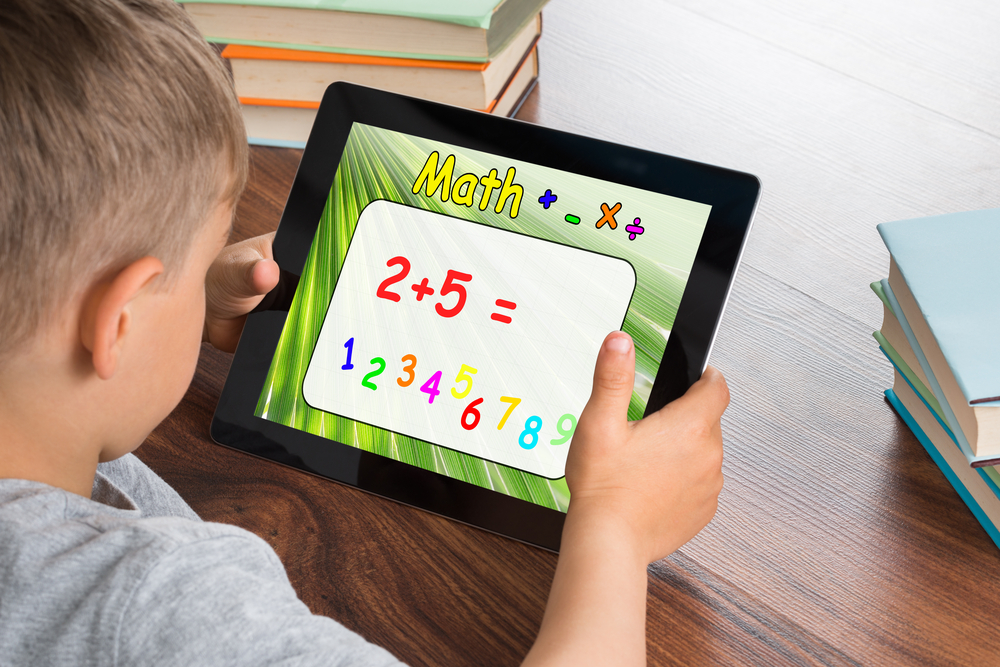





Basic math skills and sight words are foundational components of early literacy and numeracy development for children aged 5-7. Parents and teachers play a crucial role in fostering these skills, as they set the stage for future academic success.
Firstly, math skills at this age enable children to understand essential concepts, such as counting, number recognition, and simple operations. These foundational skills help build confidence in their ability to handle more complex mathematical problems later on.
Similarly, sight words are essential for reading fluency. When children can recognize common words instantly, they can focus on comprehension and storytelling, rather than struggling with decoding every word. This boosts their overall reading experience and promotes a love for reading.
Moreover, integrating math and literacy skills enhances cognitive development. Both areas cultivate critical thinking, problem-solving abilities, and communication skills. Engaging in activities that involve both sight words and basic math promotes a more holistic approach to learning.
By caring about these fundamental skills, parents and teachers not only help children succeed academically but also empower them with the tools they need to navigate both their education and everyday life effectively. Investing in these early skills reaps long-term benefits, determining children's preparedness for future challenges.