Practice subtraction Sight Words Worksheets for Ages 5-7
3 filtered results
Difficulty Level
Grade
Age
-
From - To
Subject
Activity
Standards
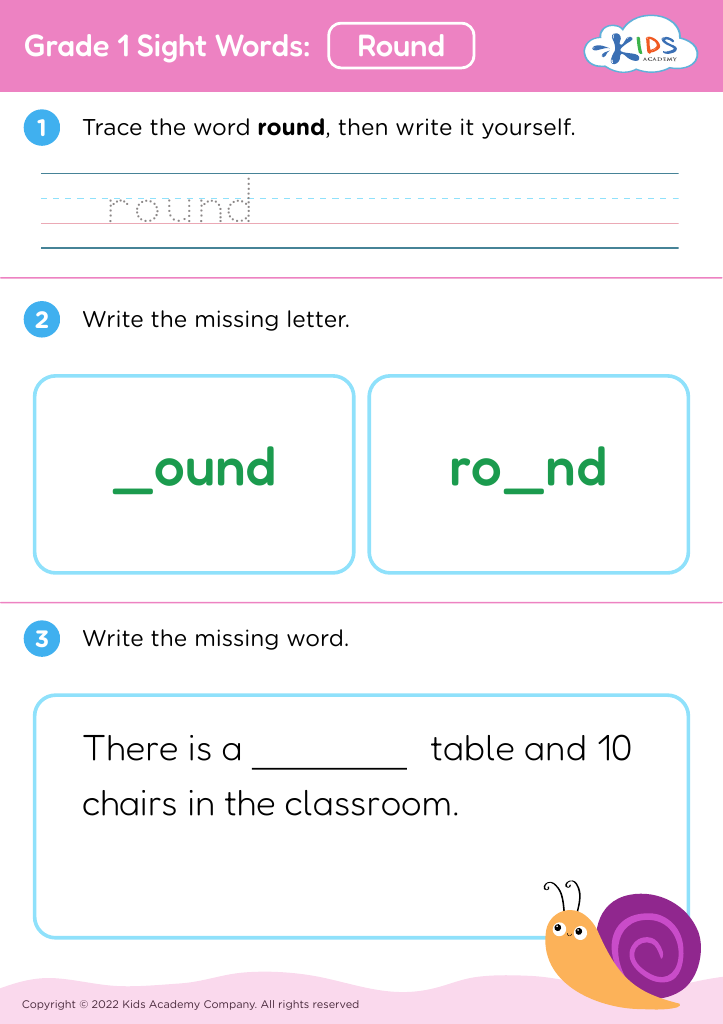
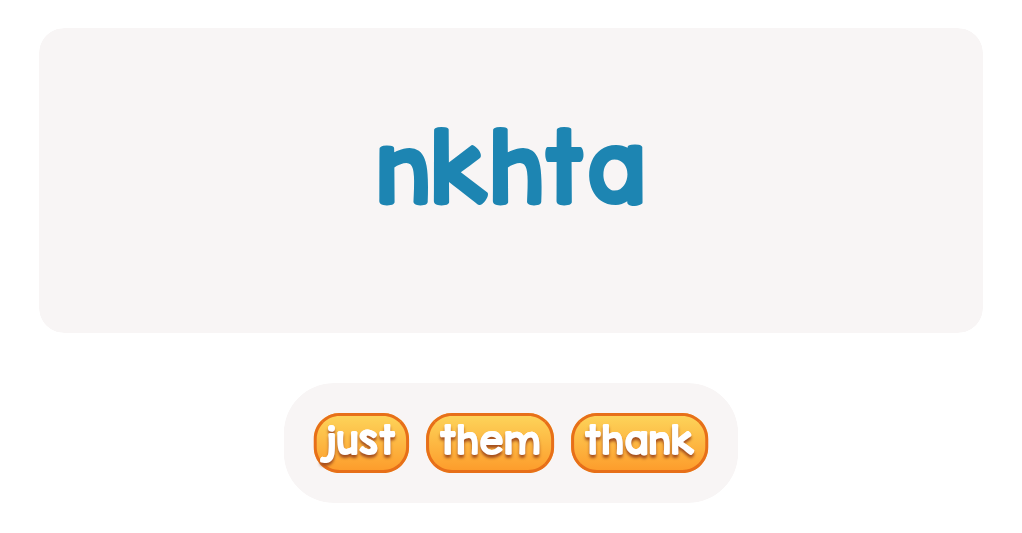
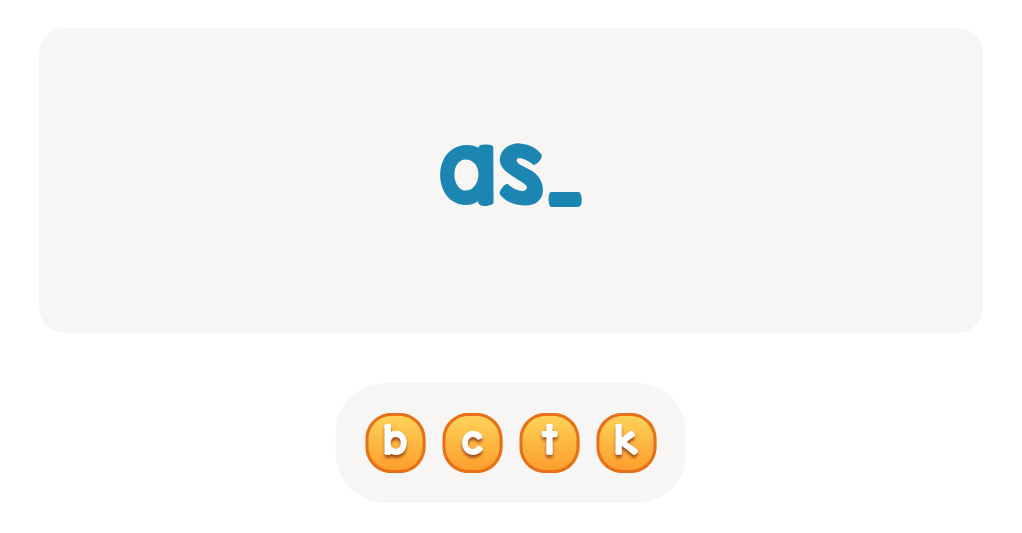
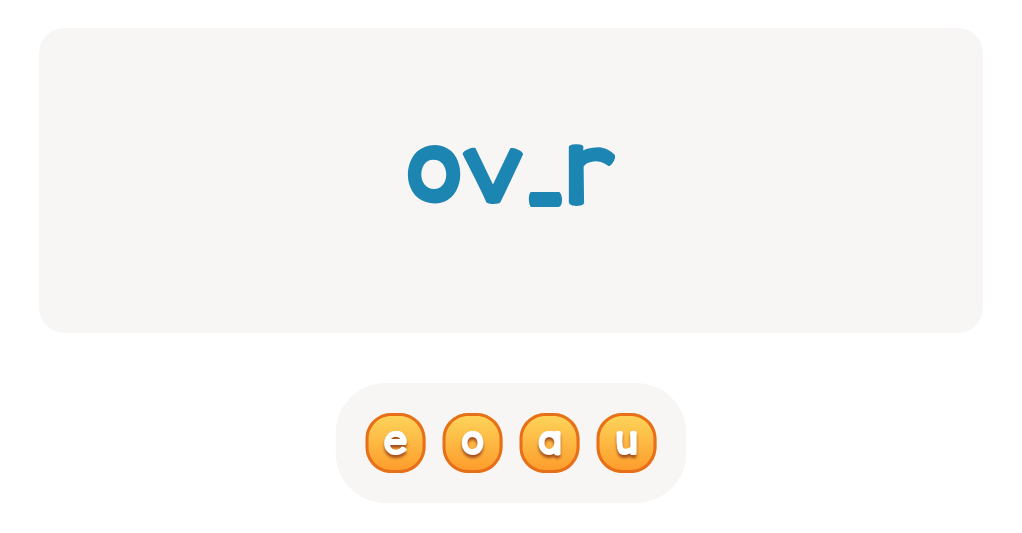
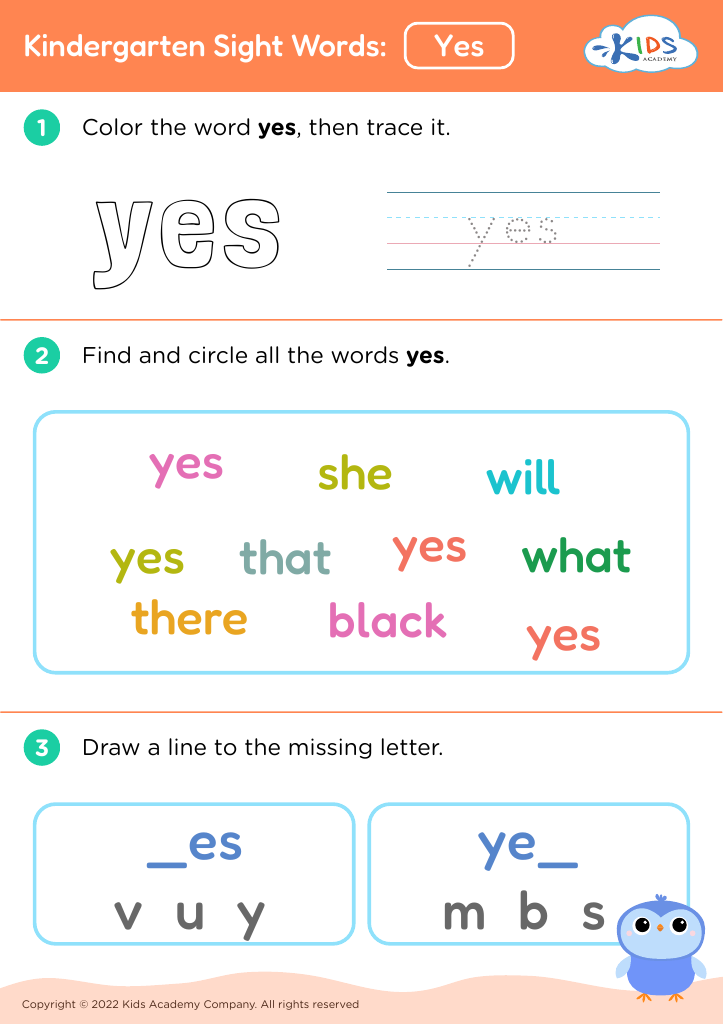
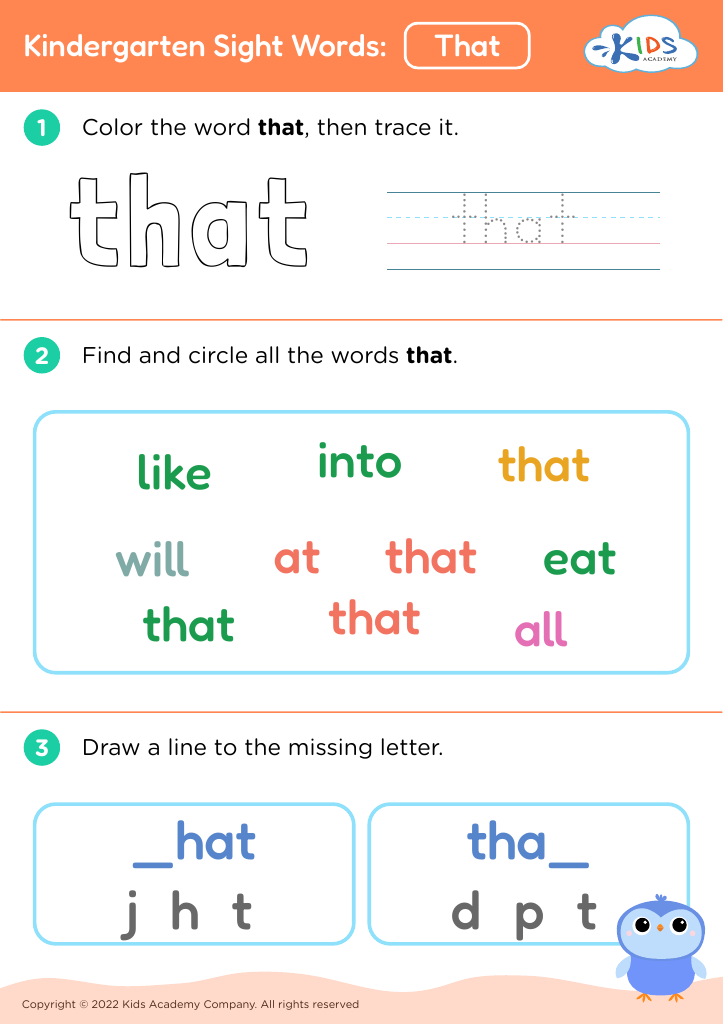
Enhance your child's learning experience with our Practice Subtraction Sight Words Worksheets, specially designed for ages 5-7. These engaging worksheets combine reading and math skills, allowing children to practice subtraction while reinforcing their sight word vocabulary. Fun and interactive, these activities help young learners build confidence in both numerical and linguistic abilities. Boost your child's proficiency with subtraction concepts in a creative way that keeps them motivated. Each worksheet is tailored for early learners, ensuring age-appropriate challenges and content. Explore our resources today and support your child's educational journey with enjoyable, educational, and effective learning tools!
Favorites
With answer key
Interactive






Join Kids Academy for Free
Who is primarily going to use this learning content?








Parents and teachers should prioritize practicing subtraction sight words for children ages 5-7 because these words form a fundamental part of mathematical literacy. Mastering subtraction sight words helps kids quickly recognize and understand mathematical language, leading to increased fluency in reading numbers and solving problems. When children can easily read subtraction statements and terms such as "minus," "take away," or "less," they become more confident in their math abilities.
Additionally, engaging with subtraction sight words supports the development of critical thinking skills as students learn to interpret problems and find solutions. This foundation not only enhances their problem-solving skills in math but also enriches their overall cognitive development.
Moreover, building familiarity with subtraction sight words can contribute to a positive attitude toward mathematics. When children feel competent and confident in their skills, it fosters a growth mindset and a willingness to tackle more complex mathematical concepts in the future. Overall, incorporating subtraction sight words into early education prepares children for success, ensures they achieve necessary skill levels, and cultivates an enduring interest in learning. Parents and teachers play a key role in this process, shaping children's academic journeys and fostering a love for mathematics.