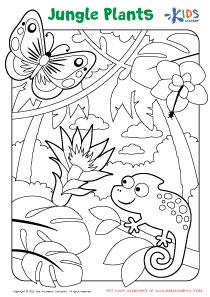
Sequencing Skills Animals Worksheets for Ages 5-7
3 filtered results
-
From - To
Enhance your child's understanding of the natural world with our Sequencing Skills Animals Worksheets designed for ages 5-7. Our engaging and educational activities help young learners improve their sequencing abilities while discovering fascinating facts about animals. These printable worksheets, crafted by educational experts, provide delightful exercises that foster critical thinking and logical progression. Children will sequence events, identify life cycles, and understand habitats in a fun and interactive manner. Perfect for classroom use or at-home learning, these worksheets make mastering sequencing skills an enjoyable adventure. Put your child on the path to success and cultivate a love for science today!
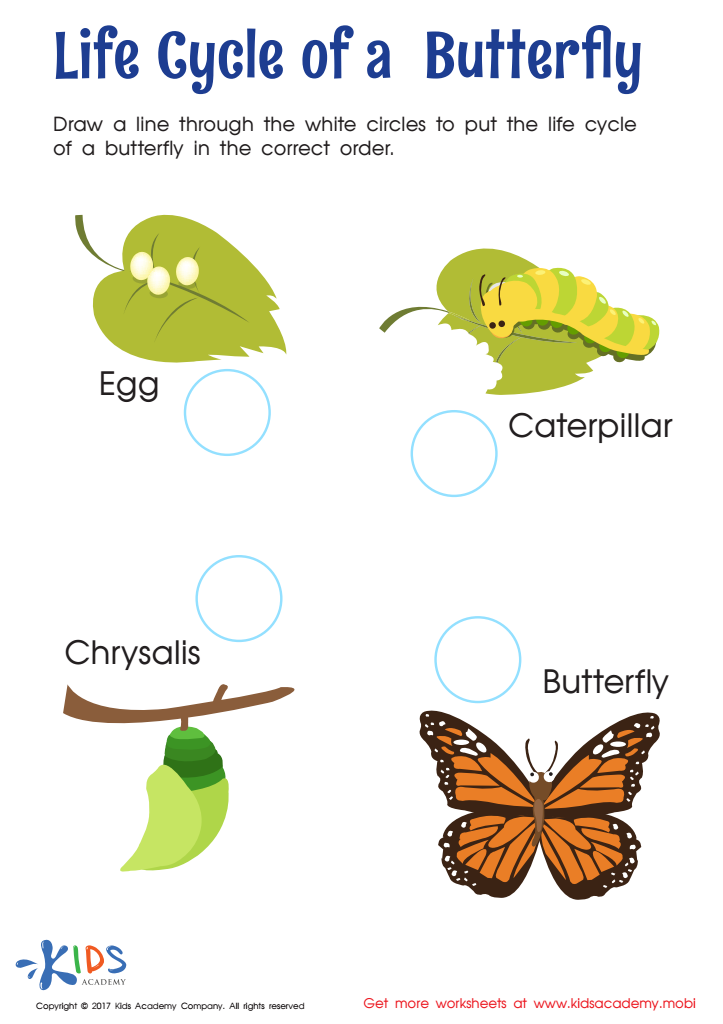
Life Cycle of Butterfly Worksheet
 Assign to My Students
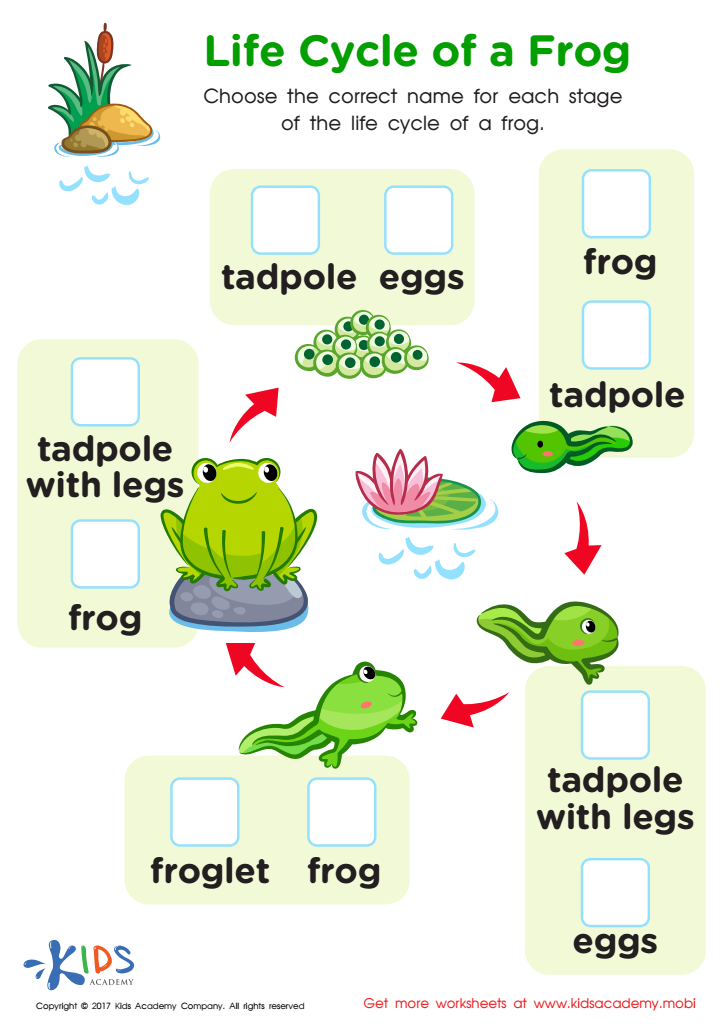
Life Cycle Frog Printable
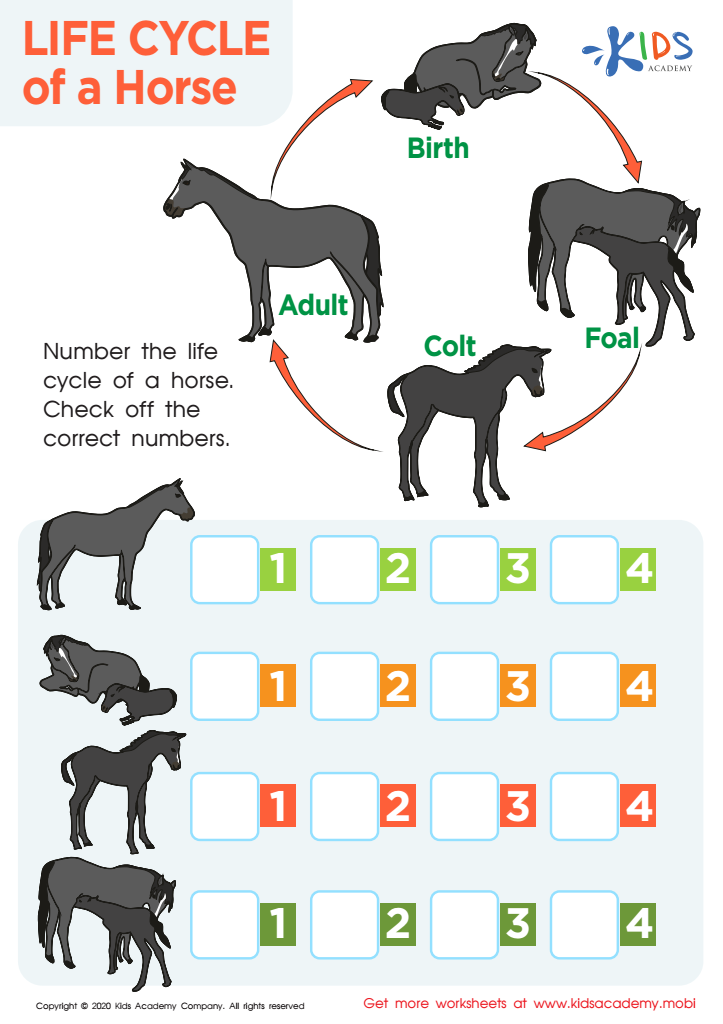
Life Cycle of a Horse Worksheet







Sequencing skills are fundamental for young children's cognitive development, as they form the foundation for understanding patterns, improving memory, and enhancing problem-solving abilities. Fostering these skills in children ages 5-7 through activities like "Sequencing Skills Animals" offers several educational benefits. First and foremost, sequencing helps children recognize the order of events, which is essential for both reading comprehension and mathematical concepts. By learning to logically arrange events or objects, kids can better grasp storylines in books, solve multi-step math problems, and execute tasks sequentially.
Additionally, an animal-themed sequencing activity captivates younger audiences, engages their interest, and makes learning more enjoyable. Animals naturally pique children's curiosity and excitement, leading to higher engagement and better retention of sequencing skills. Moreover, this approach also aids in vocabulary building, introducing new animal names and behaviors, and inviting them to describe processes, thus enriching their language skills.
Teachers and parents should prioritize these activities to not only boost cognitive prowess but also to support emotional and social development. Collaborative sequencing tasks encourage teamwork, patience, and cooperation among peers. Consequently, by integrating fun, interactive, and educational tools like Sequencing Skills Animals into their teaching strategies, parents and teachers lay a crucial foundation for future learning and development.