Comprehension skills Plants Worksheets for Ages 5-7
3 filtered results
-
From - To
Unlock your child's potential with our engaging Comprehension Skills Plants Worksheets designed for ages 5-7! These carefully crafted worksheets foster essential reading and understanding skills by introducing young learners to the fascinating world of plants. Through colorful illustrations and interactive questions, students will explore the life cycle, parts of plants, and their importance in nature. Encourage critical thinking and boost comprehension as your child answers thought-provoking questions related to the worksheets. Ideal for both classroom and home learning, our resources provide the perfect balance of education and fun, helping young minds develop a strong foundation in science while nurturing a love for learning!
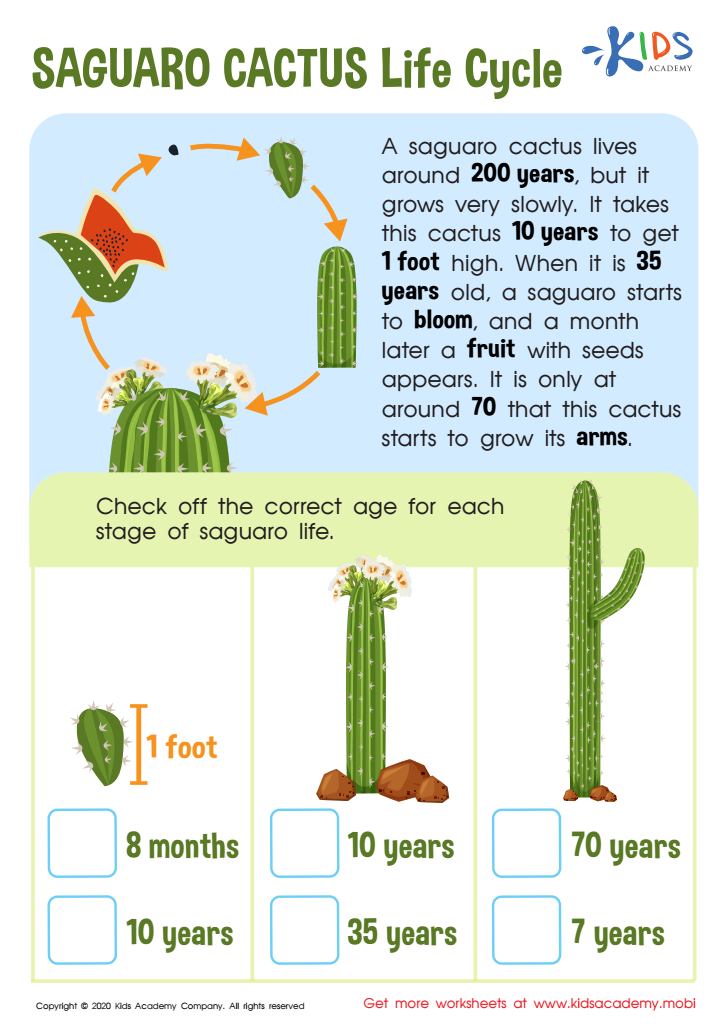
Saguaro Cactus Life Cycle Worksheet
 Assign to My Students
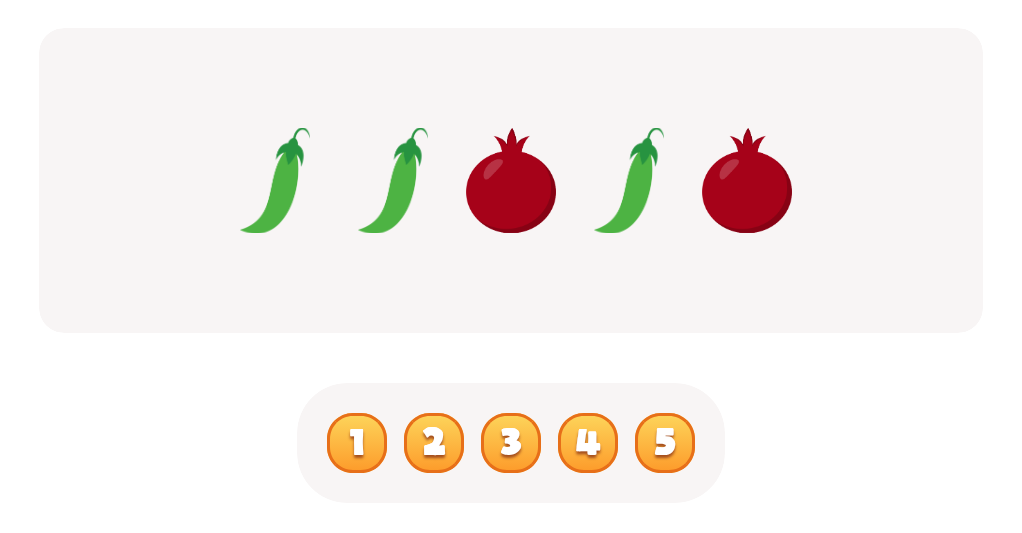

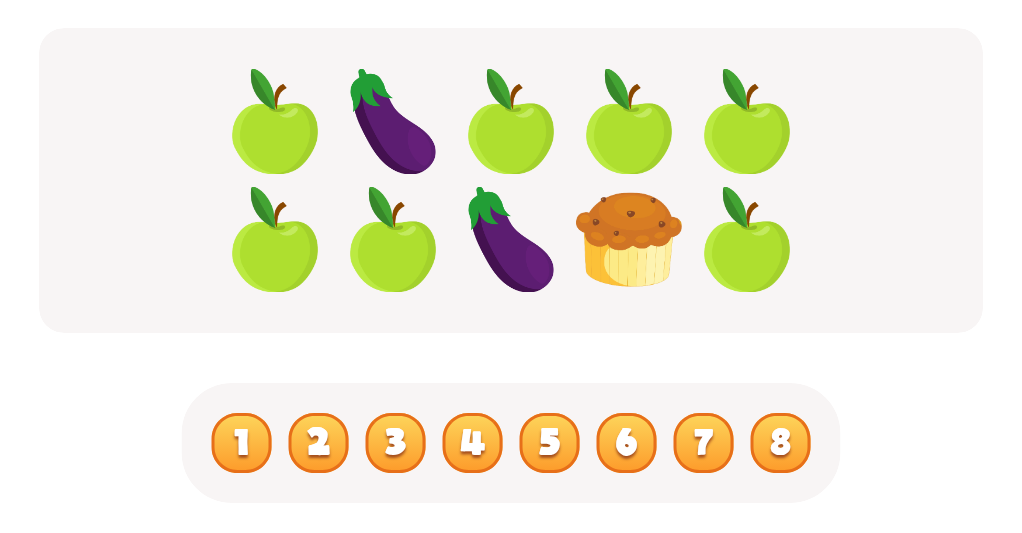


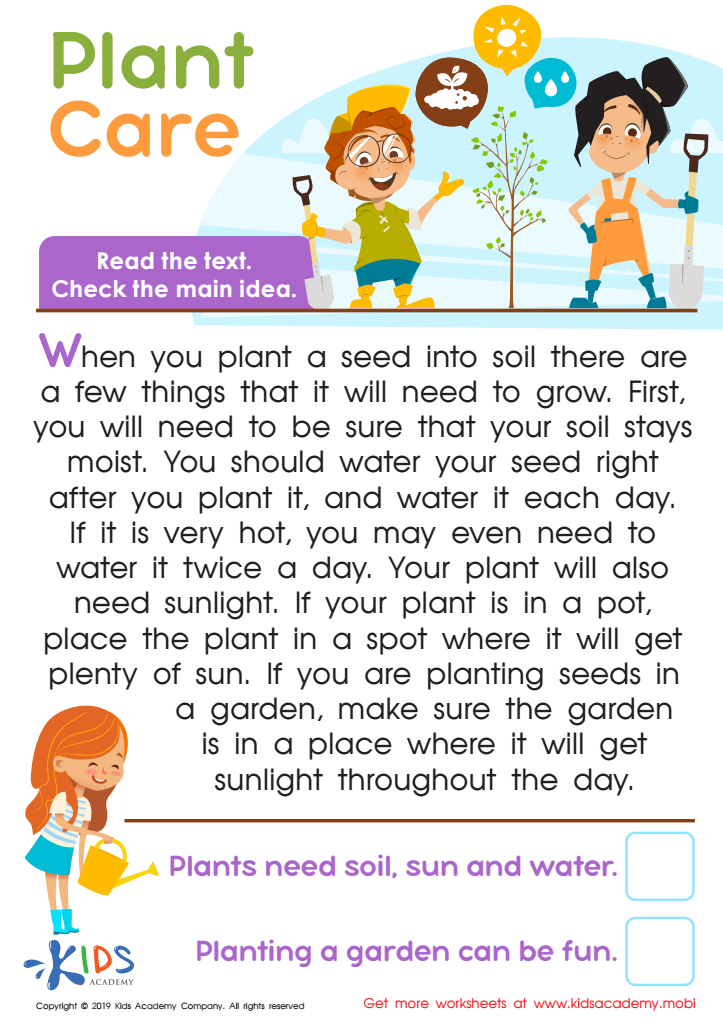
Plant Care Worksheet
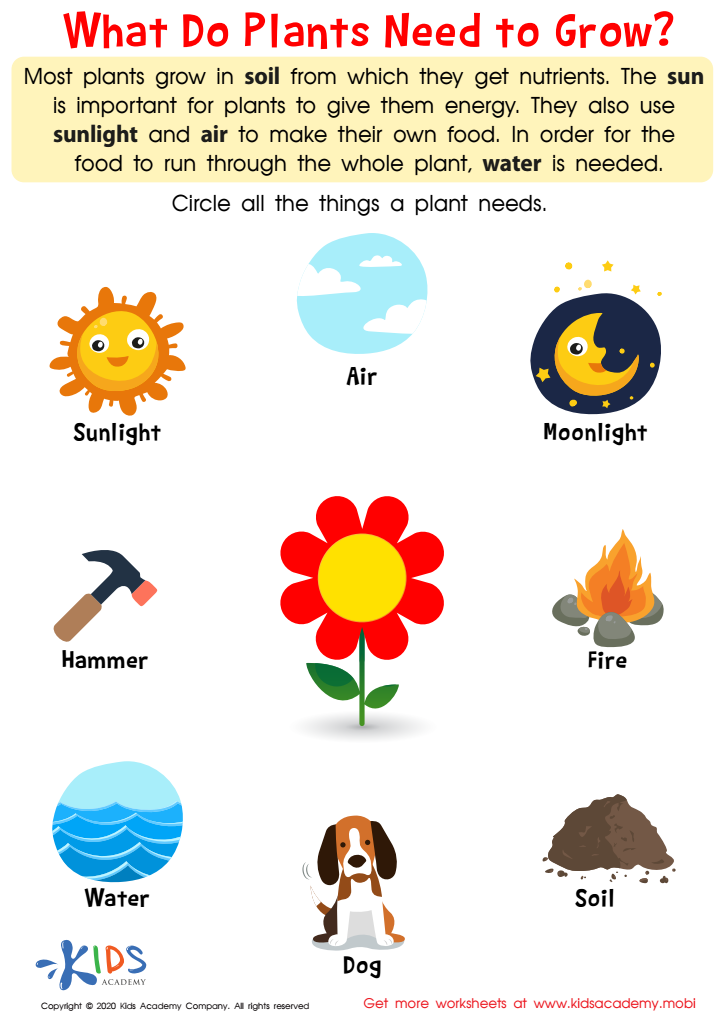
What Do Plants Need to Grow Worksheet







Comprehension skills are crucial for children ages 5-7, especially as they begin to interact with diverse texts, including those about plants. Developing these skills allows young learners to understand not only what they read but also the underlying concepts, much like appreciating the intricate details of how plants grow and thrive.
First, strong comprehension skills enhance critical thinking. When children engage with texts about plants, they learn to ask questions, identify key ideas, and make connections to their surroundings. By understanding concepts like photosynthesis or the life cycle of a plant, they gain insights into nature and science, which foster curiosity and inquiry.
Moreover, comprehension skills build a solid foundation for future learning. Early mastery of such skills prepares children for more complex reading materials in subjects ranging from science to literature.
Parents and teachers play an essential role by encouraging ongoing discussions about what children read, helping them relate plant concepts to their real-world experiences, such as gardening or observing nature. This engagement reinforces comprehension, fosters a love for reading, and instills an appreciation for the natural world. Ultimately, these skills not only support academic success but also promote lifelong learning and curiosity about the environment.