English grammar practice Grammar Worksheets for Ages 5-7
3 filtered results
-
From - To
Discover our engaging English grammar practice worksheets, designed specifically for children aged 5-7. These resources make learning grammar fun and interactive, helping young learners grasp essential skills with ease. Our worksheets focus on key topics such as sentence structure, punctuation, and parts of speech, providing a solid foundation for future language development. Each activity is crafted to stimulate creativity and critical thinking, ensuring children stay motivated while mastering the basics of English grammar. Perfect for homeschooling or classroom use, our easy-to-download worksheets encourage independent learning and reinforce classroom lessons. Start your child's journey to confident writing today!
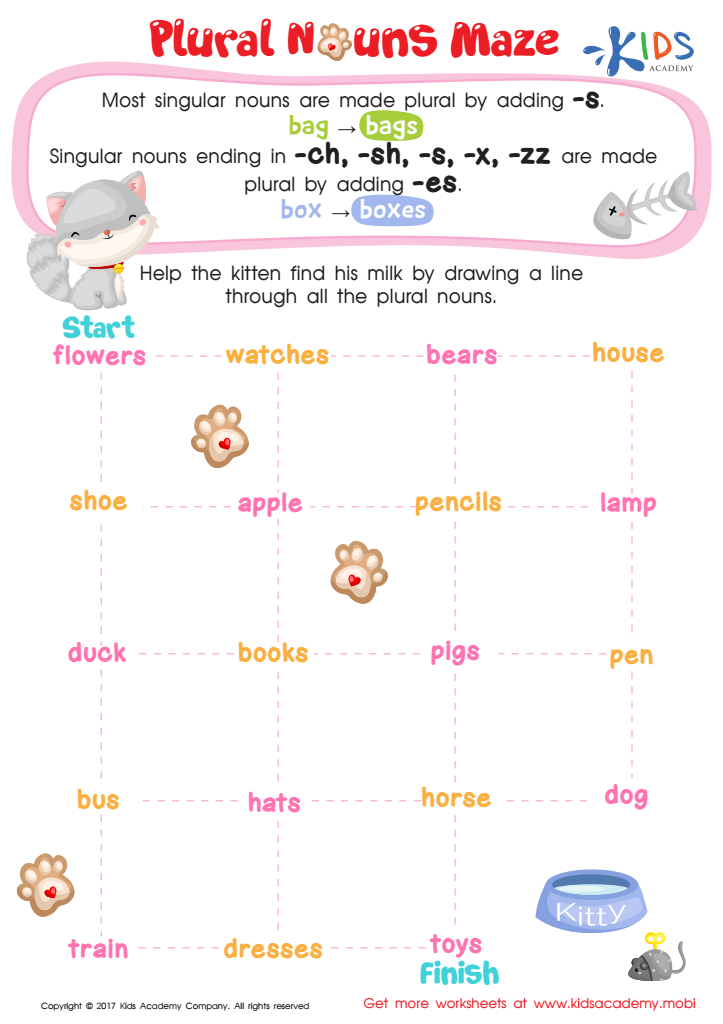
Plural Nouns Maze Worksheet
 Assign to My Students
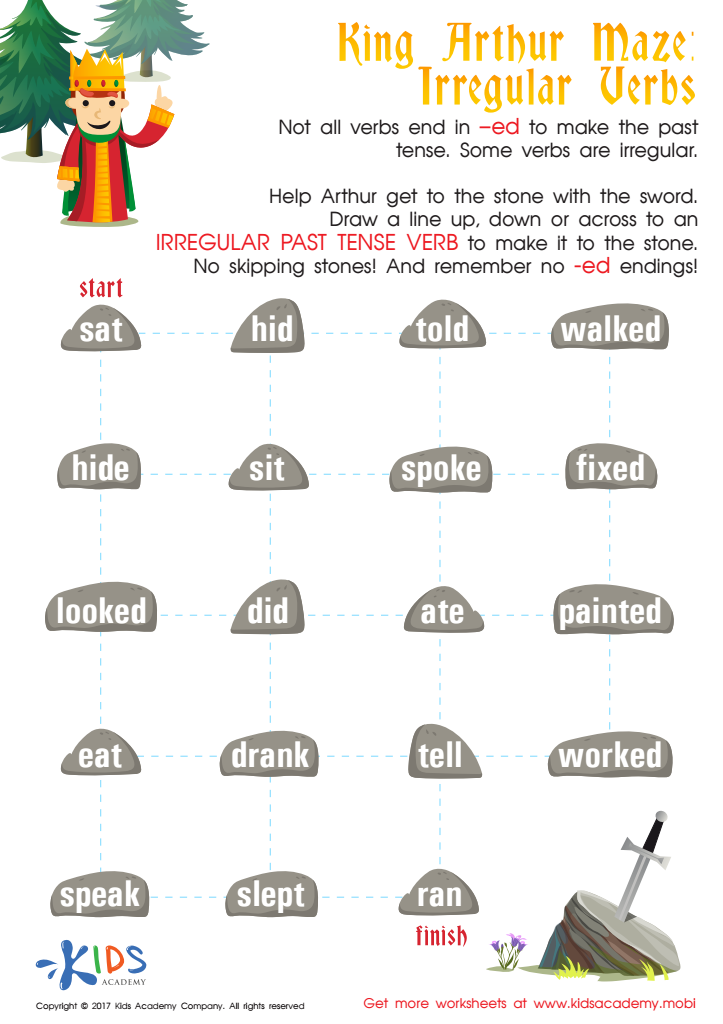
Irregular Verbs: Stones Worksheet
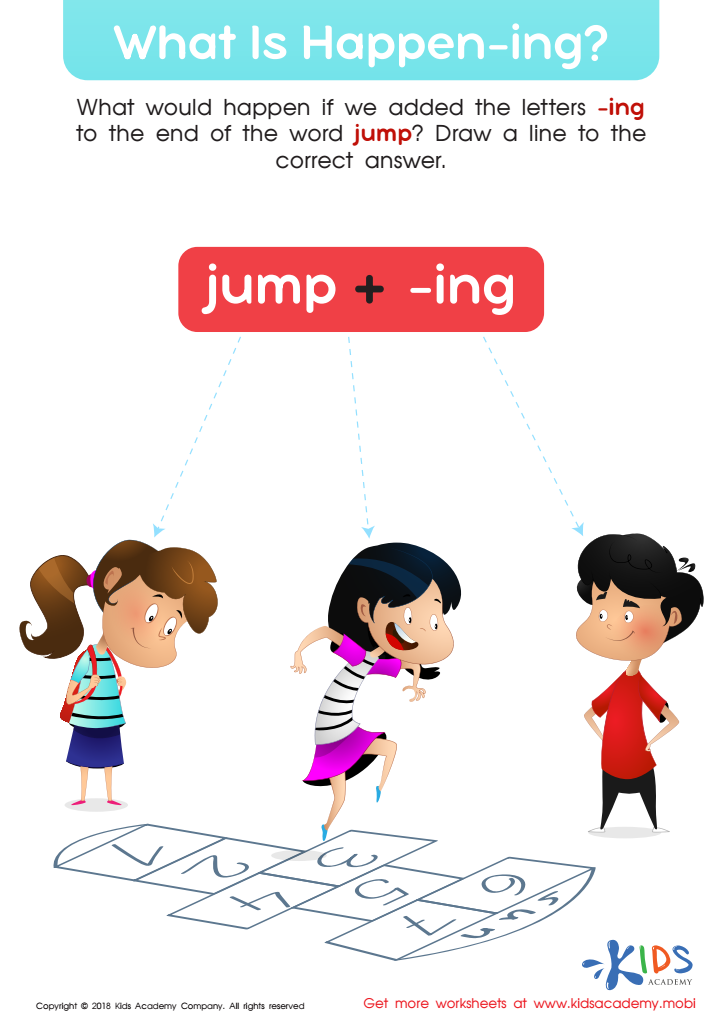
What Is Happen-Ing? Worksheet



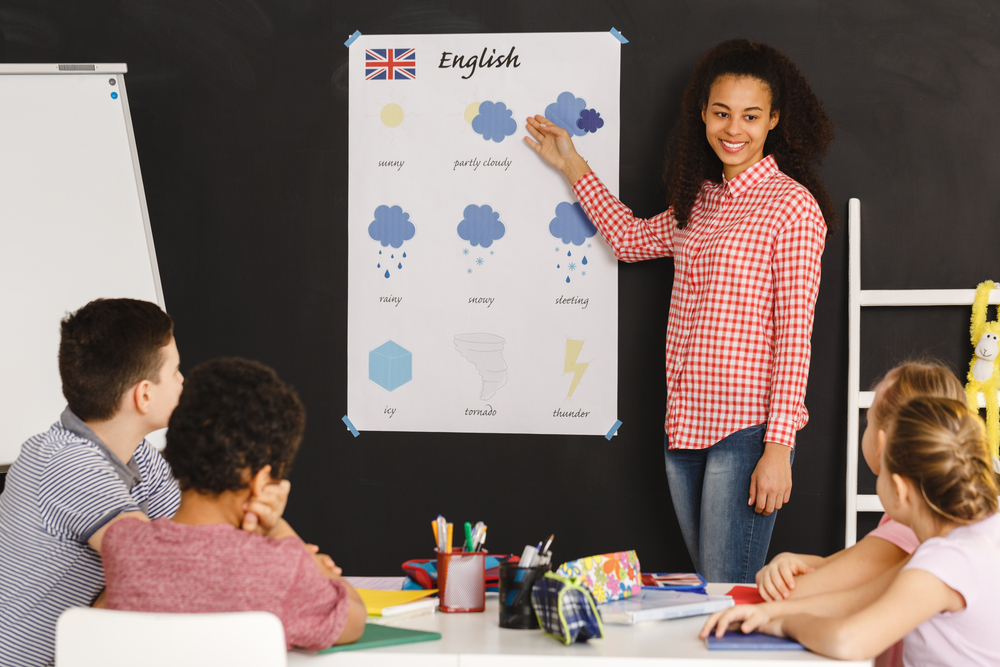


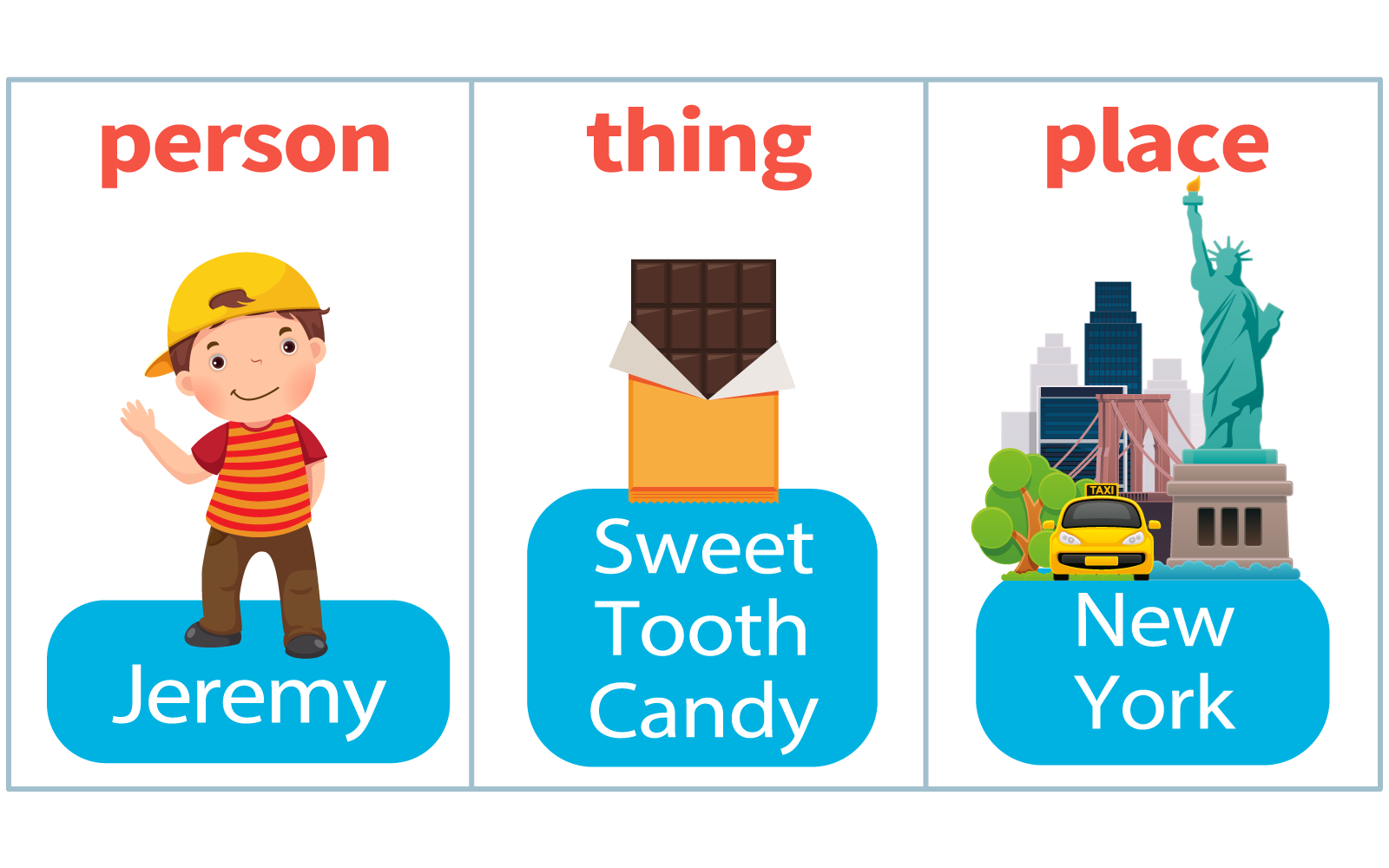

English grammar practice is essential for children aged 5-7, as it lays the foundation for effective communication and literacy skills. During these formative years, children are developing their language abilities, and understanding grammar helps them make sense of how language works. This knowledge enables them to form coherent sentences, express their thoughts clearly, and comprehend the texts they read.
Moreover, a strong grasp of grammar boosts a child’s confidence in both speaking and writing. When children know the rules of grammar, they feel more empowered to participate in discussions and share their ideas. Engaging in grammar practice also enhances their reading comprehension, as children learn to identify sentence structure, parts of speech, and punctuation, which are crucial for interpreting meaning in stories and instructions.
For parents and teachers, prioritizing grammar practice encourages a supportive learning environment that promotes curiosity and exploration of language. Additionally, establishing a solid foundation in grammar during these early years can greatly prepare children for more advanced literacy tasks later on, ultimately supporting their academic success. Therefore, investing time in English grammar practice at this young age is vital for fostering strong communication skills and a lifelong love for language.








