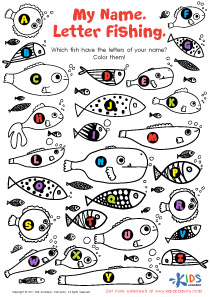
Letter formation ABC Order Worksheets for Ages 5-8
3 filtered results
-
From - To
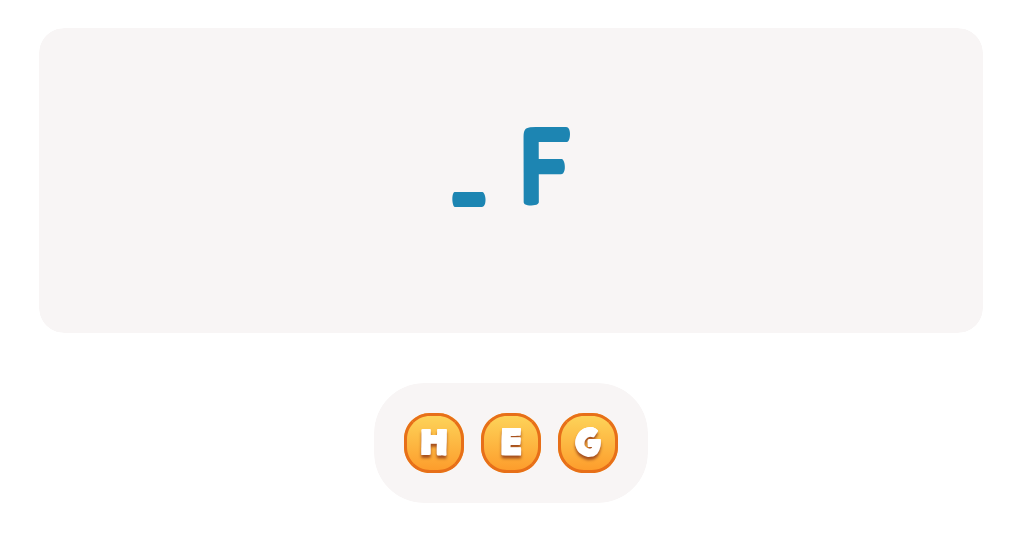
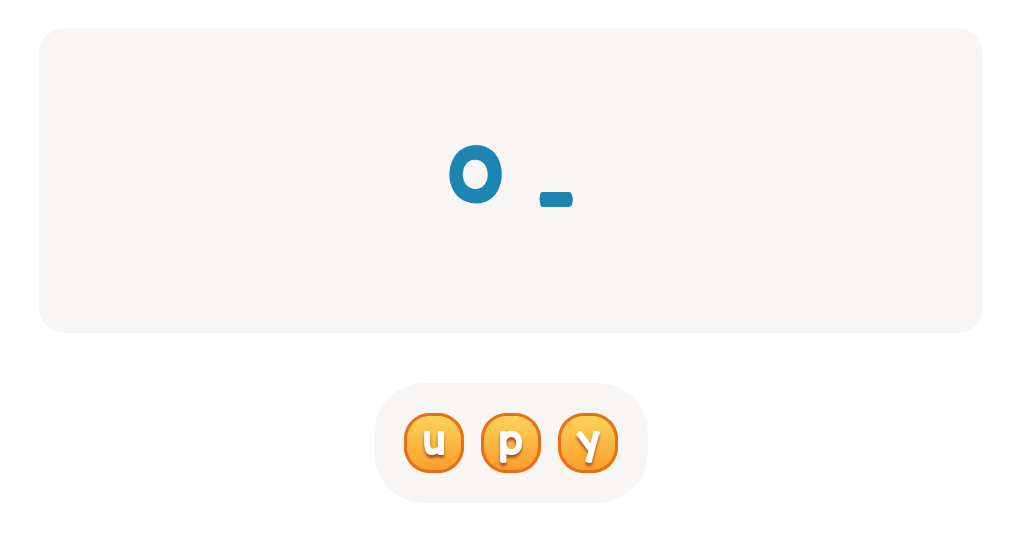
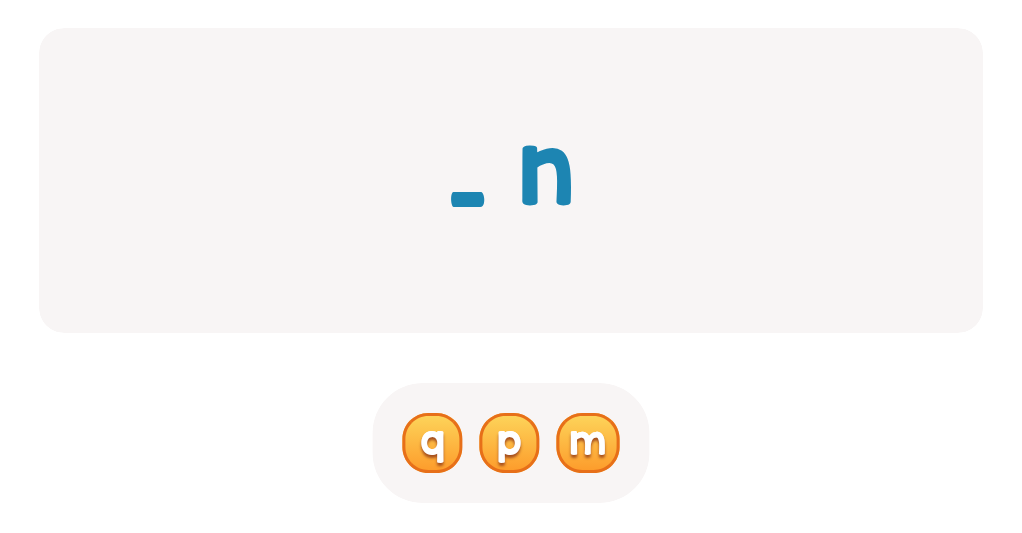
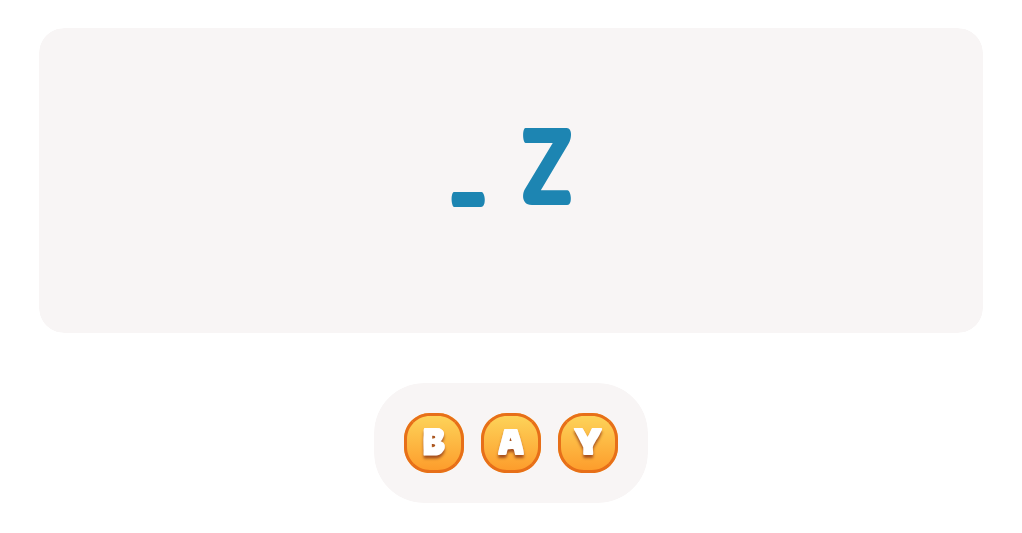
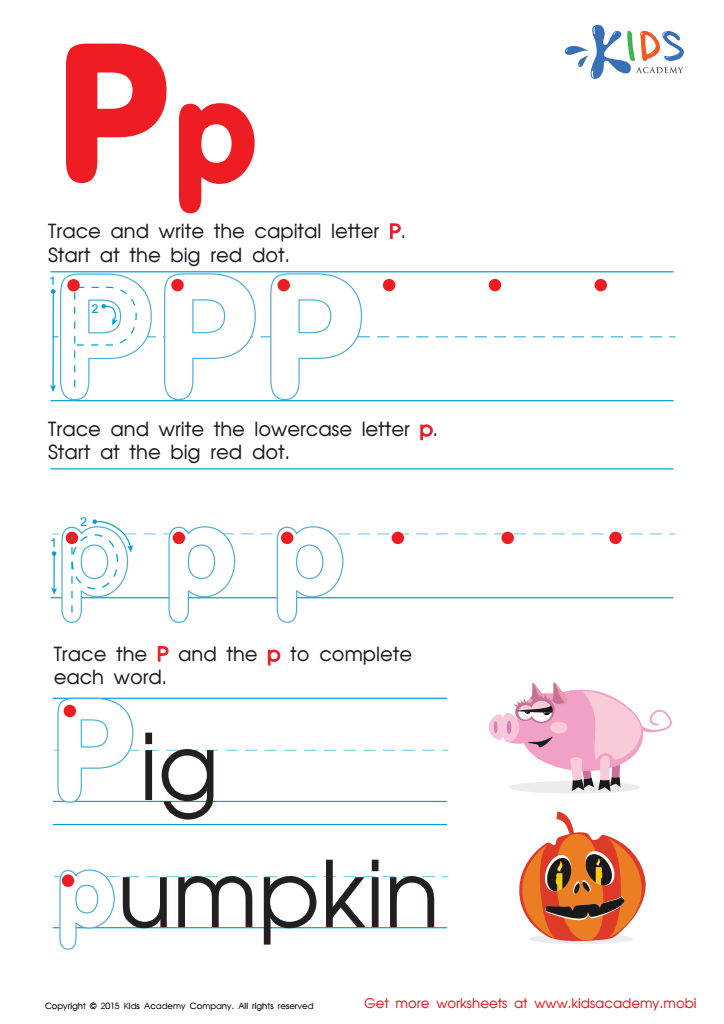
Enhance your child's letter formation skills with our engaging "Letter Formation ABC Order Worksheets" designed for ages 5-8. These printable worksheets make learning fun and interactive, helping kids master the basics of letter writing while reinforcing their understanding of alphabetical order. Each worksheet guides young learners in practicing correct letter grips and formations, fostering fine motor skills essential for handwriting development. By combining artistry with education, children will not only improve their writing abilities but also gain confidence in their literacy skills. Perfect for at-home learning or classroom activities, these worksheets provide a solid foundation for future academic success!
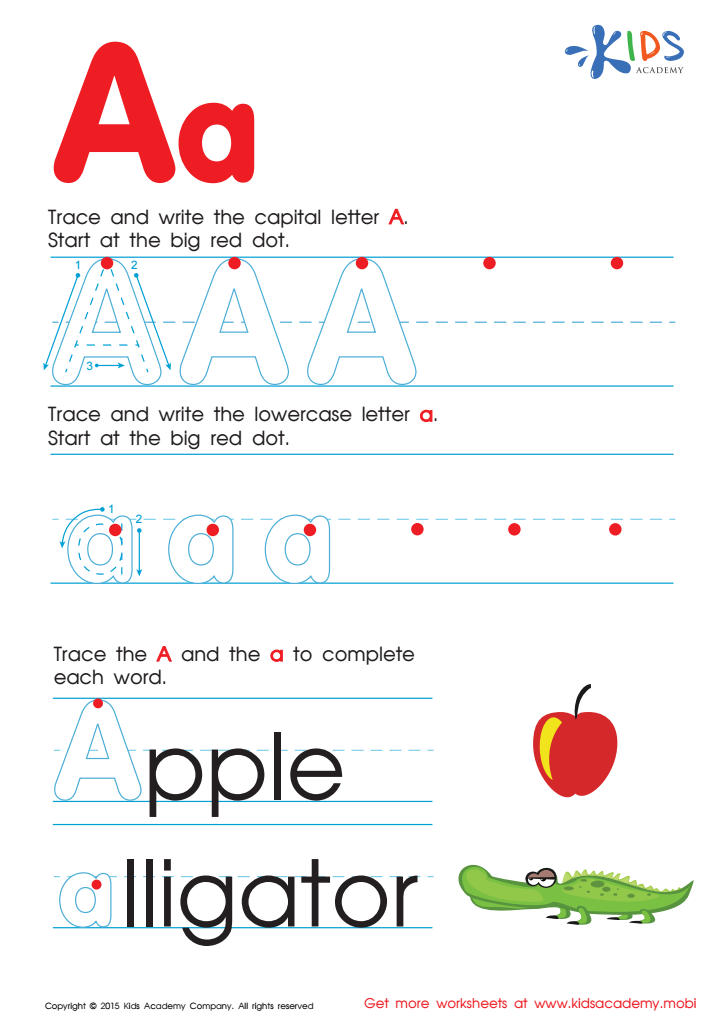
Letter A Tracing Page
 Assign to My Students


Letter P Tracing Page
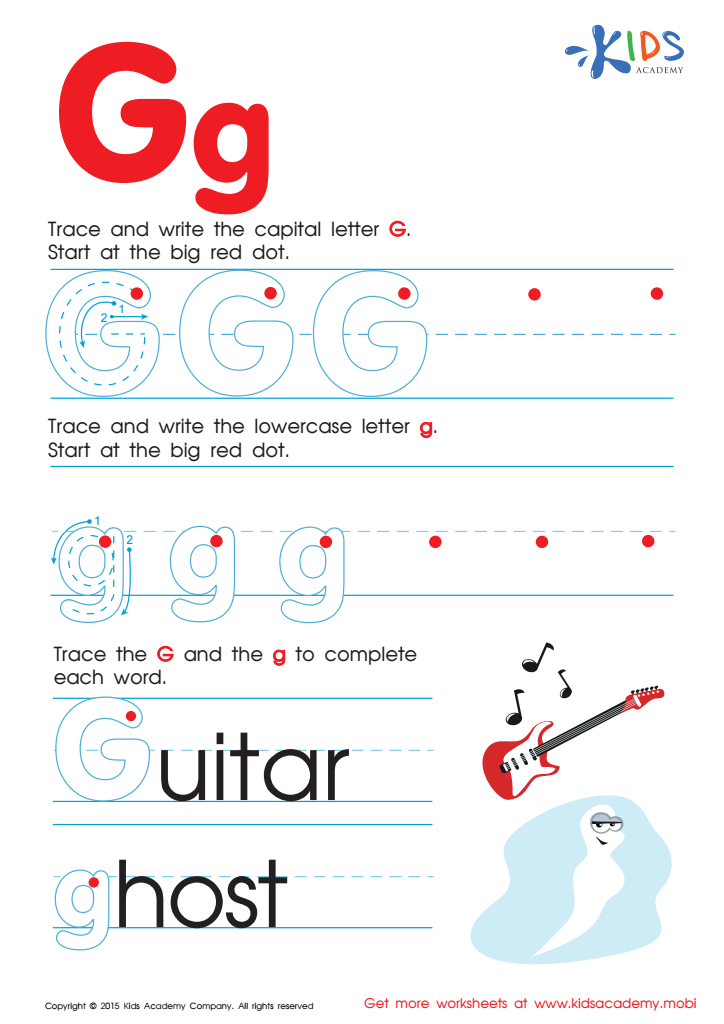
Letter G Tracing Page








Understanding letter formation and the ABC order is crucial for children aged 5-8 as it lays the foundation for effective literacy development. First, proper letter formation enhances writing skills. When children understand how to correctly form each letter, they build muscle memory that improves handwriting clarity and legibility. This is essential for effective communication as they progress in their education.
Furthermore, mastering ABC order promotes organizational skills and familiarity with the alphabet, which are vital for reading and language development. Recognizing that each letter has a specific place in the sequence helps children engage with alphabetical concepts, making it easier to access information, such as in dictionaries or encyclopedias.
Moreover, having a strong grasp of these basics boosts children’s confidence. As they learn to write letters accurately, they feel a sense of accomplishment that encourages further learning and practice. This early mastery often leads to a more positive attitude towards reading and writing, essential components of academic success.
For parents and teachers, investing time in reinforcing letter formation and ABC order can lead to improved literacy skills, fostering a love for learning that can support children throughout their educational journey.