Alphabet Recognition ABC Letters Worksheets for Ages 5-8 - Page 2
31 filtered results
-
From - To
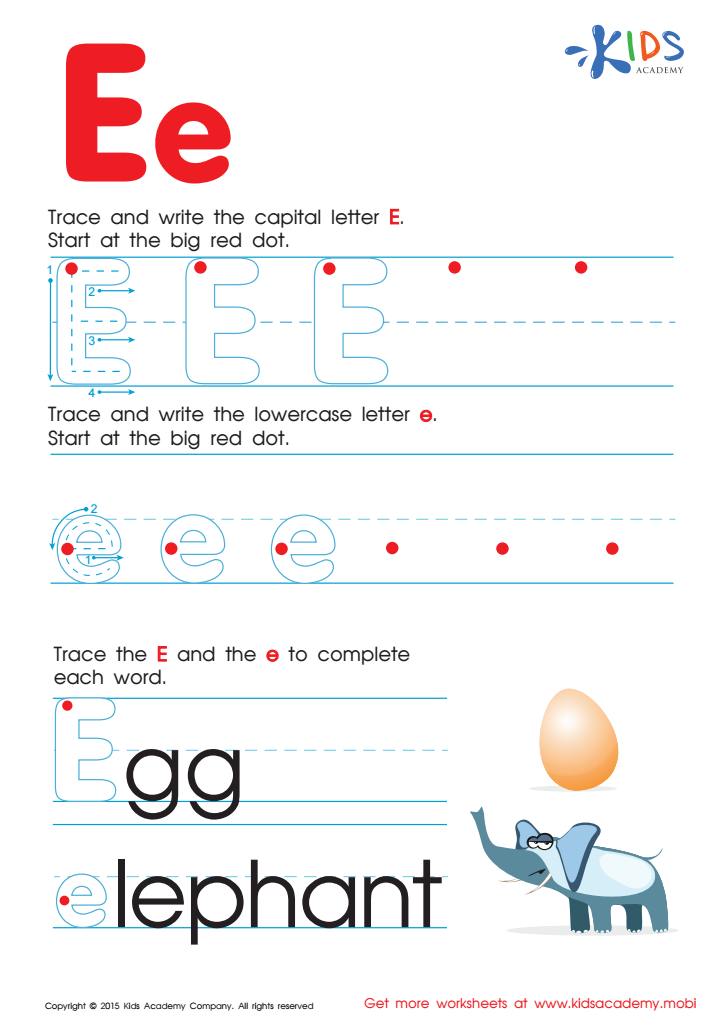
Letter E Tracing Page





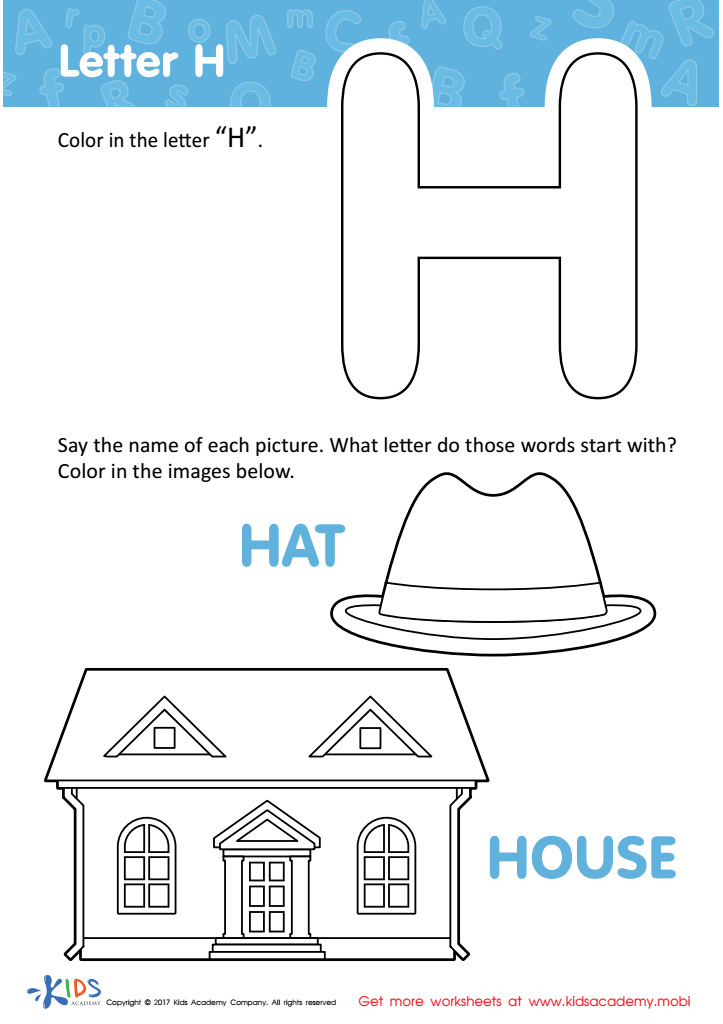
Letter H Coloring Sheet
 Assign to My Students
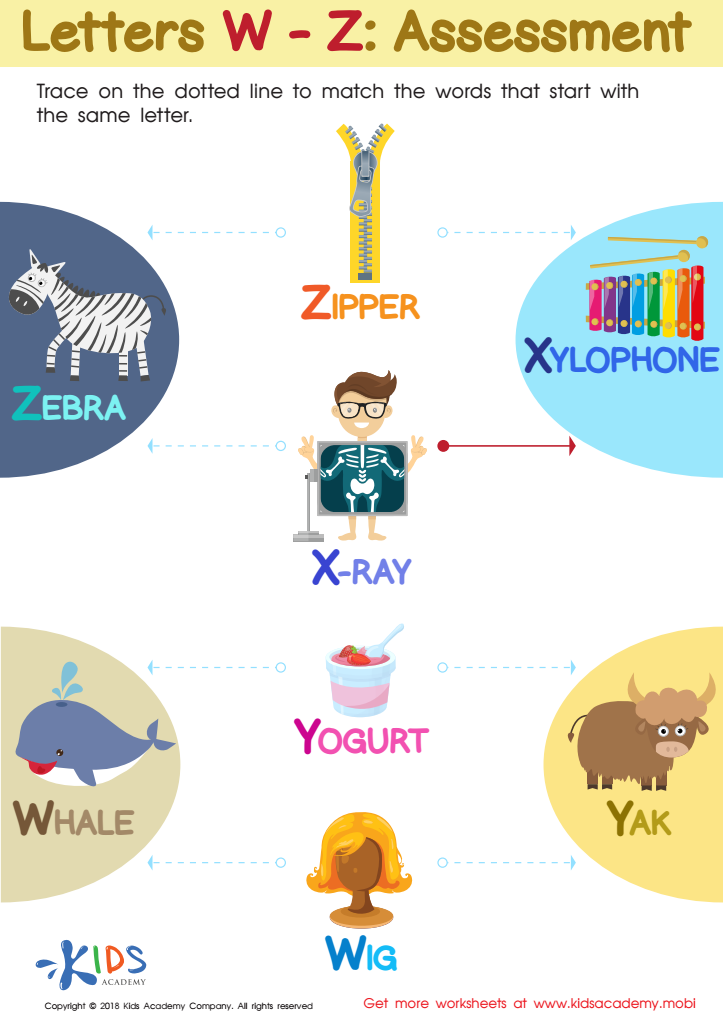
Letters W–Z Tracing Worksheet
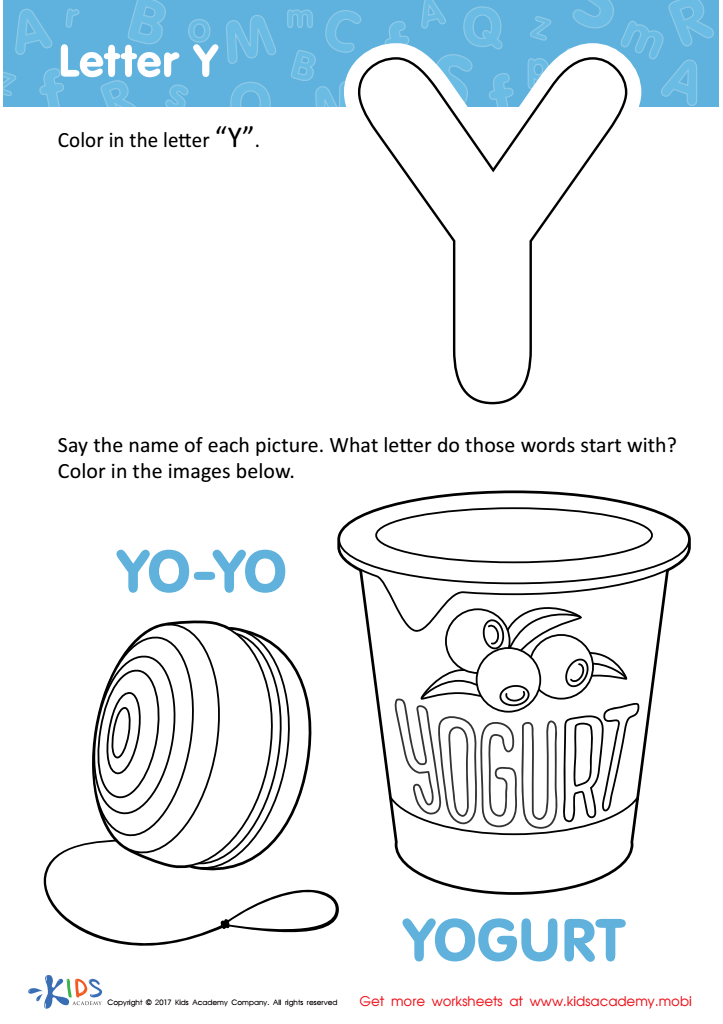
Letter Y Coloring Sheet
Assign to My Students
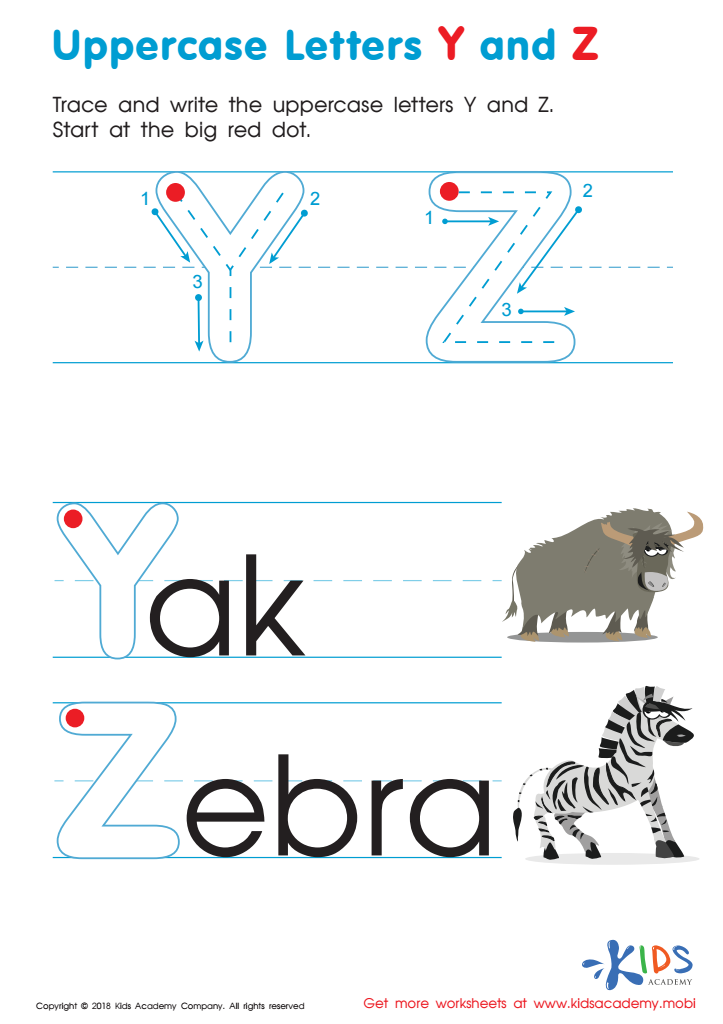
Uppercase Letters Y Z Worksheet
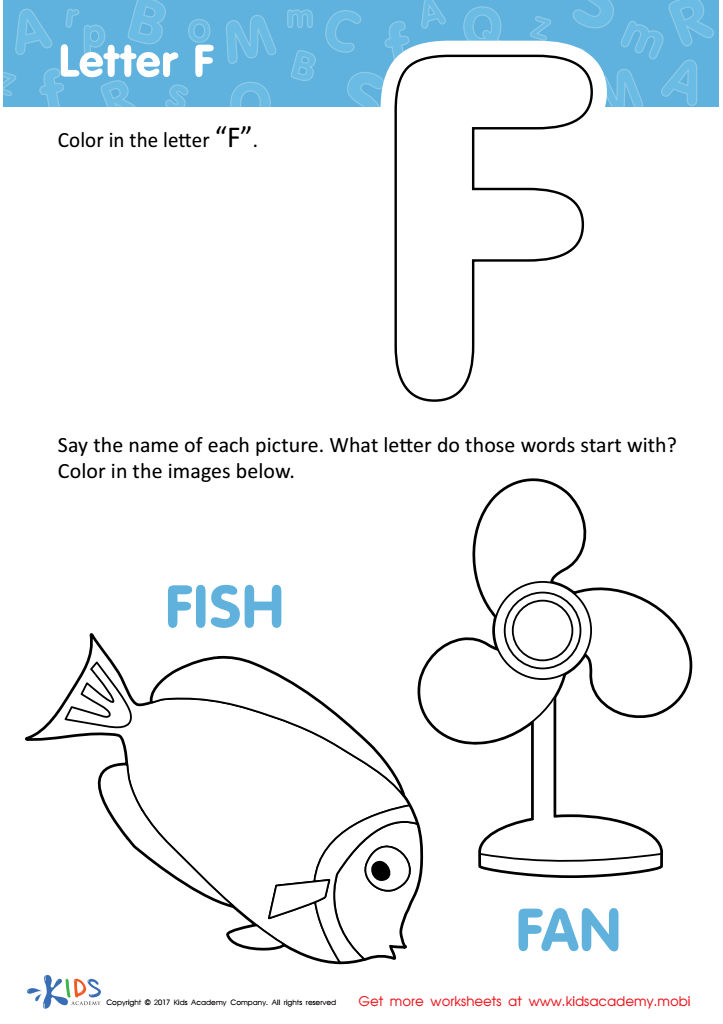
Letter F Coloring Sheet
Assign to My Students
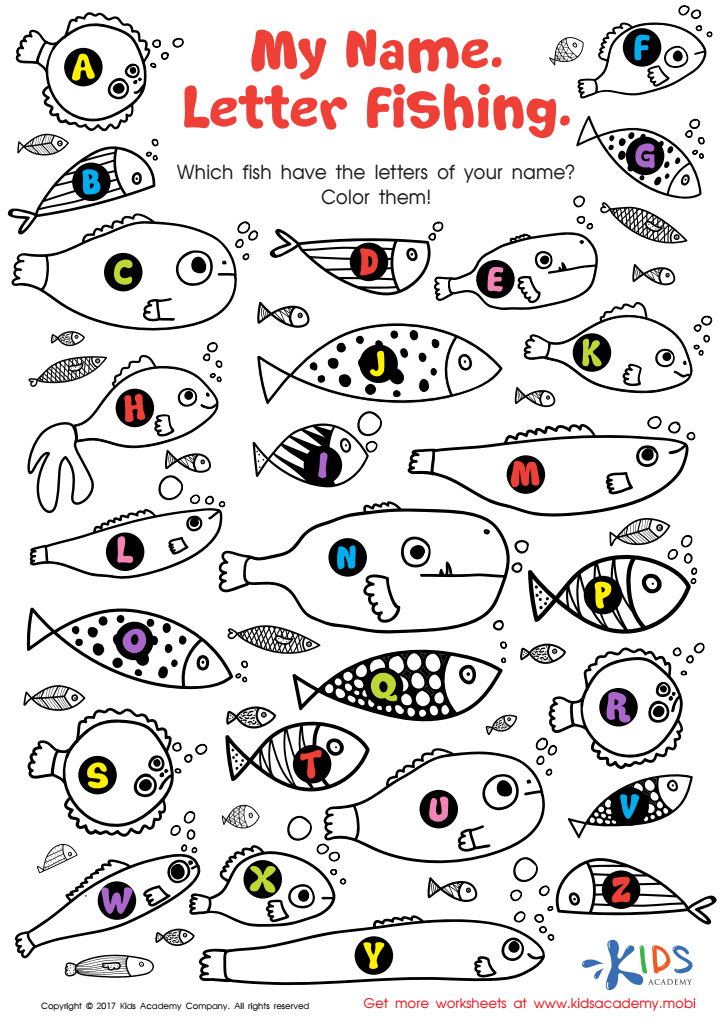
My Name: Letter Fishing Worksheet
Assign to My Students







Alphabet recognition is a critical milestone in a child's literacy development and serves as a foundation for many educational skills. Here's why parents and teachers should prioritize it for children aged 5-8:
First, recognizing letters is the stepping stone to reading and writing. It's essential for decoding words, understanding their meaning, and constructing sentences. Children who struggle with letter recognition often face difficulties in reading fluency and comprehension, which can impede overall academic progress.
Second, learning the alphabet enhances language skills. By familiarizing themselves with letters, children expand their vocabulary and word usage, which aids in effective communication. This becomes especially important as they navigate school lessons and interact socially.
Moreover, alphabet recognition promotes cognitive development. It involves memory, attention, and the ability to make connections between symbols and sounds. These skills are transferable to various learning contexts, improving problem-solving abilities and logical thinking.
Lastly, mastering the alphabet boosts a child's confidence and motivation. Each letter recognized and written correctly gives a sense of achievement, sparking a positive association with learning.
In conclusion, prioritizing alphabet recognition sets the stage for a child's future academic success. Parents and teachers play a pivotal role in fostering this foundational skill, ensuring children have the tools they need to excel in literacy and beyond.







