Fine motor skills development ABC Letters Worksheets for Ages 5-8
3 filtered results
-
From - To
Help your child enhance their fine motor skills with our engaging ABC Letters Worksheets, specifically designed for ages 5-8. These worksheets offer a variety of fun, letter-based activities that promote hand-eye coordination and precision. Young learners will enjoy tracing, writing, and coloring each letter, fostering not only motor skills but also letter recognition and early literacy. Perfect for at-home practice or classroom reinforcement, our expertly crafted worksheets ensure each child develops the foundational skills essential for academic success. Watch as your child’s confidence grows with every completed activity. Discover the joy of learning with our Fine Motor Skills Development ABC Letters Worksheets today!
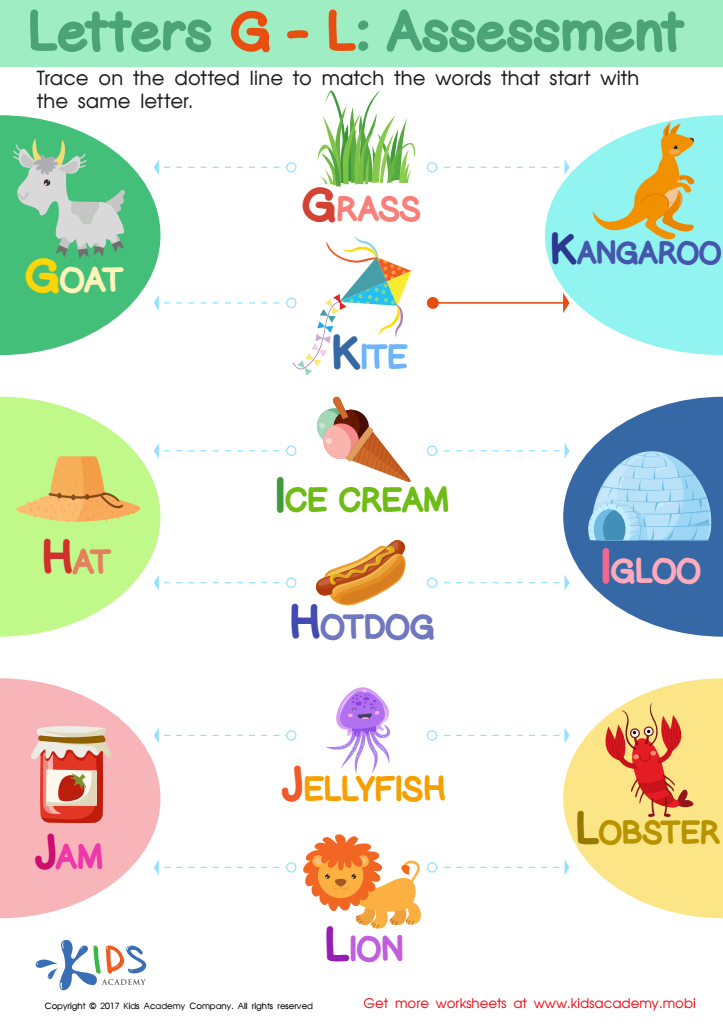
Letters G-L Worksheet










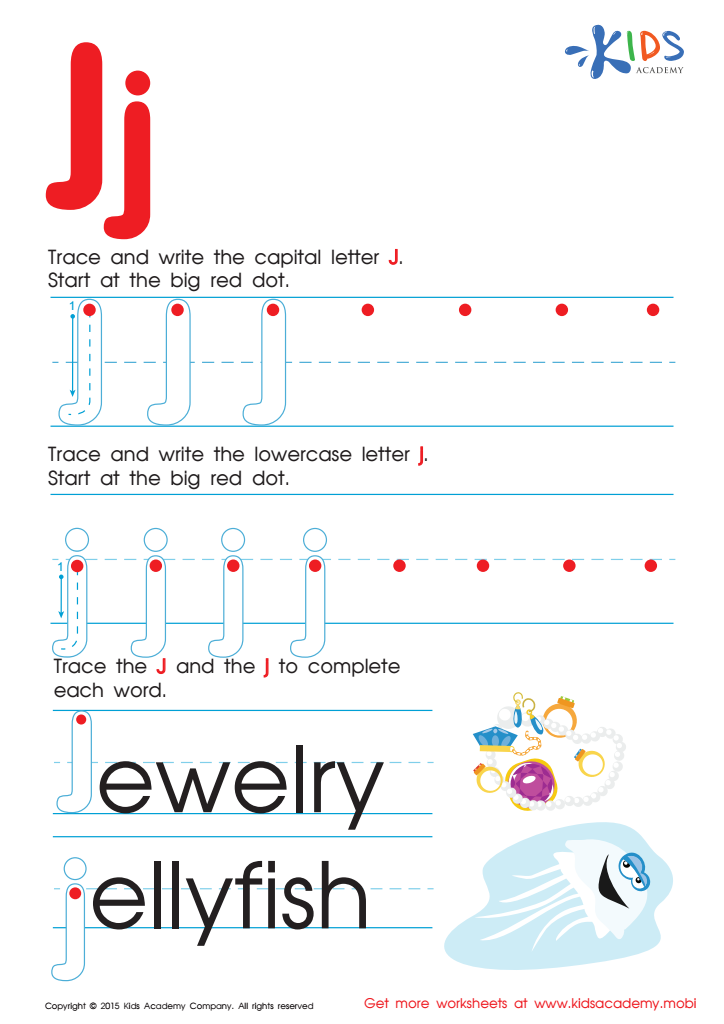
Letter J Tracing Page
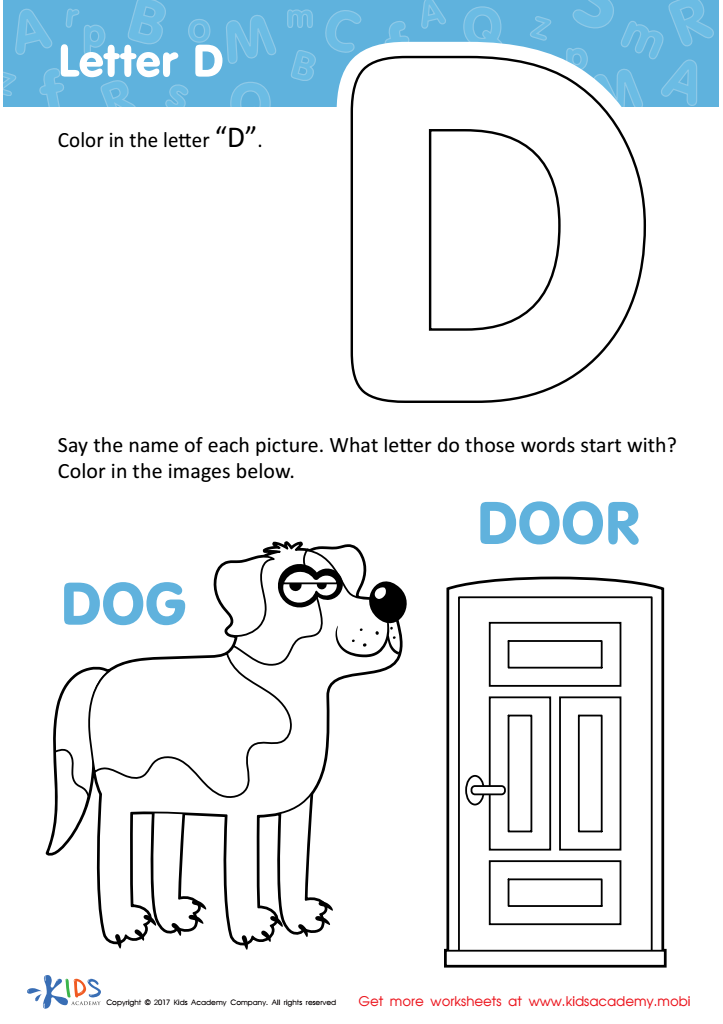
Letter D Coloring Sheet
 Assign to My Students






Fine motor skills development, including mastering ABC letters, is crucial for children aged 5-8 because it forms the foundation for essential life skills and longer-term educational success. Fine motor skills involve the coordination of small muscles in movements, typically involving the synchronization of hands and fingers with the eyes. By focusing on ABC letters, children practice precision and control, fundamental for handwriting.
Developing these skills allows a child to perform everyday tasks independently, such as buttoning clothes, tying shoelaces, and using utensils. Without well-developed fine motor abilities, children may struggle with these activities, leading to frustration and reduced self-esteem.
Moreover, good fine motor coordination is closely tied to academic performance. Writing letters helps children not just in forming grammatically correct sentences but also in overall literacy, supporting their abilities in spelling, grammar, and composition. When children can write effectively, they can better express their ideas and engage in classroom activities, fostering a positive learning experience.
Challenging children's fine motor abilities during these formative years also supports cognitive development, as engaging in intricate tasks requires planning, sequencing, and attention to detail. Therefore, focusing on fine motor skills via activities like tracing and writing ABC letters equips children with the necessary tools to thrive both academically and in daily life.







