Letter recognition ABC Letters Worksheets for Ages 5-8 - Page 2
31 filtered results
-
From - To
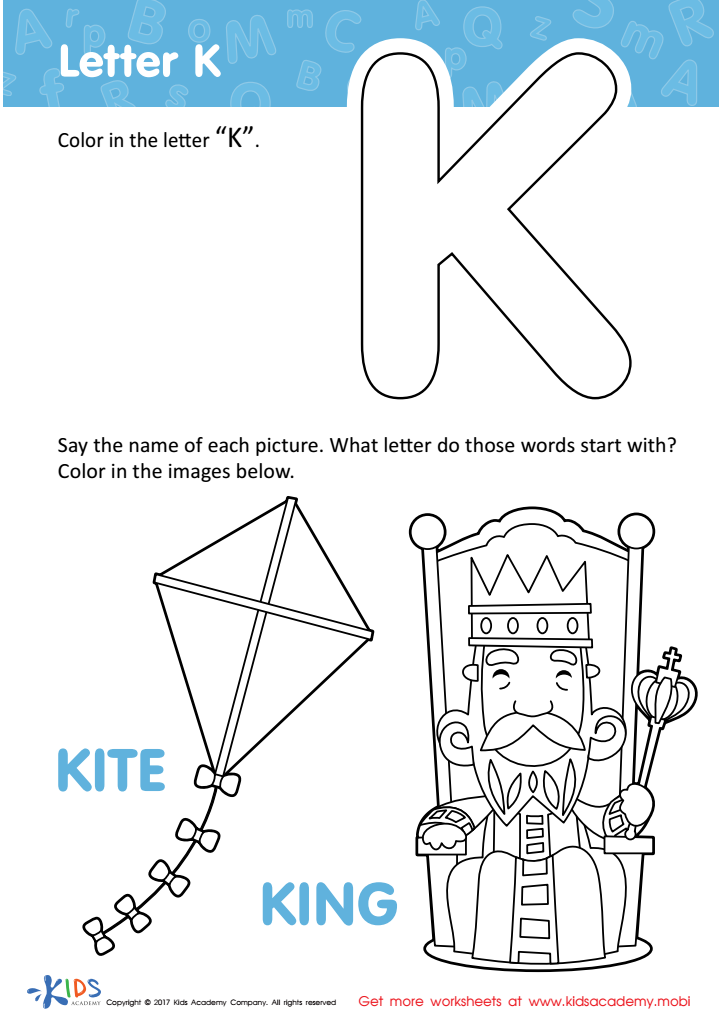
Letter K Coloring Sheet
 Assign to My Students





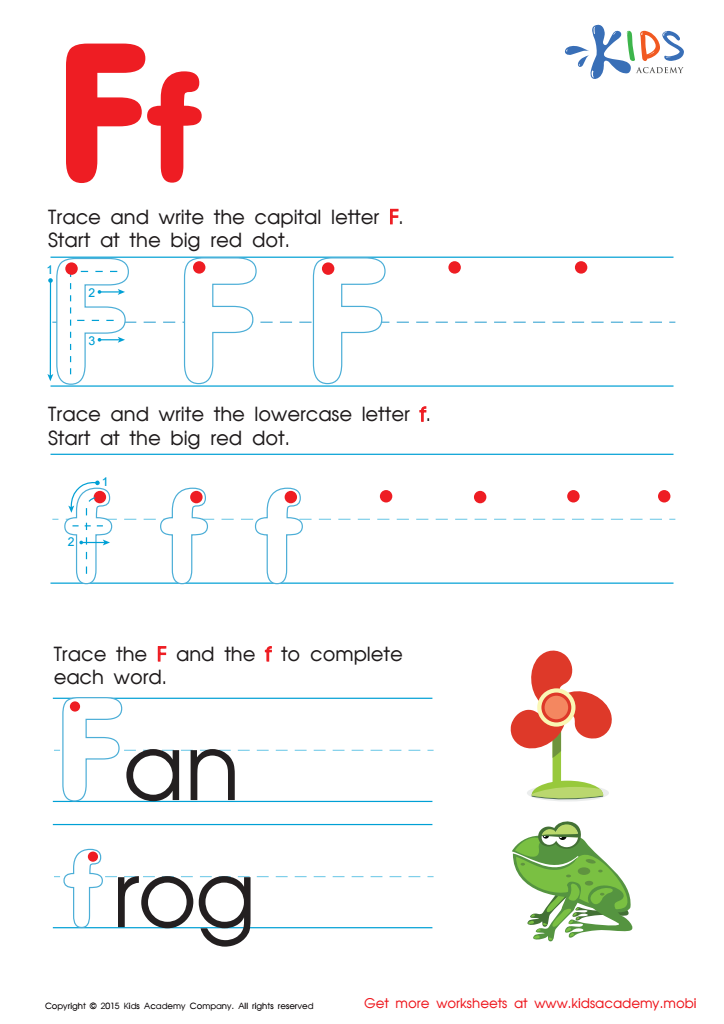
Letter F Tracing Page
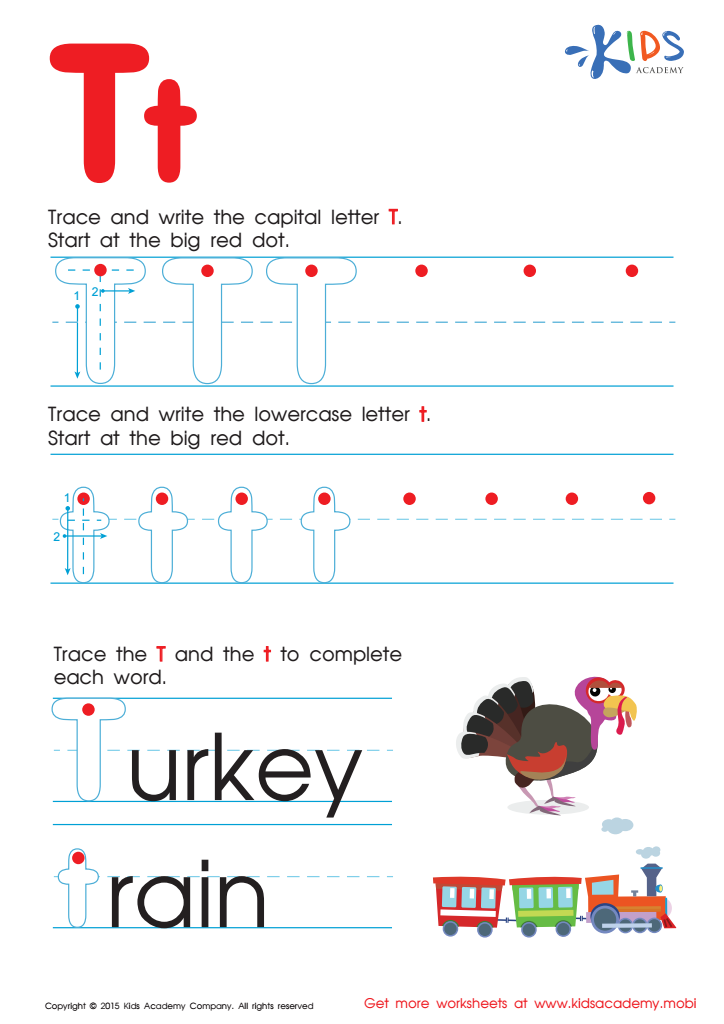
Letter T Tracing Page
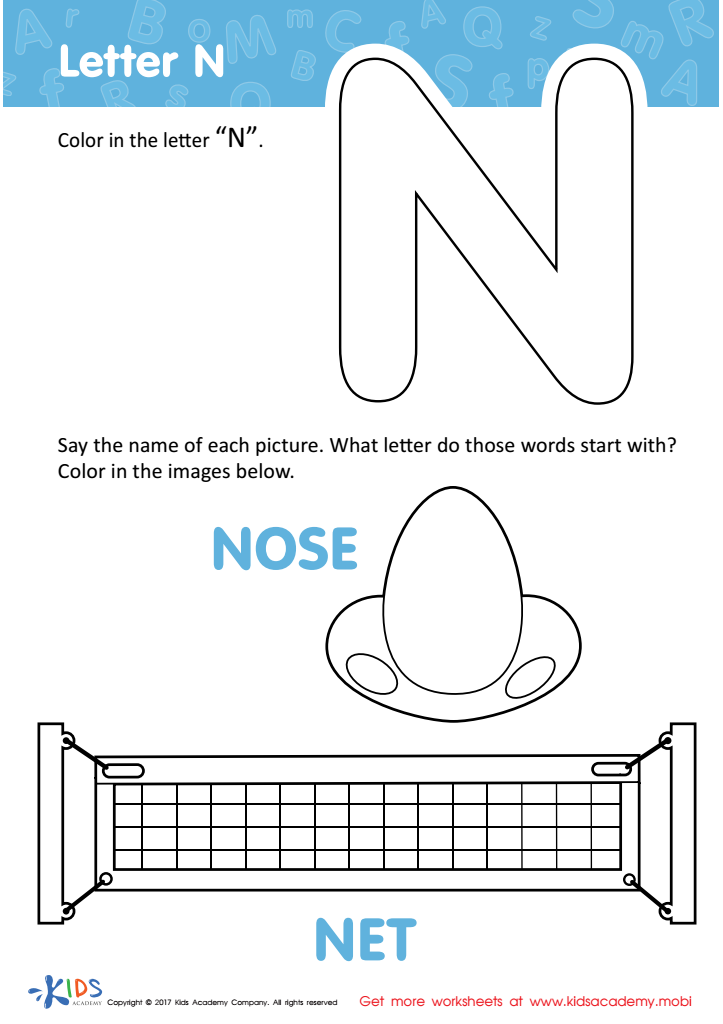
Letter N Coloring Sheet
Assign to My Students
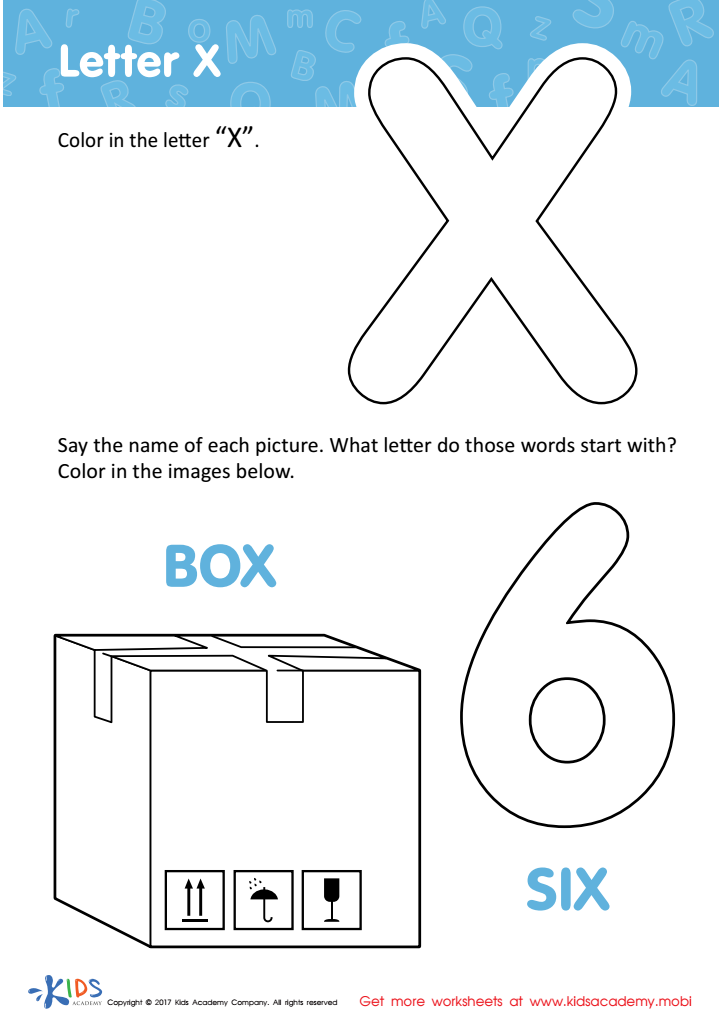
Letter X Coloring Sheet
Assign to My Students

Letter D Tracing Page
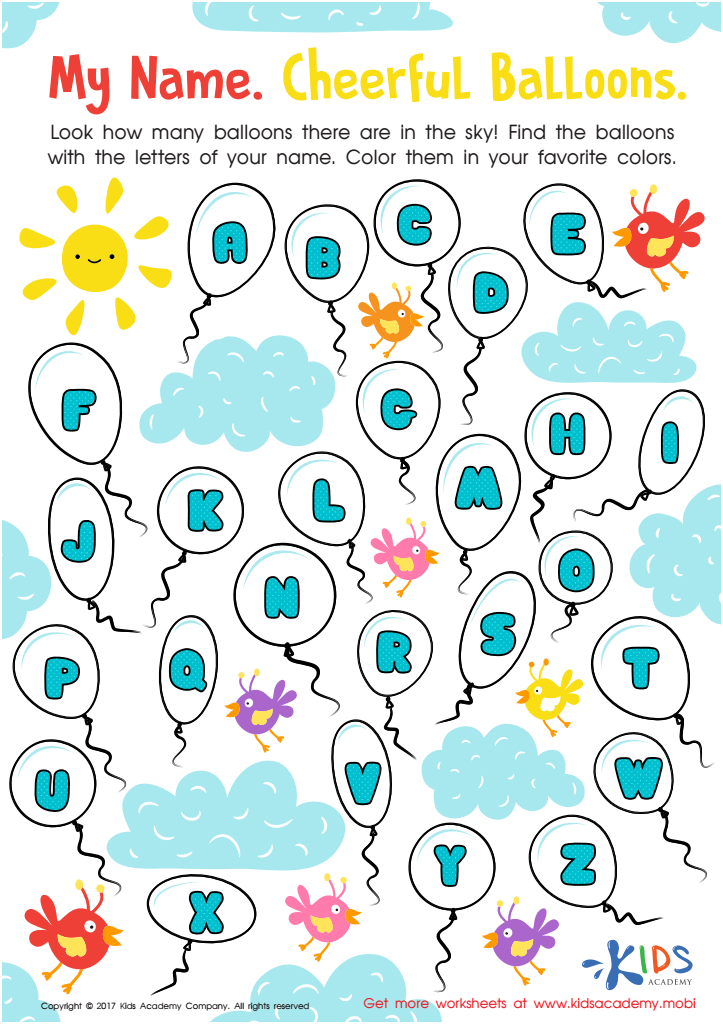
My Name: Cheerful Balloons Worksheet
Assign to My Students








Letter recognition is a foundational skill in early literacy that sets the stage for successful reading and writing. For children aged 5-8, being able to recognize ABC letters is crucial because it serves as the building block for more complex language skills. When children learn to identify letters, they begin to understand the connection between letters and sounds. This phonemic awareness helps them decode words, which is essential for reading fluency.
Additionally, letter recognition enhances children’s ability to write. Knowing how letters look and being able to differentiate them helps children spell words correctly and make sense of texts. Mastery of the alphabet also boosts a child’s confidence, encouraging a positive attitude towards learning.
From a cognitive development perspective, learning letters supports memory and concentration, as children often engage in activities like singing alphabet songs, playing letter-matching games, or tracing letters. These activities strengthen neural connections in the brain, which are beneficial for other learning domains beyond literacy.
For parents and teachers, supporting letter recognition paves the way for academic success. Literacy impacts all subjects, as most learning relies on reading comprehension. Early intervention can prevent future learning difficulties, making letter recognition a critical homework or classroom focus. Therefore, investing time and resources in teaching children their ABCs yields long-term educational benefits.







