Phonics practice Consonants Worksheets for Ages 5-8
5 filtered results
-
From - To
Welcome to our "Phonics Practice Consonants Worksheets" designed for children ages 5-8! Our engaging worksheets help young learners master consonant sounds through fun activities. With a variety of phonics exercises, including letter recognition, sound association, and word building, these worksheets ensure an interactive learning experience. Kids will develop critical reading and comprehension skills while boosting their confidence. Each worksheet promotes hands-on practice, making phonics not only educational but enjoyable. This comprehensive resource is perfect for educators and parents looking to enhance their child's literacy journey. Dive into our collection today and watch your child thrive in their phonics skills!
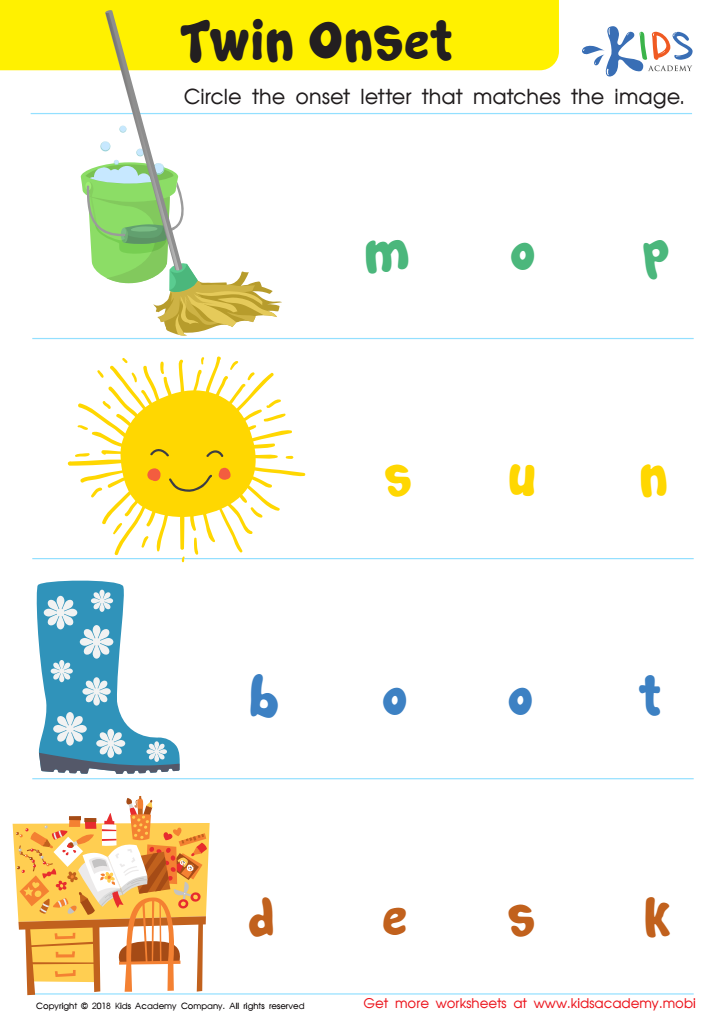
Twin Onset Worksheet
 Assign to My Students
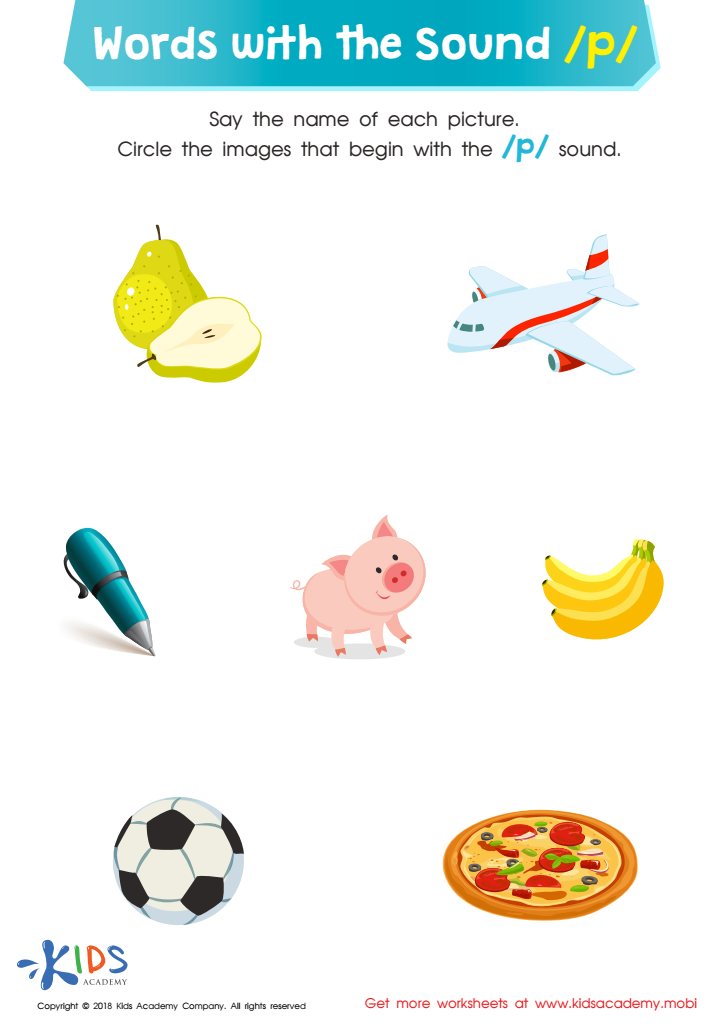
Words with sound p Reading Worksheet
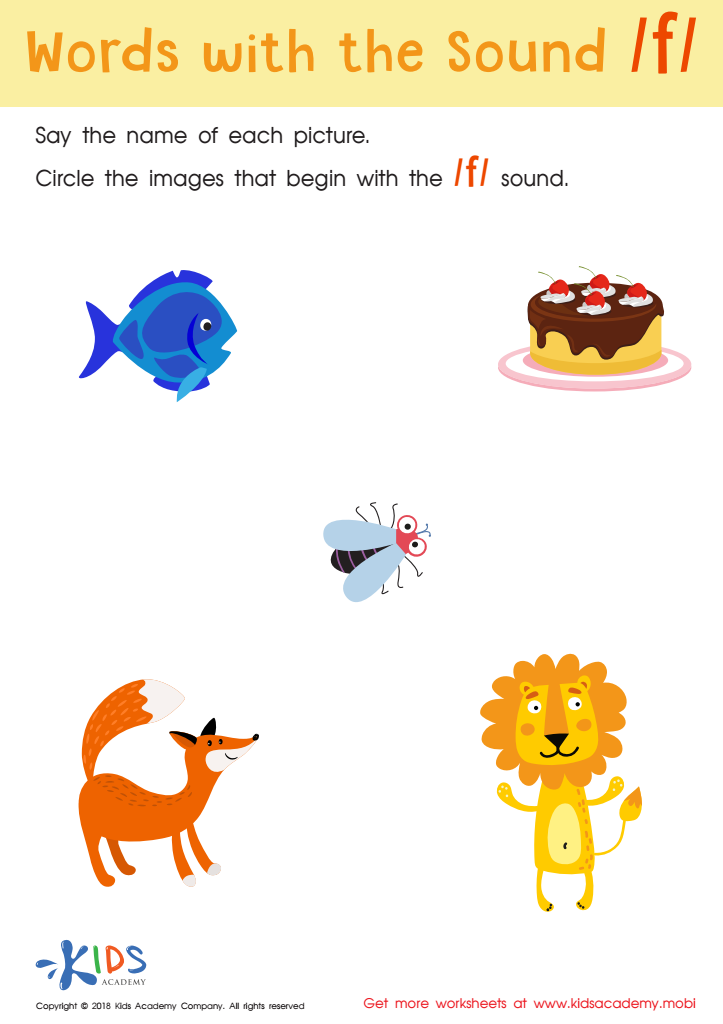
Words with sound f Reading Worksheet
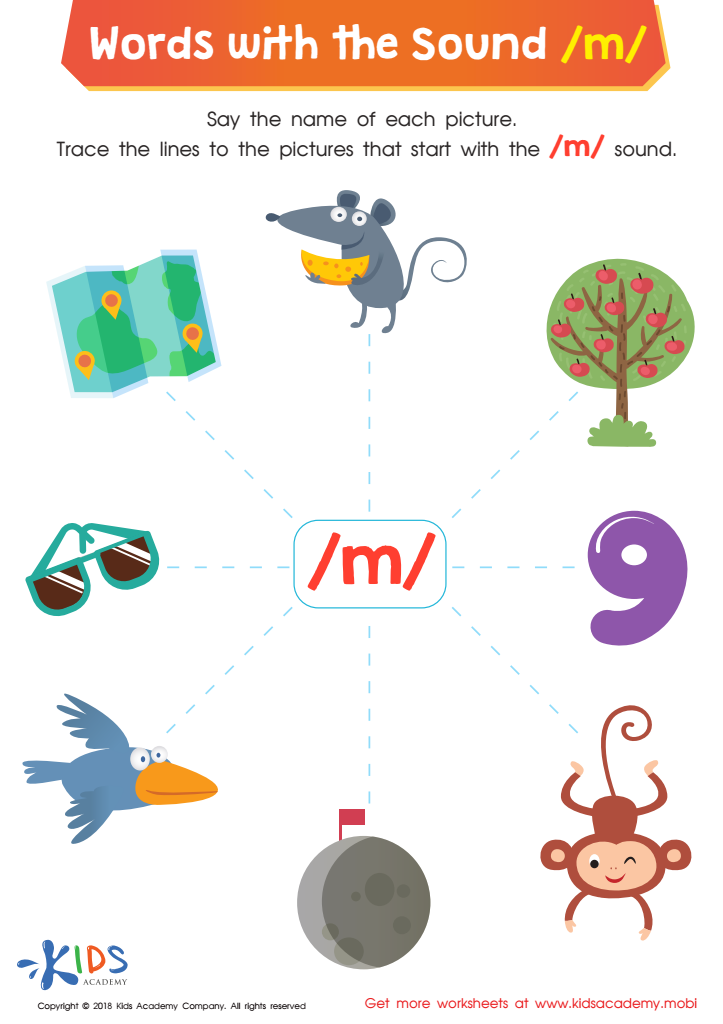
Words with Sound M Reading Worksheet
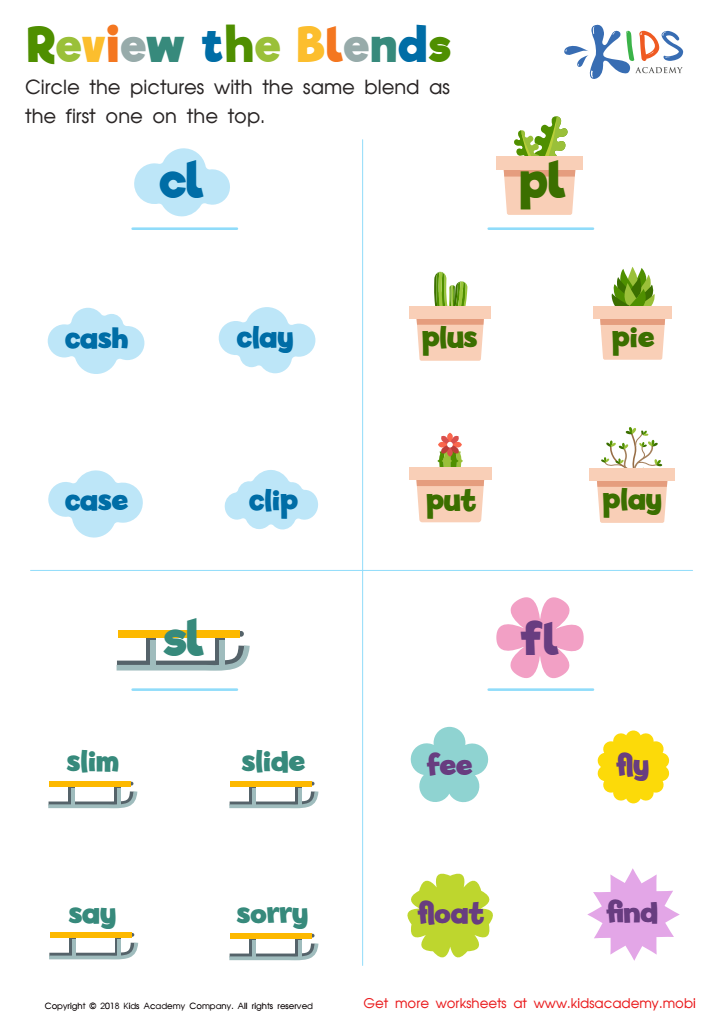
Review the Blends Worksheet



Phonics practice, particularly with consonants, is crucial for children aged 5-8 because it lays the foundational skills for reading and writing. During these formative years, children are developing their literacy skills, and an understanding of consonant sounds helps them decode words. Phonics teaches children how letters and sounds correspond, which empowers them to tackle unfamiliar words independently.
Moreover, mastering consonants through phonics nurtures vocabulary acquisition and effective spelling skills. As children learn to blend consonant sounds with vowels, they gain the ability to form syllables, paving the way for reading fluency and comprehension.
Engaging in systematic phonics activities fosters confidence and a positive attitude towards literacy. Children are more likely to enjoy reading when they can easily recognize and pronounce words, encouraging a love for books and learning. This interest in reading can significantly contribute to their academic success as they progress in school.
In addition, phonics instruction promotes cognitive development, enhancing memory, focus, and auditory discrimination. For parents and teachers, investing time in phonics practice ensures that children not only excel in their literacy skills but also develop critical thinking abilities essential for lifelong learning.







