Vocabulary enhancement Consonants Worksheets for Ages 5-8
8 filtered results
-
From - To
Unlock your child's potential with our Vocabulary Enhancement Consonants Worksheets designed for ages 5-8! These engaging, expertly crafted worksheets from Kids Academy focus on strengthening young learners' understanding of consonants while boosting their vocabulary skills. Each activity combines fun illustrations with interactive exercises that encourage reading, writing, and phonics practice. Perfect for early grade students, these worksheets support classroom learning, offering greater mastery of words and their meanings. Ideal for parents and teachers aiming to provide a solid foundation in language arts, our comprehensive consonants worksheets make learning an exciting journey! Explore today for enhanced linguistic development!
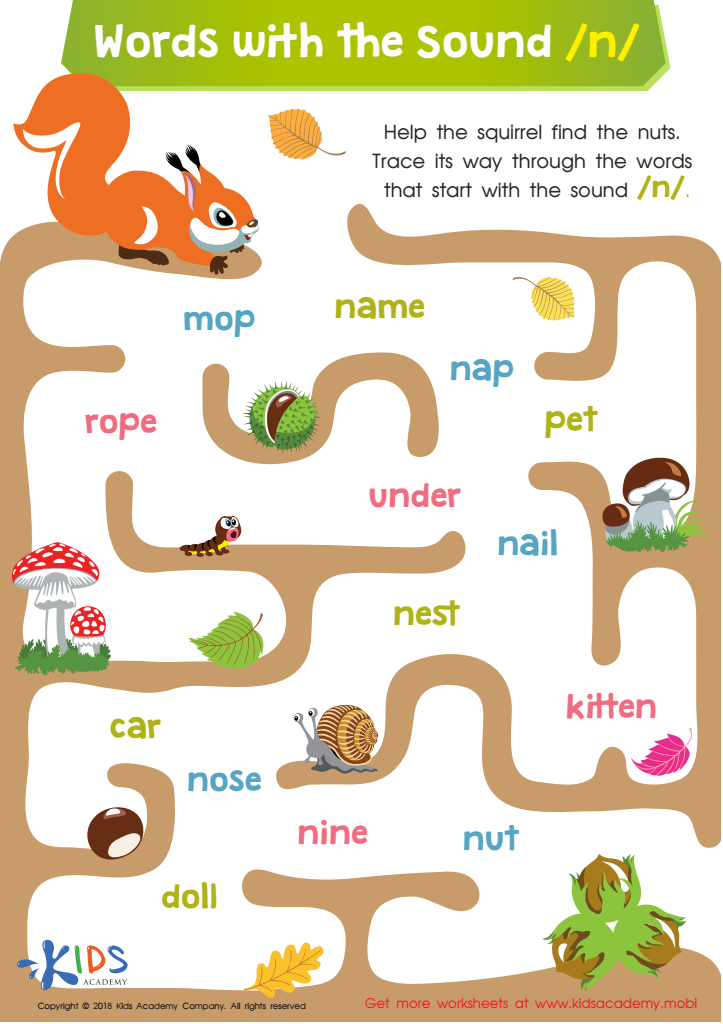
Words with Sound N Reading Worksheet
 Assign to My Students
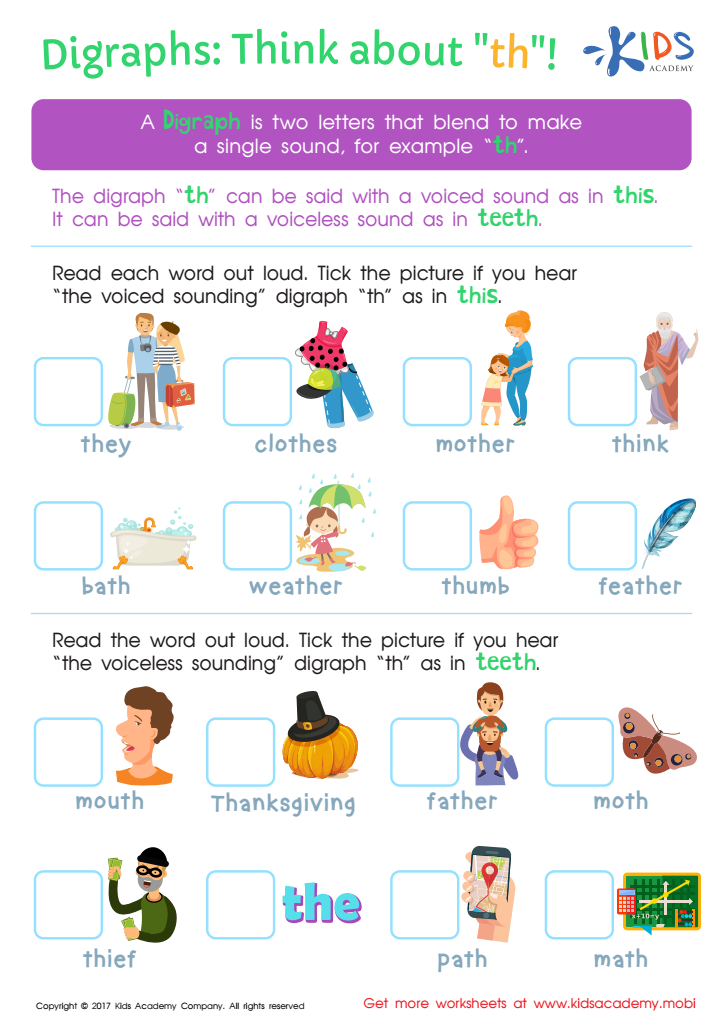
Digraphs: Think About "th" Worksheet
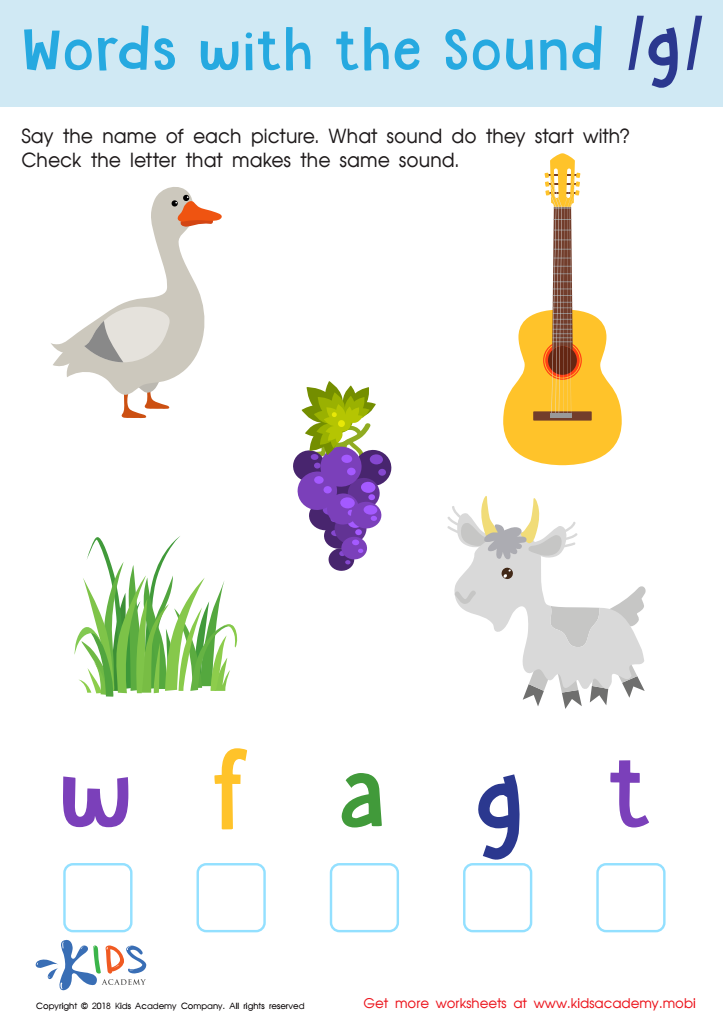
Words with sound g Reading Worksheet
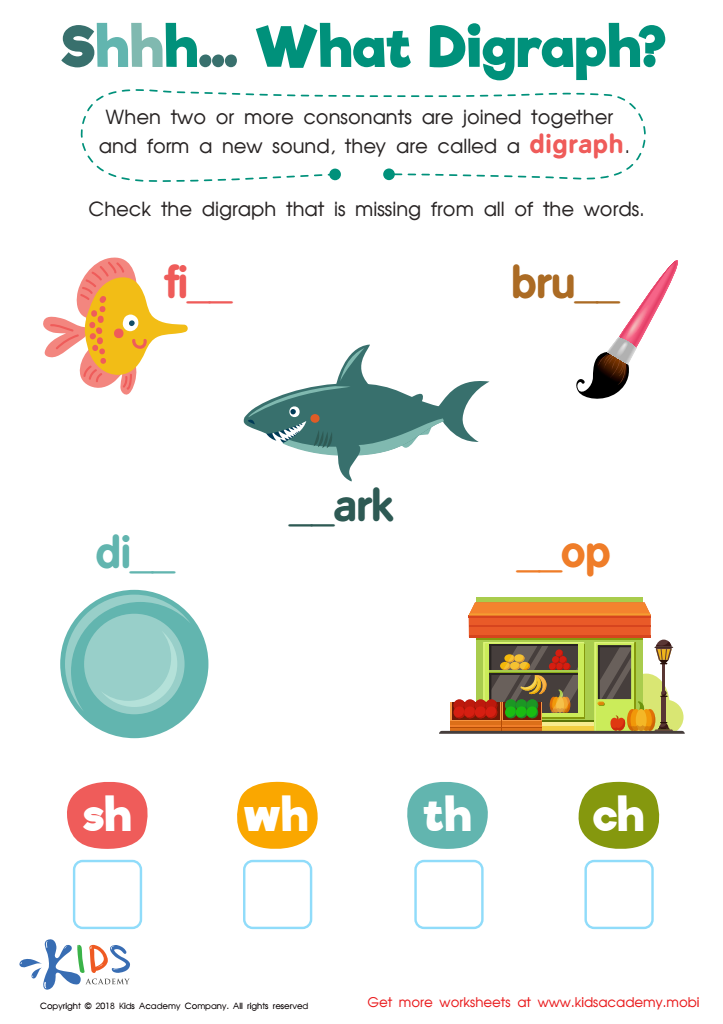
Shhh... What Digraph? Worksheet
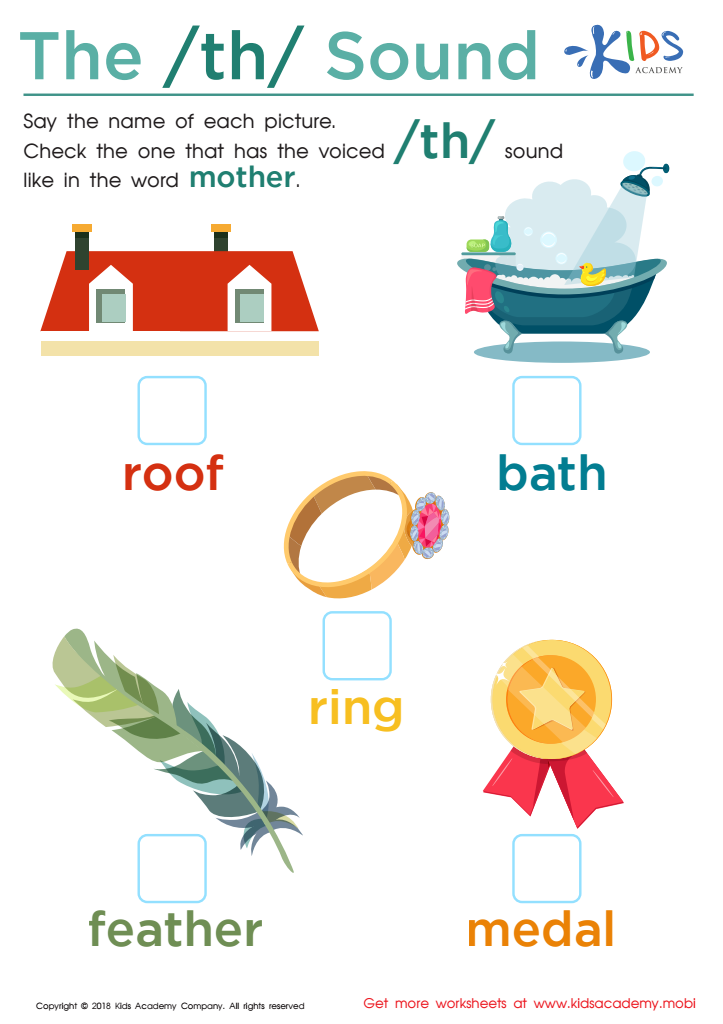
The /th/ Sound Worksheet
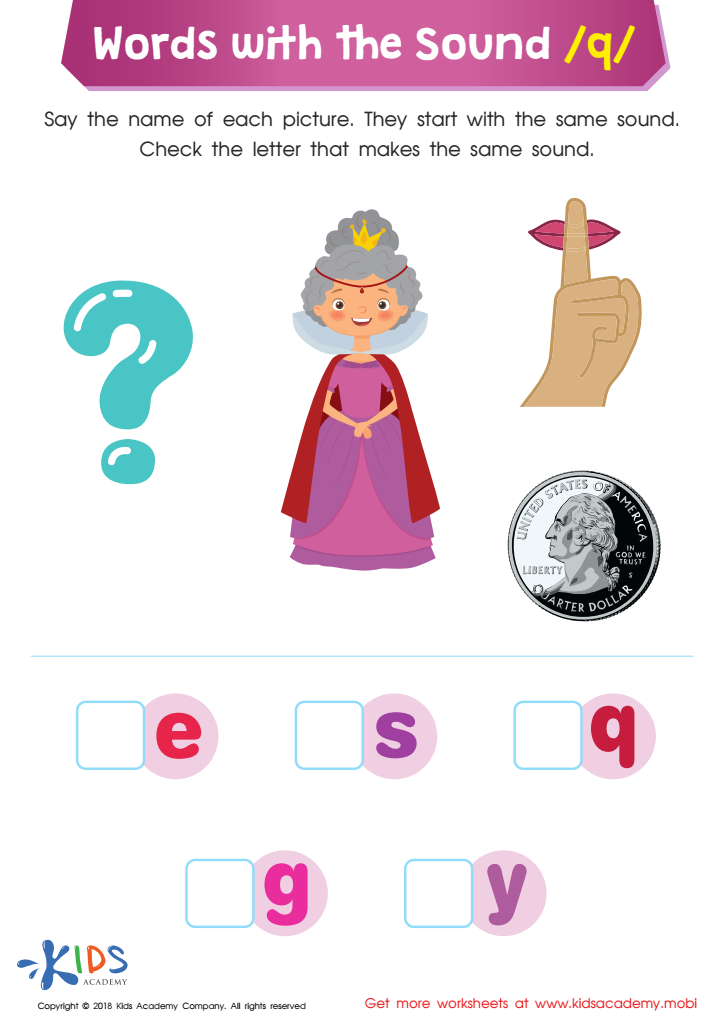
Words with Sound Q Reading Worksheet
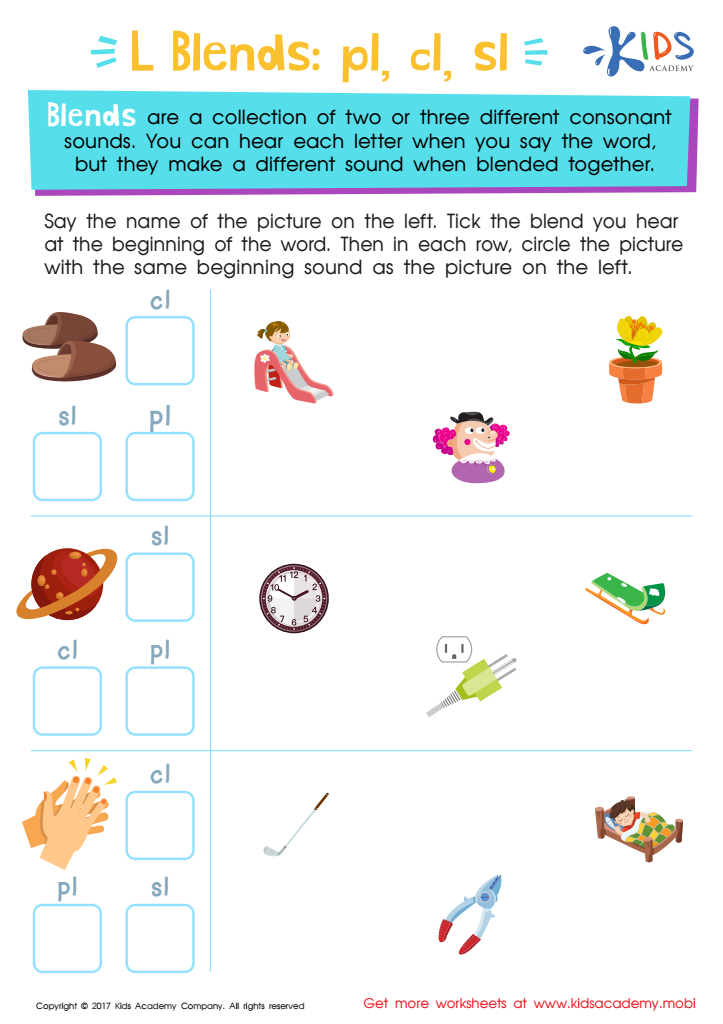
L Blends: "Pl", "Cl" and "Sl" Printable
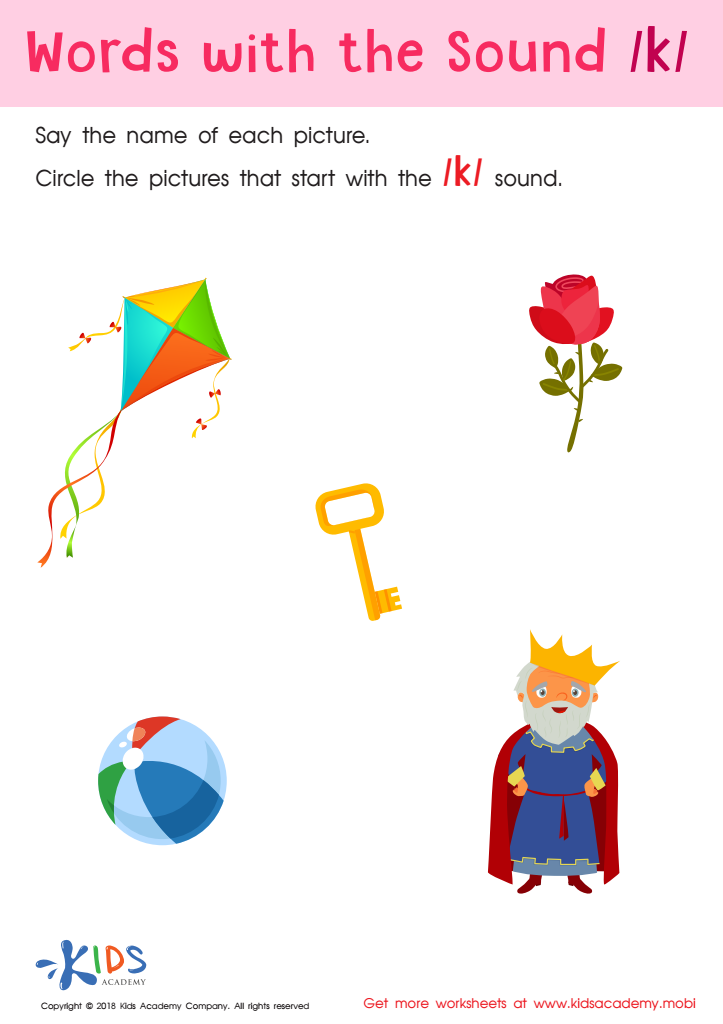
Words with sound k Reading Worksheet



Vocabulary enhancement and understanding consonants are fundamental for children aged 5-8 as these foundational skills significantly impact their overall literacy development. At this age, children transition from learning to read to reading to learn. A strong vocabulary is crucial because it not only helps children decode words but also enhances comprehension, expression, and communication. When children understand more words, they can grasp more concepts and follow instructions more easily, paving the way for academic success.
Focusing on consonants is equally important. Consonants form the basic building blocks of words. By mastering these sounds, children develop their phonological awareness, which is the ability to hear and manipulate sounds in words. This skill is vital for spelling and reading fluency. Activities that strengthen their recognition of consonant sounds and how they combine with vowels aid in word formation. This understanding can prevent reading difficulties down the line.
Parents and teachers are instrumental in providing rich verbal interactions, reading opportunities, and engaging activities tailored to enhance vocabulary and phonics. These efforts lay the groundwork for confident, proficient readers and communicators, setting children up for lifelong learning and success. Prioritizing these aspects during these formative years ensures that children are well-prepared for more complex language tasks in the future.







