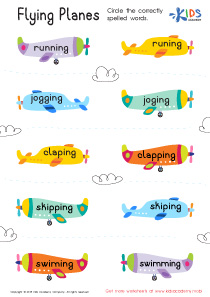
Vocabulary development Elementary Phonics Worksheets for Ages 5-8
4 filtered results
-
From - To
Enhance your child’s vocabulary with our engaging Elementary Phonics Worksheets designed especially for ages 5-8! These printable resources focus on developing essential phonetic skills while building a robust vocabulary. Our carefully crafted exercises support early literacy through fun and interactive activities that make learning enjoyable. From identifying sounds and letters to completing fun word challenges, these worksheets foster proper pronunciation and comprehension. Ideal for classroom settings or at-home practice, our vocabulary development tools empower young learners to confidently express themselves. Unlock the world of words today and give your child a strong foundation for future reading success with our phonics worksheets!
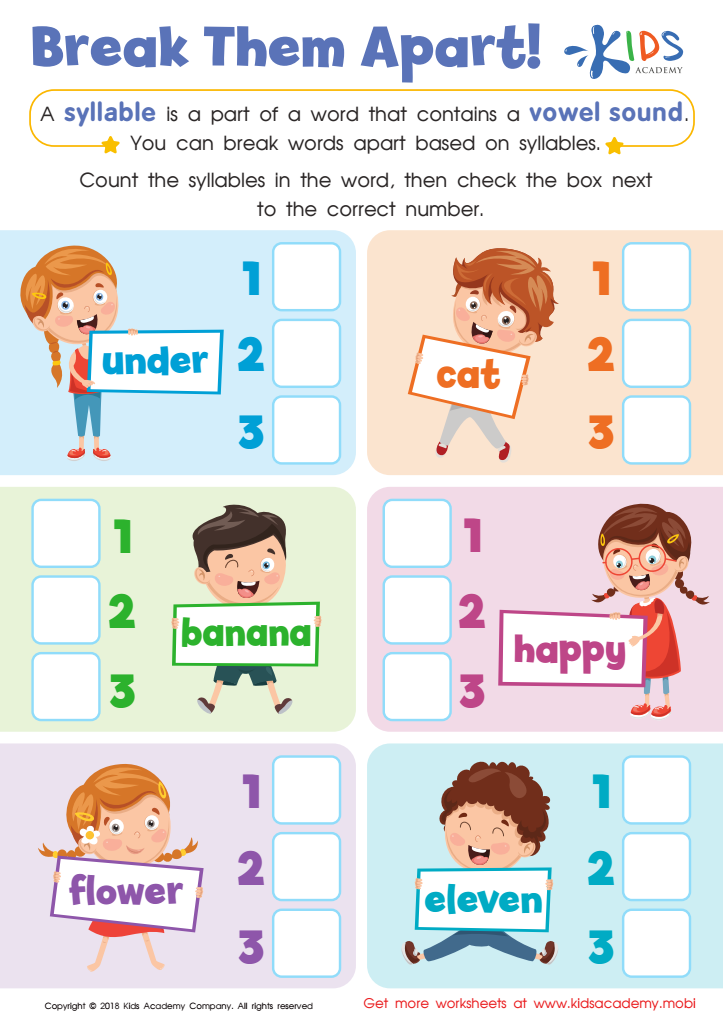
Reading: Break Them Apart Worksheet
 Assign to My Students
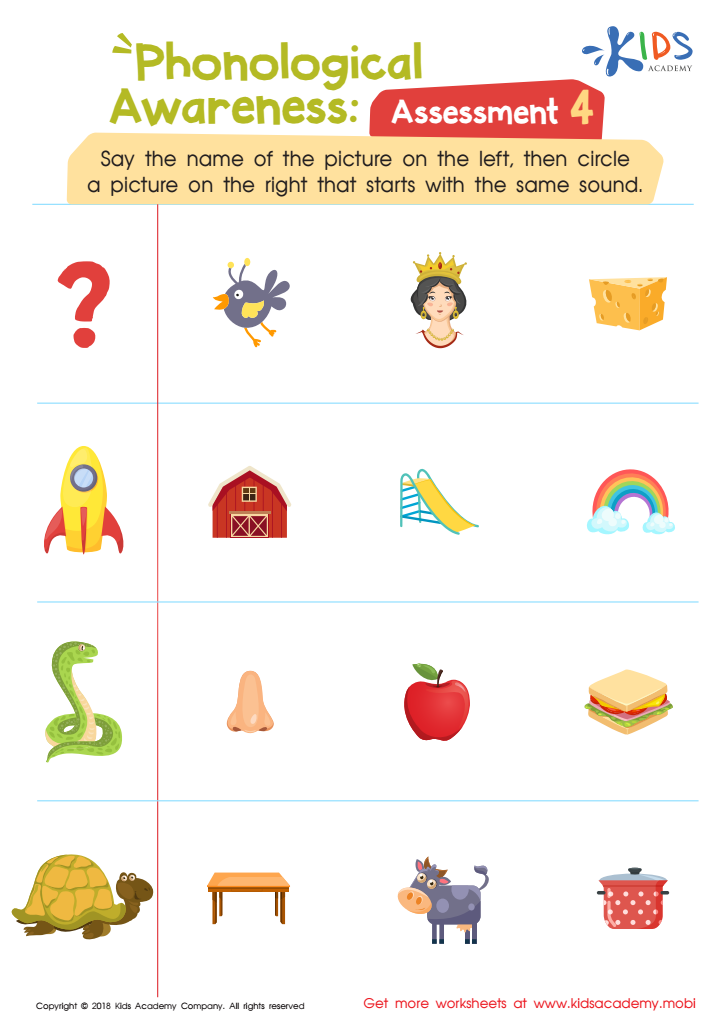
Phonological Awareness: Assessment 4 Worksheet
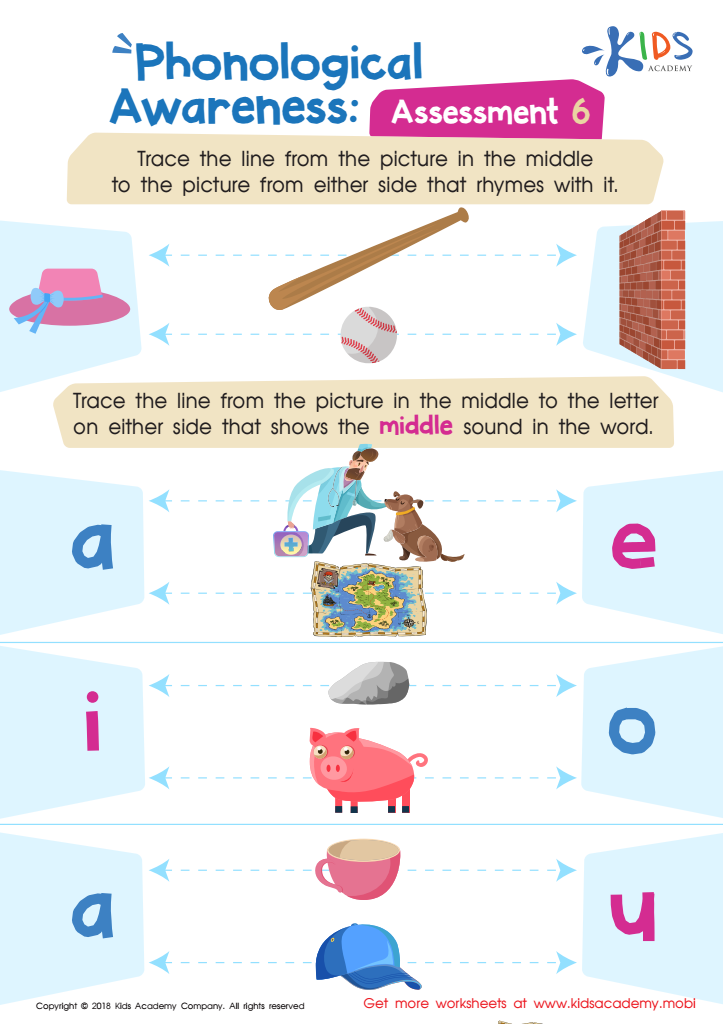
Phonological Awareness: Assessment 6 Worksheet
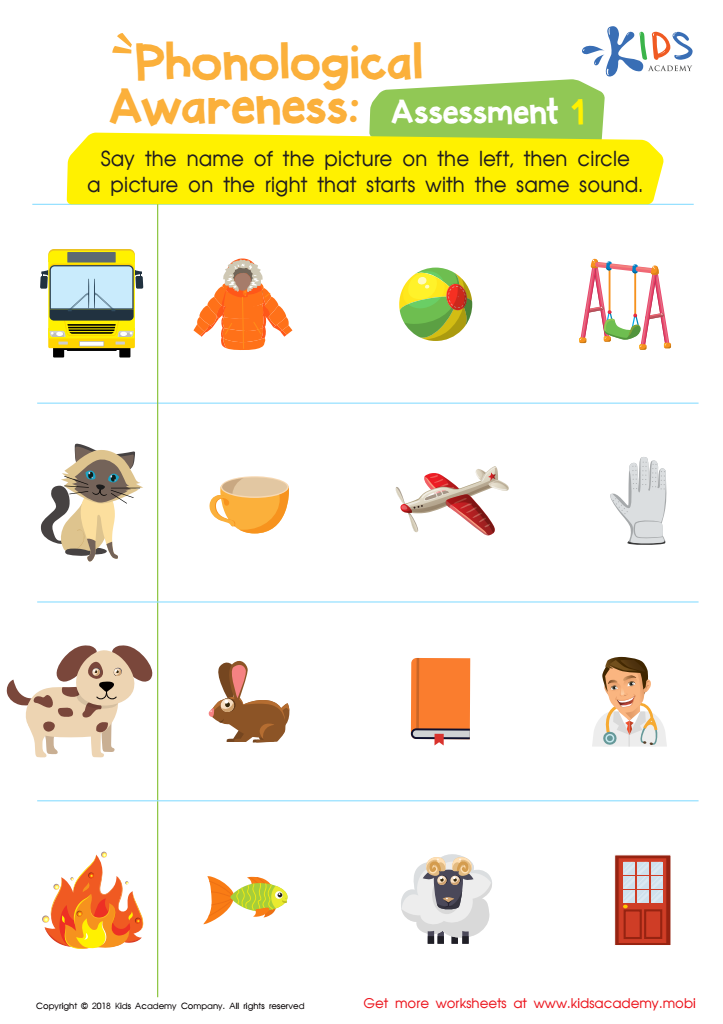
Phonological Awareness: Assessment 1 Worksheet




Vocabulary development and phonics are crucial in the early educational journey of children aged 5-8. At this stage, children are rapidly acquiring language skills which lay the foundation for their future academic success. A robust vocabulary is key for effective communication and comprehension, enabling children to articulate their thoughts, understand instructions, and engage with texts.
Phonics instruction complements vocabulary development by teaching children the relationship between letters and sounds, aiding them in decoding words. This skill not only enhances reading fluency but also bolsters their ability to decode unfamiliar words, supporting independent reading.
Additionally, a strong vocabulary can improve writing skills, as children learn to express ideas more creatively and precisely. For parents and teachers, fostering lexical growth can result in well-rounded learners who are more confident in their interactions and academically adept.
Engaging children in rich language experiences—through reading, discussions, and play—can significantly impact their vocabulary development. By prioritizing phonics and vocabulary, adults can empower young learners to become lifelong readers and successful communicators, establishing a solid foundation for future learning across all subjects.