Hand-eye Coordination Alphabet Worksheets for Ages 5-8 - Page 2
28 filtered results
-
From - To
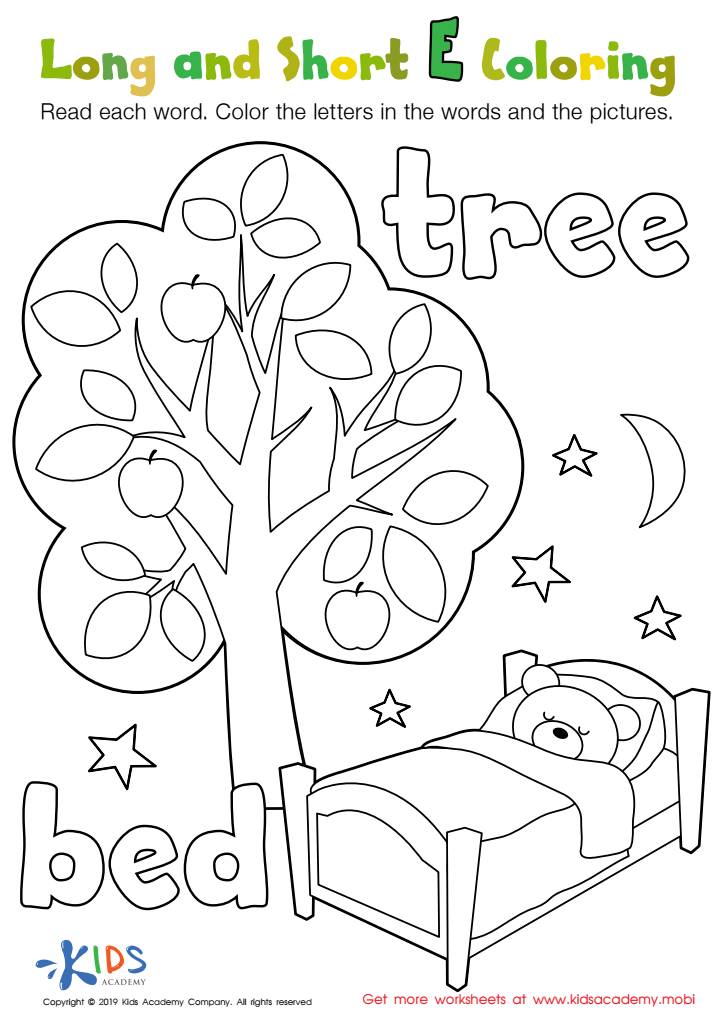
Long and Short E Worksheet
 Assign to My Students
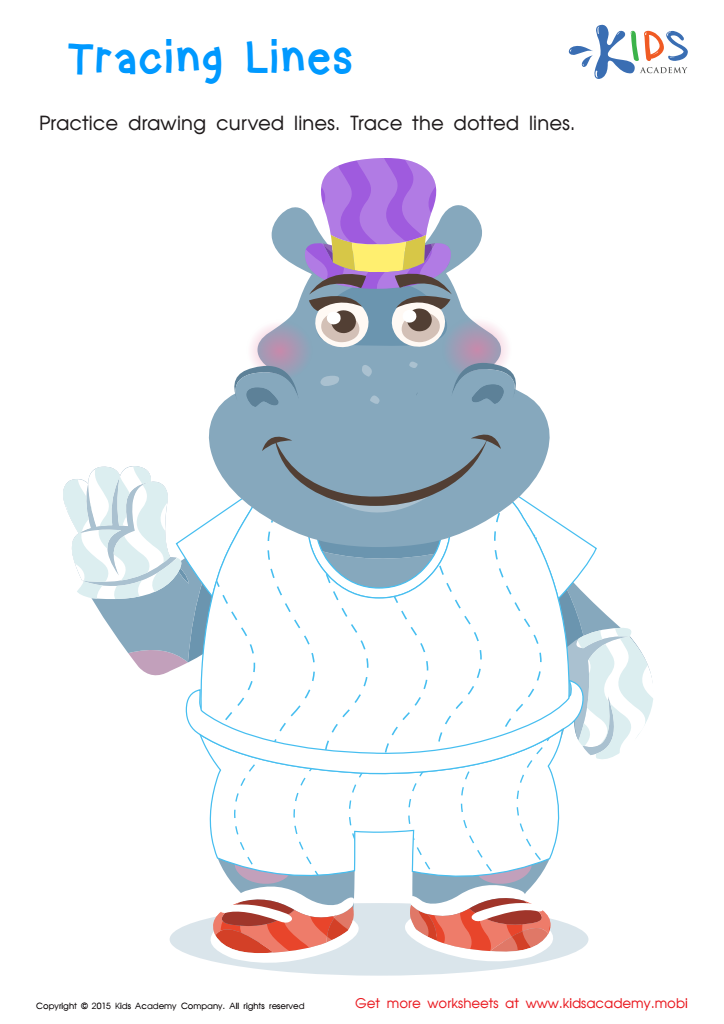
Tracing Lines Worksheet
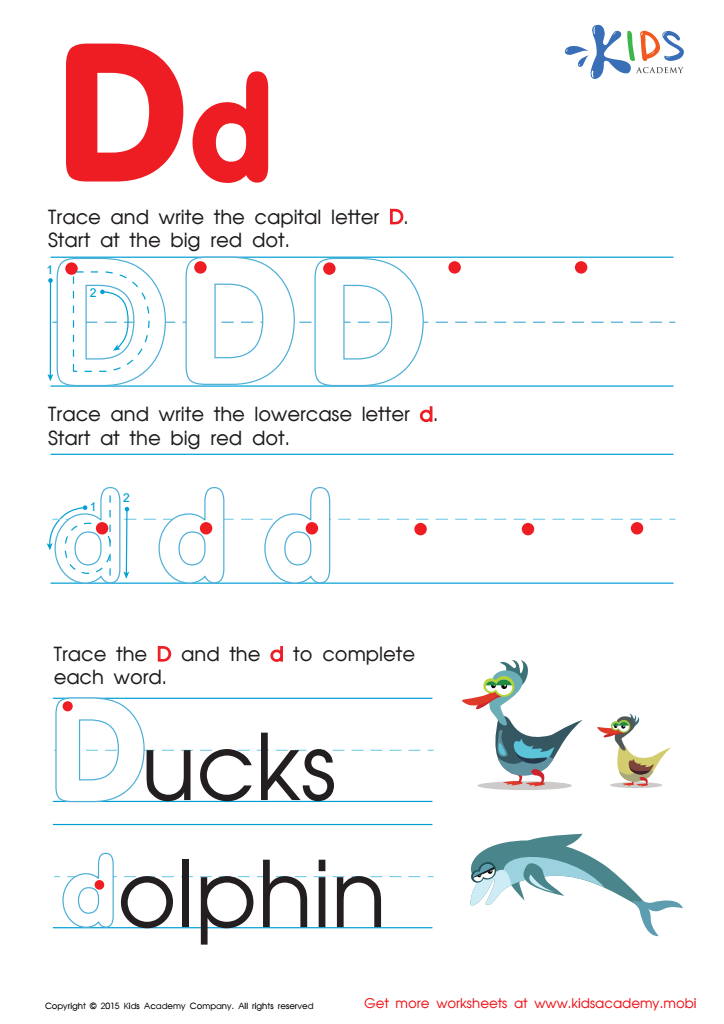
Letter D Tracing Page
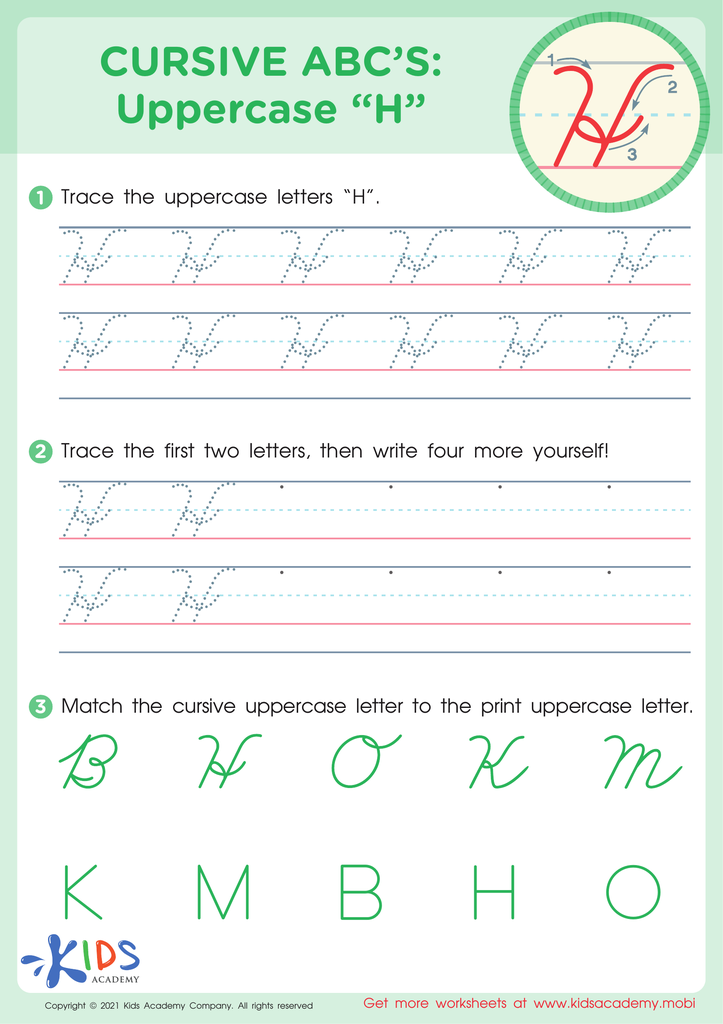
Cursive ABCs: Uppercase H


.jpg)





Hand-eye coordination is a crucial developmental skill that significantly impacts children's learning and daily activities. For children aged 5-8, practicing hand-eye coordination, especially through activities tied to the alphabet, is essential for several reasons.
First, this coordination fosters literacy. As children learn to write letters and words, strong hand-eye coordination supports the precision and control needed to form letters correctly. Additionally, playing games and engaging in activities that link movement with letters can reinforce letter recognition, making it easier for children to connect sounds with symbols, essential for reading.
Second, this skill enhances fine motor development, which is vital for self-care tasks like buttoning clothes, tying shoelaces, and using utensils – all critical skills for independence.
Moreover, engaging activities that promote hand-eye coordination, such as alphabet-based puzzles or crafts, can also improve attention and focus. These activities encourage teamwork and social skills as children often collaborate or play with peers, enhancing their emotional and social development.
In summary, parents and teachers should prioritize hand-eye coordination activities for children aged 5-8 as it supports literacy, fine motor skills, and social development, setting the foundation for future academic success and everyday living skills.







