Sound identification Alphabet Worksheets for Ages 5-8
5 filtered results
-
From - To
Enhance your child's phonemic awareness with our engaging Sound Identification Alphabet Worksheets designed specifically for ages 5 to 8. These interactive resources help young learners connect letters with their corresponding sounds through fun activities and exercises. Each worksheet is crafted to ignite curiosity and encourage exploration of the alphabet in an enjoyable way. Your kids will practice essential skills like listening and identifying sounds, laying a solid foundation for reading and writing. Download and print our worksheets today to support your child's literacy journey and watch their confidence grow as they master the sounds of the alphabet!
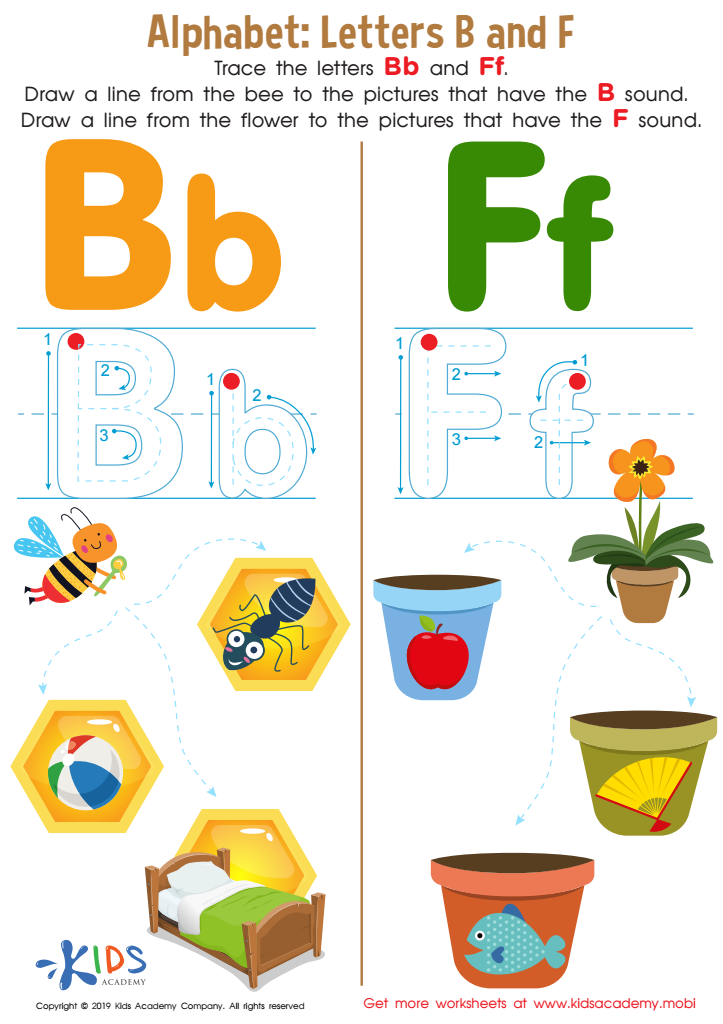
Letters B and F Tracing Worksheet
 Assign to My Students
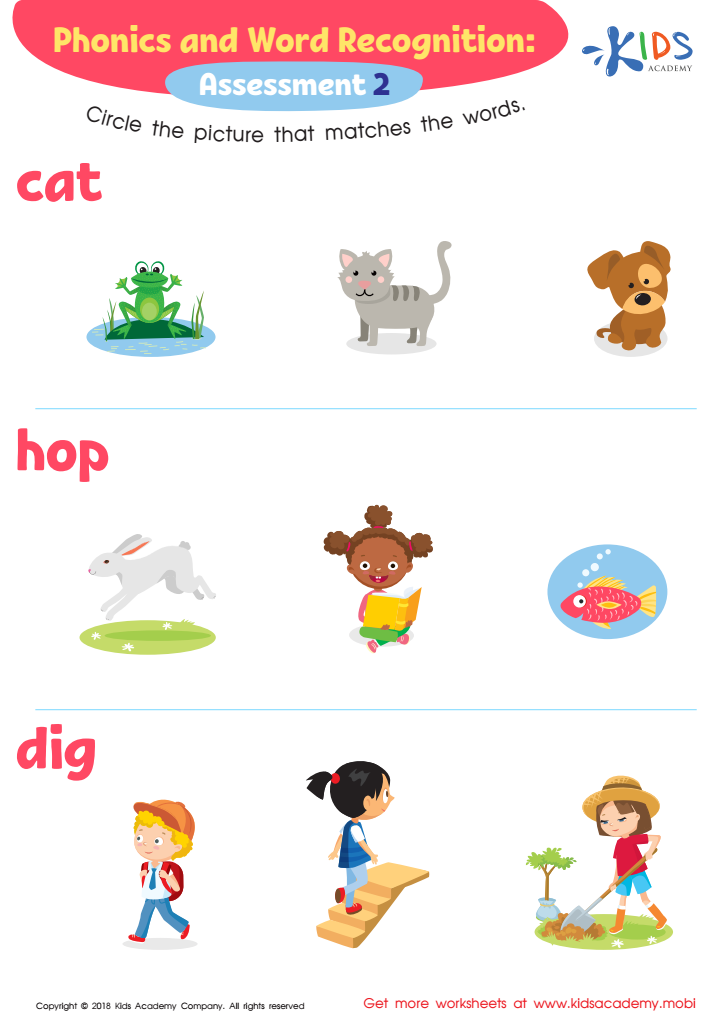
Phonological Awareness: Assessment 2 ELA Worksheet
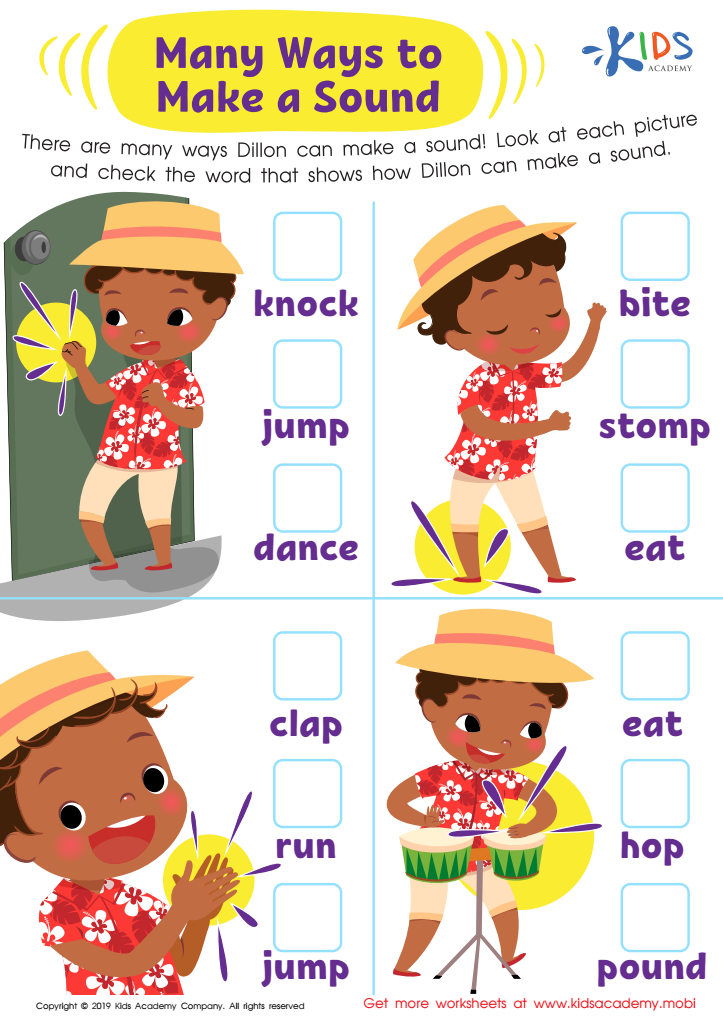
Many Ways to Make a Sound Worksheet
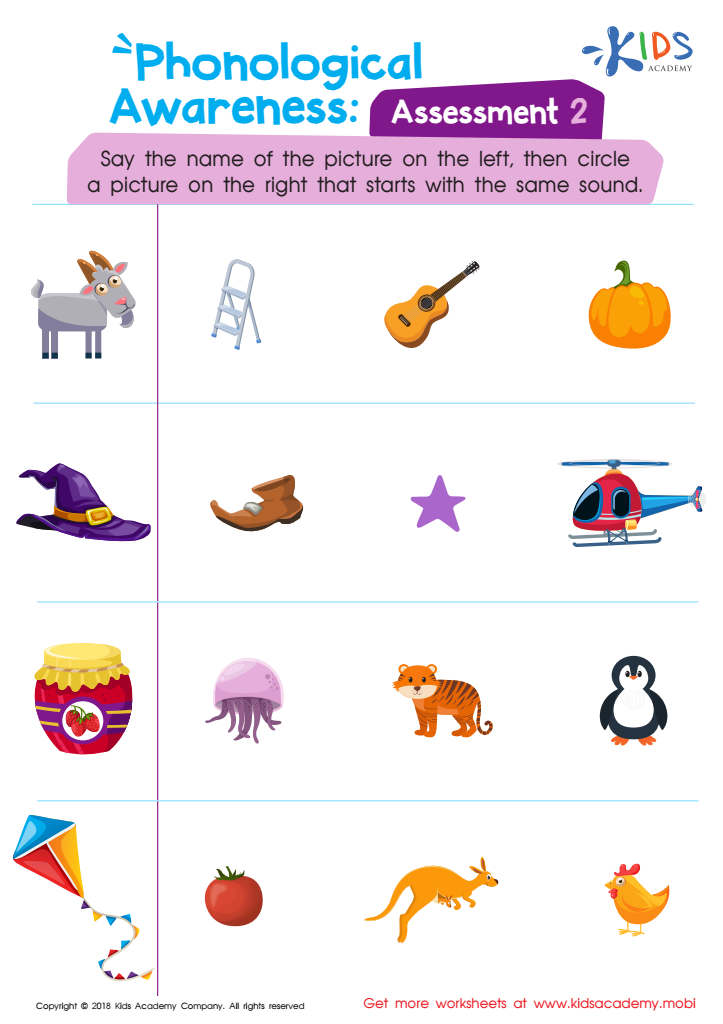
Phonological Awareness: Assessment 2 Worksheet
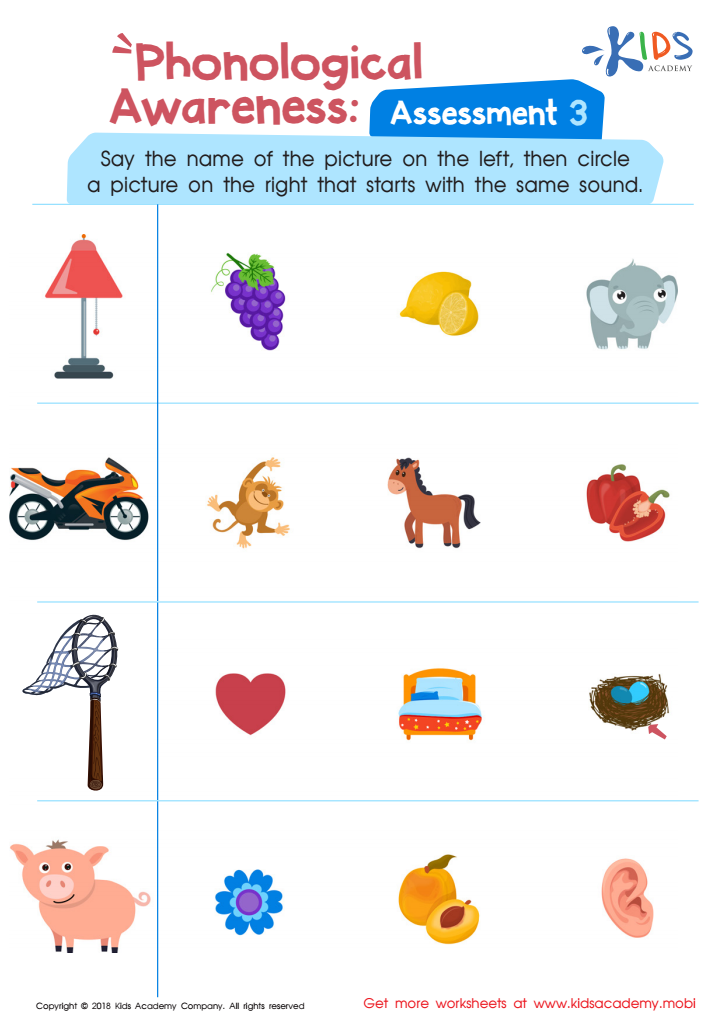
Phonological Awareness: Assessment 3 Worksheet






.jpg)
Sound identification is a fundamental skill for children aged 5-8, playing a crucial role in their literacy development. Parents and teachers should prioritize this skill because it serves as a foundation for reading and writing. When children learn to identify sounds associated with letters (phonemic awareness), they enhance their ability to decode words, making reading smoother and more efficient.
Moreover, sound identification helps develop listening skills, enabling children to discern different sounds, which is essential for language acquisition. Engaging in sound identification activities also fosters vocabulary growth, as students begin to connect words and their meanings through sound.
Furthermore, this skill empowers children to become confident readers and writers. By mastering sound identification, they can independently navigate texts, increasing their motivation and enthusiasm for learning. Parents and teachers can support this process through fun games, songs, and interactive activities, creating a positive and engaging learning environment.
Finally, proficiency in sound identification eventually supports children academically across all subjects, as reading skills are fundamental to understanding content in areas like science and social studies. Therefore, prioritizing sound identification is not just about teaching letters; it’s about equipping children with essential tools for lifelong learning.







