Problem-Solving Skills Letter Recognition Worksheets for Ages 5-8
3 filtered results
-
From - To
Enhance your child’s learning journey with our engaging Problem-Solving Skills Letter Recognition Worksheets for ages 5-8! Designed to make learning fun, these worksheets combine letter identification with critical thinking challenges. Kids will explore each letter through interactive activities that cultivate their problem-solving abilities while reinforcing their understanding of the alphabet. From matching exercises to creative puzzle-solving, our resources encourage kids to think independently and sharpen their cognitive skills. Perfect for home or classroom use, these worksheets foster a love of learning and prepare young minds for future challenges. Unlock your child's potential with our comprehensive, kid-friendly educational tools today!
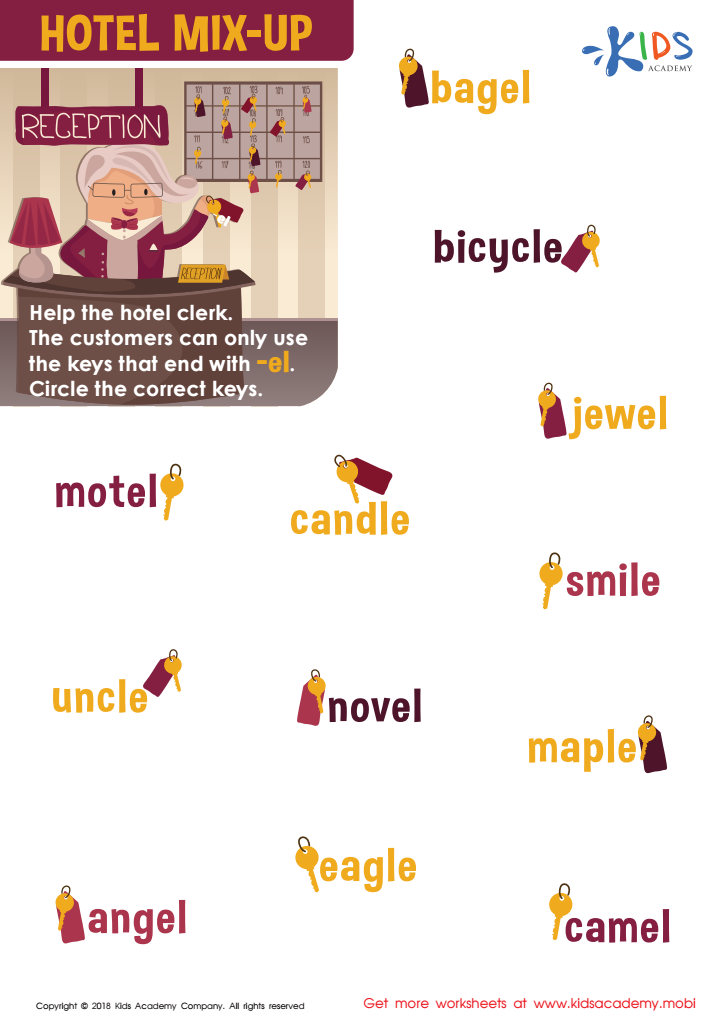
Hotel Mix-up Worksheet
 Assign to My Students
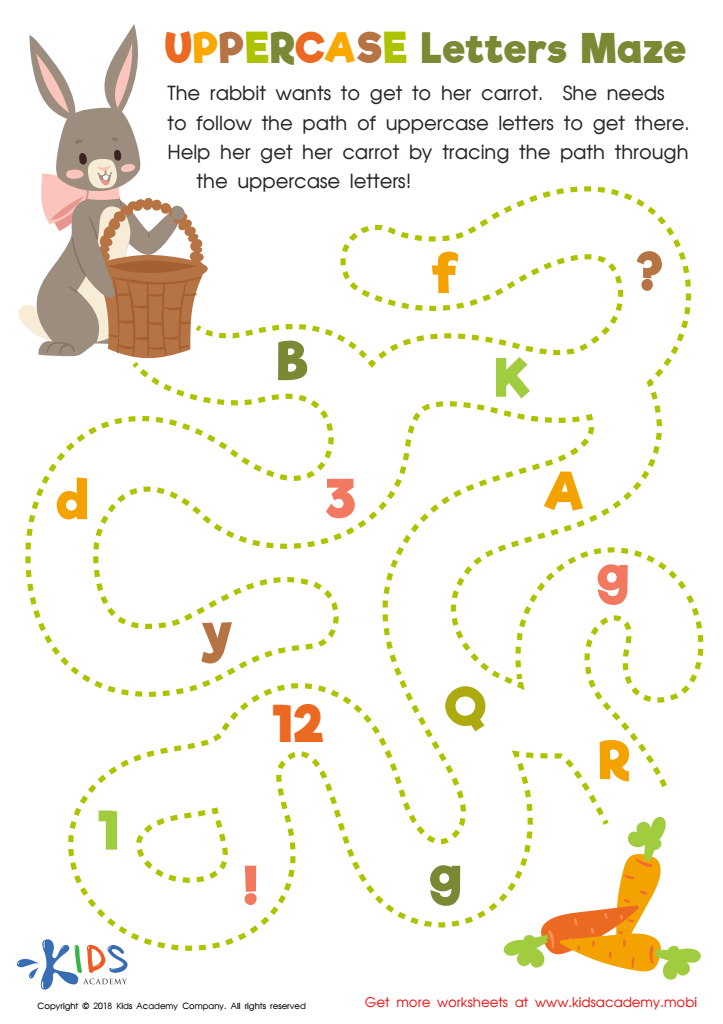
Uppercase Letters Maze Worksheet
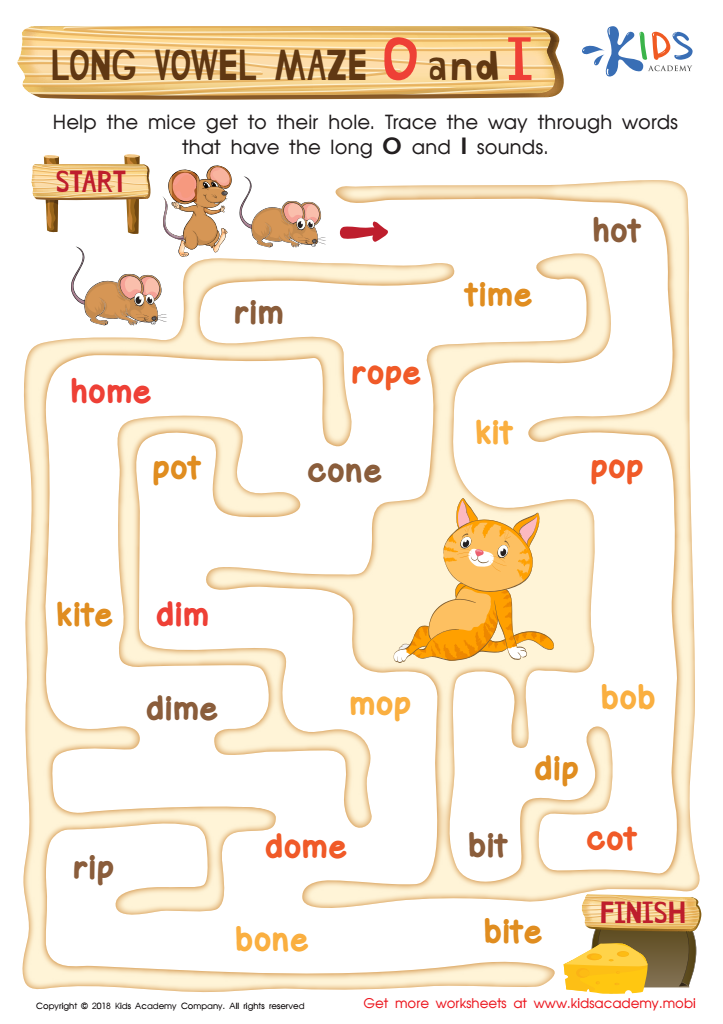
Long Vowel Maze /o/ and /i/ Worksheet








Problem-solving skills and letter recognition are essential foundational components in early childhood education. For children aged 5-8, mastering these skills sets the stage for academic success and overall cognitive development.
Firstly, problem-solving skills encourage critical thinking and creativity. As children encounter challenges, they learn to analyze situations, consider various solutions, and develop resilience. This process fosters independence, enabling them to navigate difficulties beyond the classroom, which are vital skills for lifelong learning.
Secondly, letter recognition is a stepping stone to literacy, allowing children to decode words and express themselves. Early familiarity with letters enhances language skills, expanding their vocabulary and comprehension. This foundation is crucial as reading is intertwined with other subjects, significantly affecting overall academic performance.
Both skills complement each other; as children solve problems through written instructions or story puzzles, they reinforce their letter recognition. Engaging activities that incorporate both problem-solving and literacy help maintain children's interest while deepening their understanding.
In conclusion, parents and teachers should prioritize these skills, ensuring that children gain confidence in learning and problem-solving, setting them up for future educational achievements and personal growth.







