Writing practice Letter Recognition Worksheets for Ages 5-8
14 filtered results
-
From - To
Discover our engaging Writing Practice Letter Recognition Worksheets designed for children aged 5-8! These interactive resources help young learners enhance their letter recognition and writing skills in a fun, effective way. Our worksheets feature a variety of activities, including tracing letters, identifying uppercase and lowercase forms, and practicing words that begin with each letter. Kids will enjoy colorful illustrations and engaging exercises that reinforce their knowledge while building confidence in their writing abilities. Ideal for both classroom and home learning, our worksheets promote essential literacy skills and foster a love for reading and writing. Start their writing journey today!
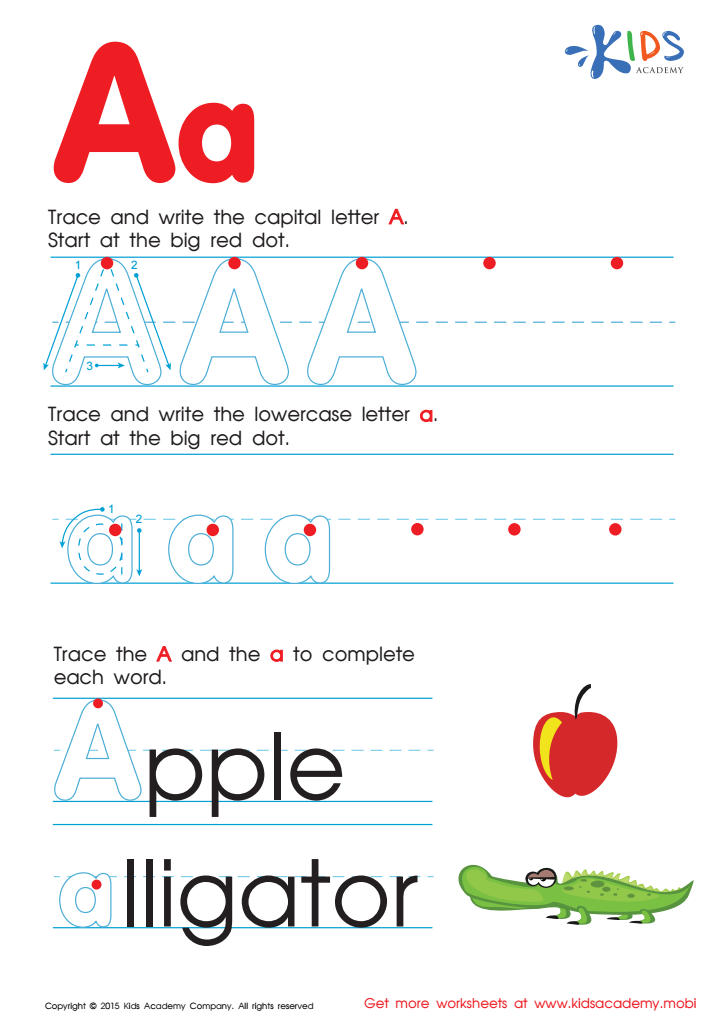
Letter A Tracing Page
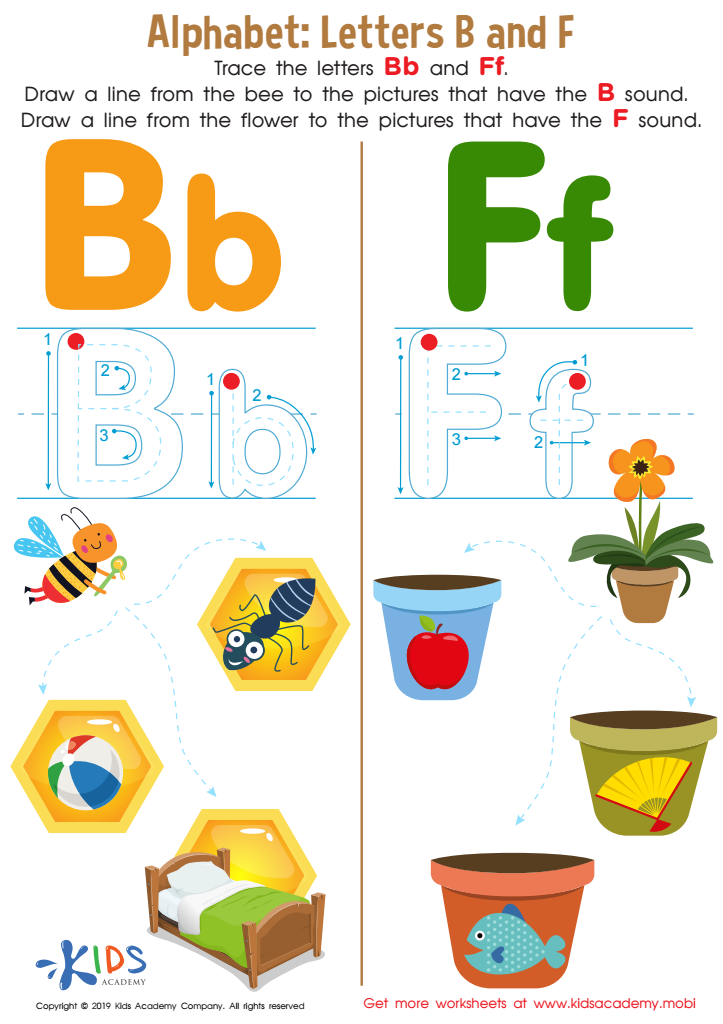
Letters B and F Tracing Worksheet
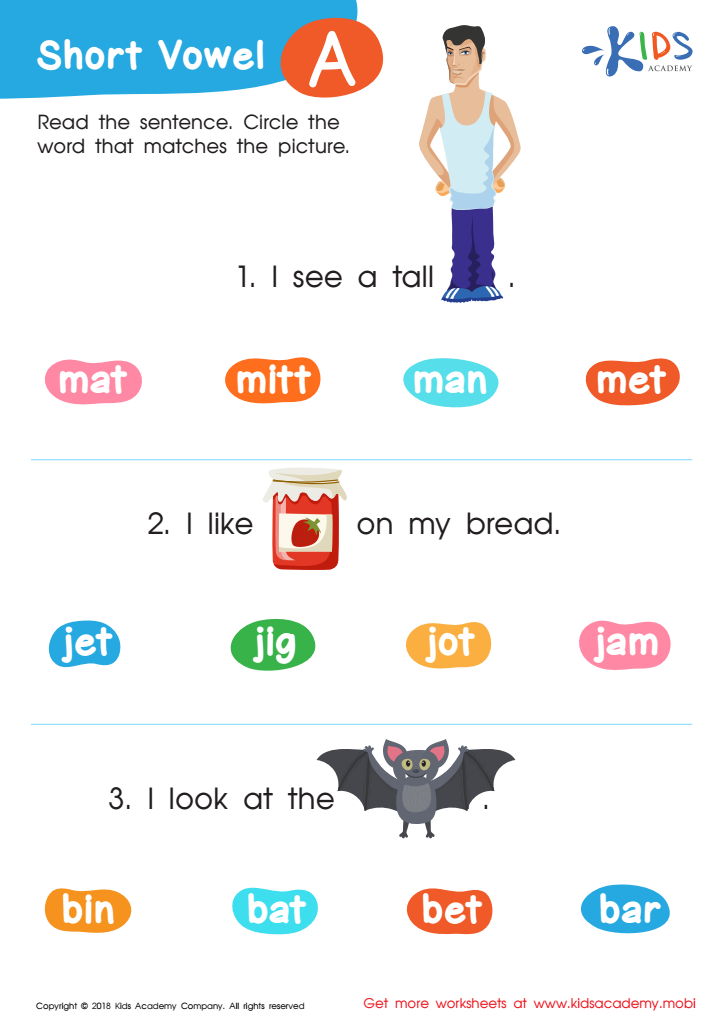
Short Vowel /a/ Worksheet
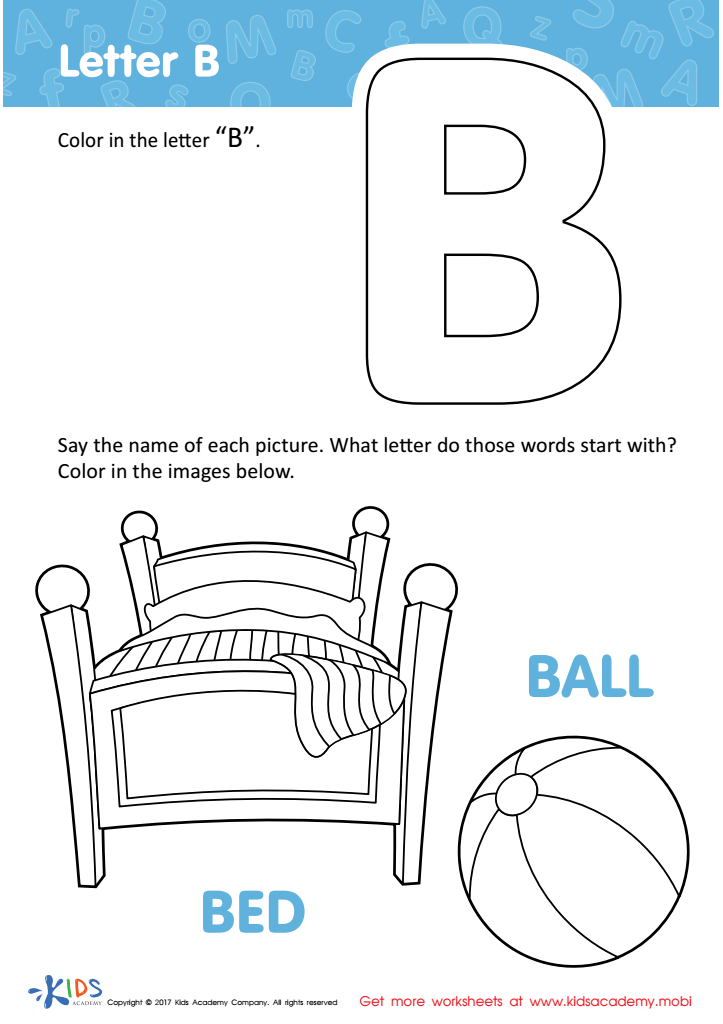
Letter B Coloring Sheet
 Assign to My Students
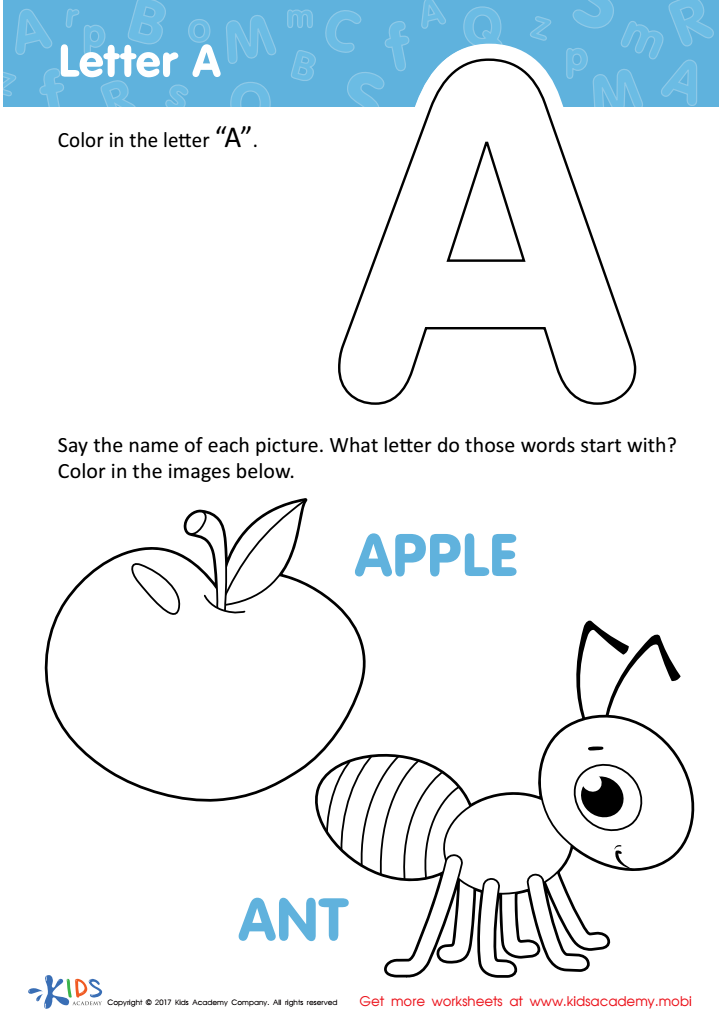
Letter A Coloring Sheet
Assign to My Students

Letter H Tracing Page
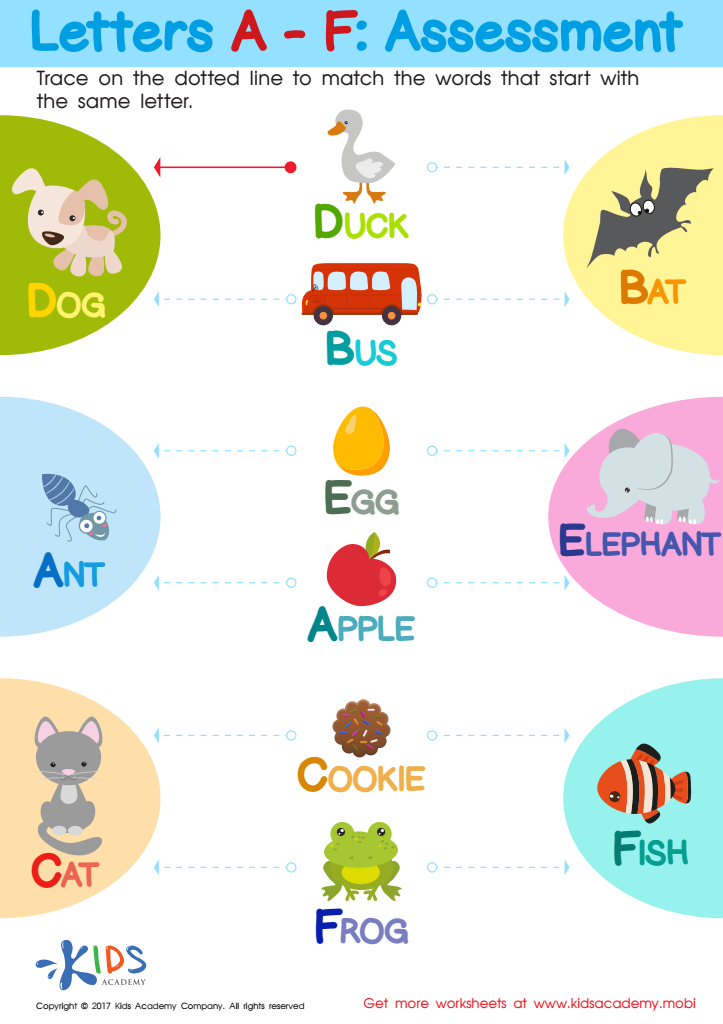
Letters A - F Worksheet
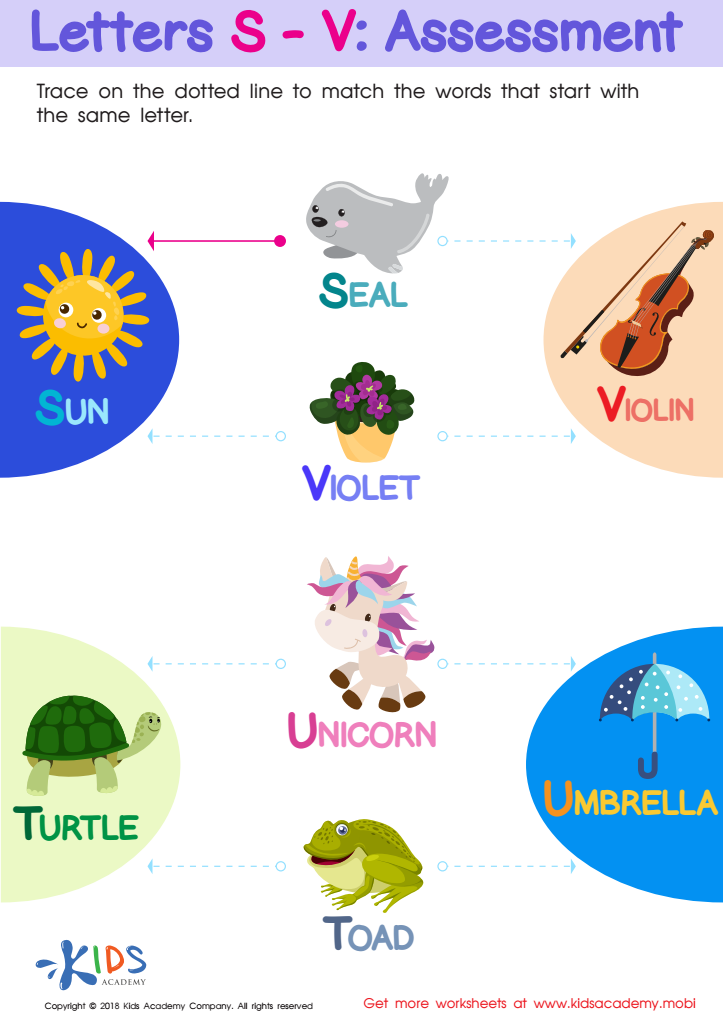
Letters S - V Tracing Worksheet
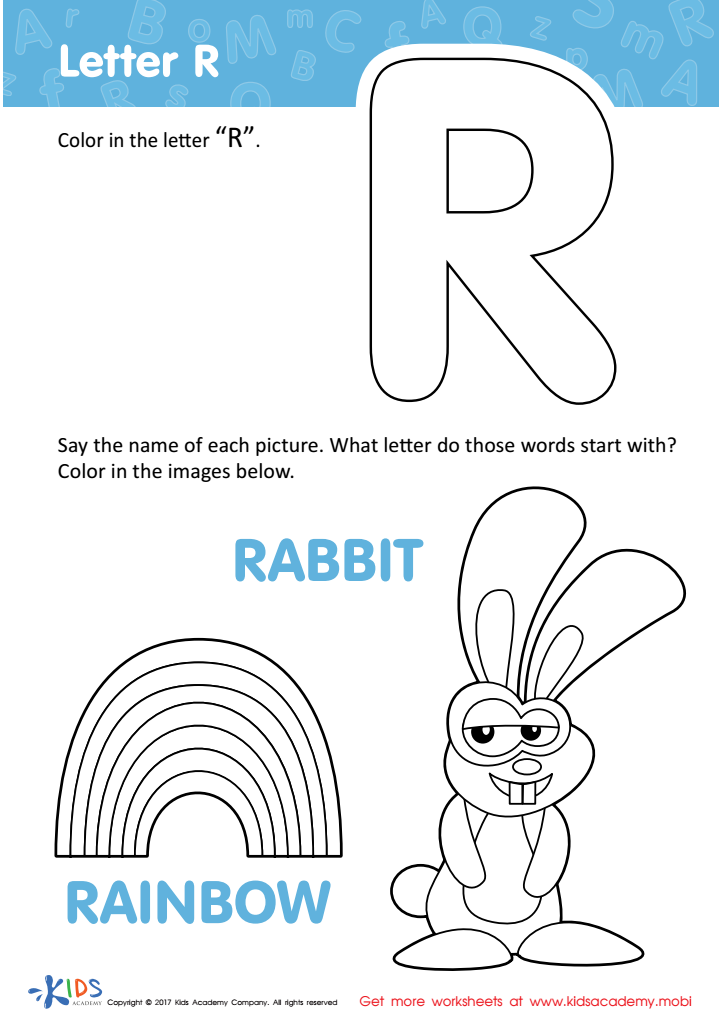
Letter R Coloring Sheet
Assign to My Students
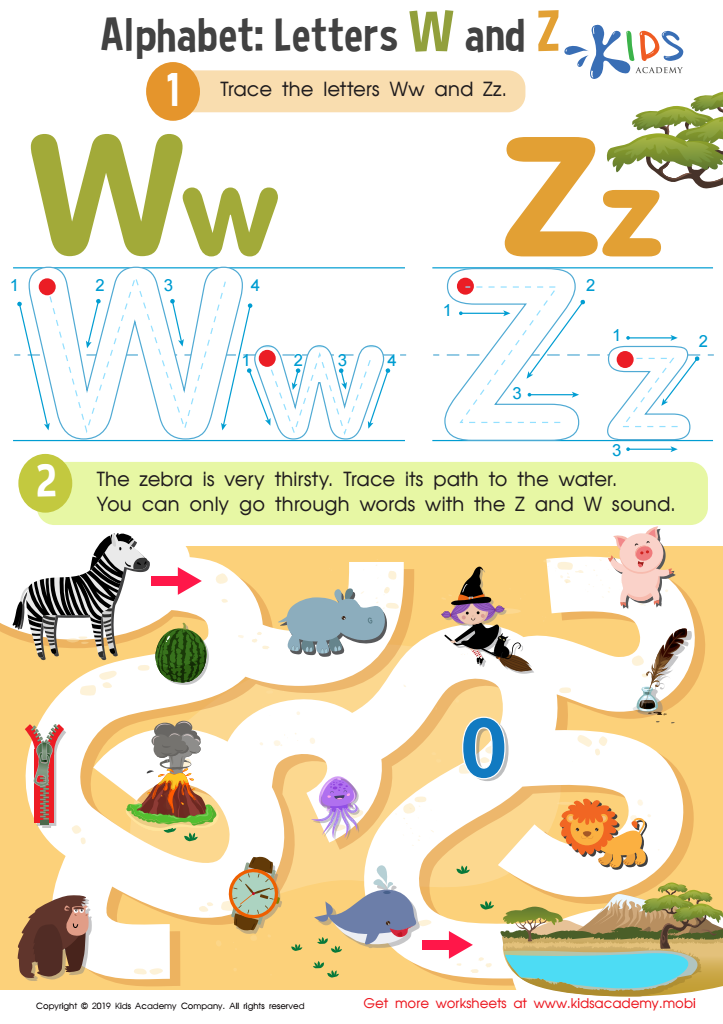
Letters W and Z Tracing Worksheet
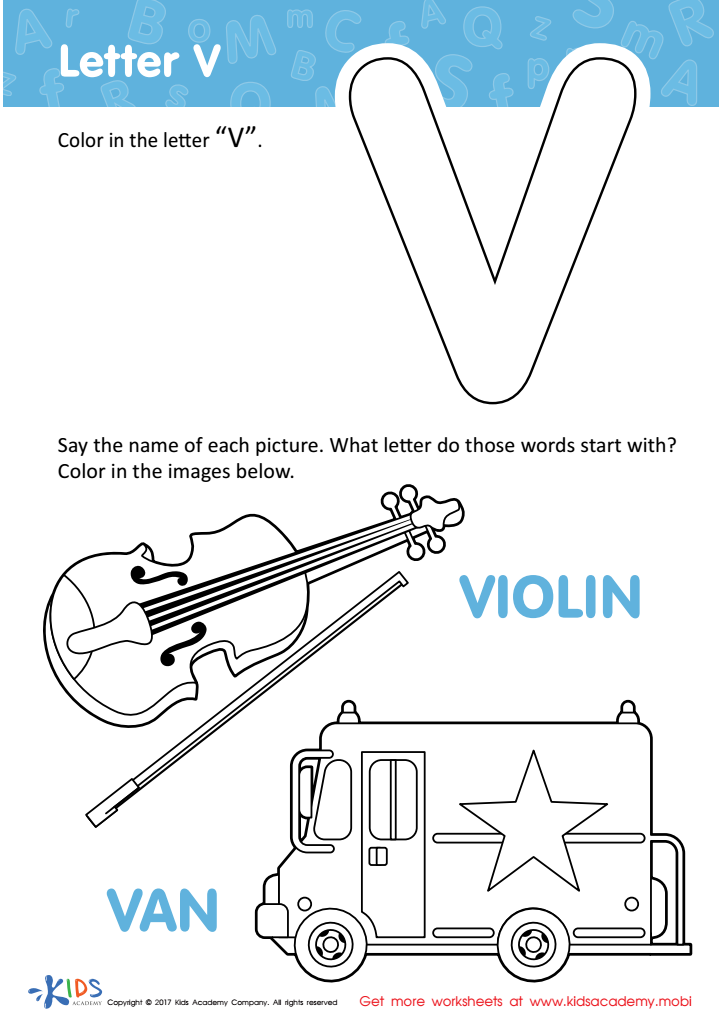
Letter V Coloring Sheet
Assign to My Students
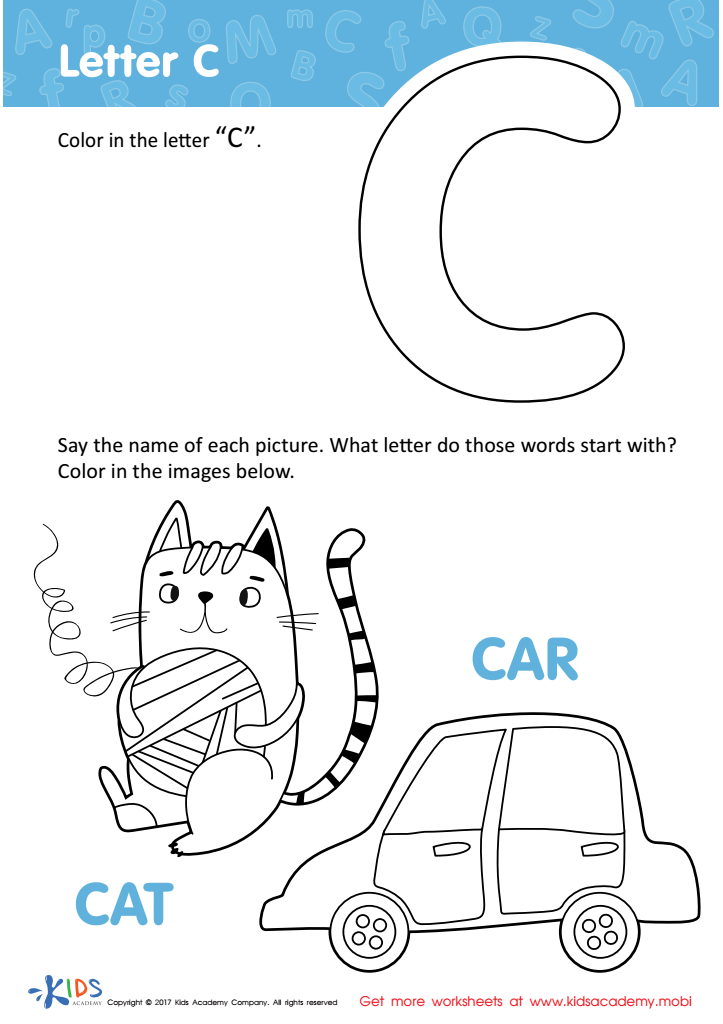
Letter C Coloring Sheet
Assign to My Students
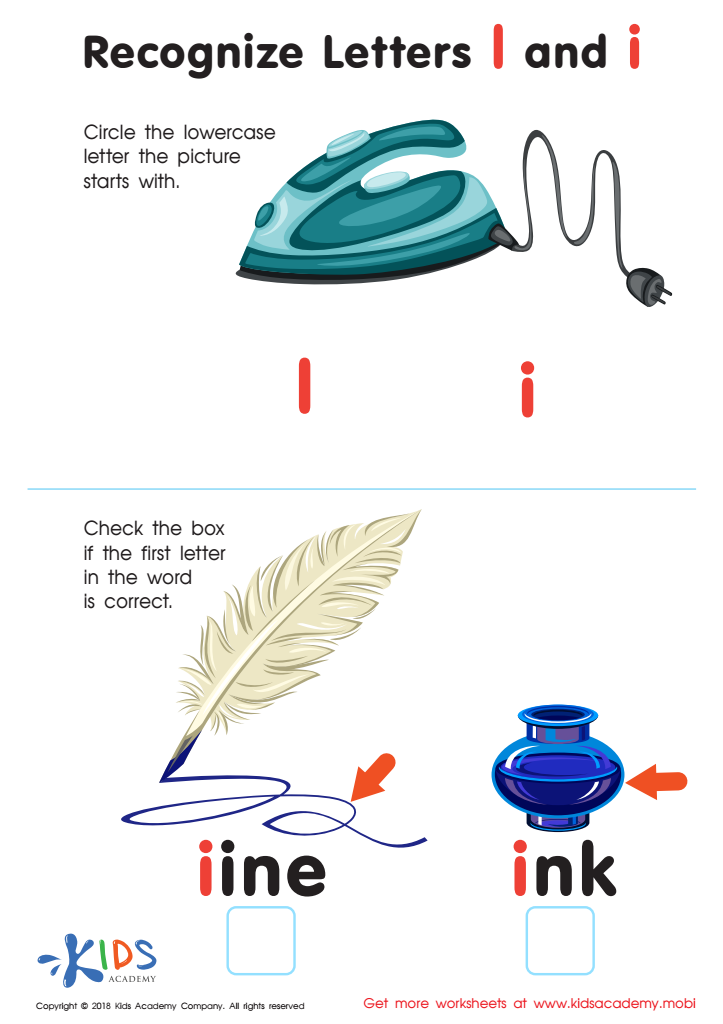
Recognize Letters l and i Worksheet
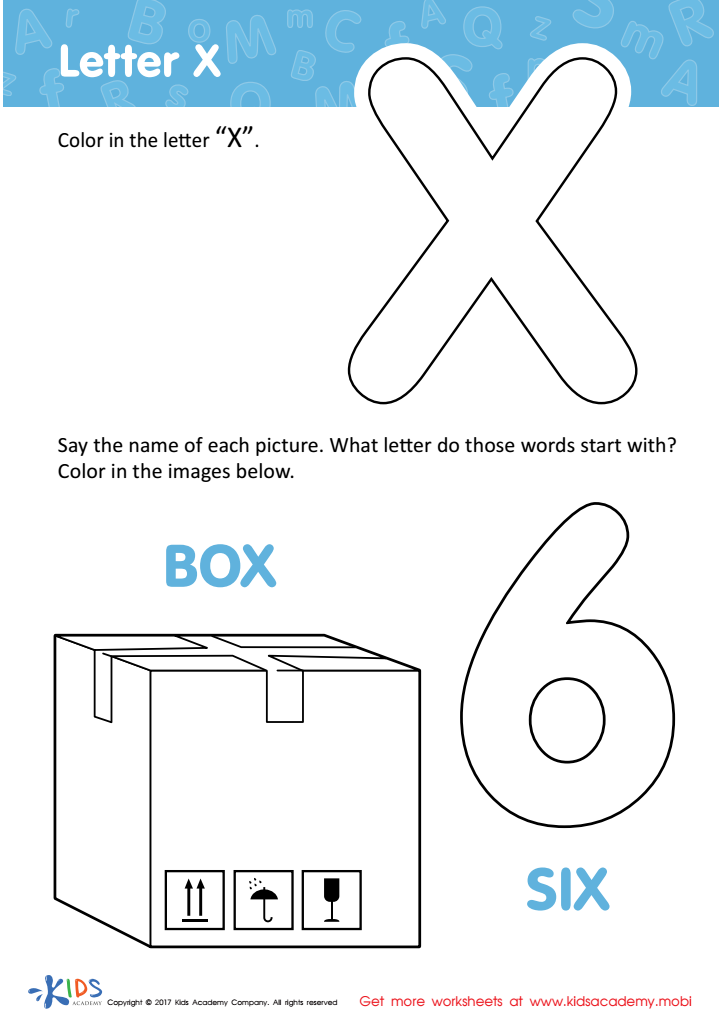
Letter X Coloring Sheet
Assign to My Students








Writing practice and letter recognition are foundational skills for children aged 5-8 that play a critical role in their literacy development. At this age, children are forming the building blocks of reading and writing, which are essential for future academic success. Engaging in writing activities helps kids learn letter shapes, sounds, and correct writing formations, fostering important fine motor skills.
By recognizing letters, children can connect spoken language to written form, making the transition to reading smoother. This understanding also enhances their vocabulary and comprehension, as they learn how letters combine to form words. Parents and teachers should prioritize writing practice because it nurtures creativity and self-expression, promoting confidence in their communication abilities.
Moreover, consistent writing practice allows for immediate feedback, helping children identify mistakes and learn from them—a crucial aspect of the learning process. By creating interactive and enjoyable writing experiences, such as journaling or writing stories, adults can motivate children to practice without feeling like it's a chore.
Ultimately, nurturing writing and letter recognition at this developmental stage equips children with essential tools for literacy, academic achievement, and lifelong communication skills, making it a priority for both parents and educators.







