Alphabet Recognition Phonics Worksheets for Ages 5-8
9 filtered results
-
From - To
Boost your child's literacy with our engaging Alphabet Recognition Phonics Worksheets designed for ages 5-8. These printable resources promote letter recognition and phonemic awareness through fun, interactive activities. Each worksheet features vibrant illustrations and exercises that help children identify letters, sounds, and their corresponding words, fostering a solid foundation for reading and writing. Tailored to meet educational standards, these worksheets encourage practice and reinforce skills in a playful manner, making learning enjoyable. Perfect for at-home learning or classroom use, our Alphabet Recognition Phonics Worksheets are a valuable tool for young learners embarking on their reading journey!
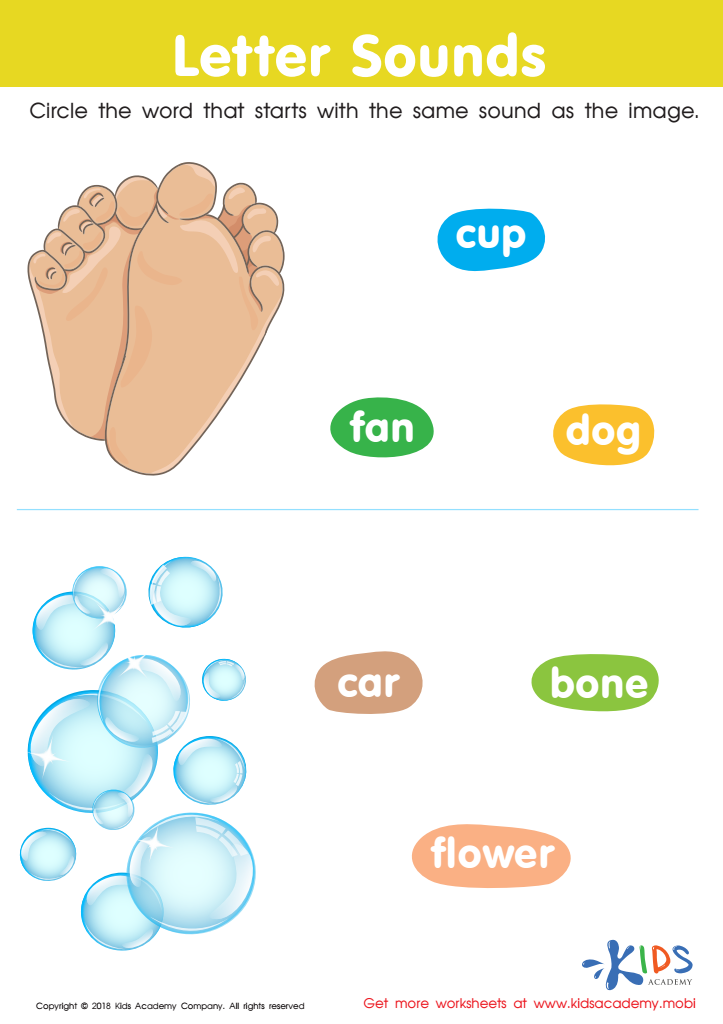
letter sounds Worksheet
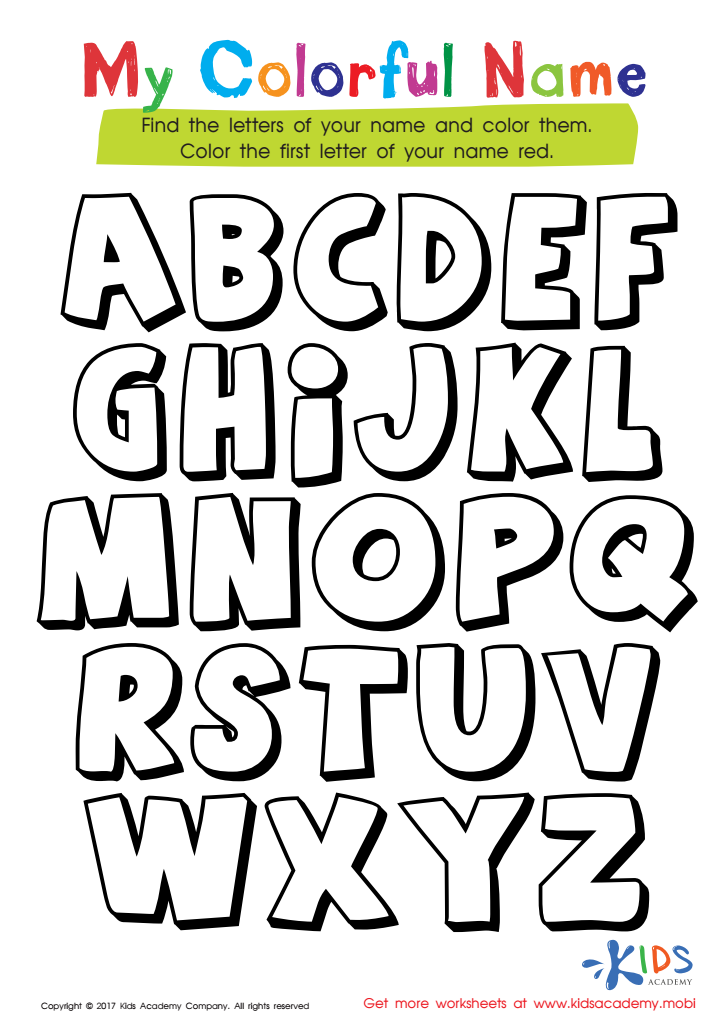
My Colorful Name Worksheet
 Assign to My Students
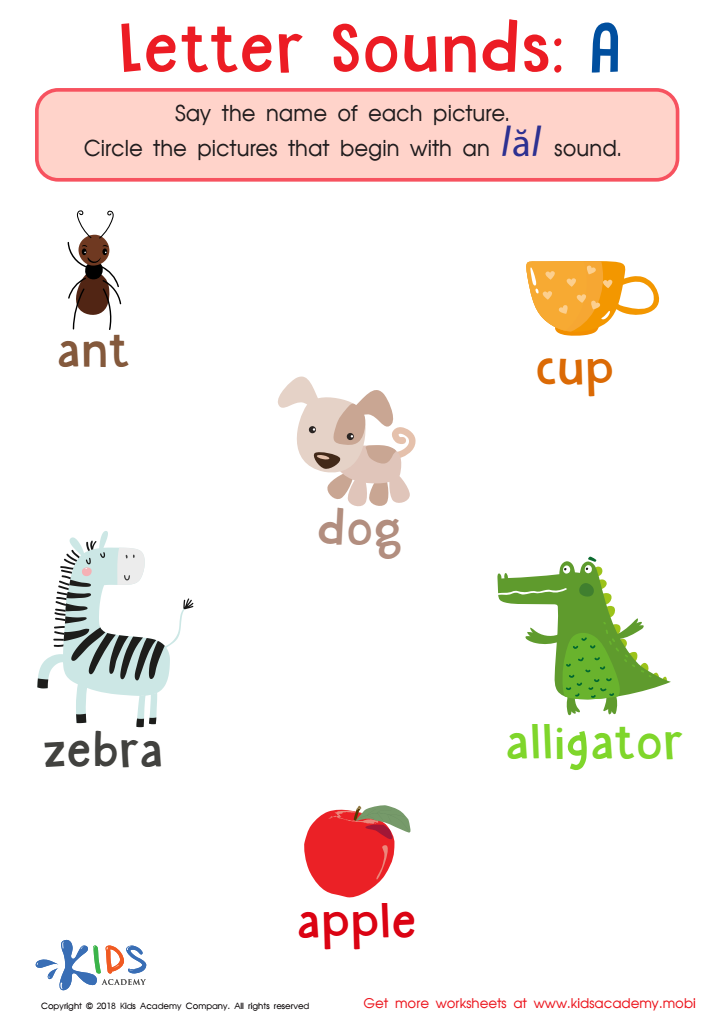
Letter A Sounds Worksheet
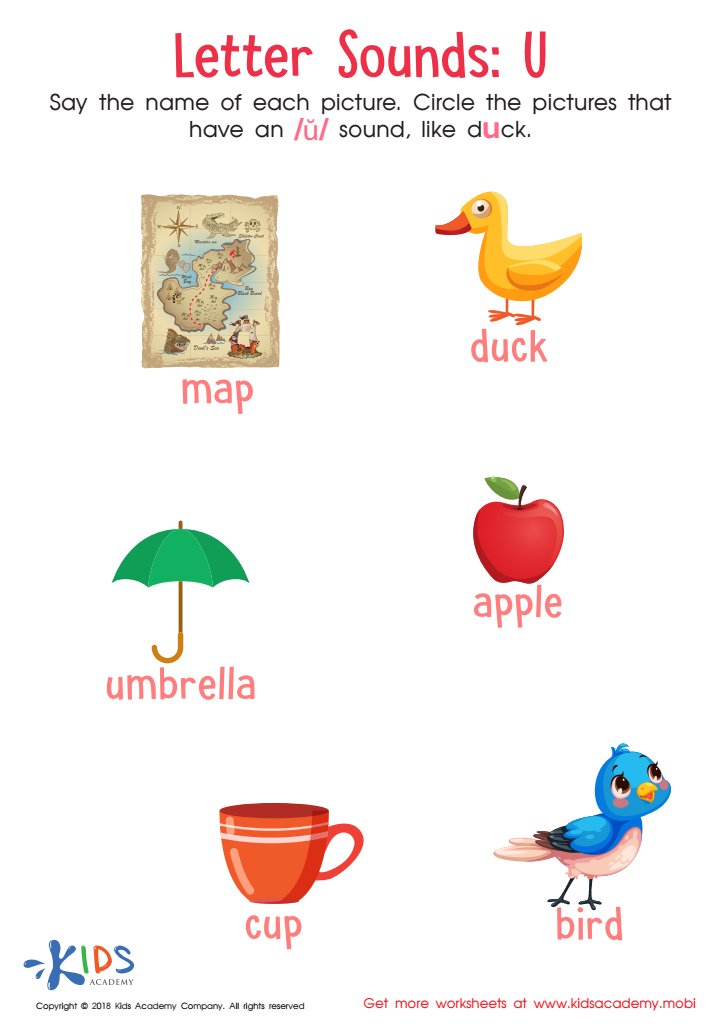
Letter U Sounds Worksheet
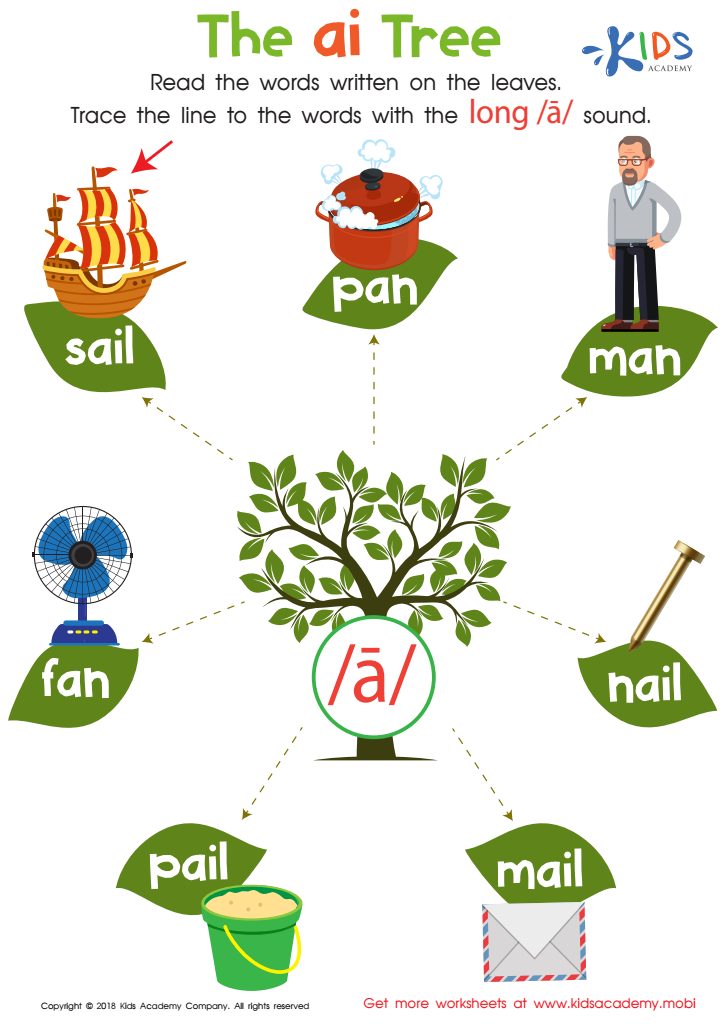
The AI Tree Worksheet
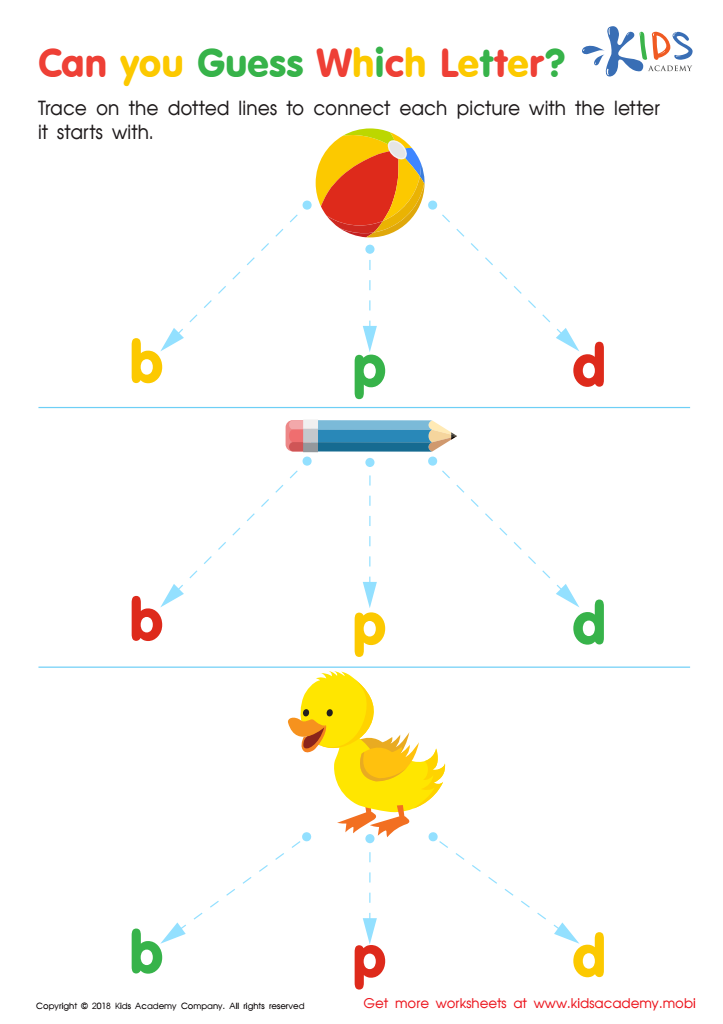
Can you Guess Which Letter? Worksheet
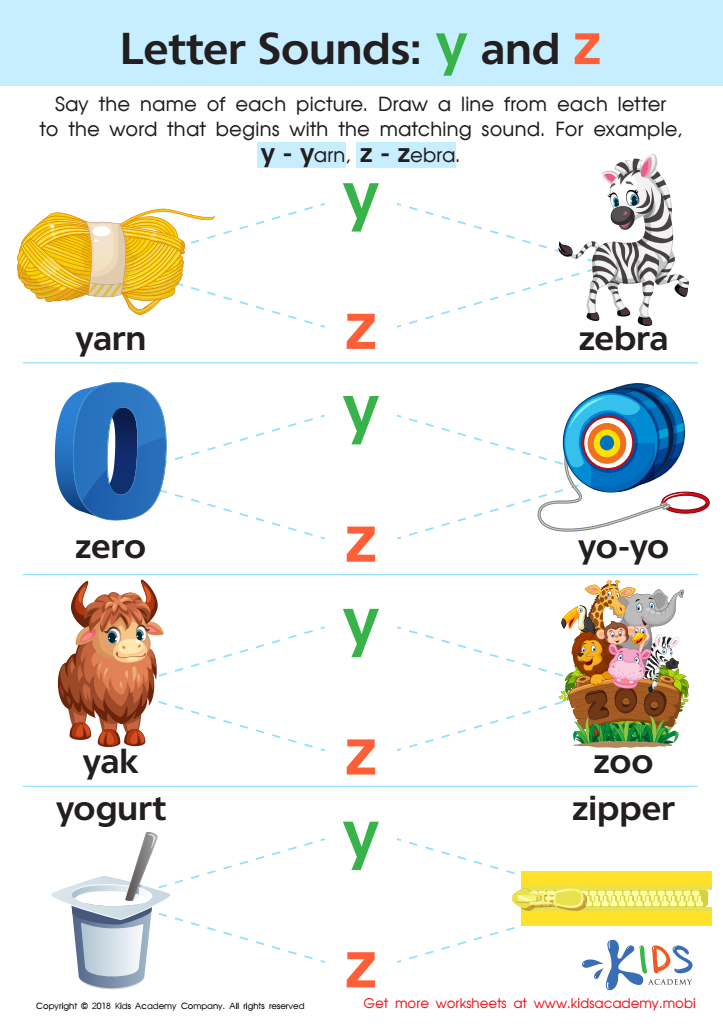
Letter Y and Z Sounds Worksheet
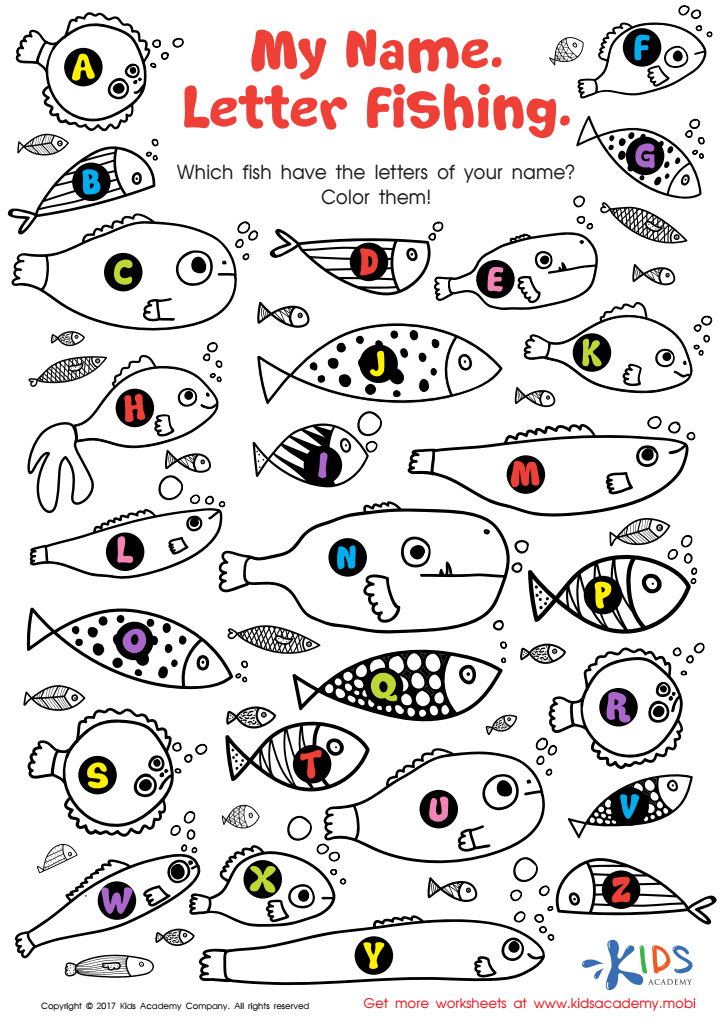
My Name: Letter Fishing Worksheet
Assign to My Students
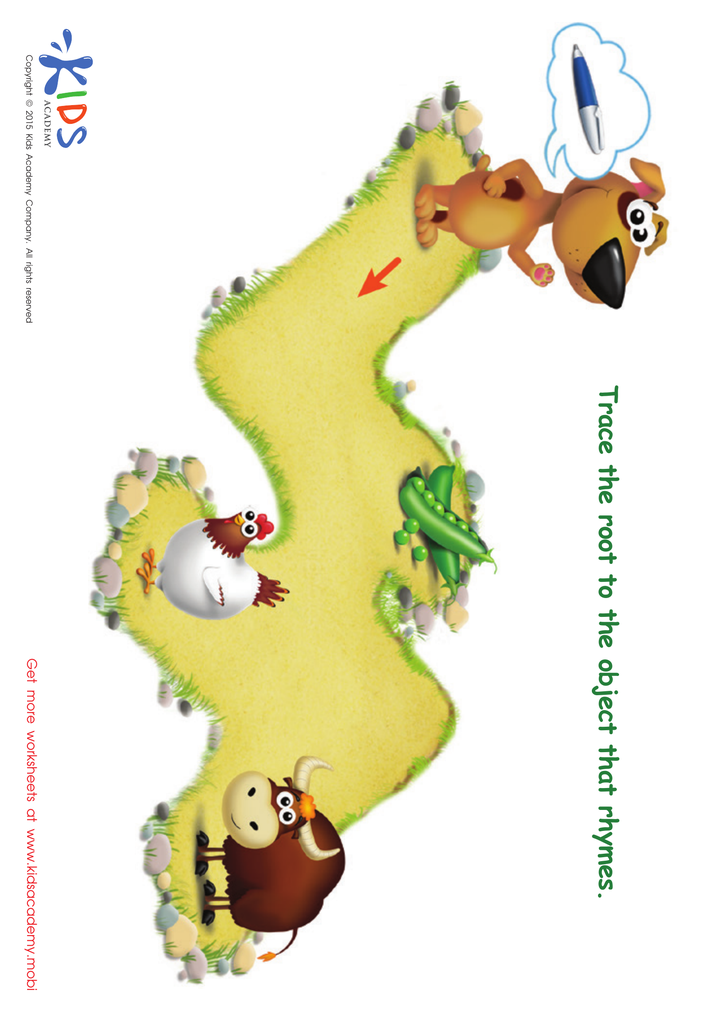
Pen Rhyming Words Worksheet








Alphabet recognition and phonics are foundational skills critical for young learners aged 5-8. Understanding letter names, sounds, and relationships lays the groundwork for reading and writing. Parents and teachers should prioritize these skills because they significantly influence literacy development, which is pivotal for academic success.
At this age, children transition from learning to read to reading to learn. Mastering phonics enables them to decode words, enhancing their confidence and enthusiasm for reading. When children can recognize letters and sounds, they become more adept at spelling and word formation, ultimately leading to improved communication skills.
Furthermore, strong alphabet recognition and phonics instruction can help identify and support early literacy challenges. Early intervention can prevent avoidable setbacks and foster a love for reading that lasts a lifetime. Research shows that children who master phonics tend to perform better in language arts and other subjects as they progress through school.
Ultimately, investing time and resources into teaching alphabet recognition and phonics pays off. It empowers students to become proficient readers, enabling them to fully engage with the world around them and opening doors to knowledge and discovery. Therefore, supporting these skills should be a top priority for parents and educators alike.







