Reading skills development Phonics Worksheets for Ages 5-8
8 filtered results
-
From - To
Enhance your child's reading skills with our engaging Phonics Worksheets designed specifically for ages 5-8. These printable worksheets offer a variety of activities that support phonemic awareness and letter-sound relationships, empowering young learners to decode words confidently. Each worksheet is crafted to build vocabulary, improve pronunciation, and boost reading comprehension through fun exercises that captivate children's interests. Parents and teachers will find these resources invaluable for creating an encouraging learning environment, ensuring that kids develop essential reading skills. Equip your little ones with the tools they need for successful reading adventures and watch their confidence soar! Explore our collection today!
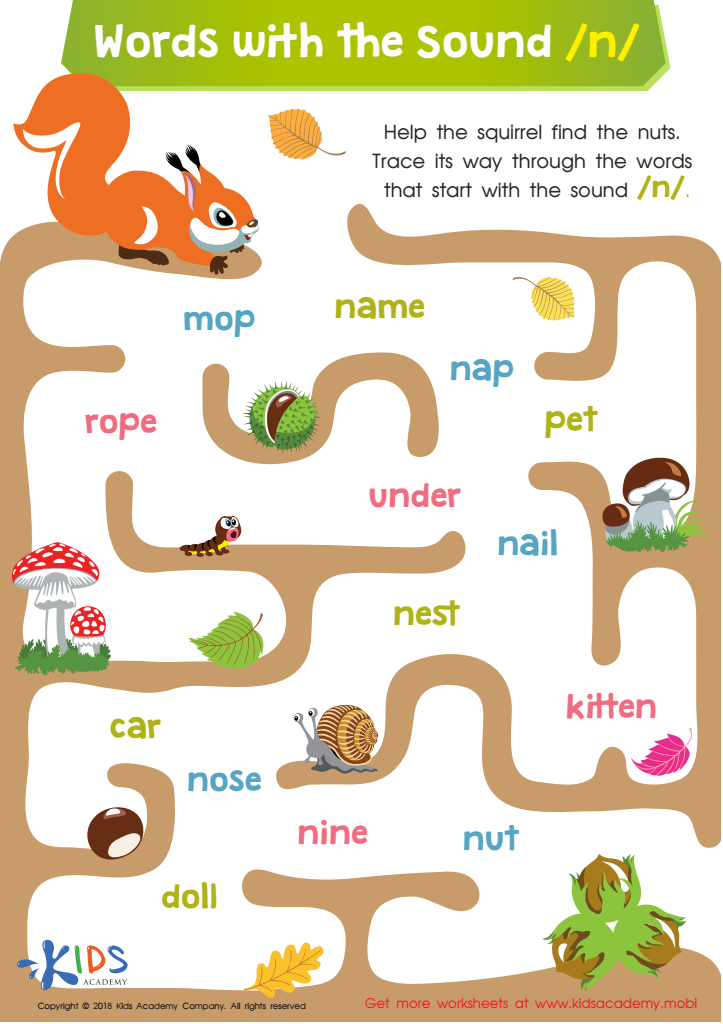
Words with Sound N Reading Worksheet
 Assign to My Students
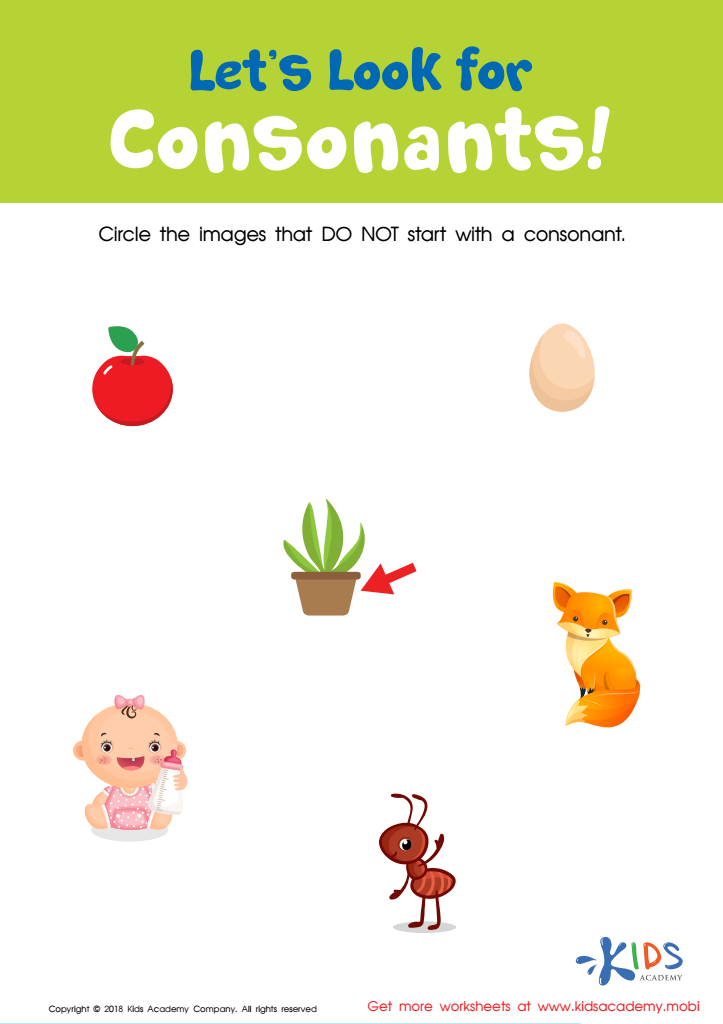
Let's Look for Consonants Worksheet
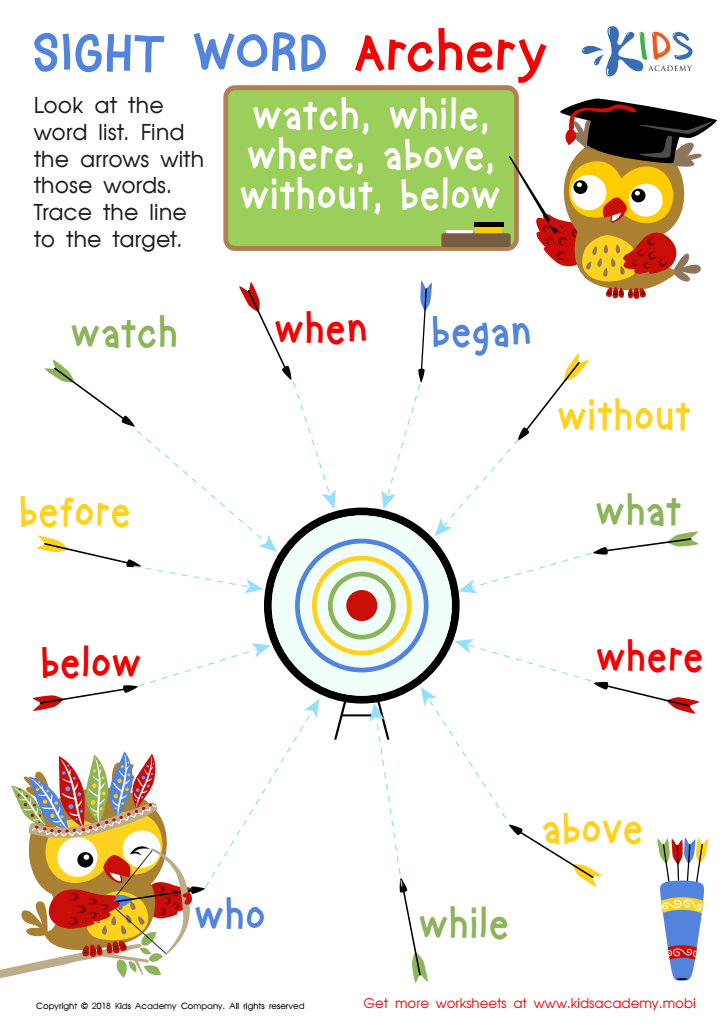
Sight Word Archery Worksheet
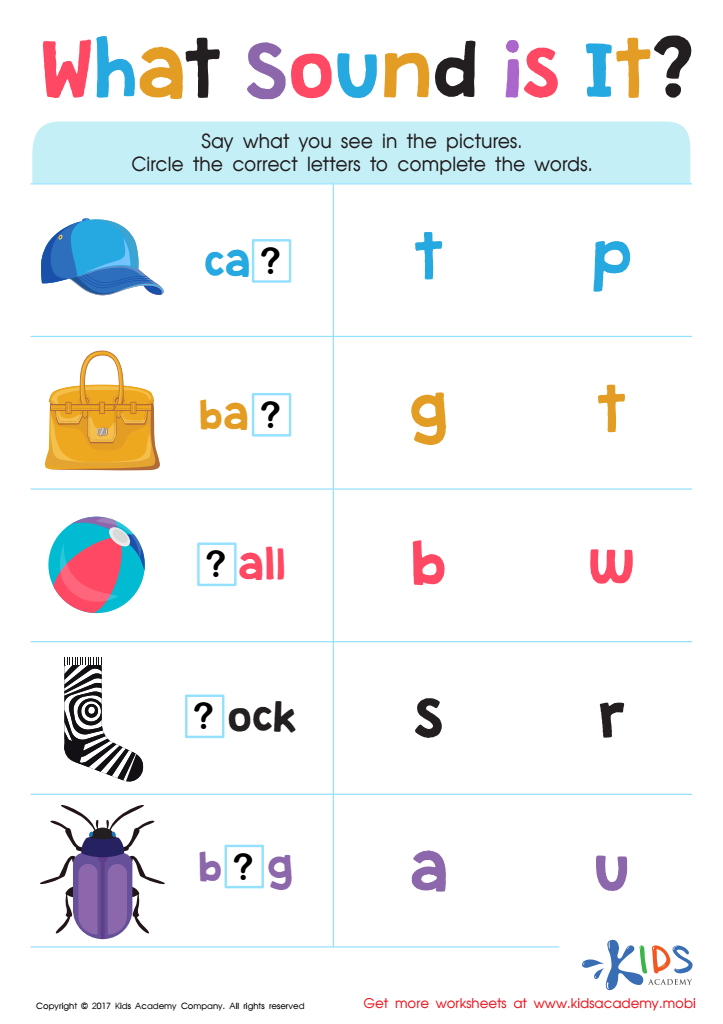
What Sound Is it? Worksheet
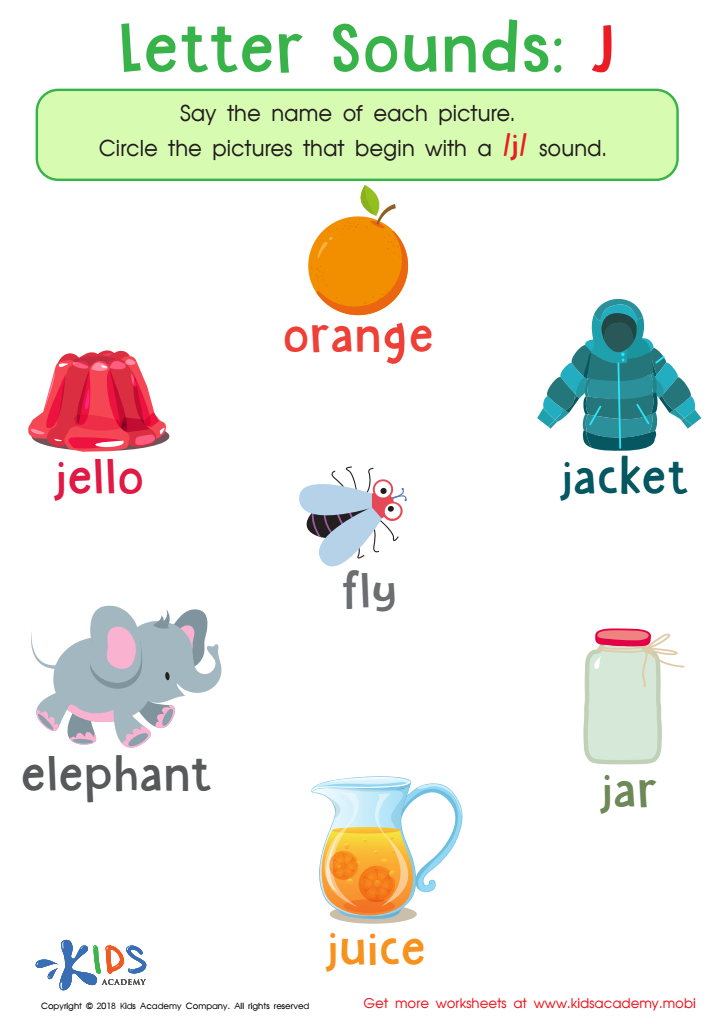
Letter Sounds: J Printable Worksheet
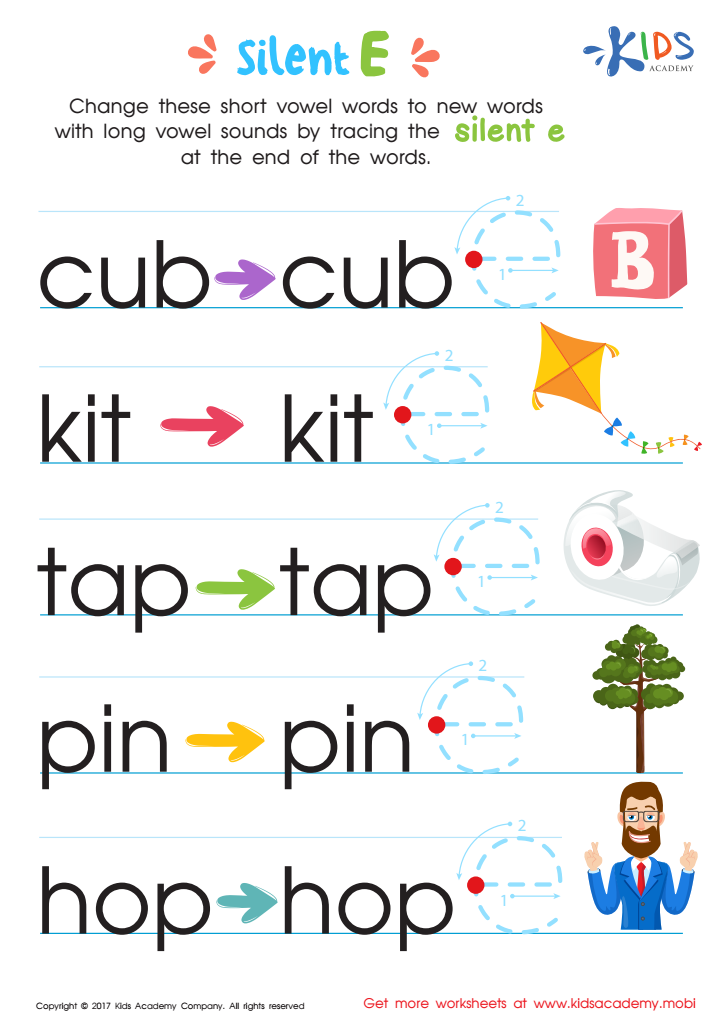
Silent E Words Worksheet
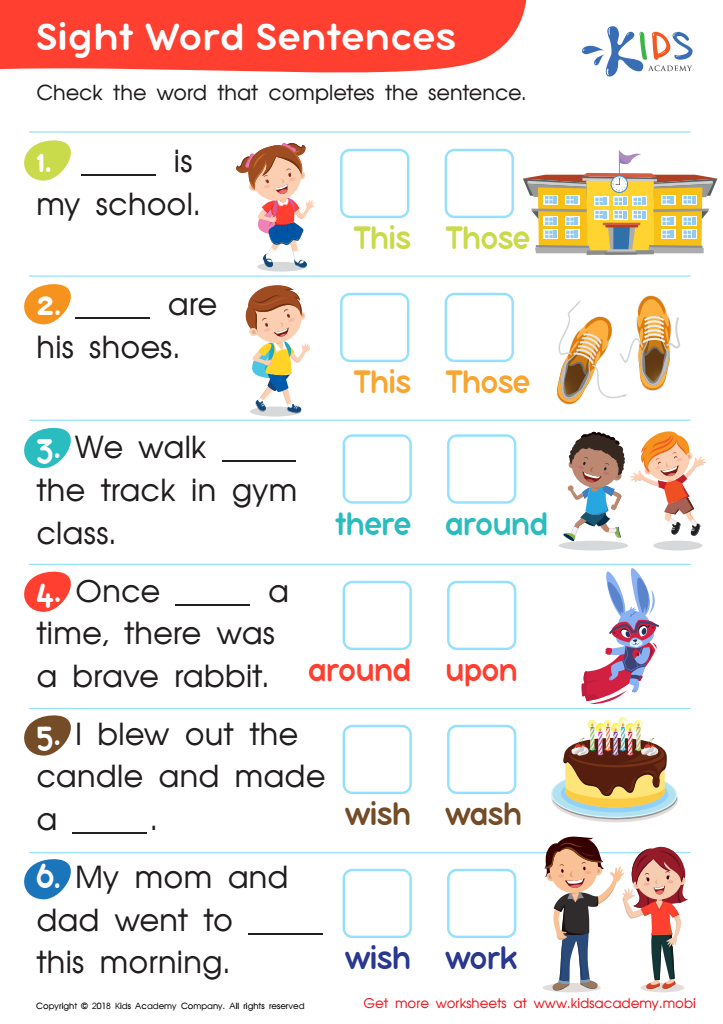
Sight Word Sentences Worksheet
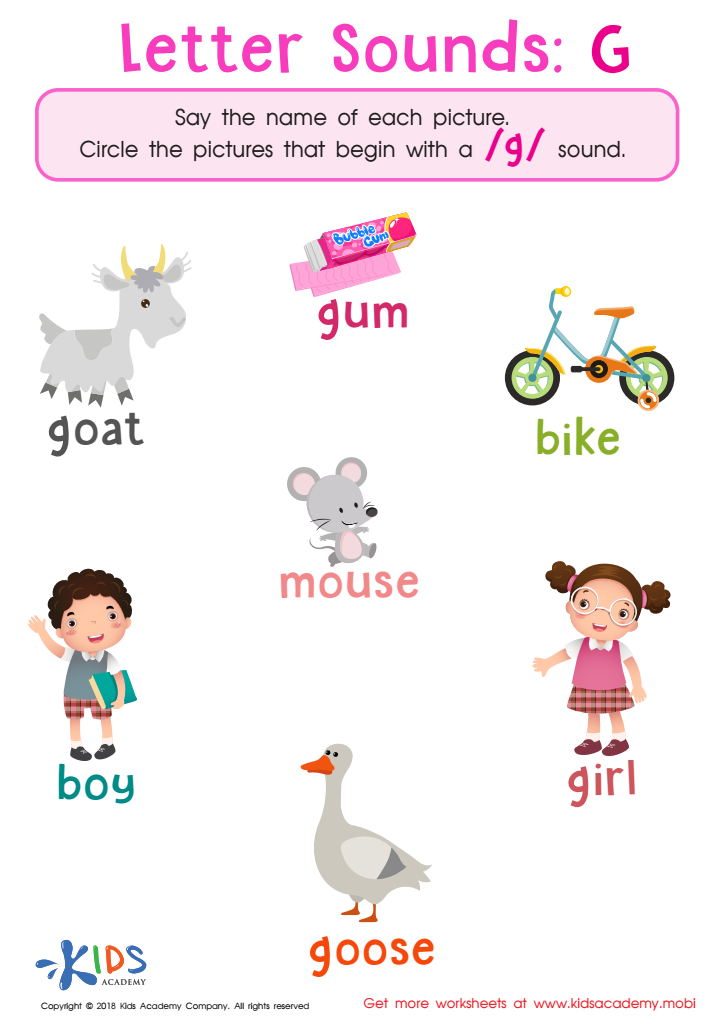
Letter G Sounds Worksheet








Parents and teachers should prioritize reading skills development, particularly phonics, for children ages 5-8 due to its profound impact on literacy and overall academic success. Phonics instruction equips young learners with the ability to decode words, understanding the relationship between letters and sounds. This foundational skill is crucial as it enables children to read independently, fostering a sense of accomplishment and confidence.
At this critical stage of development, children are rapidly acquiring language and cognitive skills. Effective phonics education helps to prevent reading difficulties that can lead to long-term academic challenges. Furthermore, strong reading skills cultivate a love for literature, encouraging curiosity and enhancing vocabulary, comprehension, and communication skills.
By investing in phonics development, parents and teachers can create an environment where children thrive. Early mastery of these skills often correlates with improved performances in other subject areas. Additionally, in today's information-rich environment, proficient reading is essential for accessing knowledge and navigating the world.
Ultimately, supporting phonics education is not just about teaching children to read; it's about laying a solid foundation for lifelong learning and academic achievement. Engaging in this crucial area can set children on a path towards success in school and beyond.







