Alphabet sequencing Tracing Letters Worksheets for Ages 5-8
3 filtered results
-
From - To
Discover our engaging Alphabet Sequencing Tracing Letters Worksheets designed specifically for children aged 5-8! These interactive worksheets combine tracing and sequencing activities to help young learners master letter recognition and order. Children will enjoy following fun and colorful letter guides while developing fine motor skills and improving handwriting. Our thoughtfully crafted activities promote cognitive development as kids enhance their understanding of the alphabet sequencing. Ideal for homeschooling or classroom settings, these worksheets provide a valuable resource for early literacy. Boost your child's confidence and reading readiness with our stimulating tracing exercises that make learning fun and effective! Download now and watch their skills flourish!
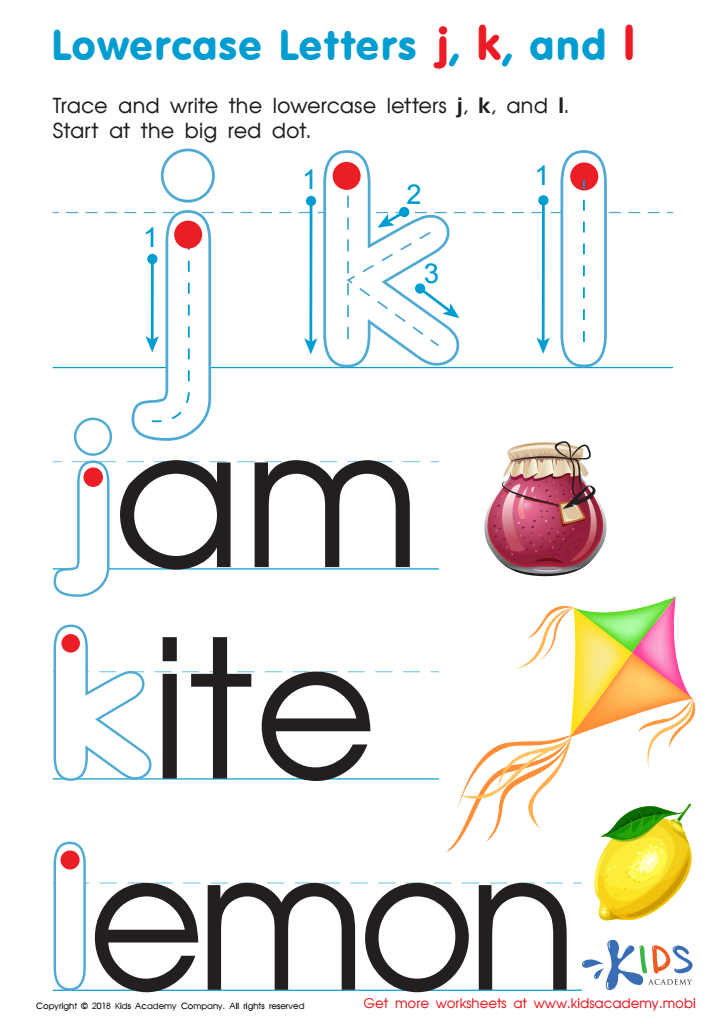
Lowercase Letters j k l Worksheet
 Assign to My Students
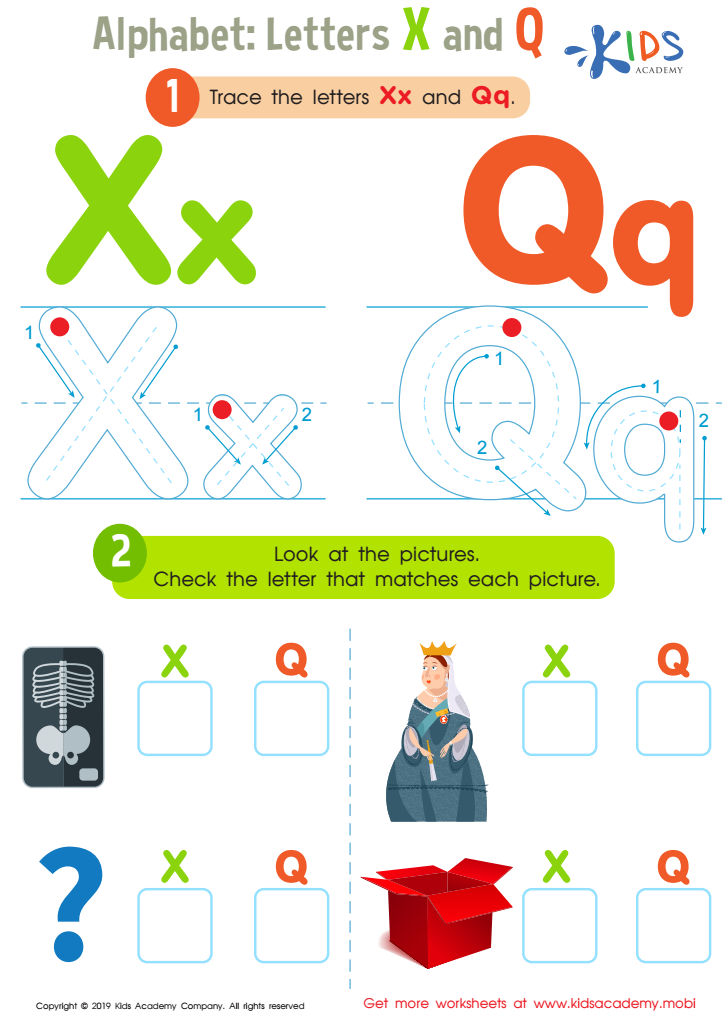
Letters X and Q Tracing Worksheet
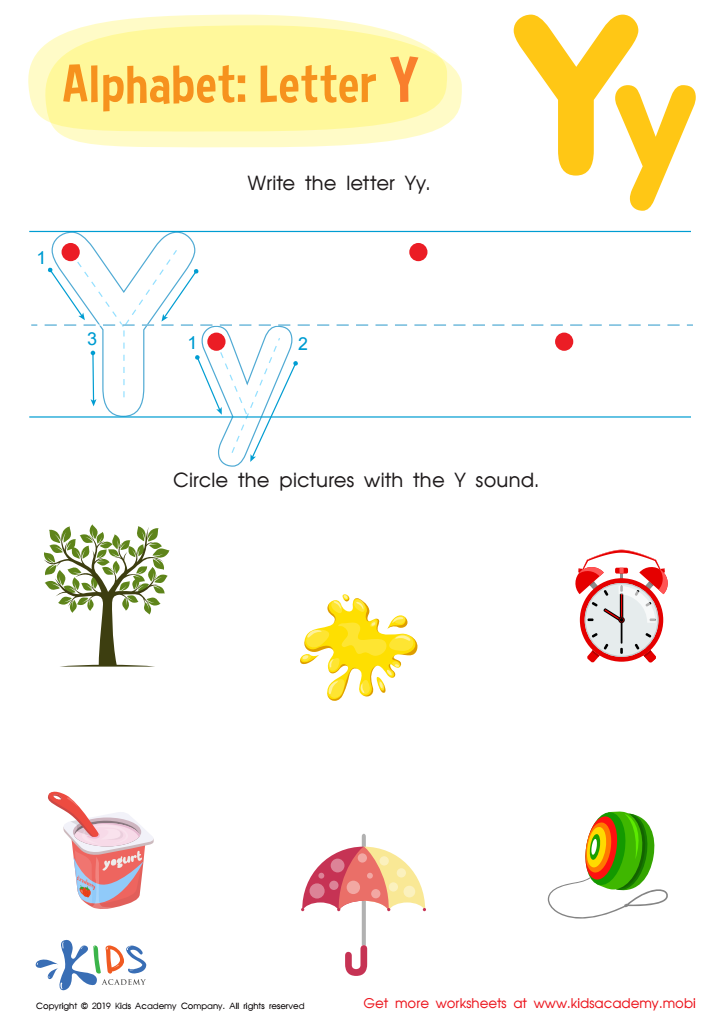
Letter Y Tracing Worksheet








Alphabet sequencing and tracing letters are crucial activities for children aged 5-8 as they lay the foundation for literacy skills. This stage is critical for developing reading and writing abilities, and parental or educator support is essential. Firstly, tracing letters helps strengthen fine motor skills, which are vital for proper handwriting. As children understand the shapes and forms of letters, they enhance their grip and coordination, crucial for later academic tasks.
Secondly, alphabet sequencing fosters phonemic awareness, reinforcing the sounds associated with each letter. This awareness is vital for reading fluency and comprehension. When children learn to correctly sequence letters, it aids in spelling and phonics, which are fundamental components of language development.
Moreover, tracing letters can boost confidence in young learners. When parents and teachers provide positive reinforcement during these activities, children are more likely to engage with the material and develop a love for learning. By prioritizing alphabet sequencing and letter tracing, parents and educators aid children's cognitive growth and prepare them for future literacy success, ensuring they become competent readers and writers. Ultimately, these skills form a critical part of their personal and academic development.








