Letter Tracing Practice Tracing Letters Worksheets for Ages 5-8
5 filtered results
-
From - To
Enhance your child's handwriting skills with our engaging Letter Tracing Practice Worksheets, designed specifically for ages 5-8. These printable activities make learning the alphabet fun and interactive, helping children master both uppercase and lowercase letter formation. With a variety of tracing exercises, kids can improve their fine motor skills and boost their confidence while preparing for more advanced writing tasks. Our worksheets are perfect for home or classroom use, providing a structured and supportive way to develop essential literacy skills. Download now and inspire a love of learning as your child embarks on their writing journey!
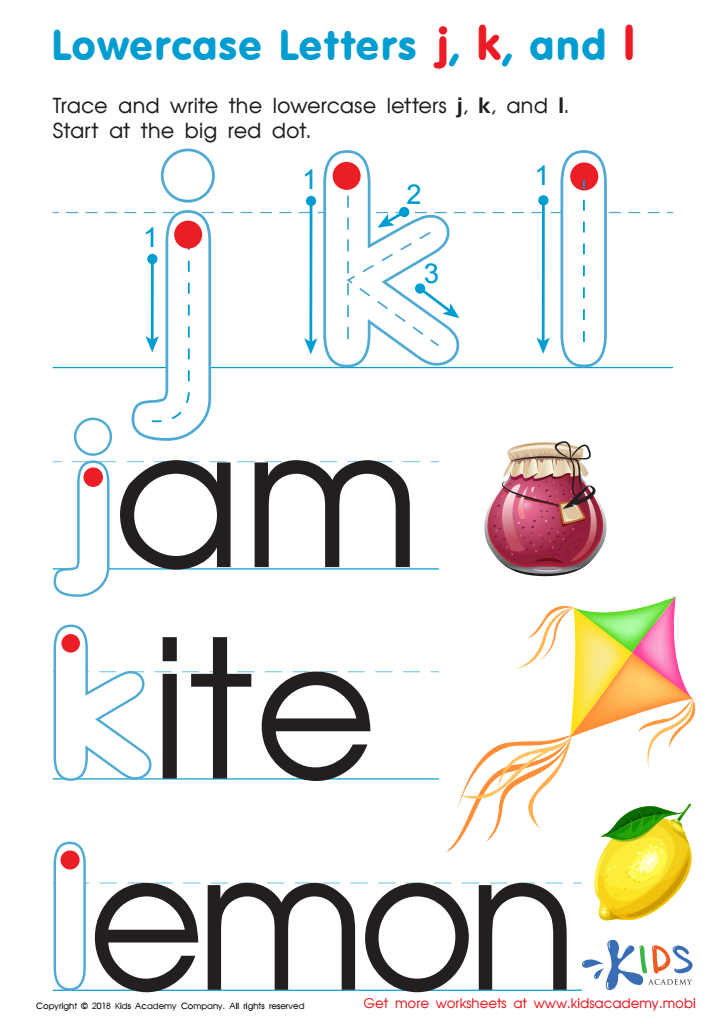
Lowercase Letters j k l Worksheet
 Assign to My Students
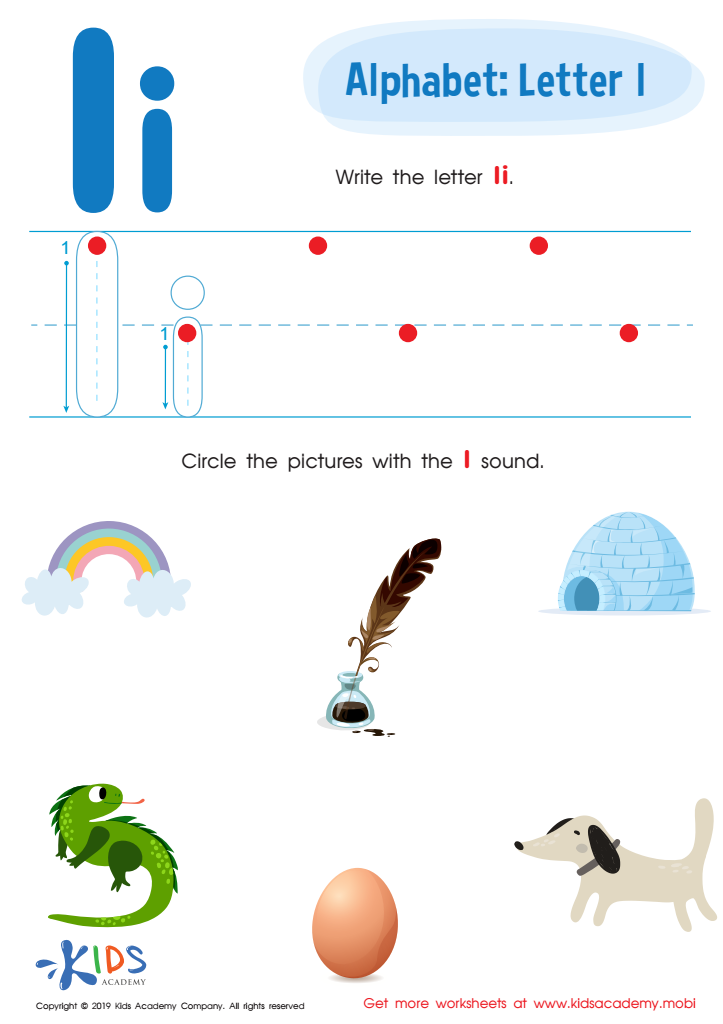
Letter I Tracing Worksheet
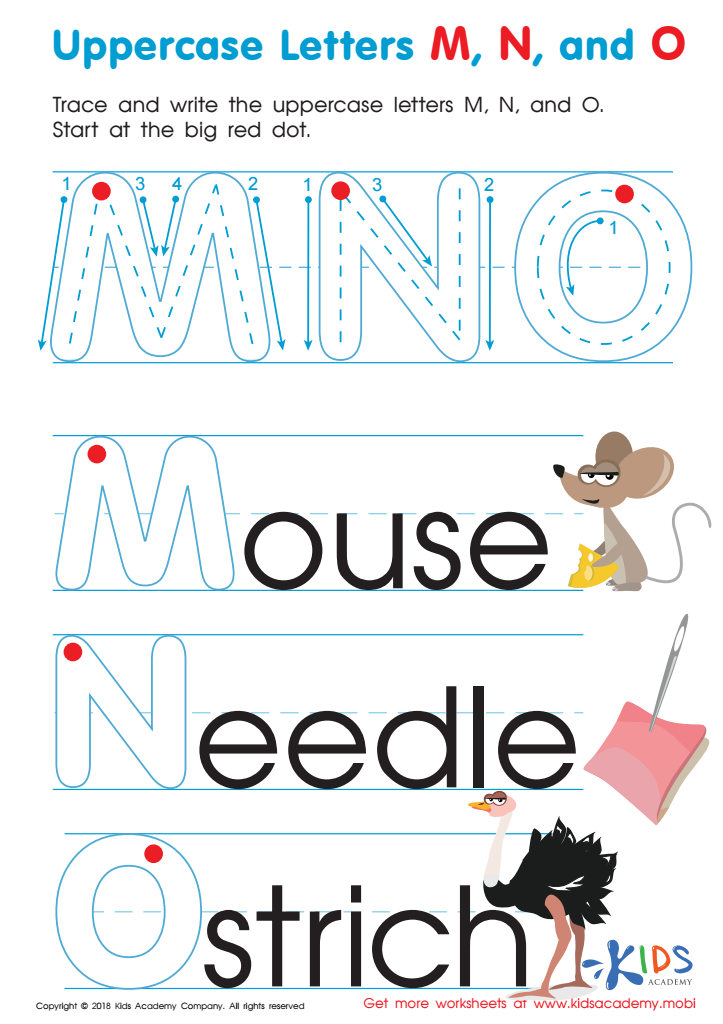
Uppercase Letters M, N, and O Worksheet
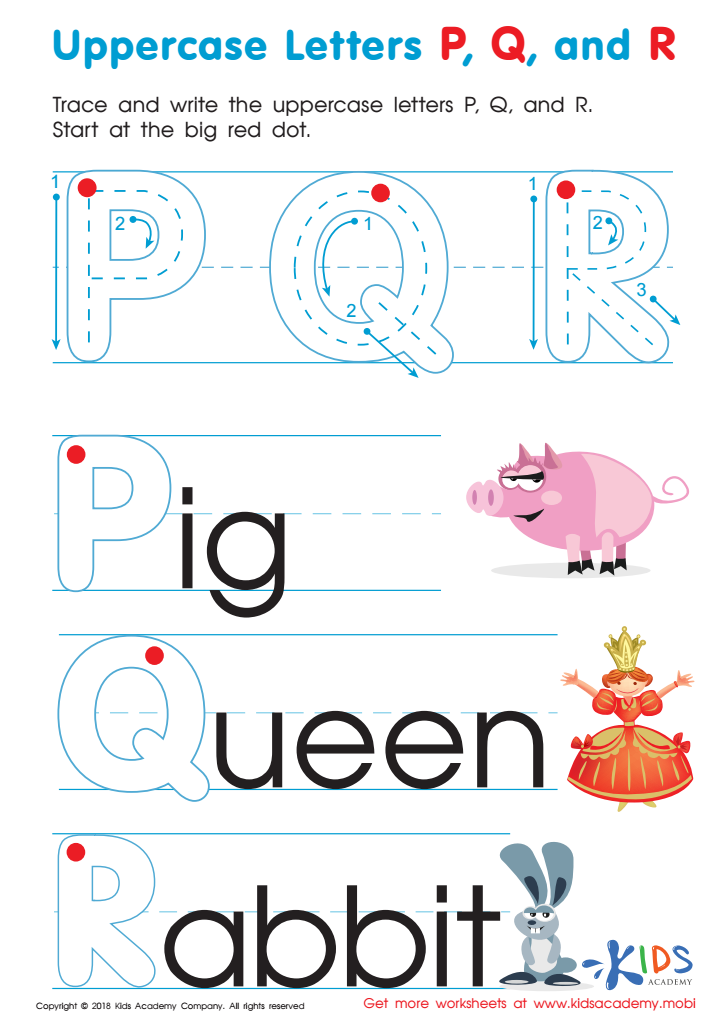
Uppercase Letters P, Q, and R Worksheet
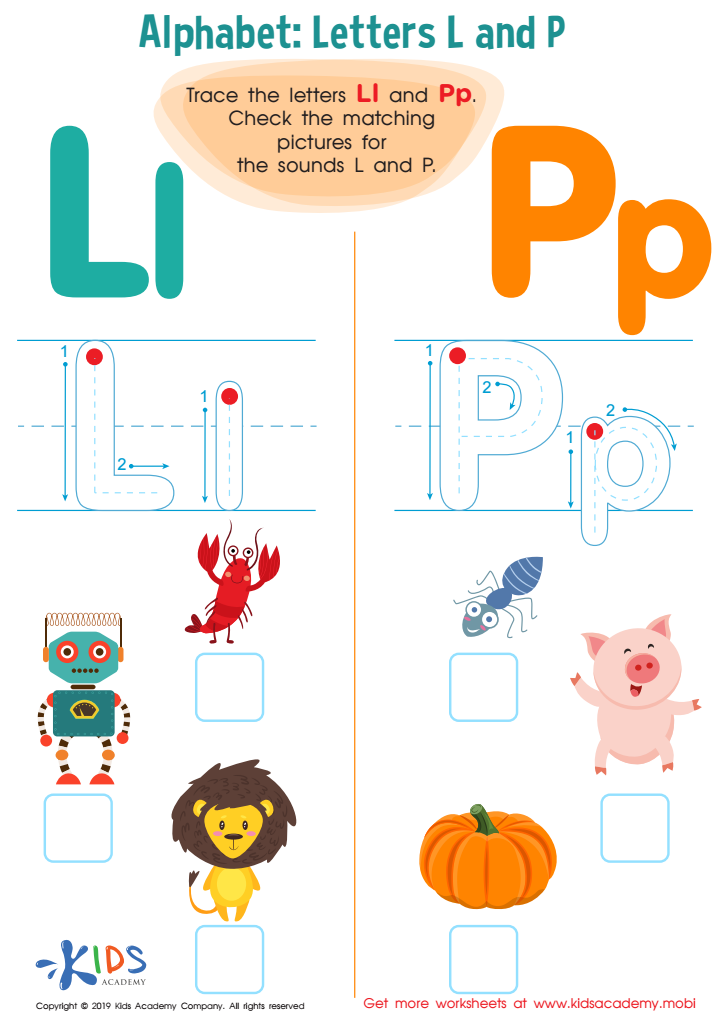
Letter L and P Tracing Worksheet








Letter tracing practice is essential for children aged 5 to 8 as it lays the foundation for their literacy development and fine motor skills. At this young age, children are refining their ability to control a pencil and stabilize their hand movements. Tracing letters helps them develop the necessary muscle memory for writing, promoting better handwriting in the future.
Parents and teachers should prioritize this practice because it directly impacts a child's confidence in reading and writing. As children trace letters, they become familiar with letter shapes, sizes, and directions, which enhances their phonemic awareness and decoding skills. This familiarity is vital for early reading, as it enables them to connect sounds to letters, facilitating word recognition and spelling.
Moreover, engaging in letter tracing can be a fun and interactive learning experience. It offers an opportunity for parents and teachers to bond with children while encouraging them to express creativity through colorful tracing activities. This enjoyable approach fosters a positive attitude toward learning, motivating young learners to develop and explore their abilities further.
Investing time in letter tracing practice equips children with essential skills that pave the way for future academic success, making it an invaluable focus for both parents and educators.








