Problem-Solving Skills Upper & Lowercase Letters Worksheets for Ages 5-8
3 filtered results
-
From - To
Enhance your child's literacy with our "Problem-Solving Skills Upper & Lowercase Letters Worksheets" designed for ages 5-8. These engaging worksheets combine alphabet practice with problem-solving activities to boost critical thinking while learning to identify and write both upper and lowercase letters. Perfect for early learners, each worksheet reinforces foundational skills such as letter recognition, sequencing, and matching through fun and interactive exercises. Ideal for classroom or home use, these printables make learning an enjoyable adventure, fostering confidence and mastery in your child’s early reading and writing journey.
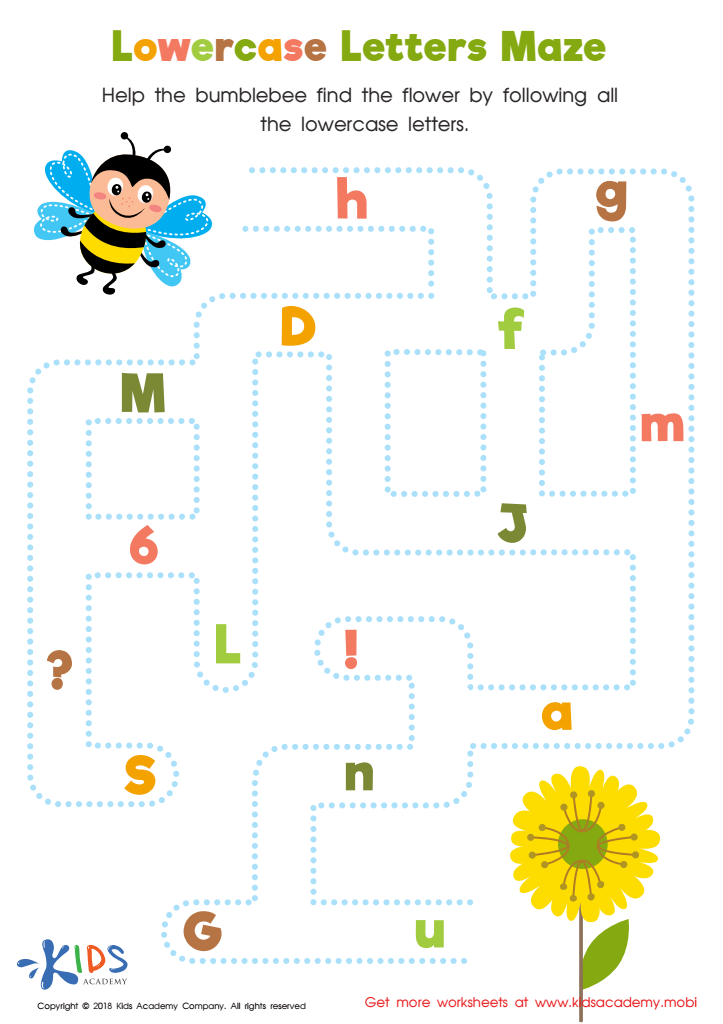
Lowercase Letters Maze Worksheet
 Assign to My Students

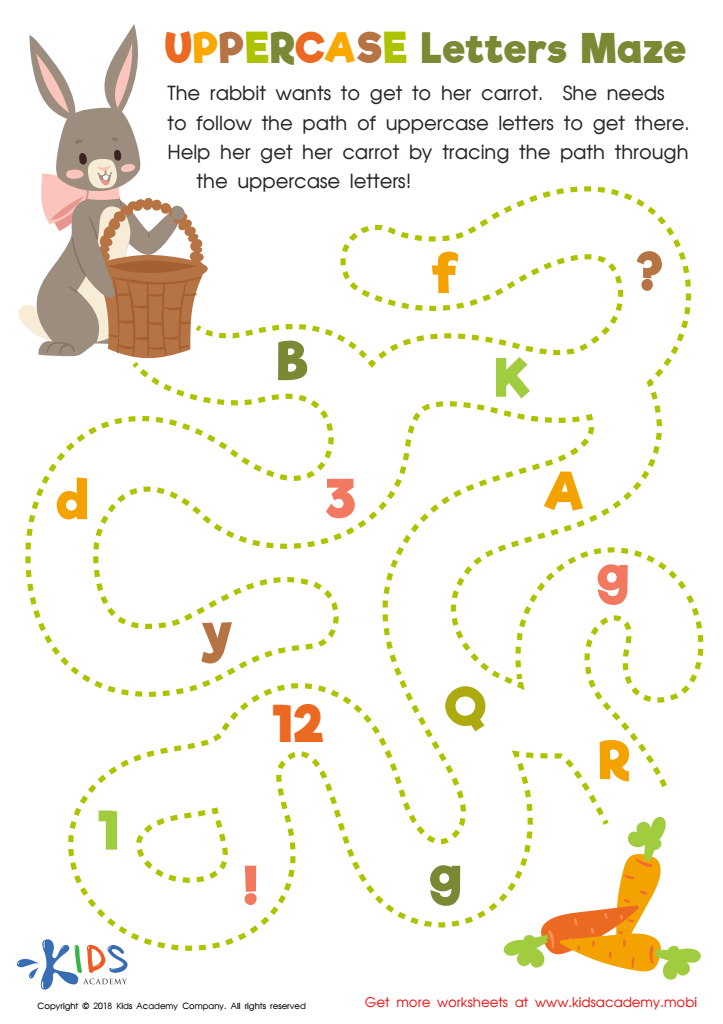
Uppercase Letters Maze Worksheet
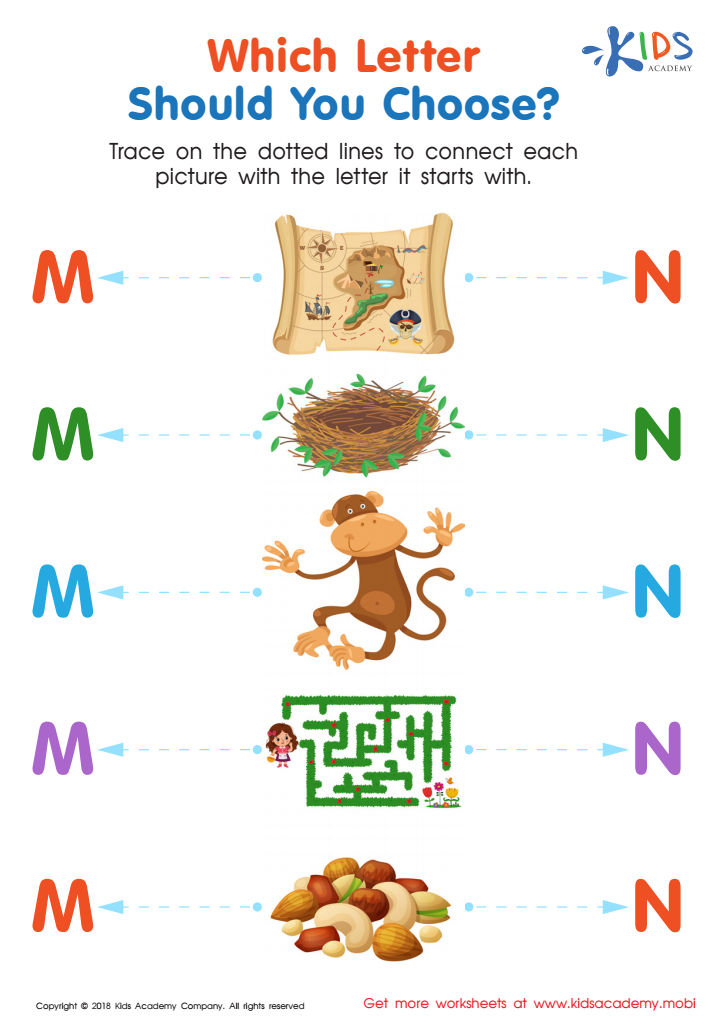
Which Letter Should you Choose? Worksheet






Developing problem-solving skills and an understanding of uppercase and lowercase letters in children aged 5-8 is crucial for several reasons:
Cognitive Development: Problem-solving exercises nurture critical thinking and cognitive abilities. When children encounter problems and work through solutions, their brains create connections that enhance memory, reasoning, and comprehension.
Foundational Skills: Recognizing and properly using uppercase and lowercase letters are fundamental to literacy. Mastery of these skills is linked to reading and writing proficiency, which are vital for academic success.
Confidence and Independence: Successfully solving problems, even simple ones, bolsters a child's confidence. This sense of achievement spurs a willingness to take on more challenges, promoting independence in learning and everyday tasks.
Communication: Proper use of uppercase and lowercase letters is crucial for effective communication. Correct capitalization ensures that children can clearly articulate their messages and understand written content, making it a vital literacy skill.
Future Learning: Early development of these skills lays a strong base for future learning. Children who excel at problem-solving and recognize letter nuances tend to transition more smoothly into advanced topics and complex texts as they grow older.
In sum, emphasizing problem-solving and letter recognition in early education supports broader developmental goals, ensuring children are confident, effective learners and communicators.







