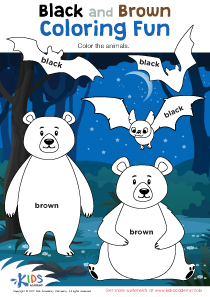
Letter recognition English for Beginners Worksheets for Ages 5-8 - Page 2
41 filtered results
-
From - To
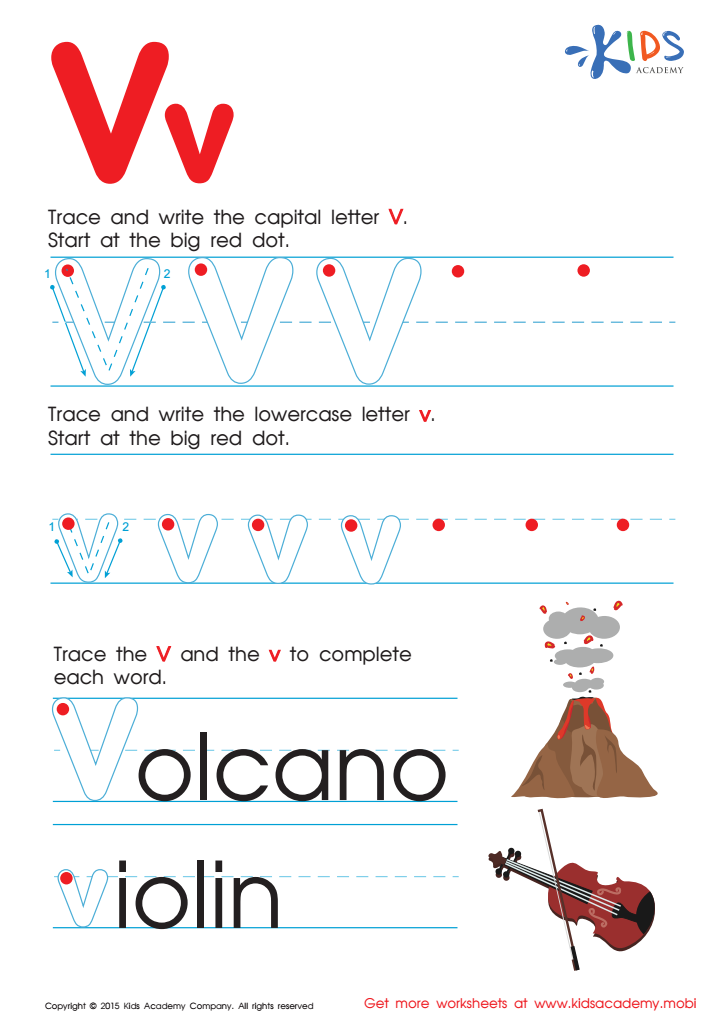
Letter V Tracing Page
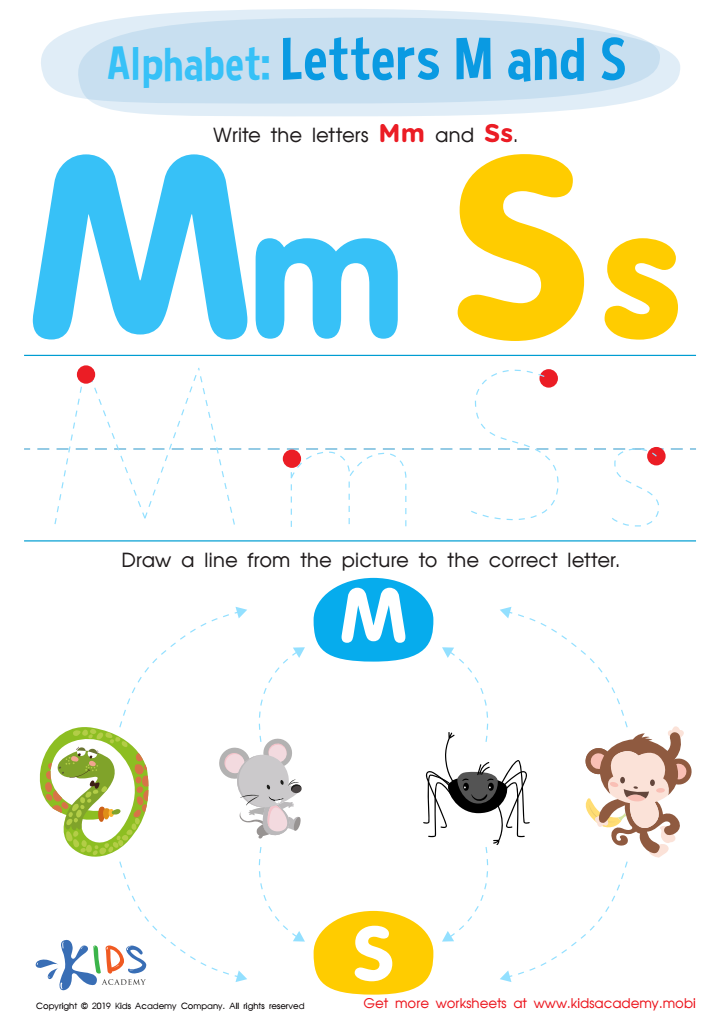
Letters M and S Tracing Worksheet
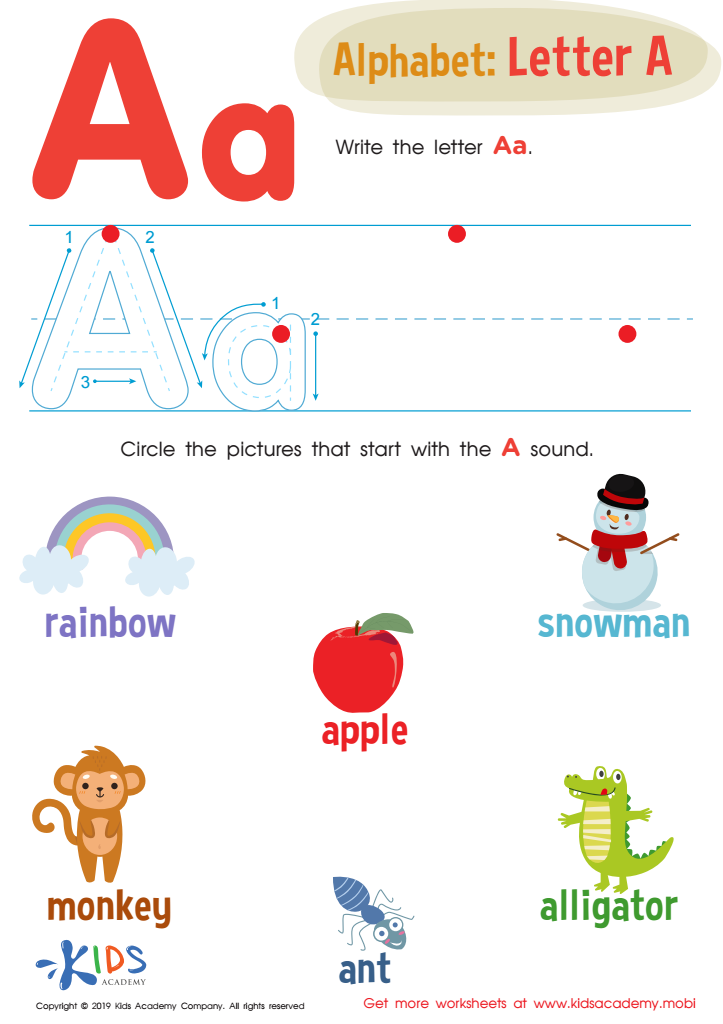
Letter A Tracing Worksheet
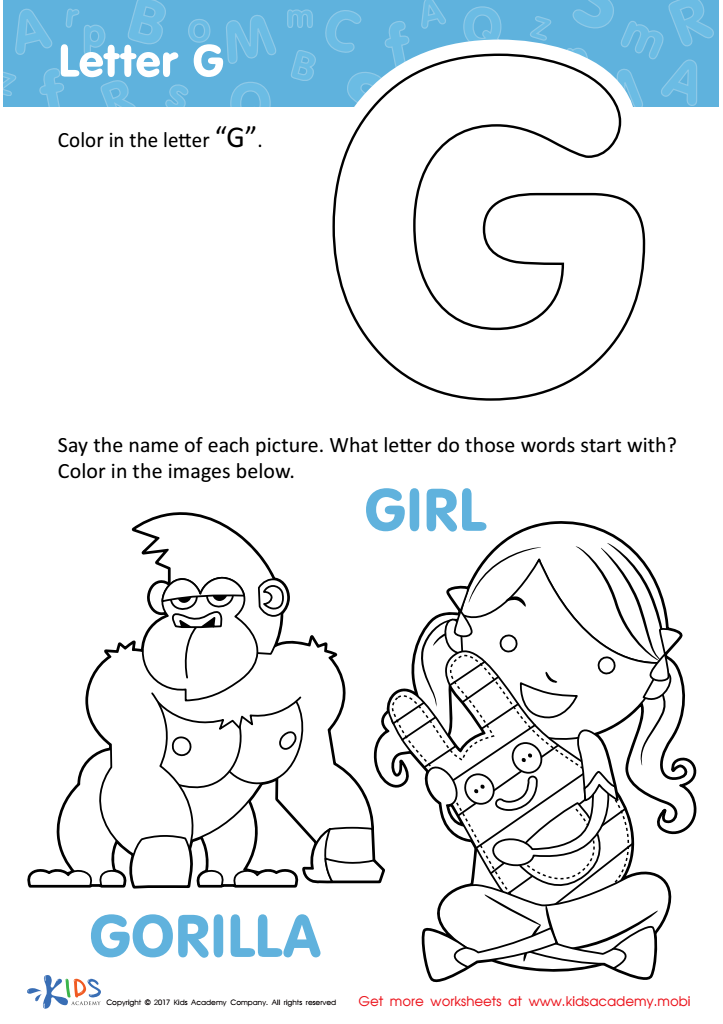
Letter G Coloring Sheet
 Assign to My Students
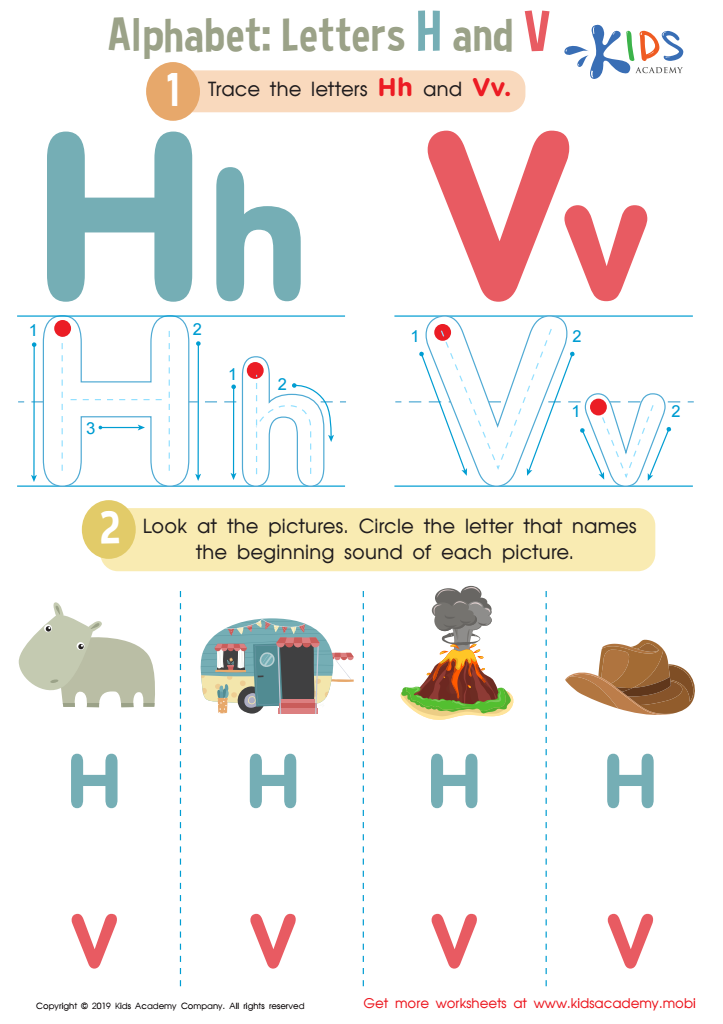
Letters H and V Tracing Worksheet
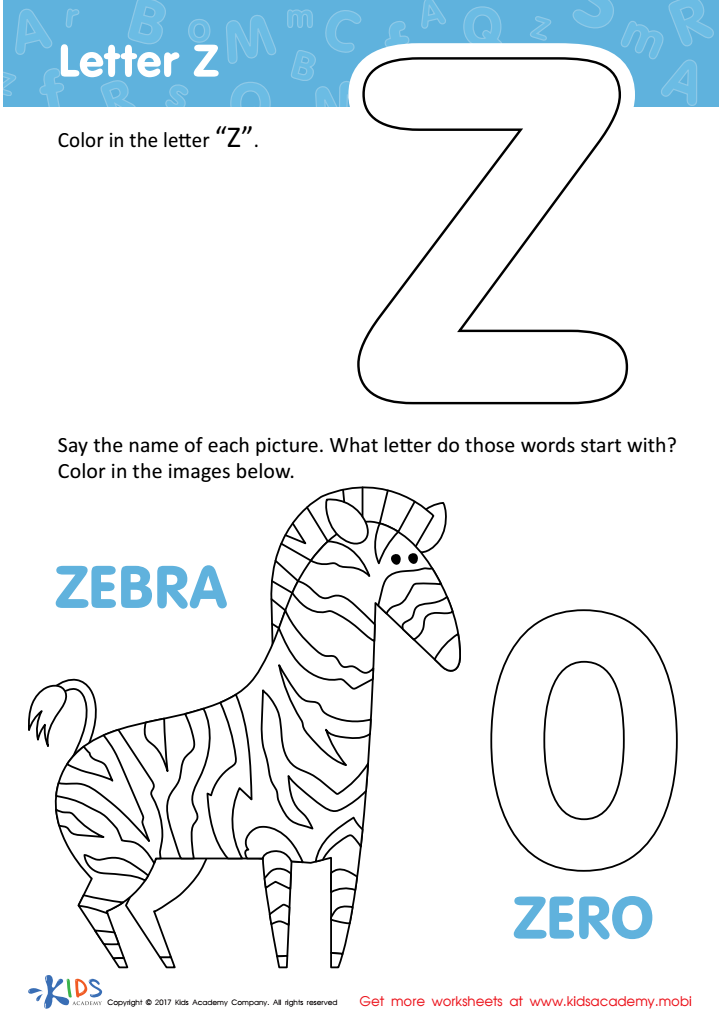
Letter Z Coloring Sheet
Assign to My Students
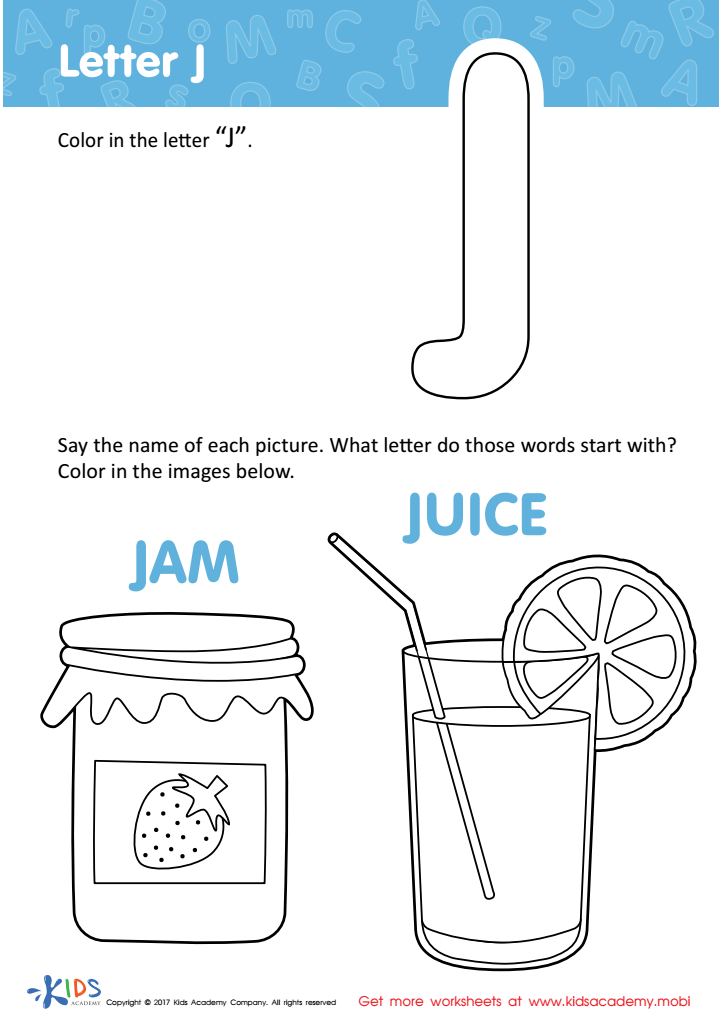
Letter J Coloring Sheet
Assign to My Students
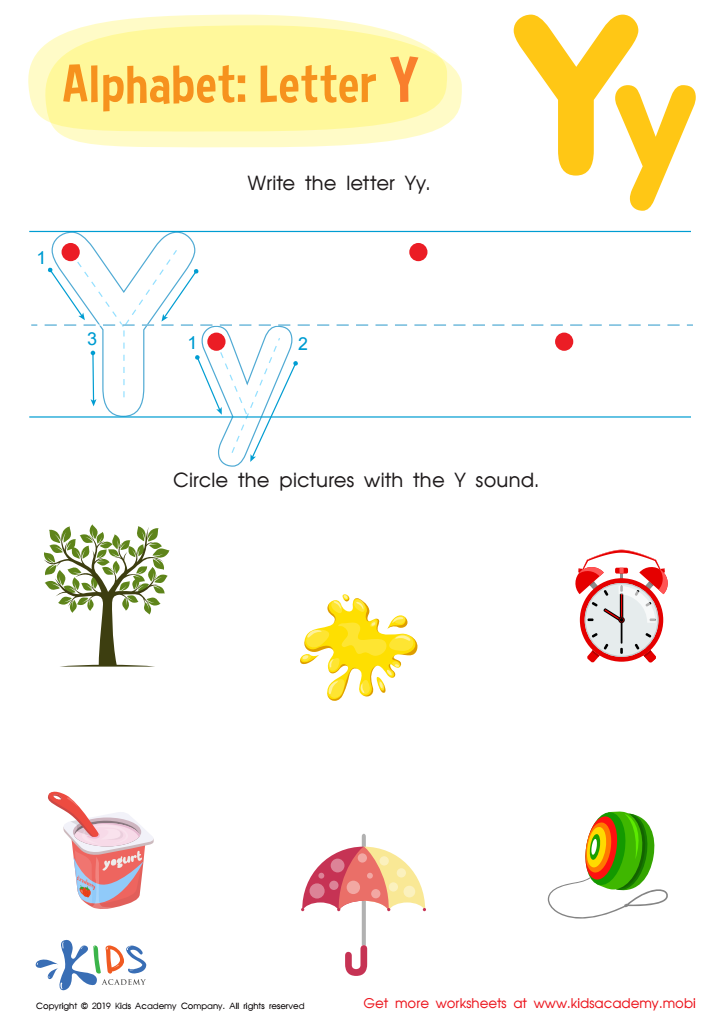
Letter Y Tracing Worksheet
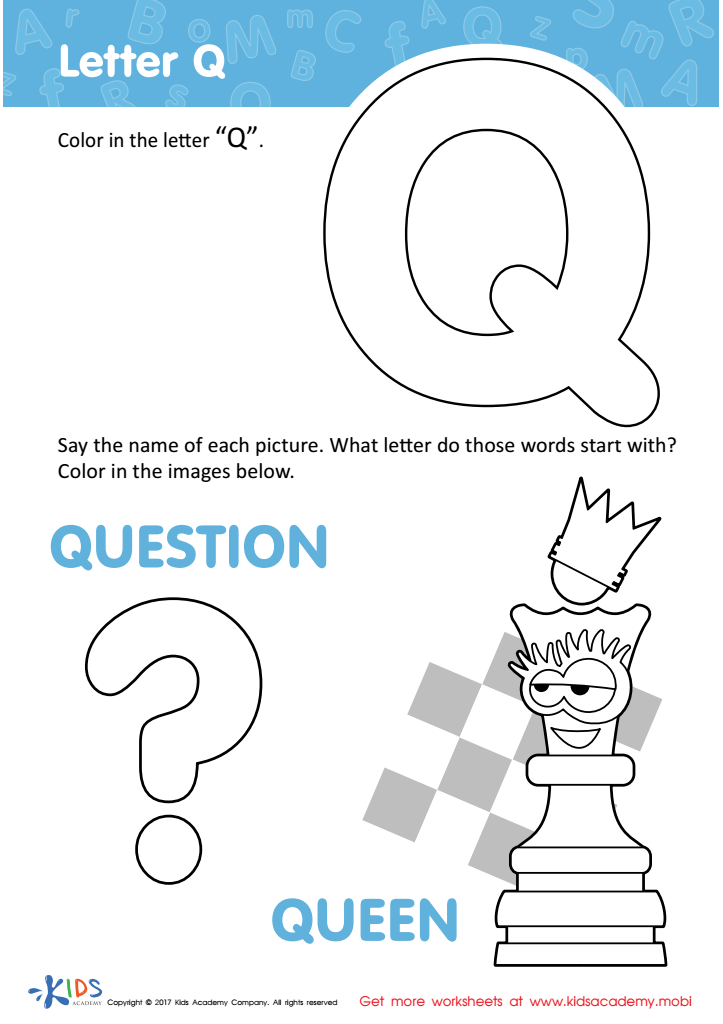
Letter Q Coloring Sheet
Assign to My Students
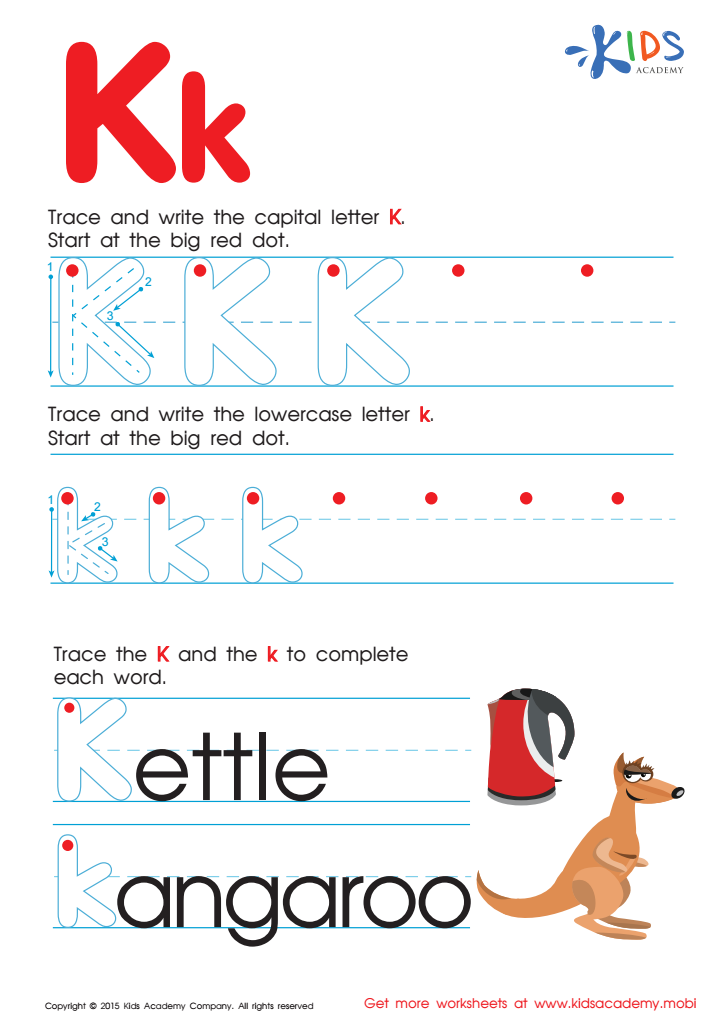
Letter K Tracing Page
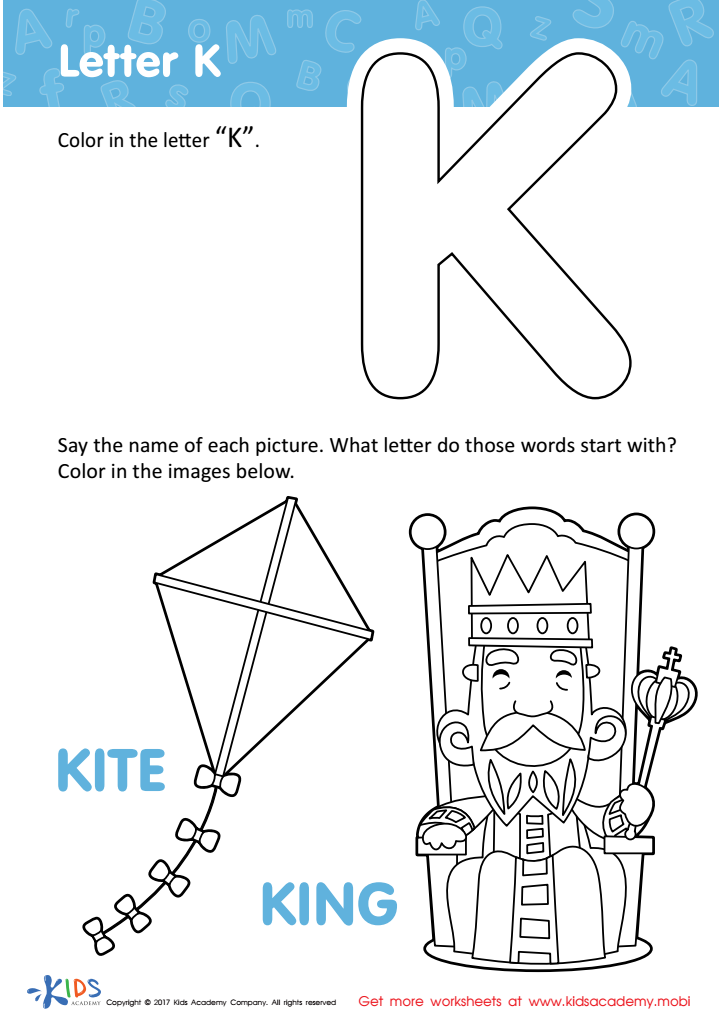
Letter K Coloring Sheet
Assign to My Students

Letter F Tracing Page

Long and Short E Worksheet
Assign to My Students
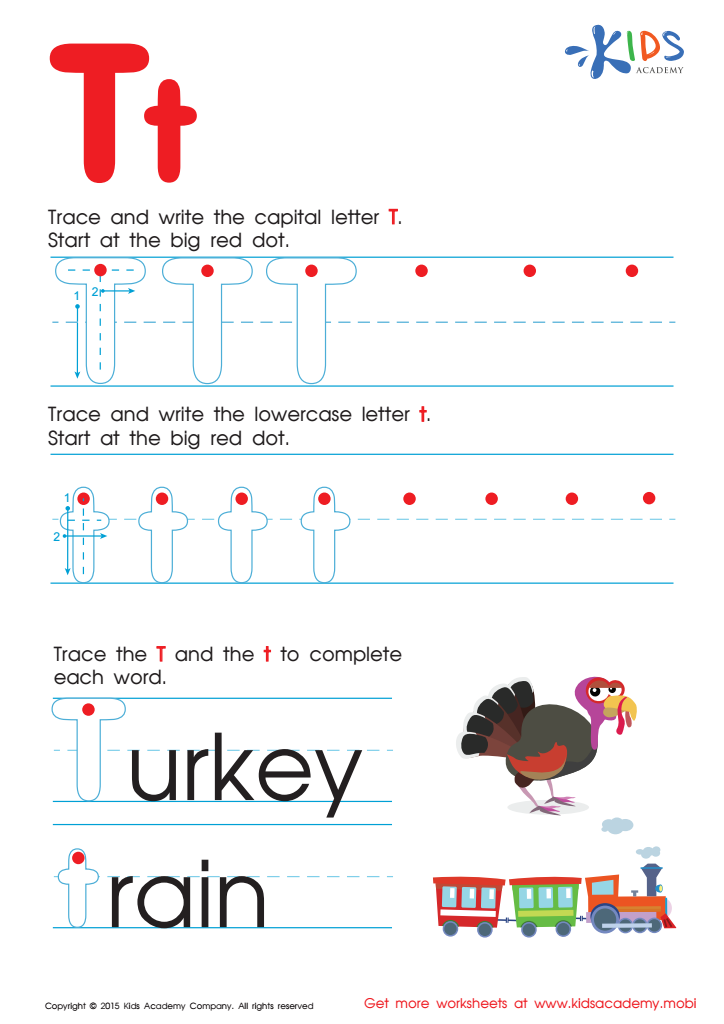
Letter T Tracing Page
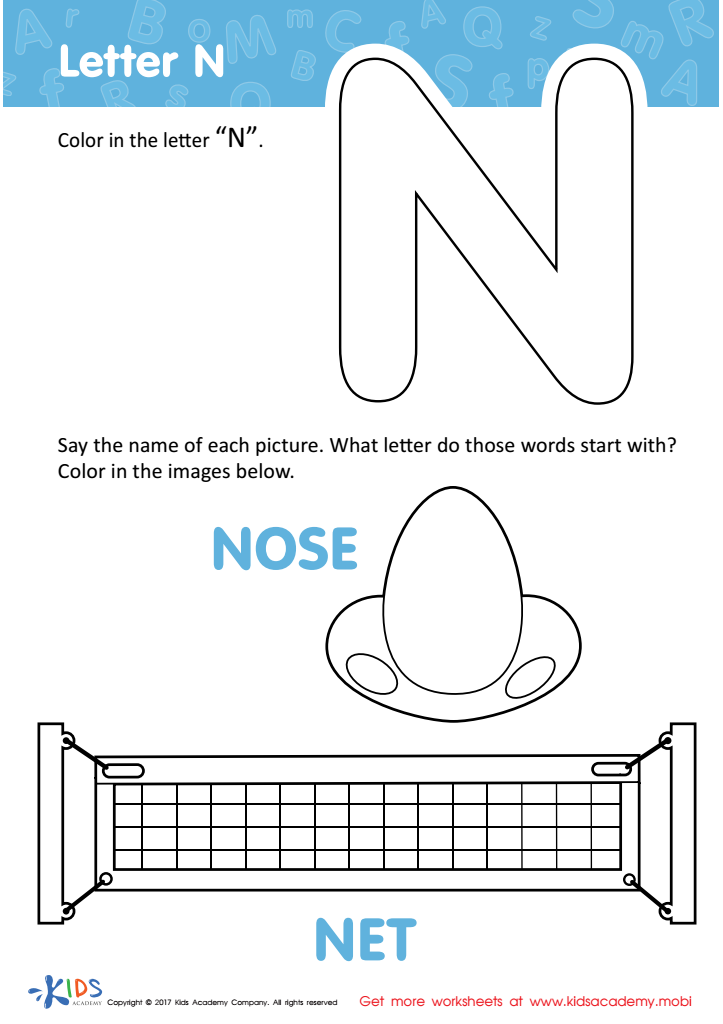
Letter N Coloring Sheet
Assign to My Students
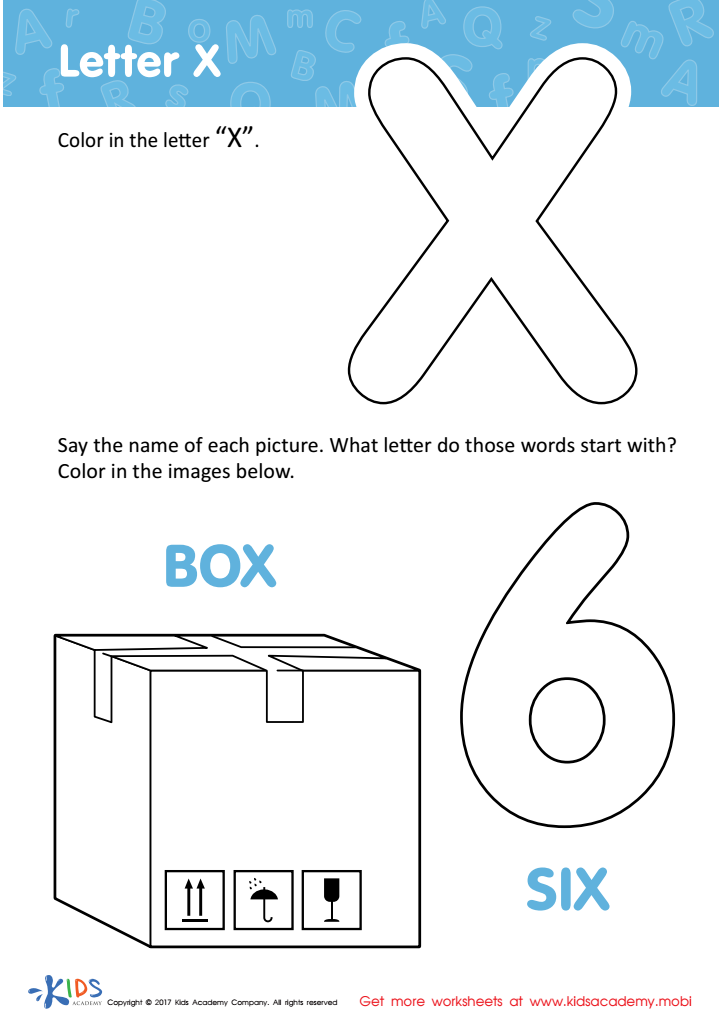
Letter X Coloring Sheet
Assign to My Students

Letter D Tracing Page





Letter recognition is a foundational skill in early literacy and essential for children aged 5-8, as it serves as a gateway to reading and writing. When parents and teachers emphasize letter recognition, they help children build the necessary competencies to decode words, understand phonics, and develop spelling skills. Recognizing letters enhances a child's ability to connect sounds to symbols, which is critical for word formation and comprehension.
Furthermore, successful letter recognition boosts confidence and motivation in young learners. When students confidently identify letters, they are more likely to engage with texts and participate in literacy activities, fostering a love for reading. This emotional connection to literacy encourages lifelong learning and curiosity.
Additionally, the ability to recognize letters lays the groundwork for other essential skills, such as vocabulary development and critical thinking. Through playful and engaging activities, educators and parents can turn letter recognition into a fun experience, ensuring that students remain excited about their learning journey.
Ultimately, supporting letter recognition not only aids academic success but also cultivates essential communication skills, empowering children to express themselves effectively as they grow. For these reasons, prioritizing letter recognition in early education is crucial for holistic development.