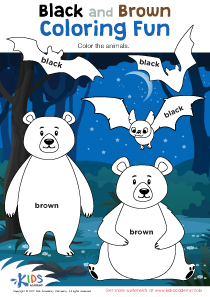
Letter Tracing English for Beginners Worksheets for Ages 5-8
6 filtered results
-
From - To
Explore our "Letter Tracing English for Beginners Worksheets for Ages 5-8"—perfect for young learners! These engaging and educational worksheets are designed to help children master letter formation and improve their writing skills in a fun and interactive way. Each worksheet provides a step-by-step guide to trace and practice both uppercase and lowercase letters, enhancing fine motor skills and building a solid foundation for reading and writing. Ideal for ESL learners, these resources support language acquisition and boost confidence through repetitive practice. Start your child's literacy journey today with our expertly crafted letter tracing worksheets!
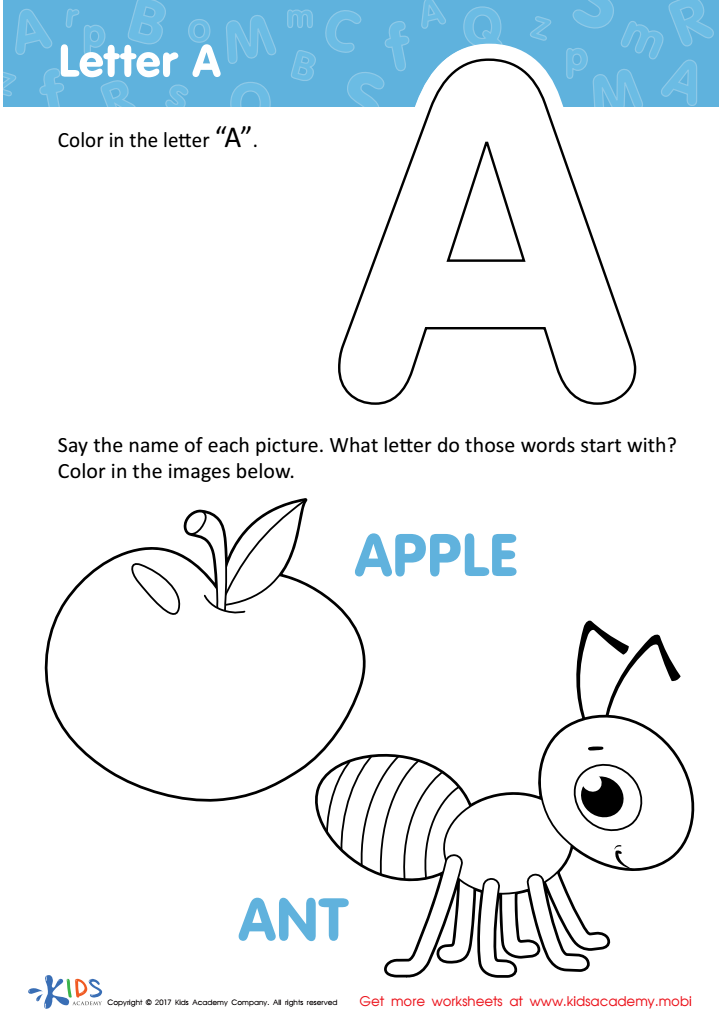
Letter A Coloring Sheet
 Assign to My Students
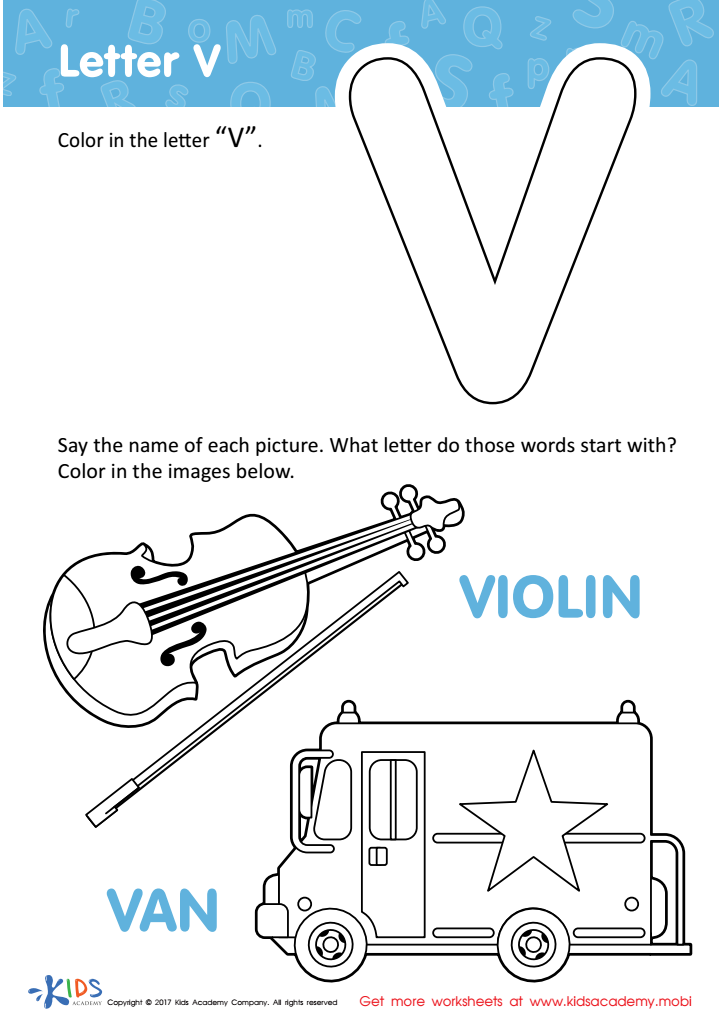
Letter V Coloring Sheet
Assign to My Students
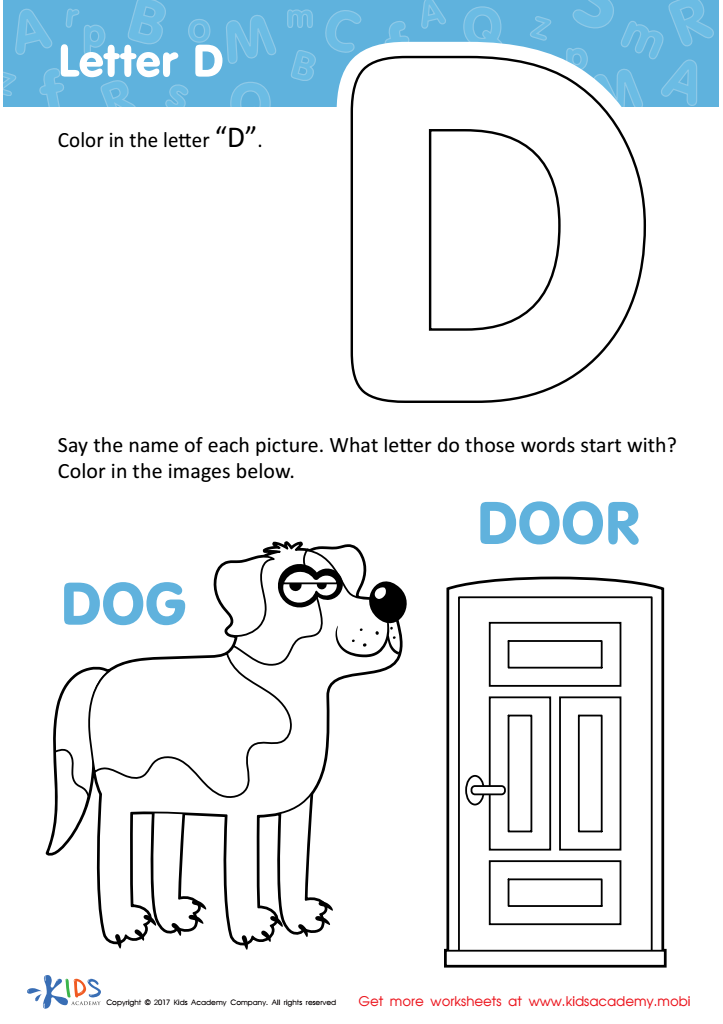
Letter D Coloring Sheet
Assign to My Students
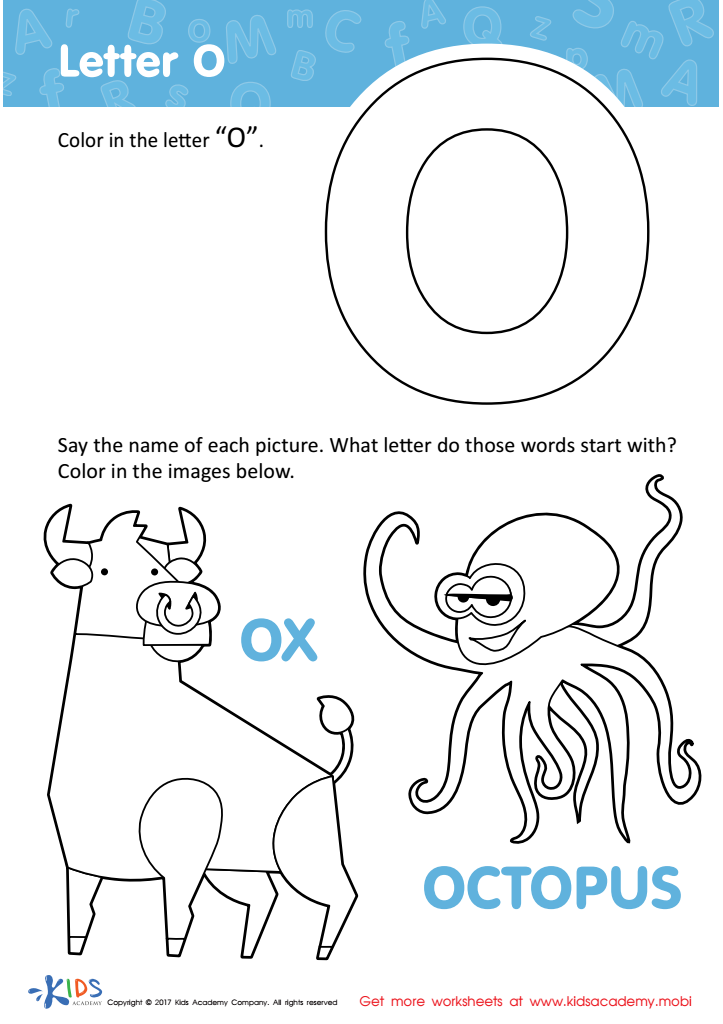
Letter O Coloring Sheet
Assign to My Students
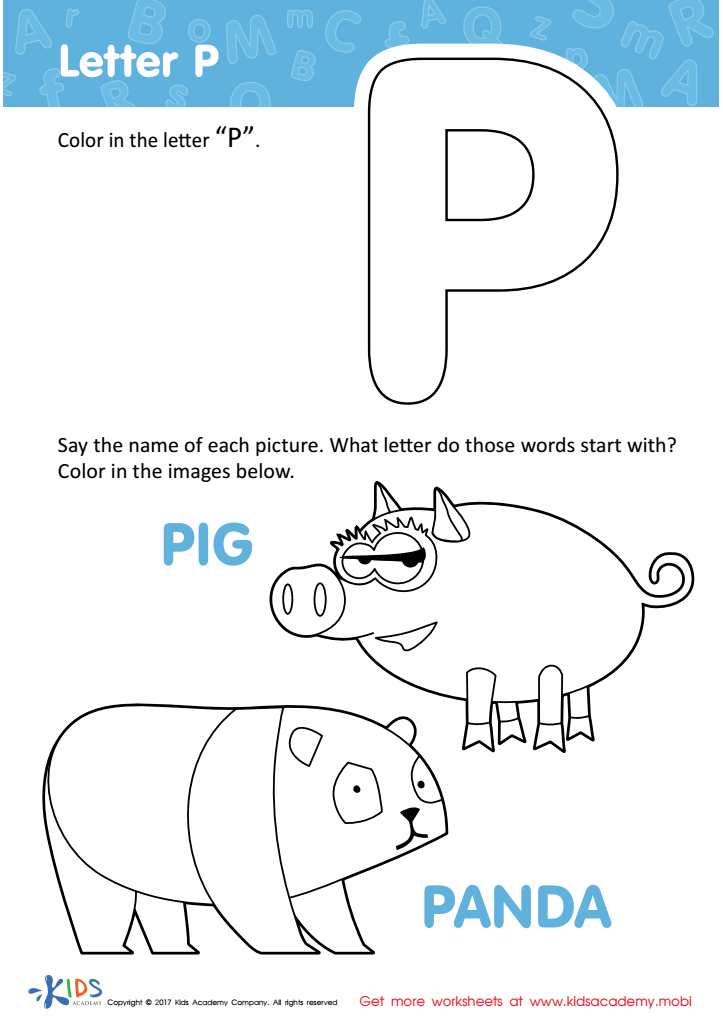
Letter P Coloring Sheet
Assign to My Students
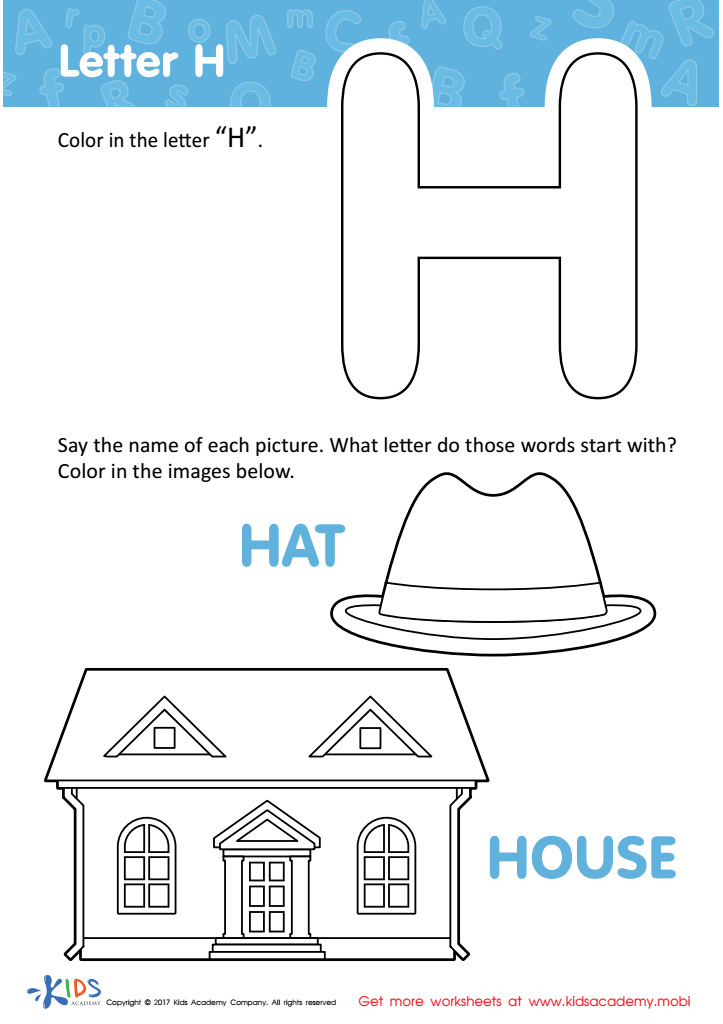
Letter H Coloring Sheet
Assign to My Students





Parents and teachers should give importance to letter tracing for beginners aged 5-8 because it lays the foundational skills necessary for literacy development. During early childhood, children are at a critical stage for acquiring motor skills and cognitive abilities that facilitate reading and writing. Letter tracing helps young learners develop fine motor skills and hand-eye coordination, which are crucial for writing. By tracing letters, children can practice the correct formation of each character, ensuring that they learn the standard shapes and strokes.
Moreover, this activity reinforces alphabet recognition and pronunciation, vital components of early language acquisition. Familiarity with letters and their sounds forms the basis for phonemic awareness, allowing children to progress to more complex reading and writing tasks. Letter tracing also fosters concentration and patience, as children learn to focus on completing the task and take time to perfect their writing skills.
Additionally, the structured practice provided through letter tracing builds confidence in young students. When children feel confident in their ability to write letters correctly, they are more likely to take risks in writing and reading, contributing to overall academic achievement.
Therefore, integrating letter tracing into early learning environments encourages skill development that supports long-term educational success, making it an essential tool for young learners' growth.