Applying math skills Worksheets for Ages 5-8
3 filtered results
-
From - To
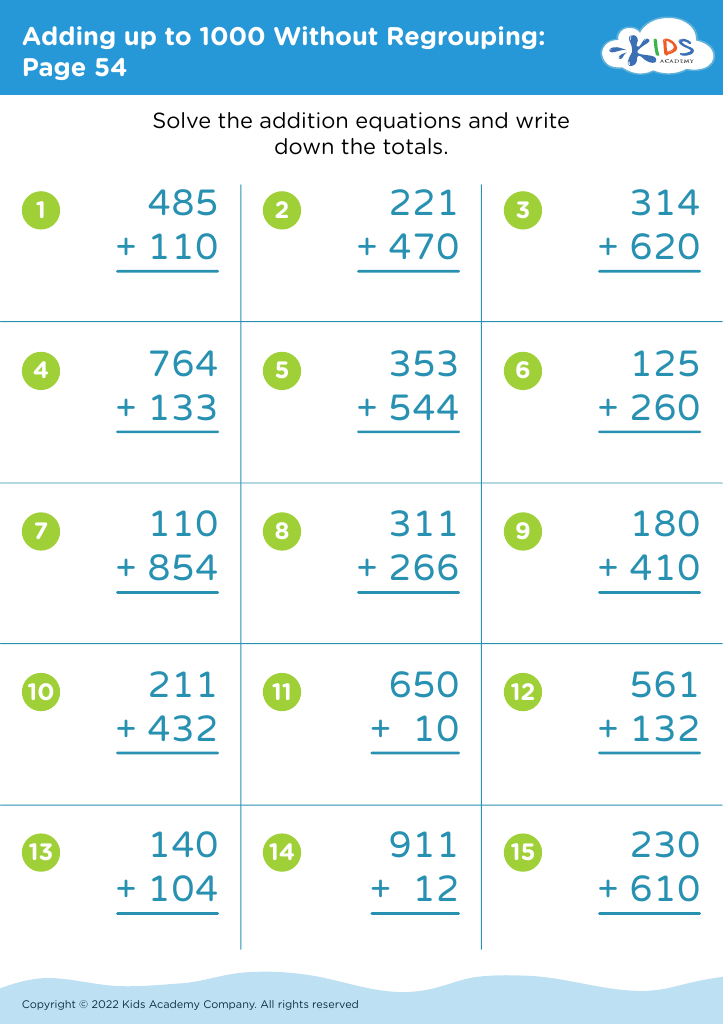
Discover our engaging Applying Math Skills Worksheets designed for children aged 5-8, perfect for enhancing their mathematical understanding! These printable worksheets encourage young learners to apply essential math concepts through fun, interactive activities. Covering topics such as addition, subtraction, and basic problem-solving, our materials promote critical thinking and boost confidence in math. With colorful illustrations and user-friendly layouts, these worksheets are ideal for both classroom and home use. Help your child build a solid foundation in math while enjoying the learning process. Explore our collection today and watch your little ones thrive in their math skills!
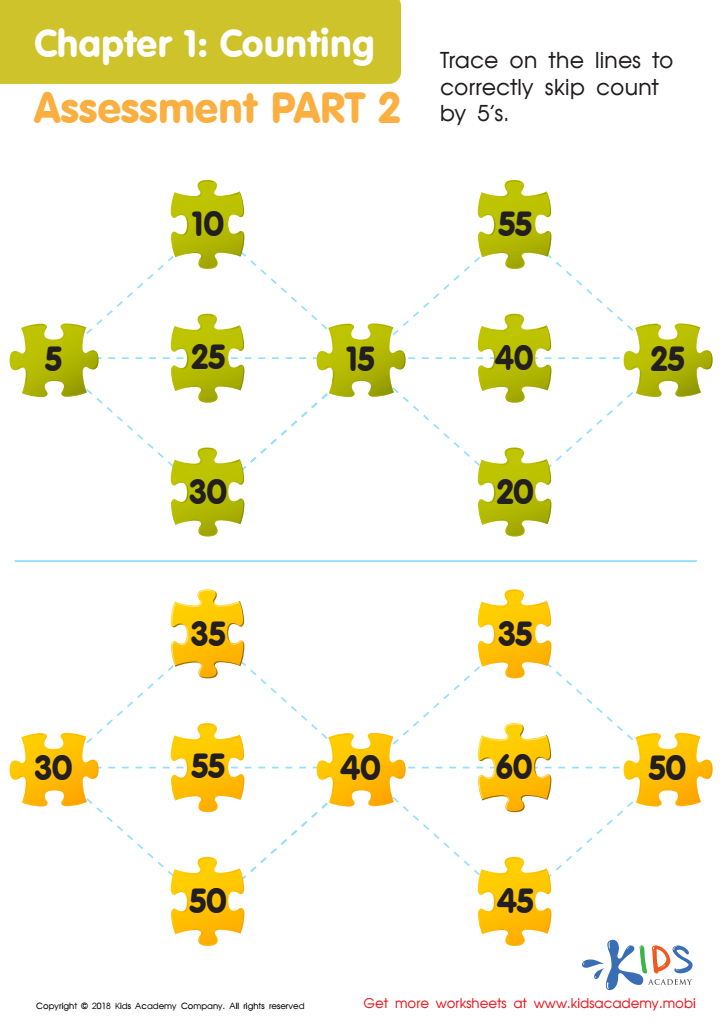
Counting: Assessment 2 Worksheet
 Assign to My Students
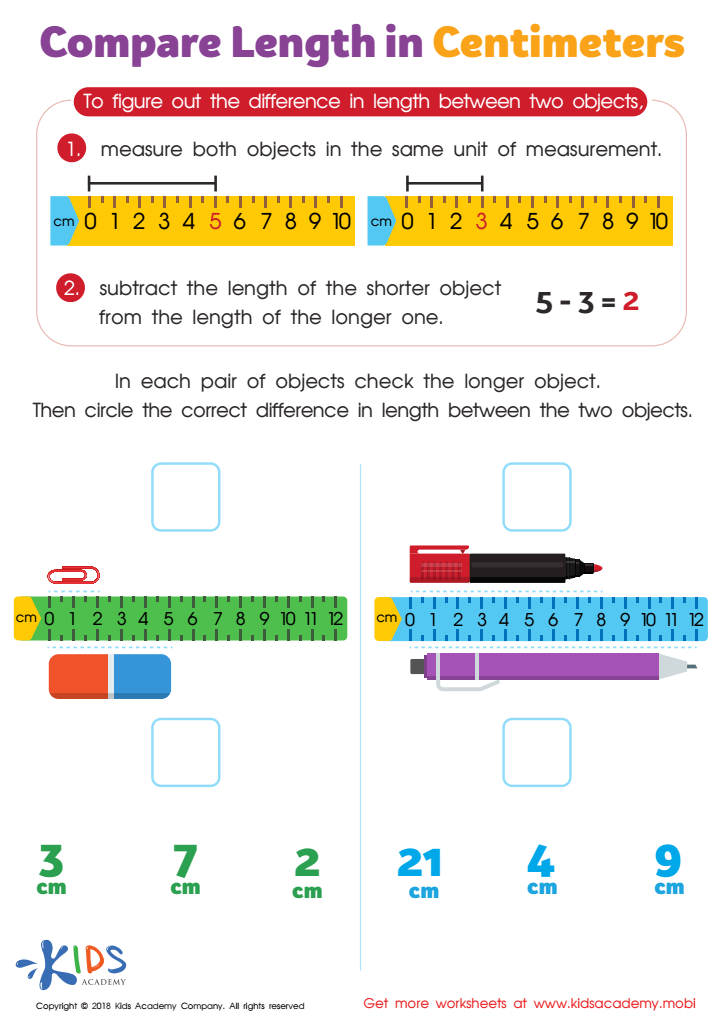
Compare Length in Centimeters Worksheet







Parents and teachers should prioritize applying math skills for children aged 5-8 because this foundational stage is crucial for effective learning and development. At this age, children's brains are highly receptive to new concepts, making them more adaptable and open to discovering mathematical ideas in real-world contexts. Integrating math skills into everyday activities not only enhances their understanding of numbers, shapes, and patterns but also builds problem-solving abilities and critical thinking.
Moreover, developing strong math skills early on can positively impact children's self-confidence and attitude towards learning. Engaging children in hands-on experiences, such as cooking, shopping, or playing games, helps them see the relevance of math in daily life, making the subject more relatable and less intimidating. This approach demystifies math and promotes a growth mindset, encouraging children to tackle challenges without fear of failure.
Additionally, research shows that early competency in math is linked to future academic success, opening doors to opportunities in their educational journey. By fostering a love for math and ensuring a solid foundation, parents and teachers can empower children, preparing them for more complex concepts as they progress through school. Ultimately, prioritizing practical math skills now lays the groundwork for lifelong learning and critical thinking.








