Basic arithmetic comprehension Worksheets for Ages 5-8
6 filtered results
-
From - To
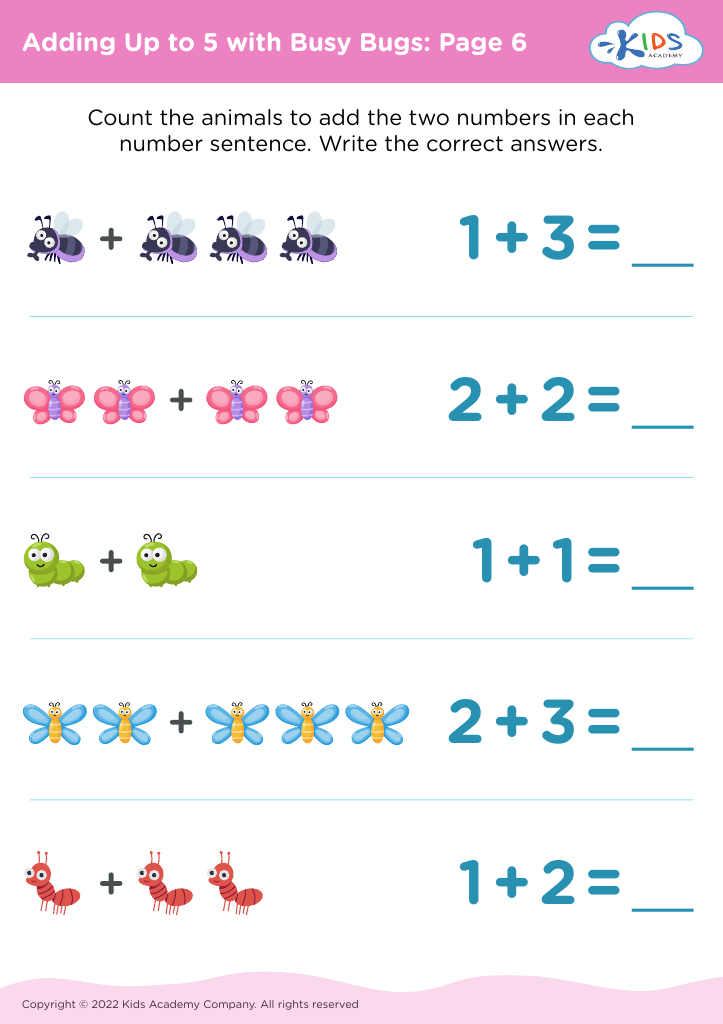
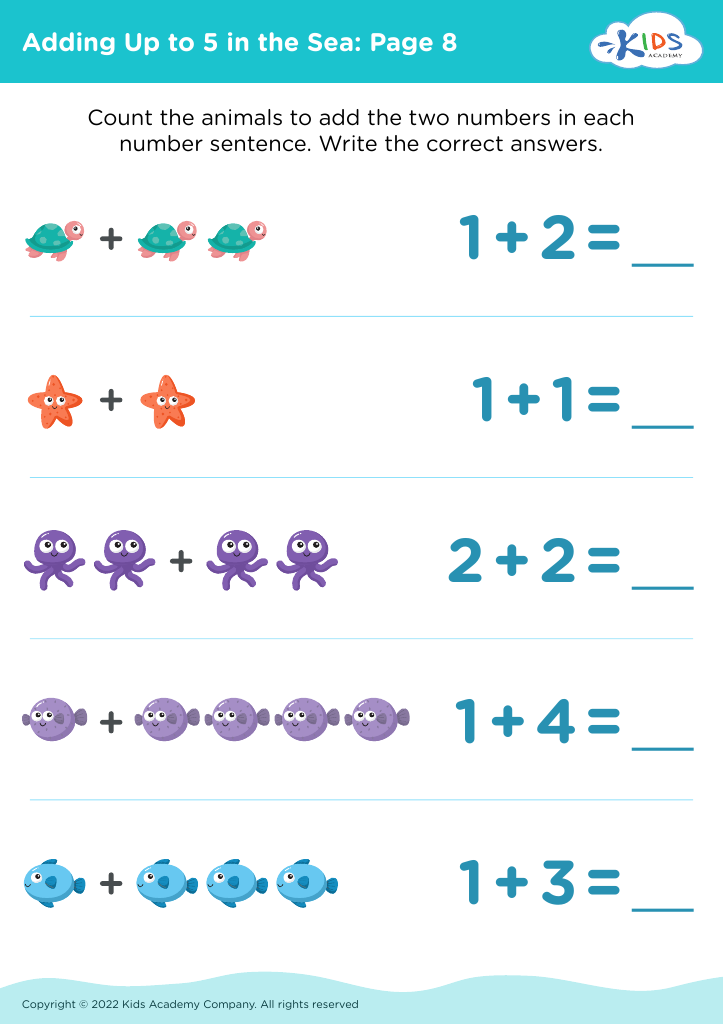
Discover our engaging Basic Arithmetic Comprehension Worksheets designed for children ages 5-8! These worksheets provide a fun and interactive way to reinforce essential math skills, including addition, subtraction, and understanding simple math concepts. Each worksheet is thoughtfully crafted to inspire critical thinking and develop problem-solving abilities in young learners. Perfect for both classroom use and at-home practice, our worksheets cater to various learning styles and skill levels, ensuring every child can build confidence in their arithmetic skills. Explore our collection today and help your child master basic arithmetic comprehension while enjoying the learning process!
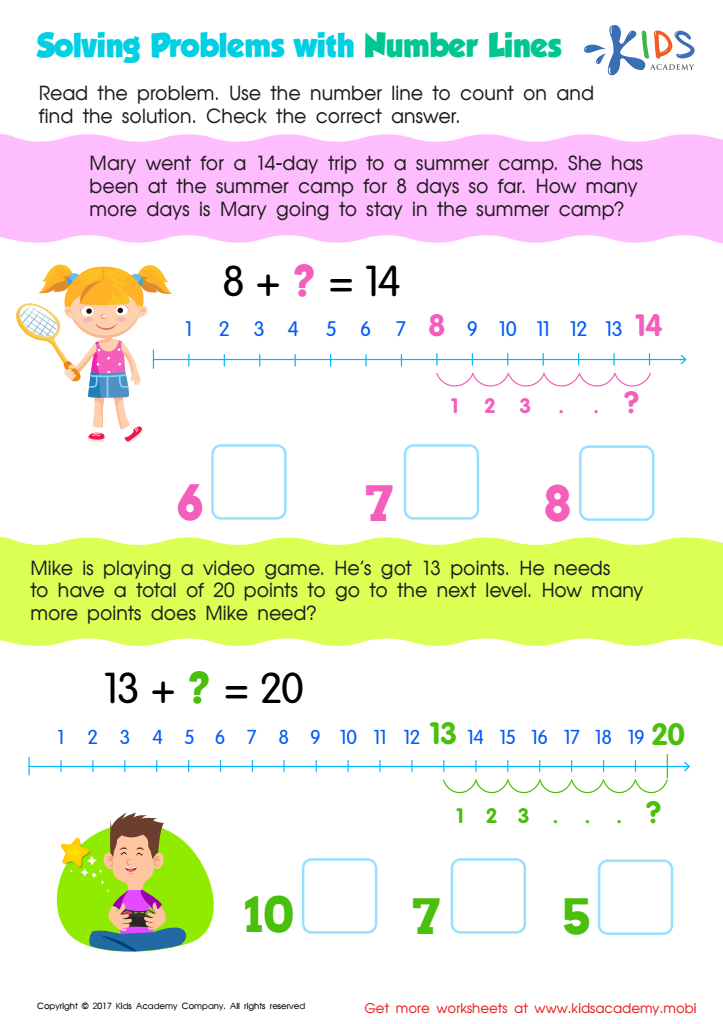
Solving Problems: Number Lines Worksheet
 Assign to My Students
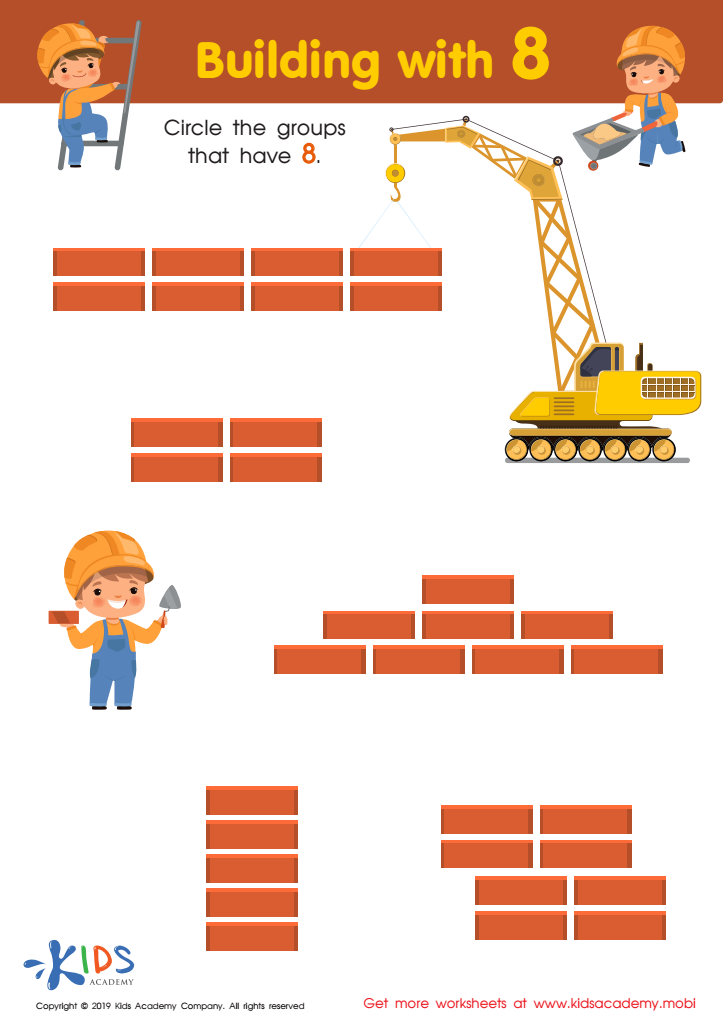
Building with 8 Worksheet
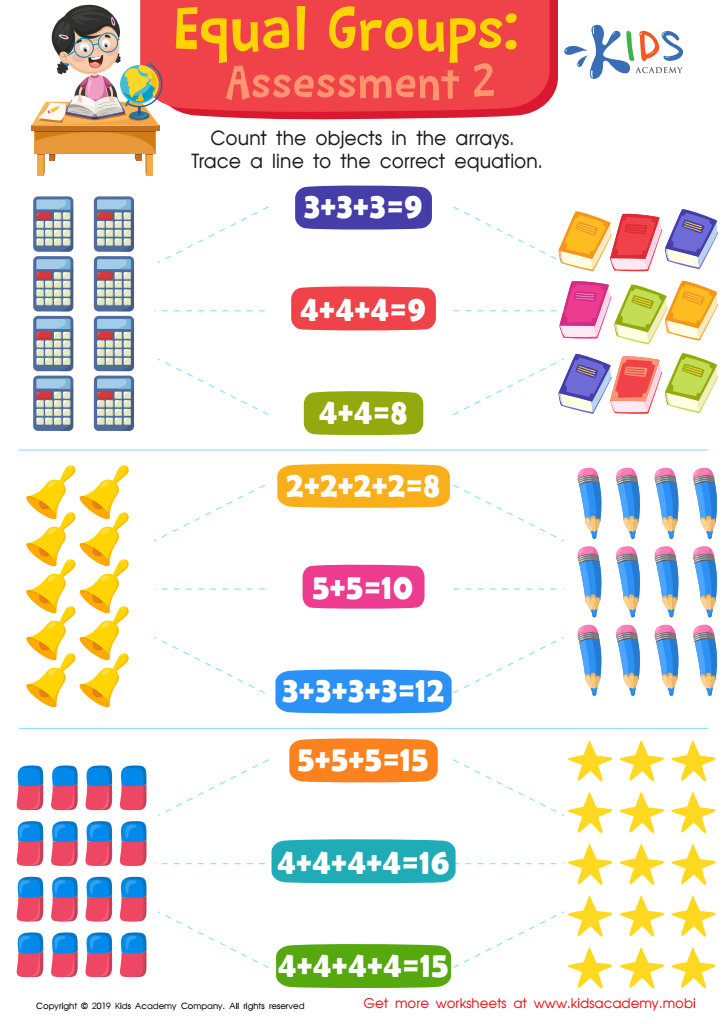
Equal Groups: Assessment 2 Worksheet
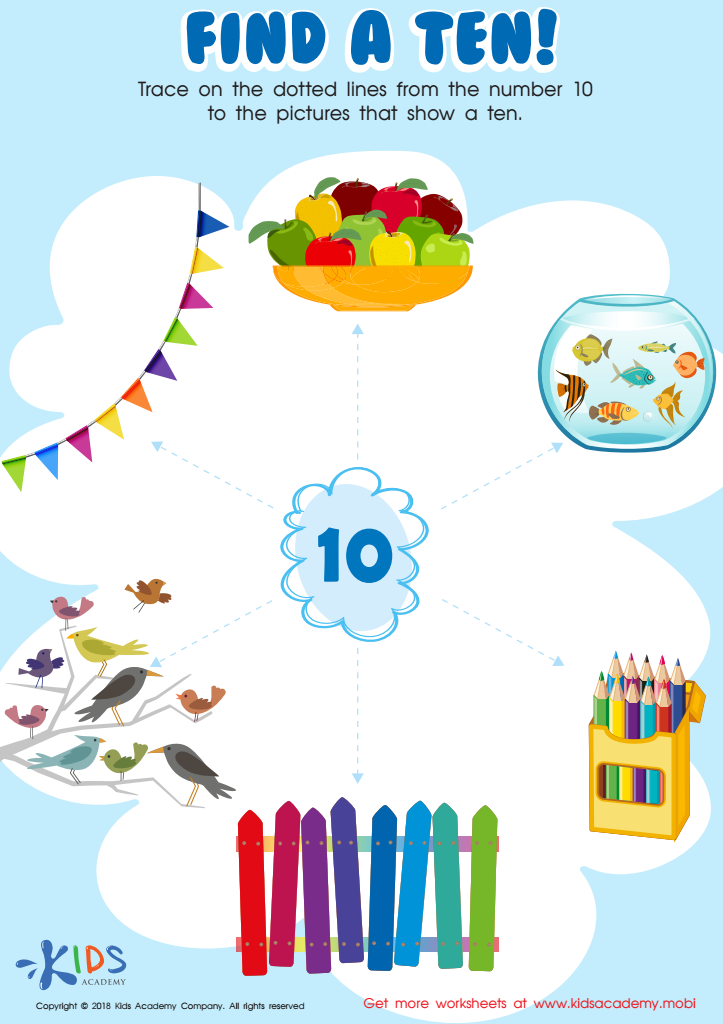
Kindergarten Math Worksheet: Find a Ten





.jpg)

Basic arithmetic comprehension for children aged 5-8 lays the foundation for their future mathematical understanding and overall academic success. At this age, children begin to grasp fundamental concepts like addition, subtraction, and number sense, which are crucial in everyday life. A solid understanding of these basics not only boosts their confidence in math but also enhances critical thinking and problem-solving skills.
Moreover, early arithmetic skills foster cognitive development and promote logical reasoning. When parents and teachers prioritize arithmetic comprehension, they create opportunities for interactive learning, encouraging children to explore and engage with numbers in a fun and practical manner. This interactive approach nurtures a love for learning and stimulates curiosity.
Additionally, arithmetic skills are intertwined with subjects beyond math, influencing reading comprehension and science reasoning. For example, word problems enhance literacy skills while reinforcing mathematical concepts.
Investing effort and resources into teaching arithmetic at this age has the potential to mitigate math anxiety later in life and set the stage for future academic achievements. By recognizing the long-term benefits of mastering basic arithmetic comprehension, parents and teachers can better support children in becoming well-rounded learners capable of tackling more complex subjects as they progress through their education.








