Building vocabulary Worksheets for Ages 5-8
7 filtered results
-
From - To
Boost your child’s language skills with our "Building Vocabulary Worksheets for Ages 5-8". These carefully designed resources aim to enhance young learners' vocabulary through engaging and interactive activities. From word matching and picture labeling to fun-filled puzzles, our worksheets make learning new words a joyful experience. Suitable for classroom or home use, they cater to various learning styles, ensuring every child can benefit. Support your child’s educational journey and watch their confidence grow as they master new words and expand their linguistic abilities. Visit Kids Academy for more enriching worksheets tailored to your child's developmental needs.
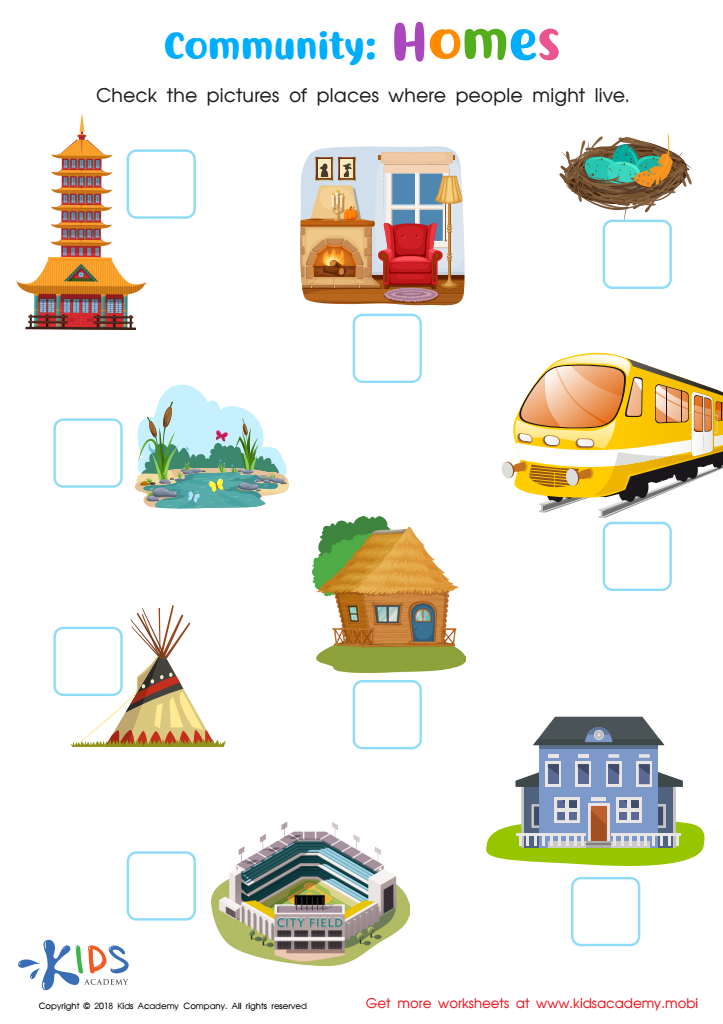
Community: Homes Worksheet
 Assign to My Students
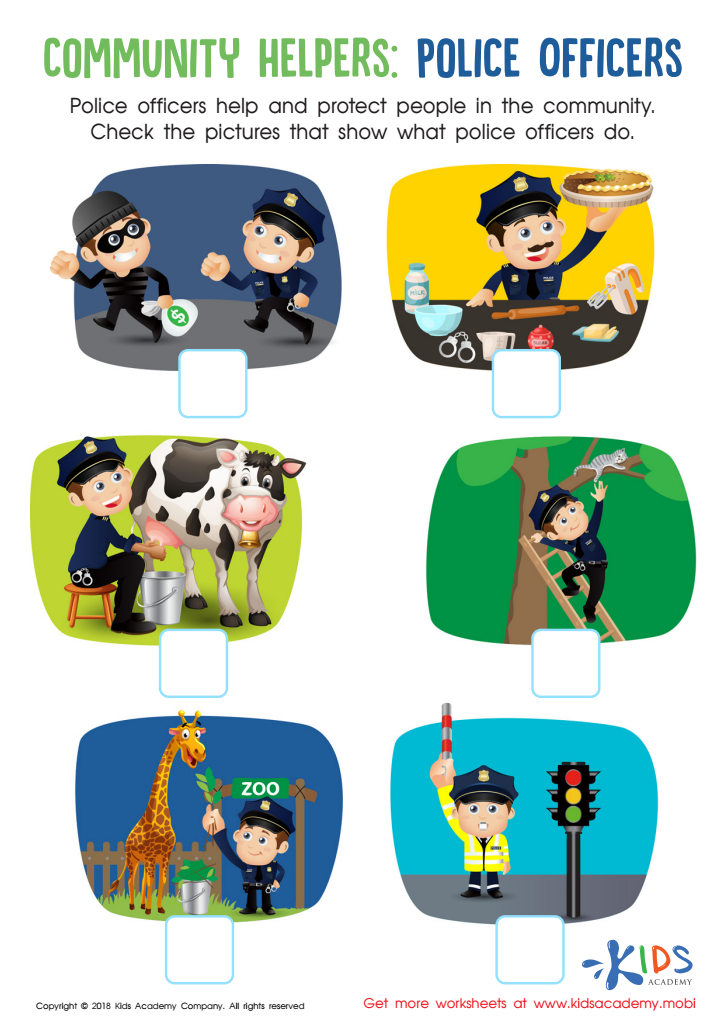
Police Officers Community Helpers Worksheet
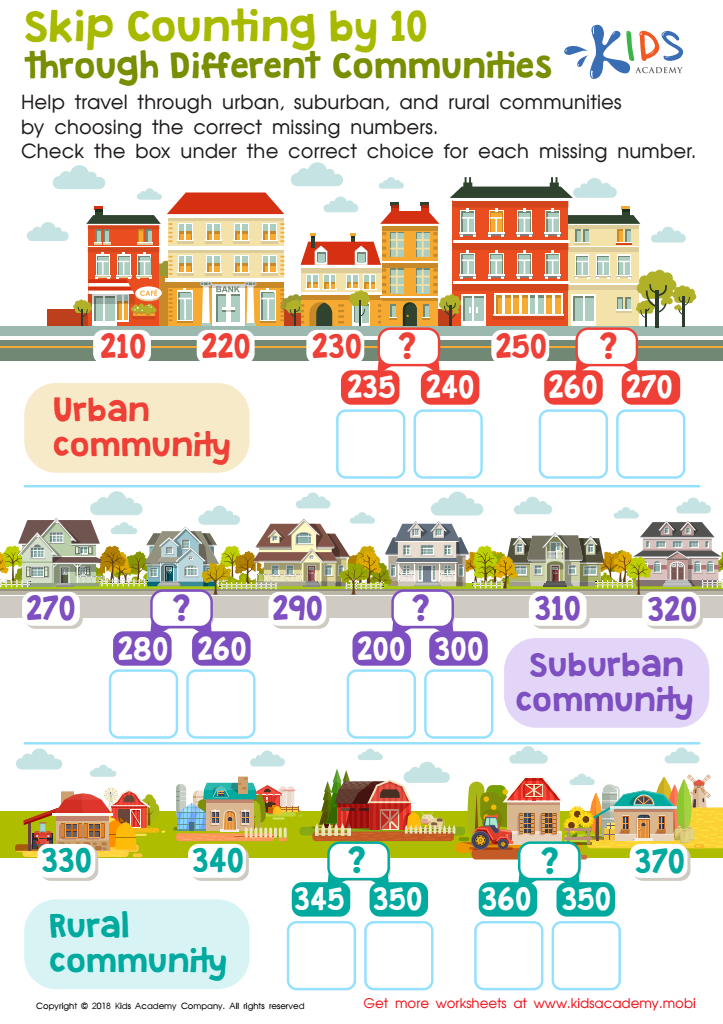
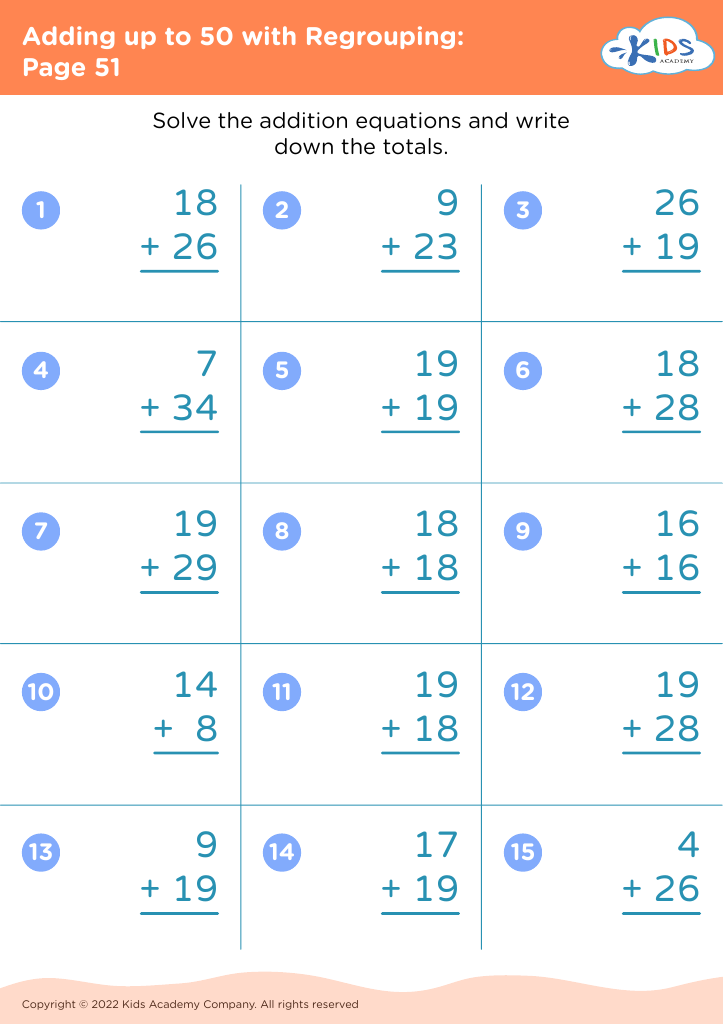
Skip Counting by 10 through Different Communities Worksheet
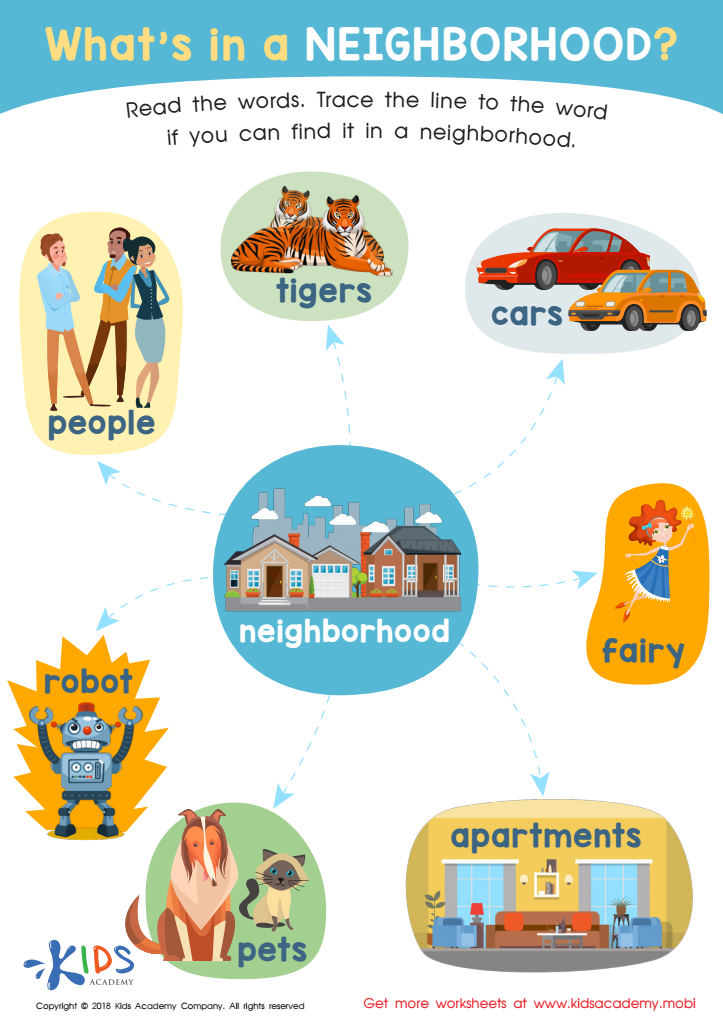
What's in a Neighborhood? Worksheet
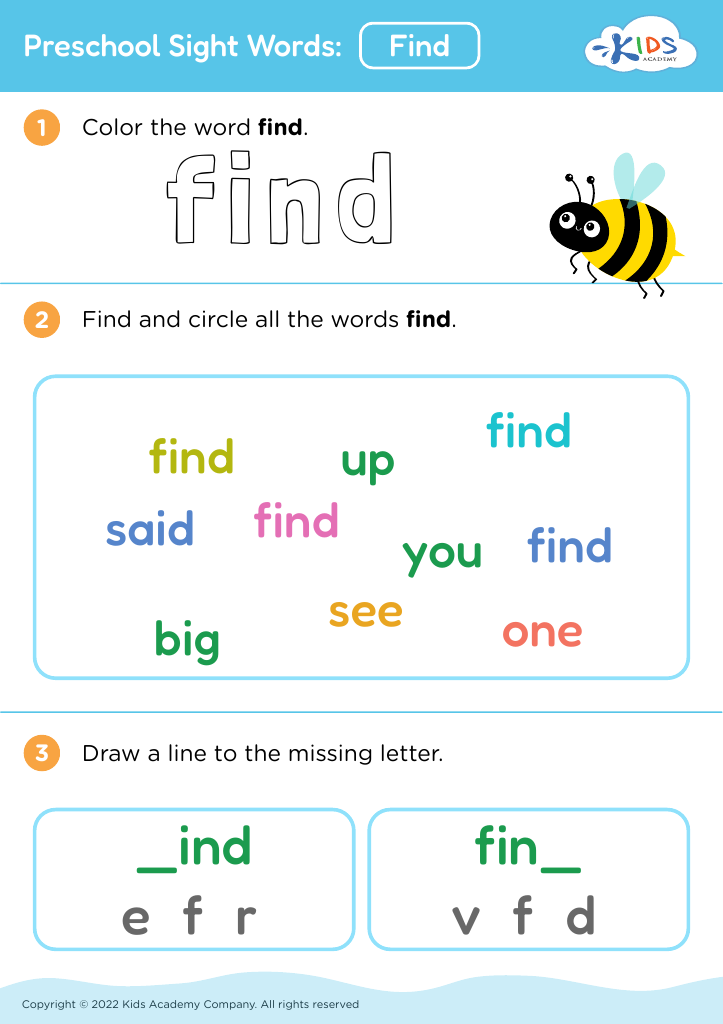




.jpg)

Building vocabulary for children ages 5-8 is crucial for several pivotal reasons. During these formative years, children's brains are exceptionally receptive to learning new words, making it a prime time for vocabulary expansion. A robust vocabulary lays the foundation for effective communication skills, fostering the ability to express thoughts, needs, and emotions clearly. This not only aids in social interactions but also contributes to emotional development by helping children articulate their feelings comprehensively.
Additionally, a rich vocabulary boosts reading comprehension. When children understand the words they encounter in books, they can better grasp the overall meaning of the text, fostering a love for reading and a lifelong learning habit. It is also crucial for academic success; strong language skills are linked to higher achievement in subjects like math and science, as many concepts in these areas require verbal explanations and understanding.
Furthermore, vocabulary development enhances cognitive abilities, supporting better problem-solving and critical thinking skills. By exposing children to a varied and rich linguistic environment through conversations, reading, and engaging activities, parents and teachers give them the tools to succeed both academically and socially. Investing effort in building vocabulary at an early age empowers children, setting a solid groundwork for future learning and personal growth.








