Character recognition Worksheets for Ages 5-8
4 filtered results
-
From - To
Discover our engaging Character Recognition Worksheets, specially designed for children aged 5-8. These printable activities help young learners master letter identification, boost phonemic awareness, and foster early reading skills. Each worksheet offers fun, interactive exercises like matching letters to images, tracing characters, and identifying sight words, making learning both effective and enjoyable. Our expertly crafted worksheets support various skill levels and align with educational standards, ensuring your child builds a strong literacy foundation. Perfect for classroom use or at-home practice, our Character Recognition Worksheets empower young minds to read with confidence and enthusiasm.
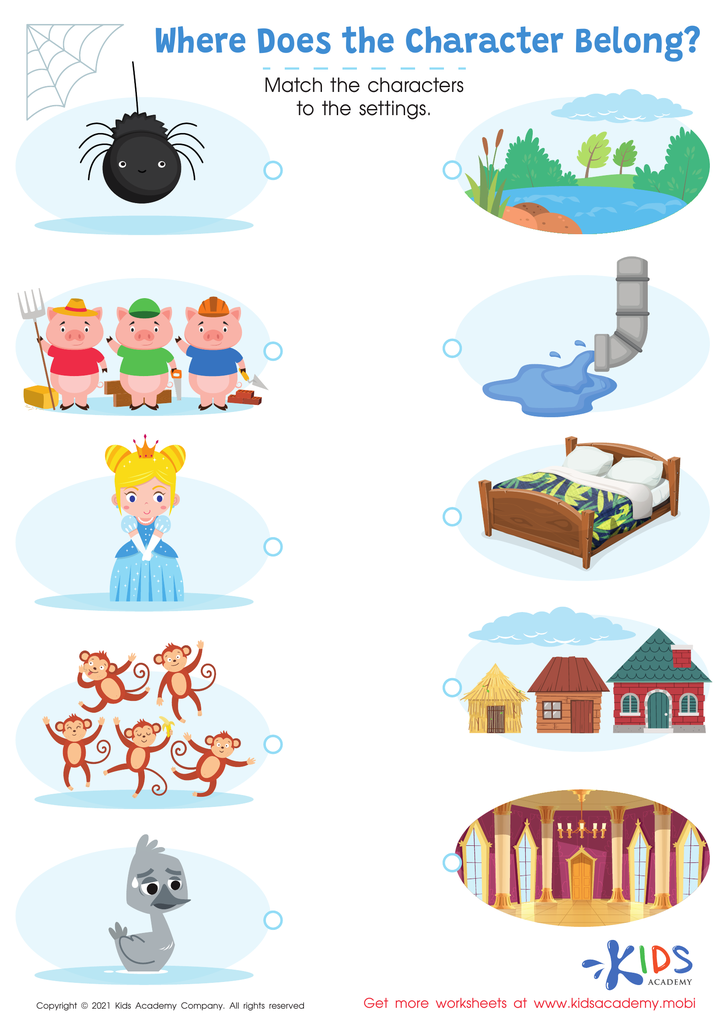
Where Does the Character Belong? Worksheet
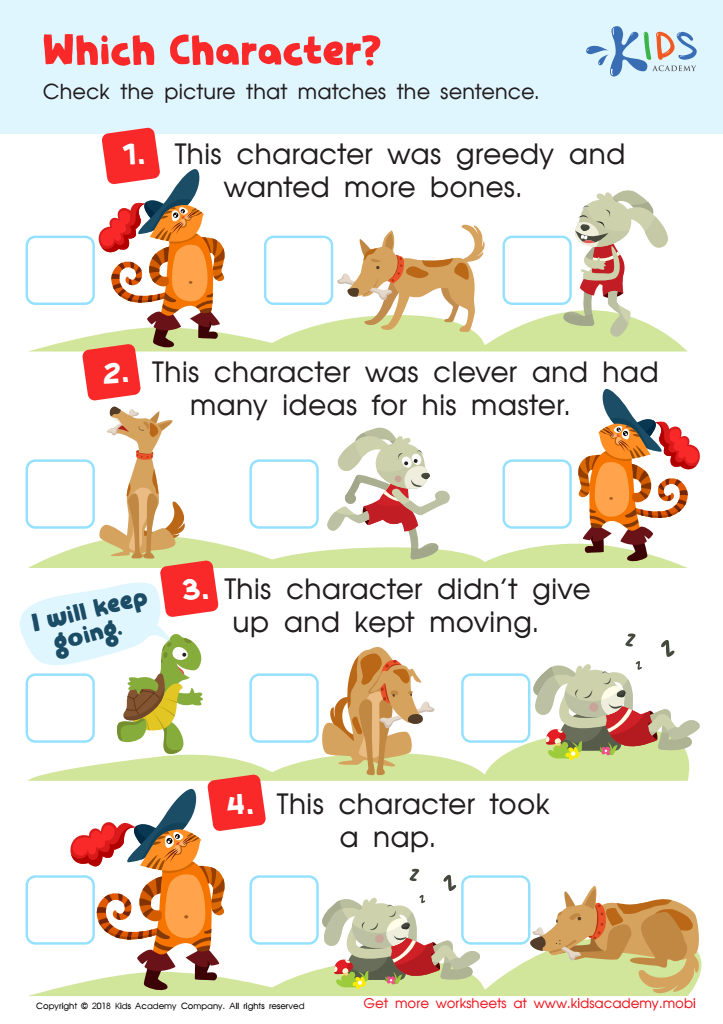
Which Character Worksheet
 Assign to My Students
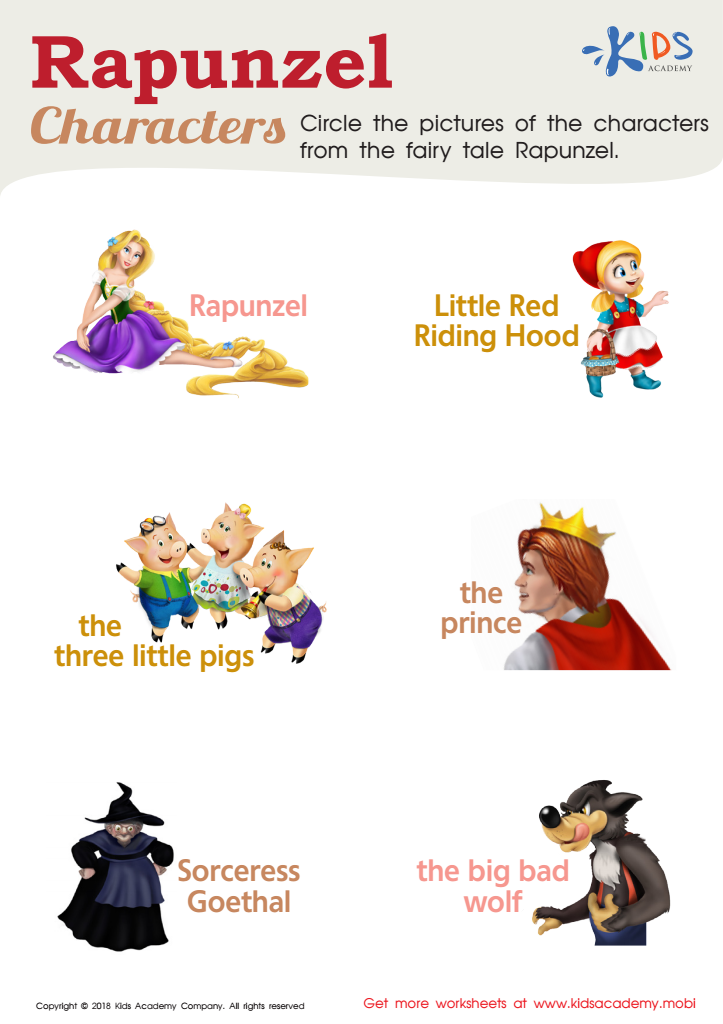
Rapunzel Characters Worksheet
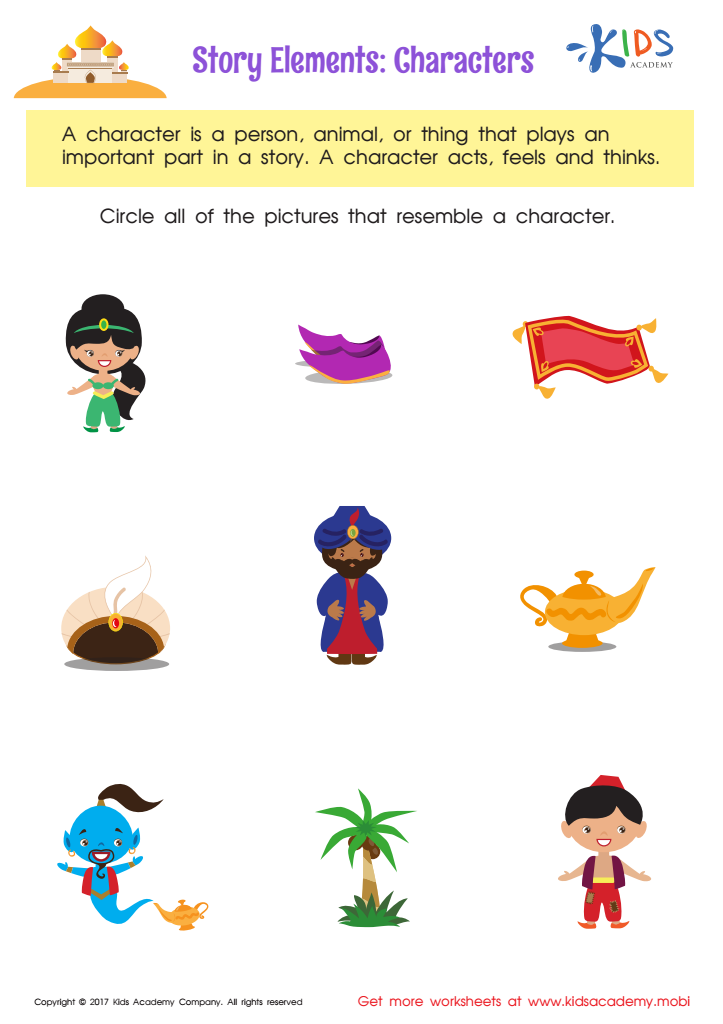
Story Elements Printable




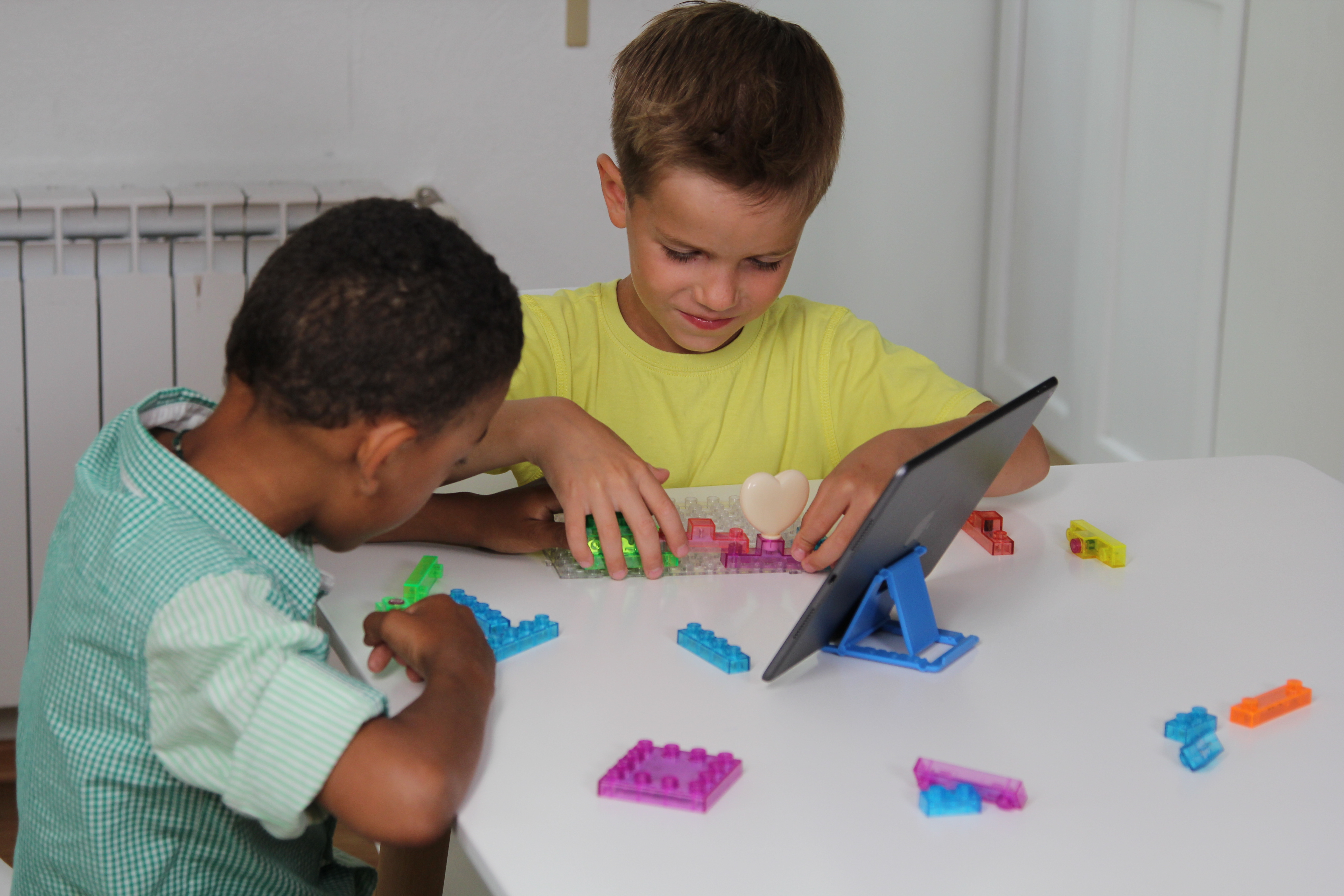



Character recognition for children aged 5-8 is crucial for multiple important reasons. At this formative stage, recognizing letters, symbols, and words lays the foundation for literacy, which in turn influences their overall academic success. Understanding character recognition equates to developing reading skills, which are essential for learning across all subjects, including math, science, and social studies.
Early character recognition fosters confidence and independence. When children can identify and understand characters, they can read simple texts, follow instructions, and engage more meaningfully in classroom activities. This early competency boosts self-esteem and promotes a love for learning and books, setting the stage for lifelong reading habits.
Moreover, character recognition cultivates cognitive and language development. It hones attention to detail, memory, and visual processing skills, which are vital for academic tasks and everyday problem-solving. Enhanced vocabulary and comprehension skills also emerge from strong character recognition, enabling kids to articulate their thoughts more clearly and understand others better.
For teachers, recognizing the importance of character recognition enables them to craft effective, age-appropriate instruction strategies and interventions. For parents, supporting character recognition at home can create a nurturing educational environment where children feel valued and encouraged, reinforcing what they learn in school. Ultimately, ensuring early character recognition is a shared responsibility that profoundly impacts a child's educational trajectory.








