Critical thinking skills Worksheets for Ages 5-8 - Page 2
41 filtered results
-
From - To
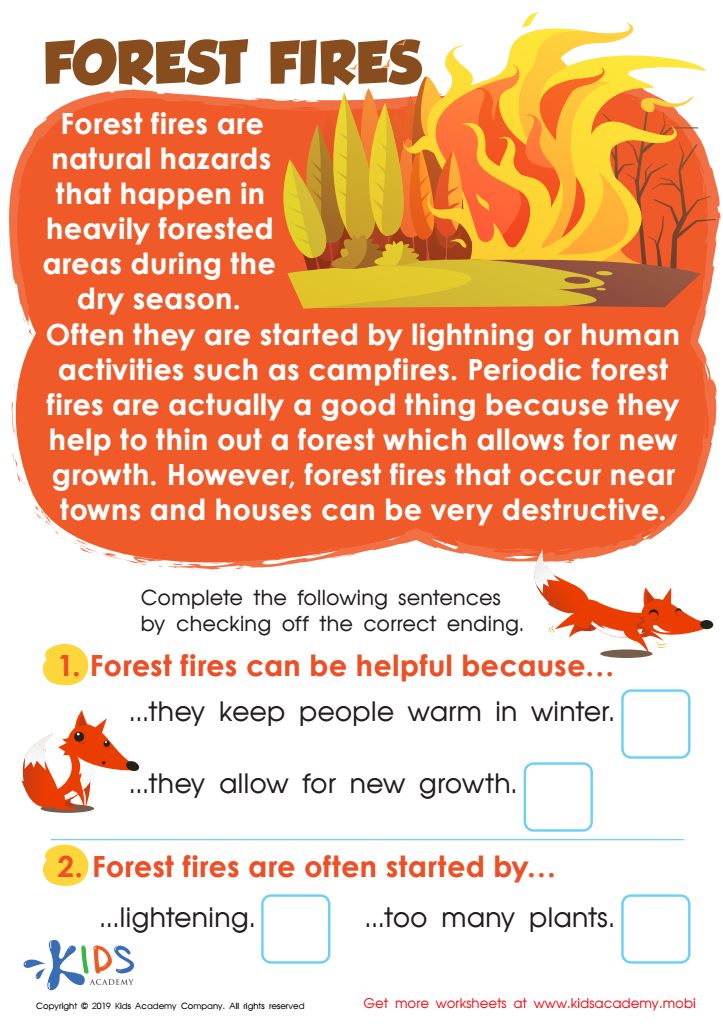
Forest Fires Worksheet
 Assign to My Students
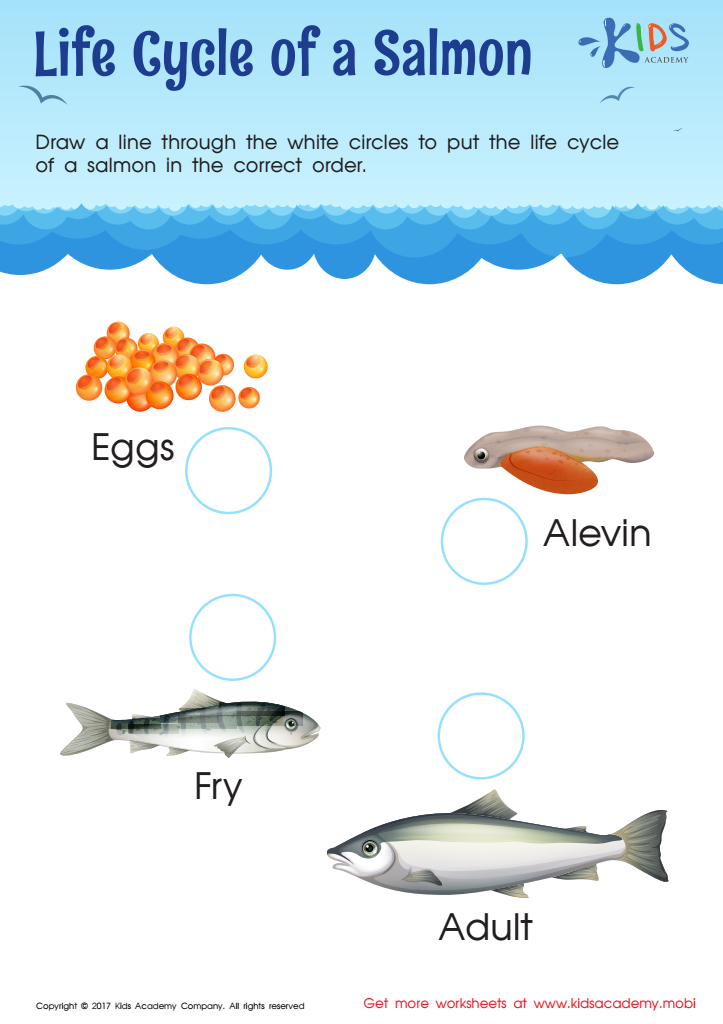
Cycle Of Salmon Worksheet
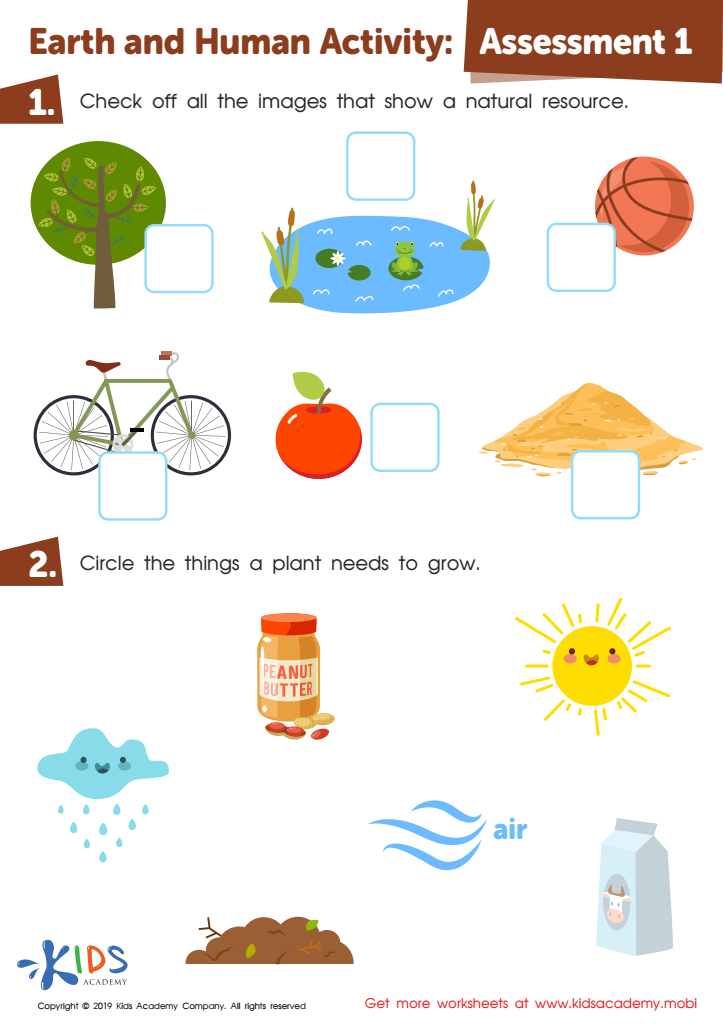
Earth and Human Activity: Assessment 1 Worksheet
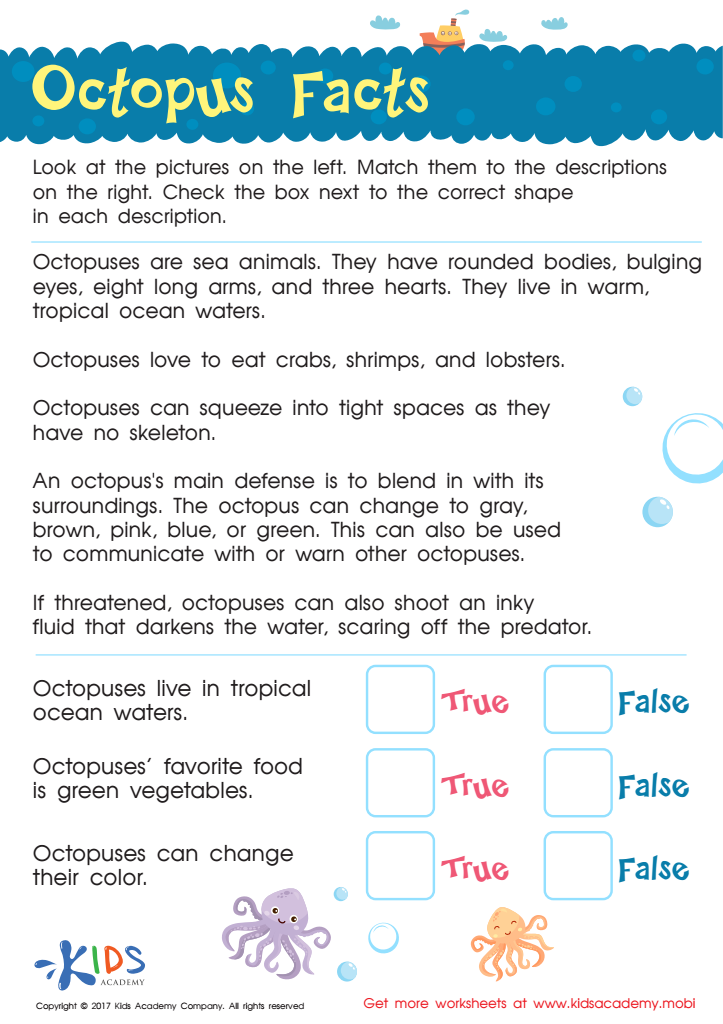
Octopus Facts Worksheet For Kids
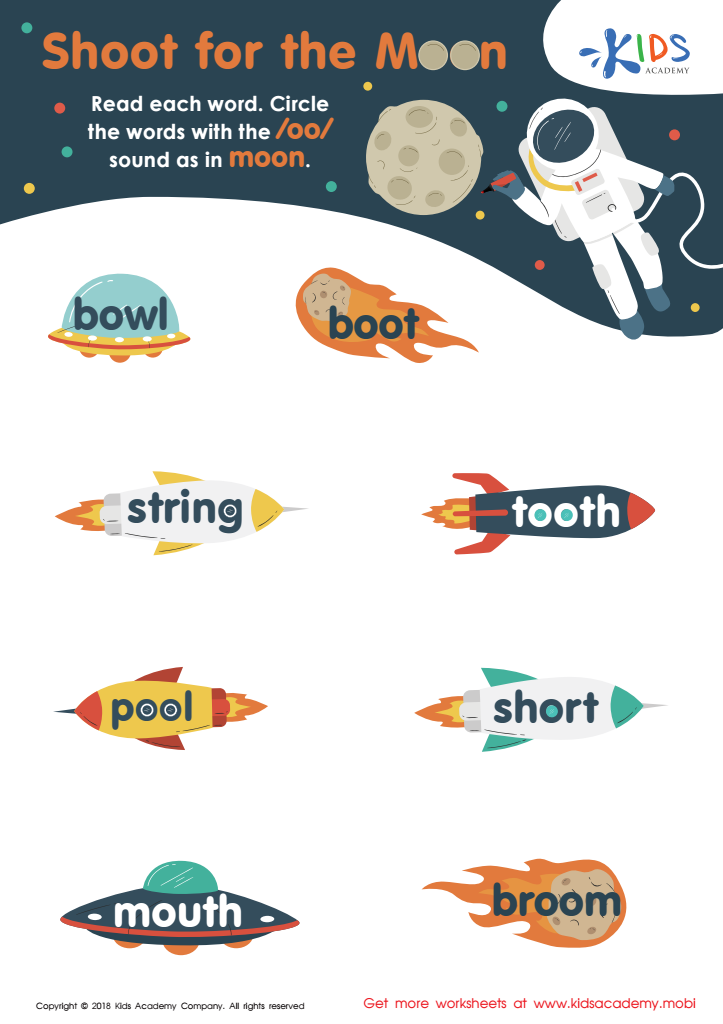
Reading: Shoot for the Moon Worksheet
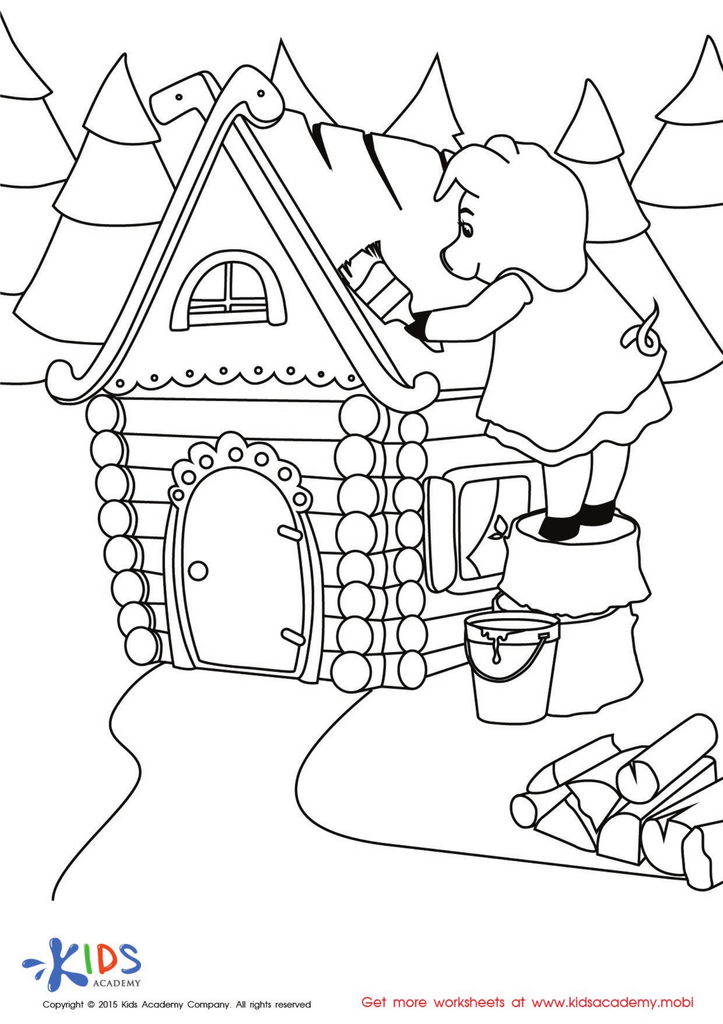
The Three Little Pigs Worksheet
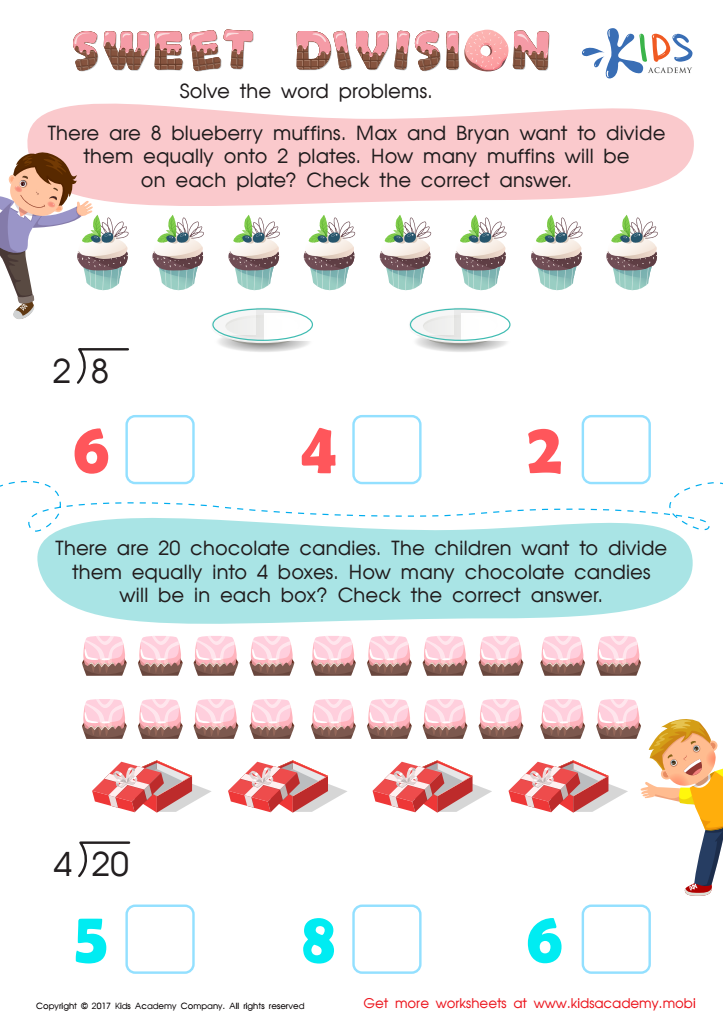
Division Word Problems Worksheet
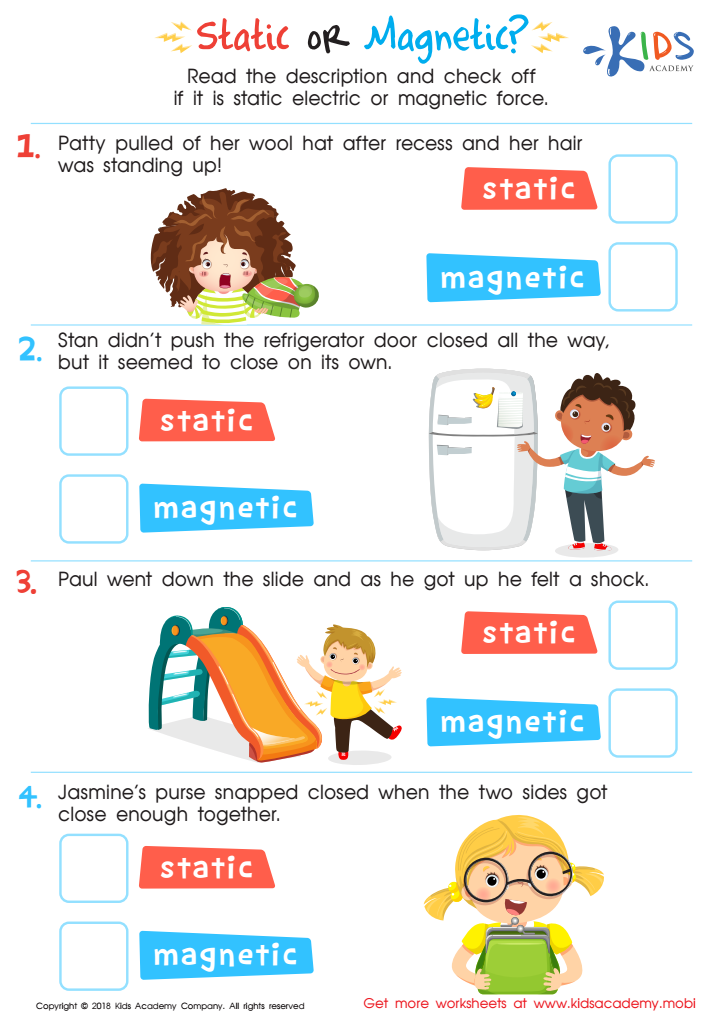
Static or Magnetic Printable Worksheet
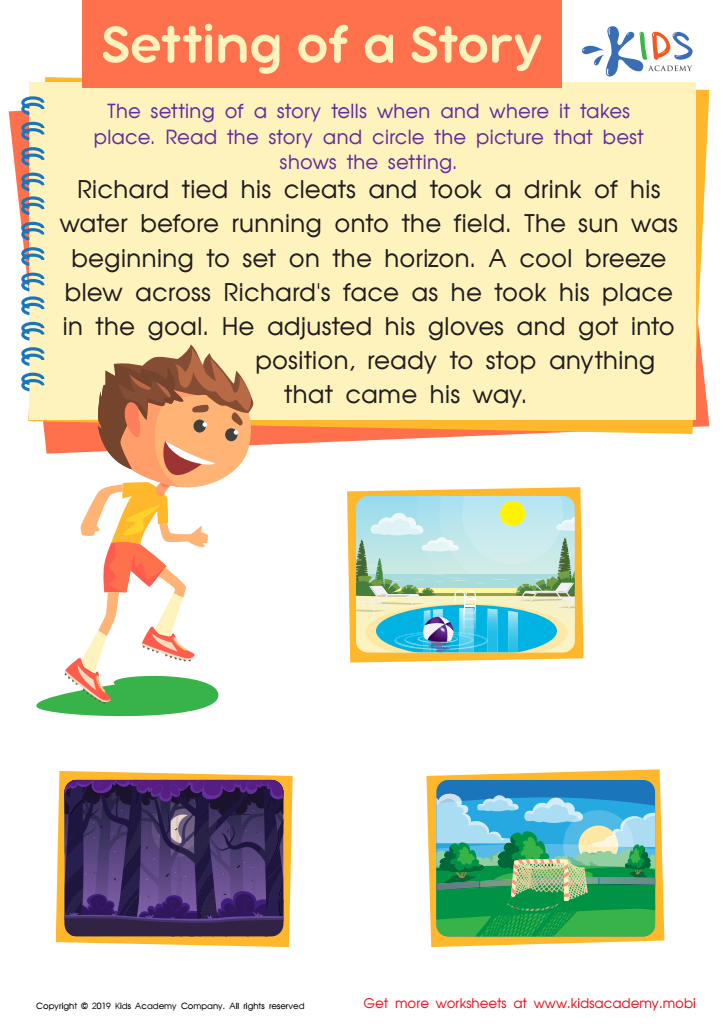
Setting of a Story Worksheet
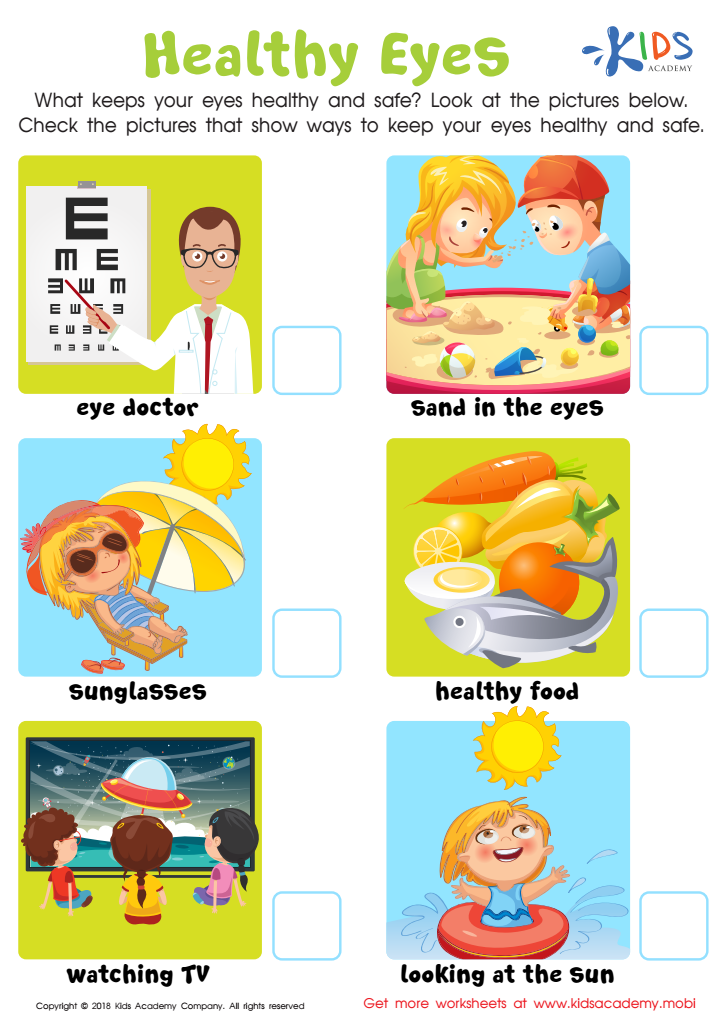
Healthy Eyes Worksheet
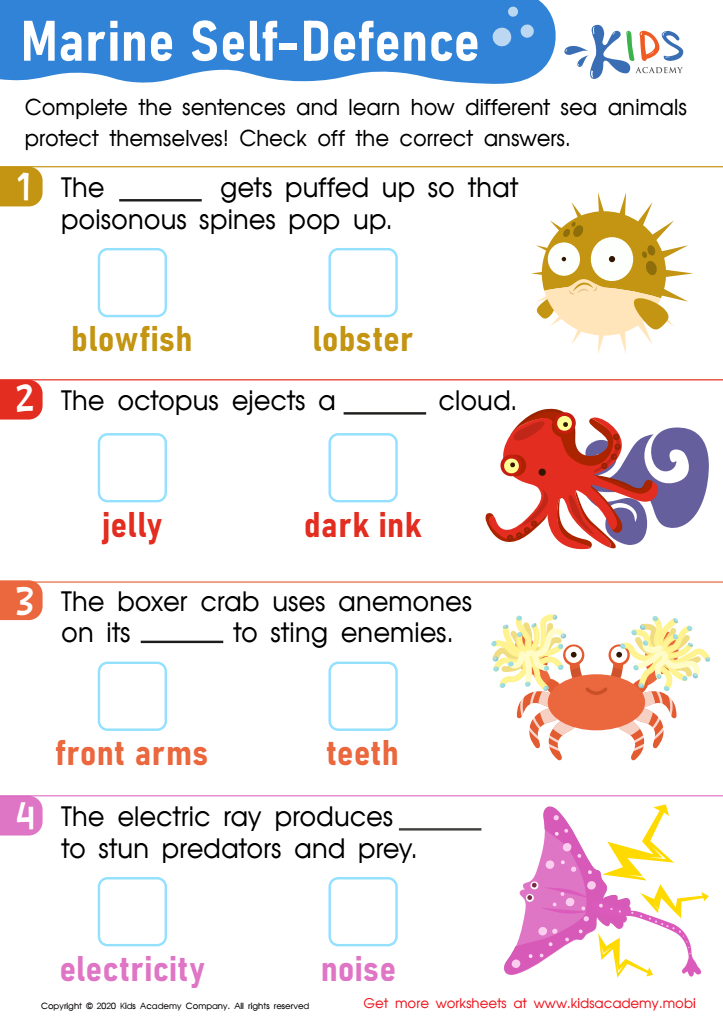
Marine Self-Defence Worksheet
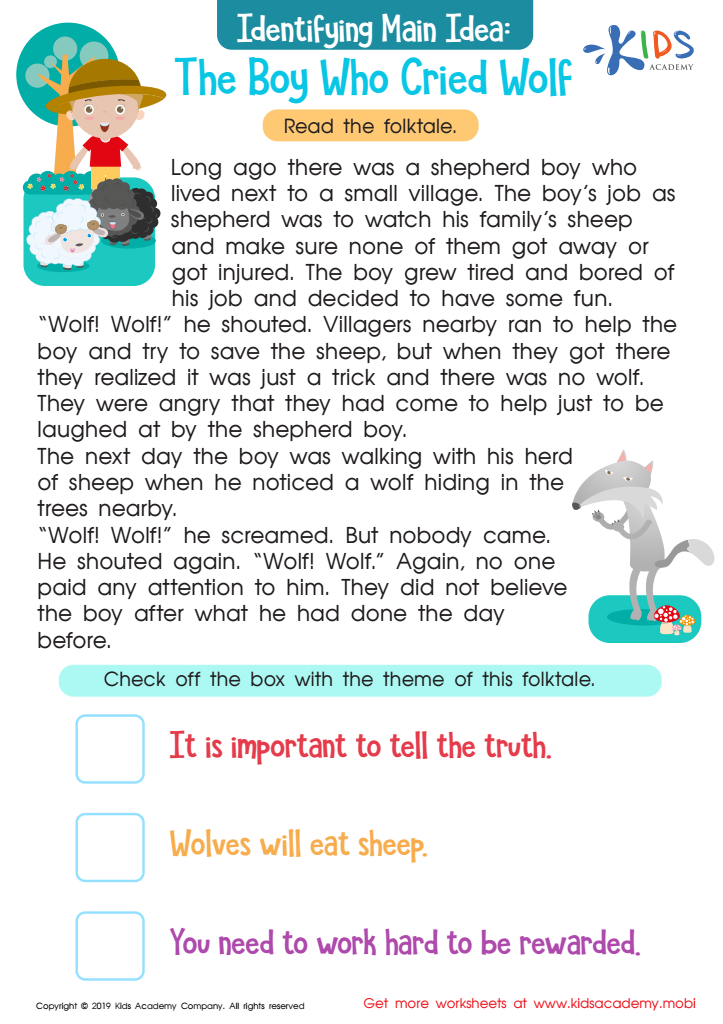
The Boy Who Cried Wolf Part 2 Worksheet
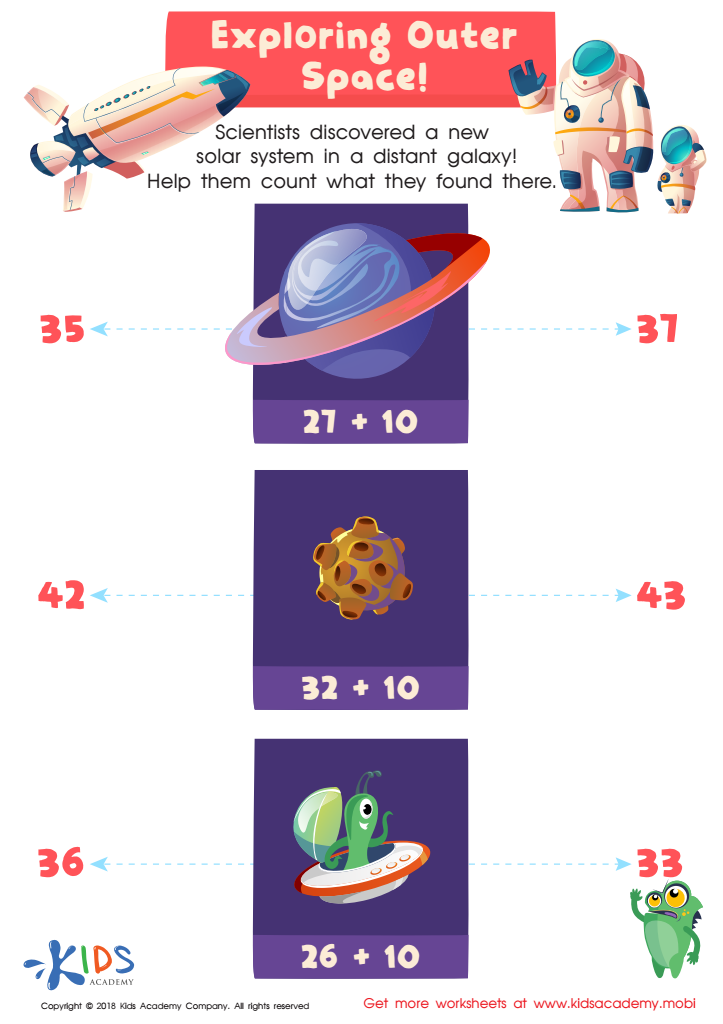
Exploring Outer Space Worksheet
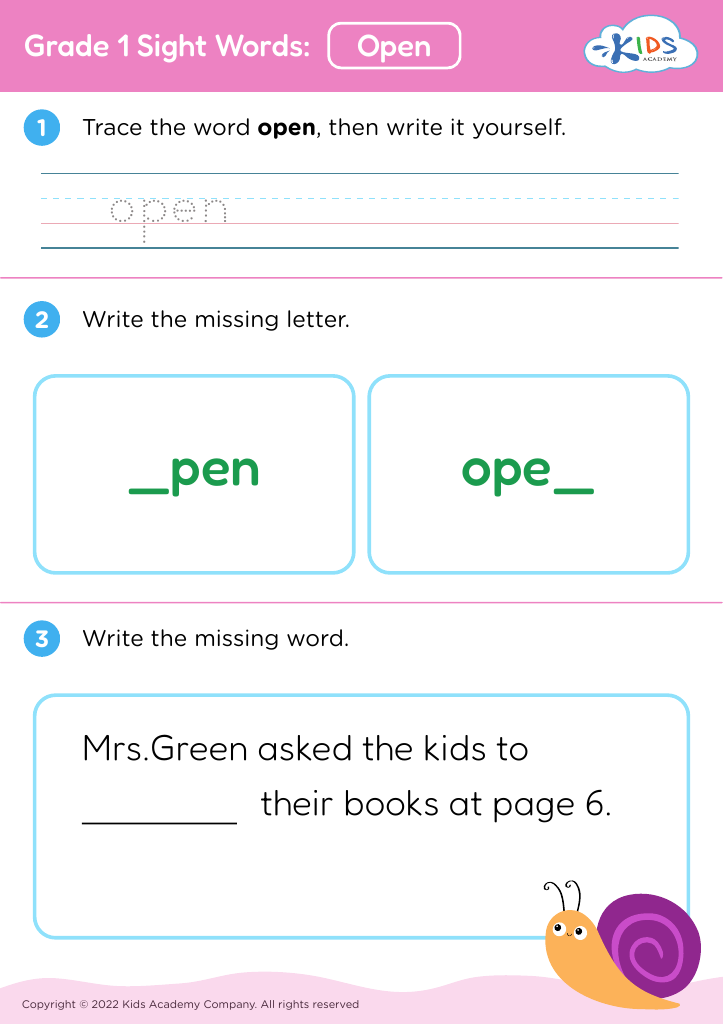
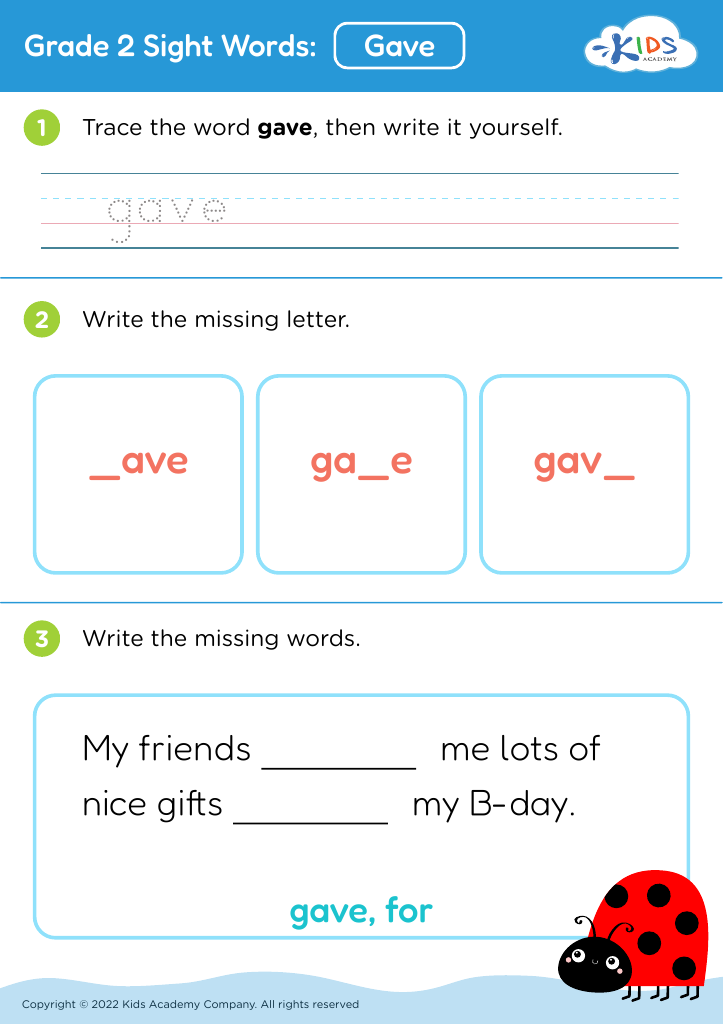







Critical thinking skills are essential for children aged 5-8 as they lay the foundation for lifelong learning and decision-making. At this stage, children are naturally curious, and nurturing their ability to ask questions, analyze information, and evaluate options fosters a sense of independence and confidence in their thought processes.
Developing critical thinking empowers children to solve problems creatively and apply knowledge to real-life situations. By engaging in activities that promote analysis, such as discussions, puzzles, and open-ended questions, children learn to express their thoughts, articulate their reasoning, and consider multiple perspectives. This skill set improves their academic performance, as they become adept at understanding complex concepts and drawing connections between different subjects.
Moreover, critical thinking promotes social-emotional development by encouraging empathy and collaboration. Children learn to listen to others, appreciate diverse viewpoints, and negotiate solutions effectively. In an increasingly complex world where information is abundant and often misleading, teaching children to think critically equips them with the tools to navigate challenges and make informed choices. Consequently, both parents and teachers should prioritize the cultivation of critical thinking skills in young learners to foster engaged, informed, and resilient individuals.








