Decision making process Worksheets for Ages 5-8
3 filtered results
-
From - To
Empower your young learners with our engaging Decision Making Process Worksheets, tailored for ages 5-8! These resources are designed to help children develop essential critical thinking and problem-solving skills in a fun, interactive way. Our worksheets introduce key concepts such as identifying choices, weighing pros and cons, and understanding consequences. By using colorful visuals and relatable scenarios, your students will confidently navigate various decisions, fostering independence and resilience. Perfect for home or classroom use, these worksheets encourage collaborative discussions and creative thinking to enhance their understanding. Dive into the exciting world of decision-making and watch your kids grow into confident decision-makers!
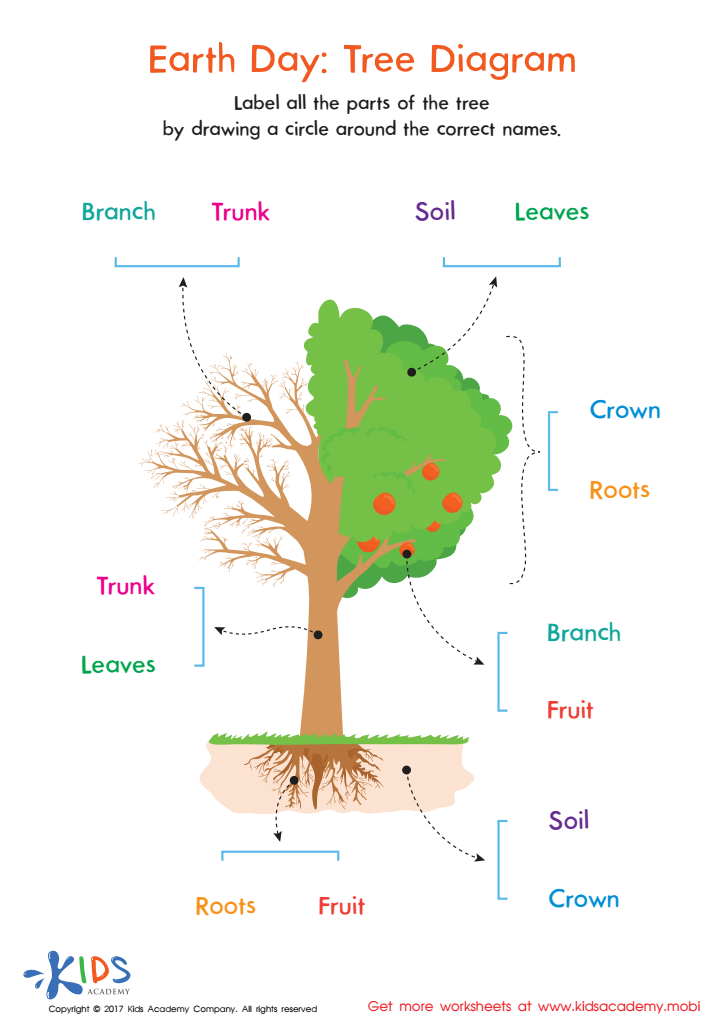
Earth Day: Tree Diagram Worksheet
 Assign to My Students
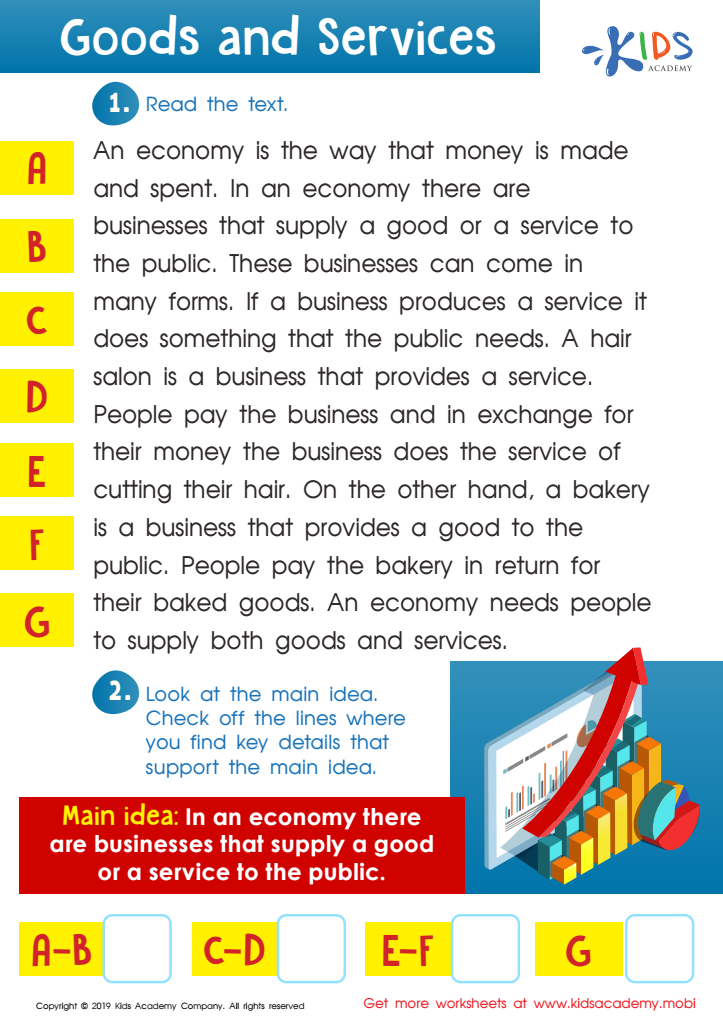
Goods and Services Worksheet
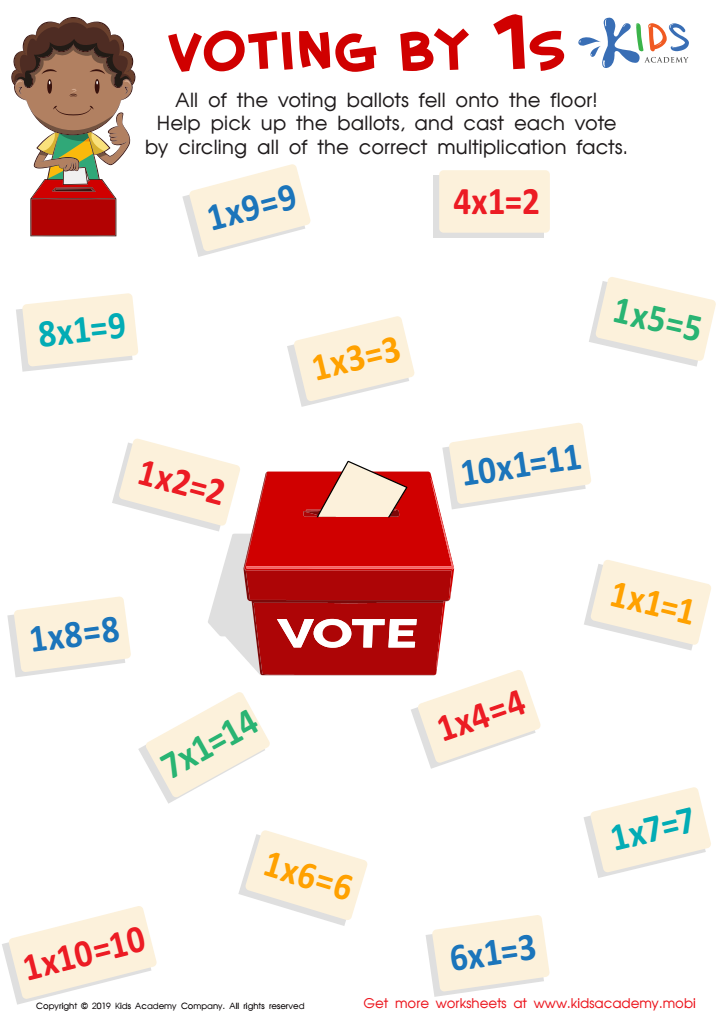
Voting by 1s Worksheet








The decision-making process for children aged 5-8 is a crucial area for both parents and teachers because it fundamentally shapes how kids engage with the world around them. At this age, children are developing key cognitive and social skills that will influence their future learning and interactions.
Encouraging kids to make decisions helps cultivate critical thinking skills, autonomy, and problem-solving abilities. By involving children in choices—even seemingly minor ones—they learn to weigh options, consider consequences, and understand their preferences. This skill set is essential not just for academic success, but also for building confidence in social settings.
Furthermore, decision-making is deeply connected to emotional intelligence. As children navigate choices, they're also learning to manage emotions like frustration, disappointment, or satisfaction. Parents and teachers can guide this process by providing supportive environments that encourage reflection and discussion.
Teaching children how to make informed decisions fosters independence and a sense of responsibility, which are vital for personal growth. Ultimately, empowering children in this area helps them become thoughtful, conscientious individuals who can thrive in the complexities of life. For these reasons, understanding and supporting the decision-making process is essential for the development of young learners.








