Developing logic skills Worksheets for Ages 5-8
4 filtered results
-
From - To
Enhance your child's logic skills with our engaging worksheets designed specifically for ages 5-8. Our collection offers a variety of activities that promote critical thinking, problem-solving, and reasoning abilities in a fun and interactive way. From pattern recognition to simple puzzles, these worksheets encourage kids to think creatively while building their cognitive skills. Perfect for at-home learning or classroom activities, our resources are designed to meet educational standards and make learning enjoyable. Download now and provide your child with the tools to develop essential logic skills that lay the foundation for future academic success!
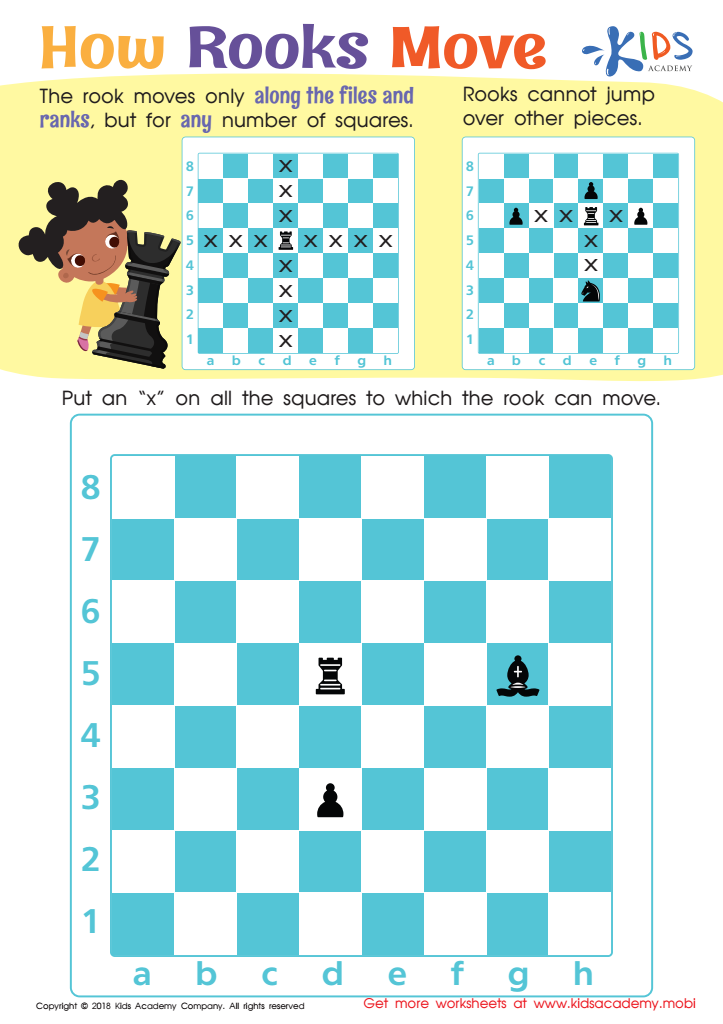
How Rooks Move Worksheet
 Assign to My Students
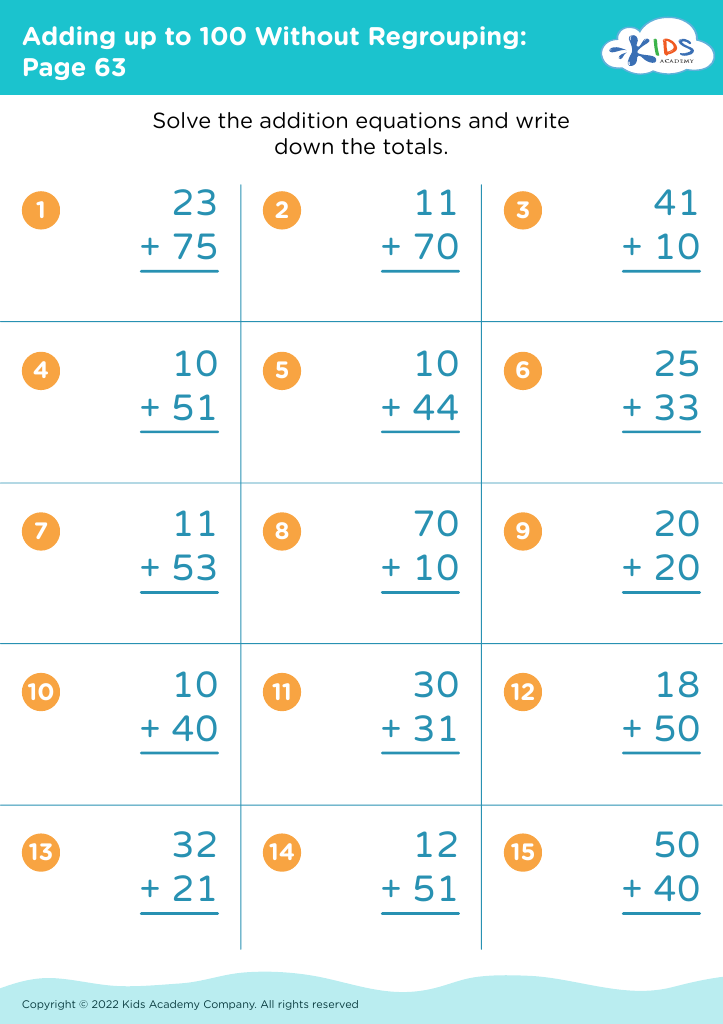
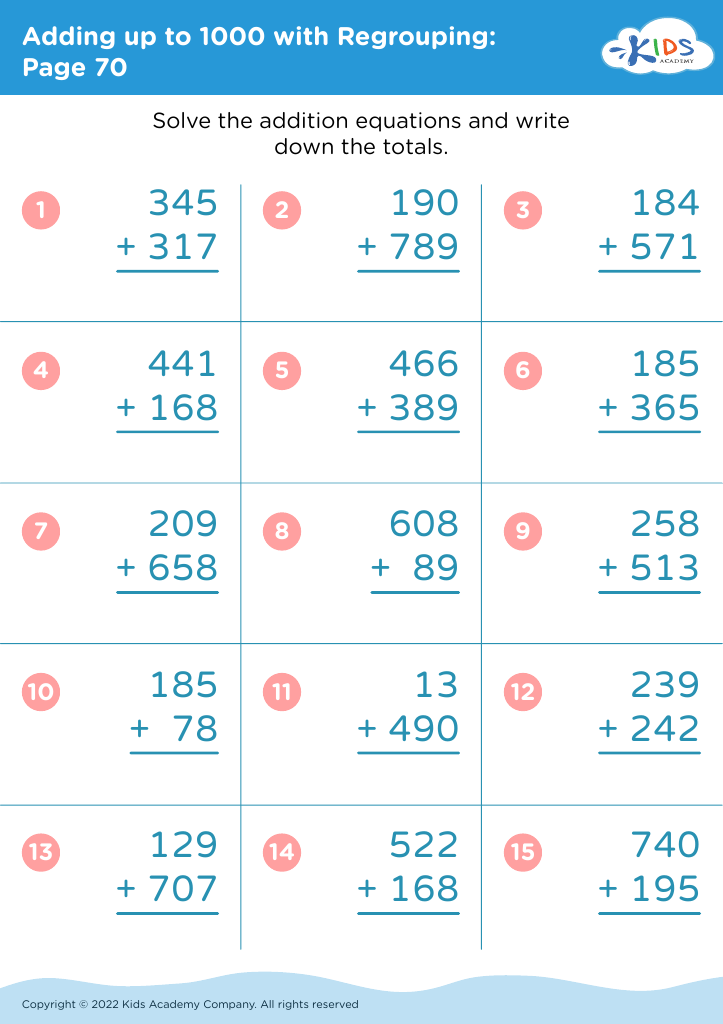
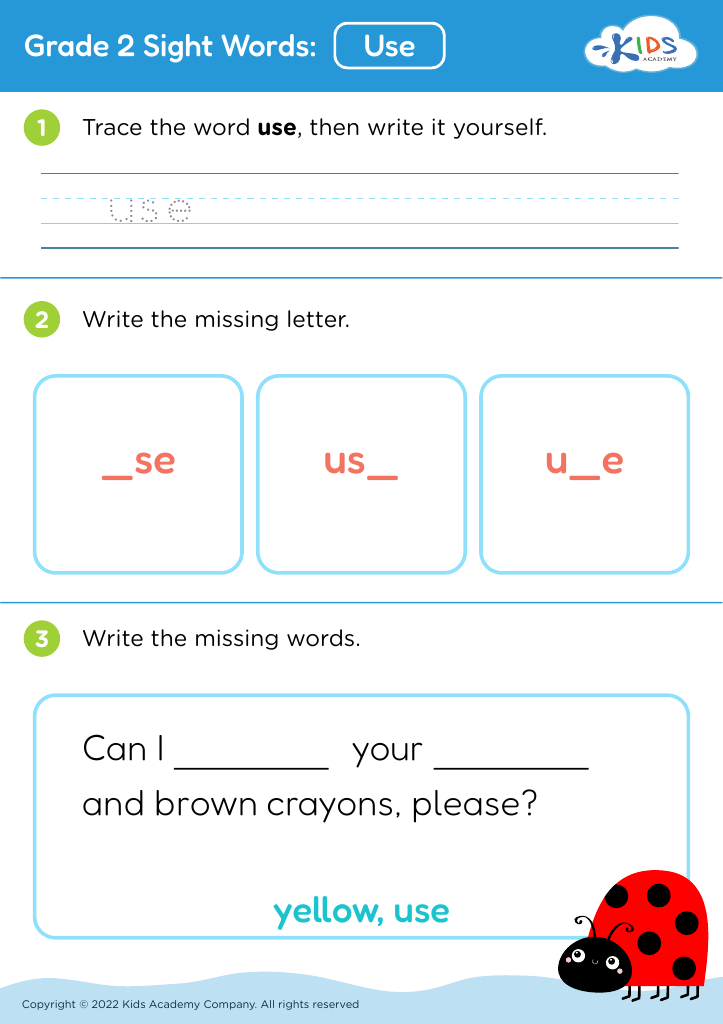







Developing logic skills in children aged 5-8 is crucial for several reasons. At this stage, children are highly impressionable and are forming foundational cognitive abilities that will shape their future learning and problem-solving skills. Logic skills help children understand the connections between ideas, enhance their reasoning capabilities, and facilitate critical thinking.
These skills empower young learners to make sense of the world around them. By engaging in logical reasoning activities, such as puzzles, games, and problem-solving tasks, children learn how to analyze situations, make deductions, and approach challenges with a structured mindset. These experiences not only contribute to academic success but also promote emotional intelligence by helping them navigate social situations and conflicts more effectively.
Furthermore, a strong foundation in logic supports success in various subjects, particularly mathematics and science, where reasoning is essential. Parents and teachers who prioritize logic development foster independence, creativity, and confidence in their children. These skills enable young learners to approach learning as an exciting journey rather than a series of isolated challenges. By nurturing logic skills, adults lay the groundwork for future success, helping children become effective learners and thoughtful problem-solvers in an increasingly complex world.








