Enhancing observation skills Worksheets for Ages 5-8 - Page 2
26 filtered results
-
From - To
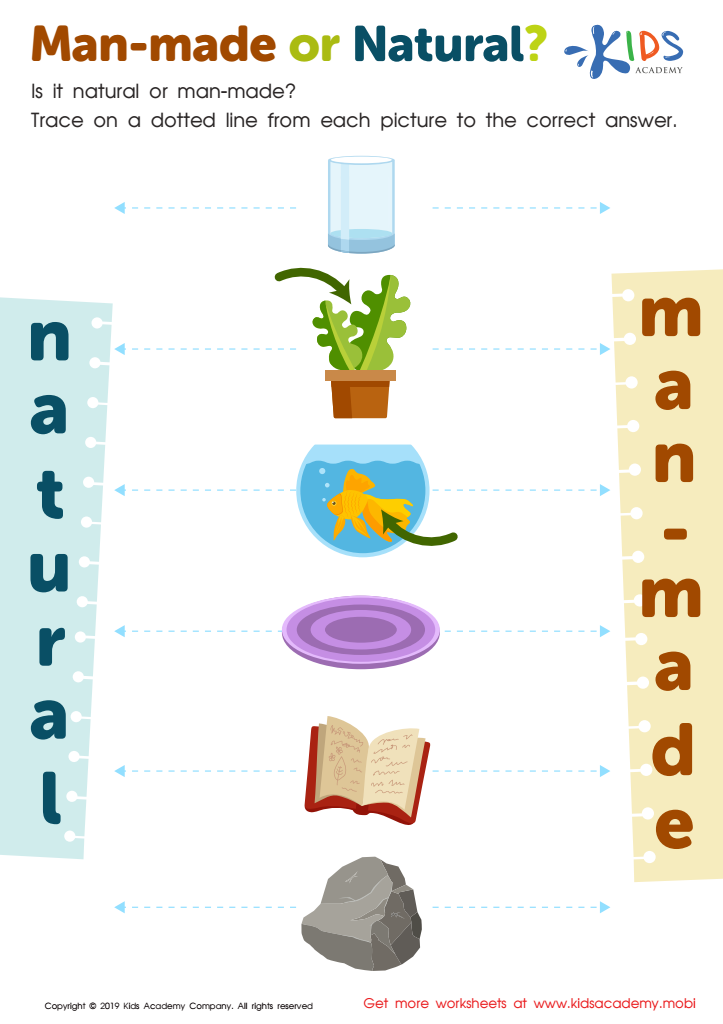
Man-Made or Natural? Worksheet
 Assign to My Students
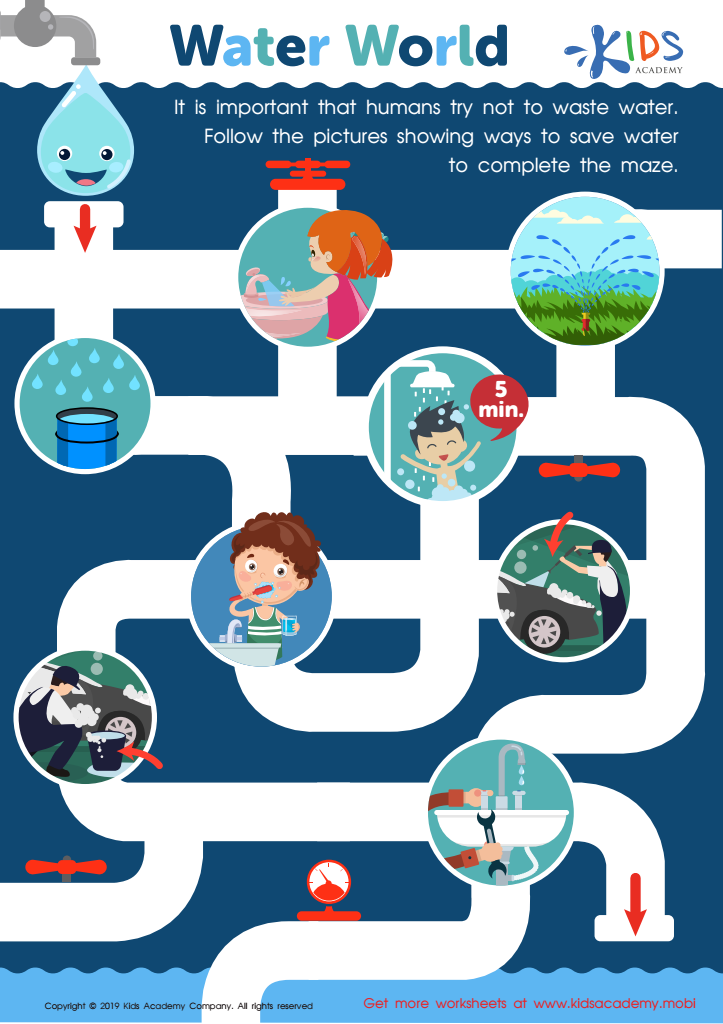
Water World Worksheet





.jpg)

Enhancing observation skills in children aged 5-8 is crucial for several reasons. At this developmental stage, children's brains are particularly receptive, and their capacity to notice and interpret their surroundings significantly influences their learning experiences. Observation skills form the foundation for critical thinking, allowing children to ask insightful questions, make connections, and draw conclusions. This lays the groundwork for subjects like science, as they learn to categorize and understand patterns in nature and everyday life.
Moreover, strong observation skills contribute to language development. By noticing details in pictures, stories, and their environment, children enrich their vocabulary and understanding of context, which boosts both reading comprehension and verbal expression. Teachers and parents who focus on developing these skills can create more engaging and effective learning experiences, enabling children to participate more actively in classroom discussions and collaborative activities.
Additionally, observation fosters social-emotional growth. Children learn to pick up on non-verbal cues and better understand others' emotions and perspectives, which enhances empathy and interpersonal skills. Developing these abilities not only supports academic achievement but also promotes well-rounded development, helping children become more aware, inquisitive, and empathetic individuals. Therefore, the emphasis on observation skills equips children with essential tools that benefit them academically, socially, and emotionally throughout their lives.








