
Fraction comparison skills Worksheets for Ages 5-8
3 filtered results
Difficulty Level
Grade
Age
-
From - To
Subject
Activity
Standards
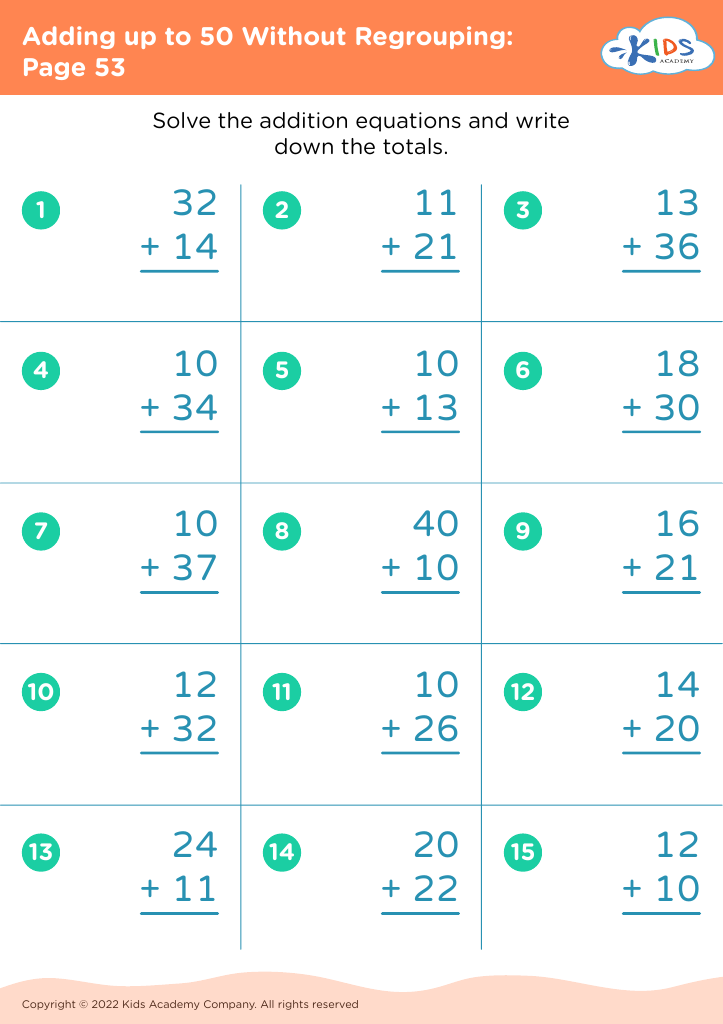
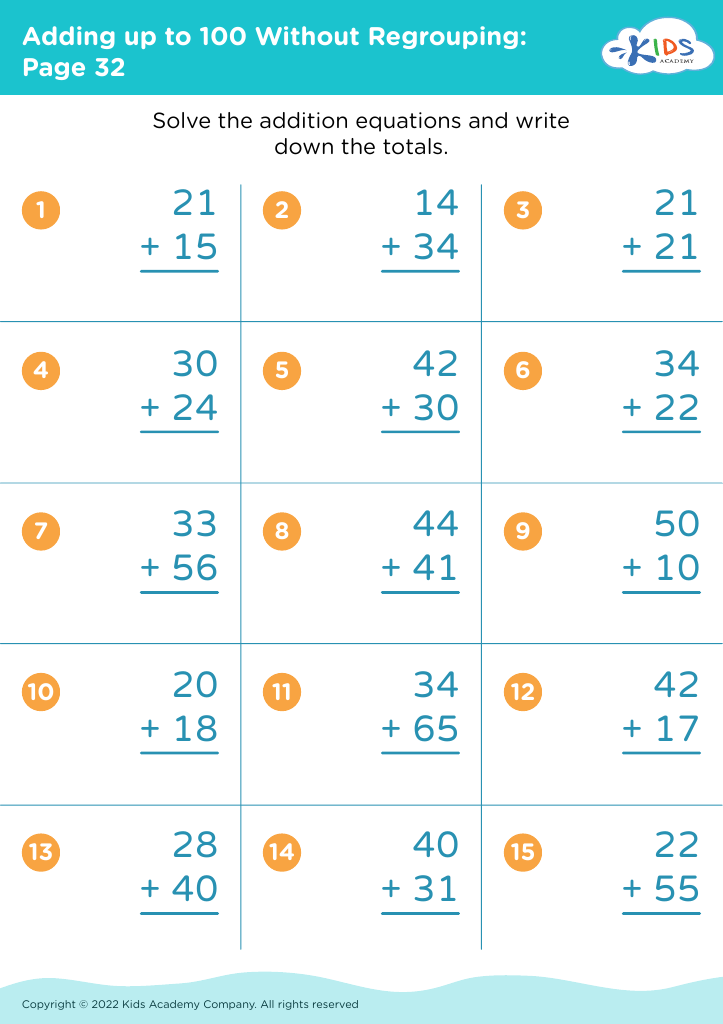
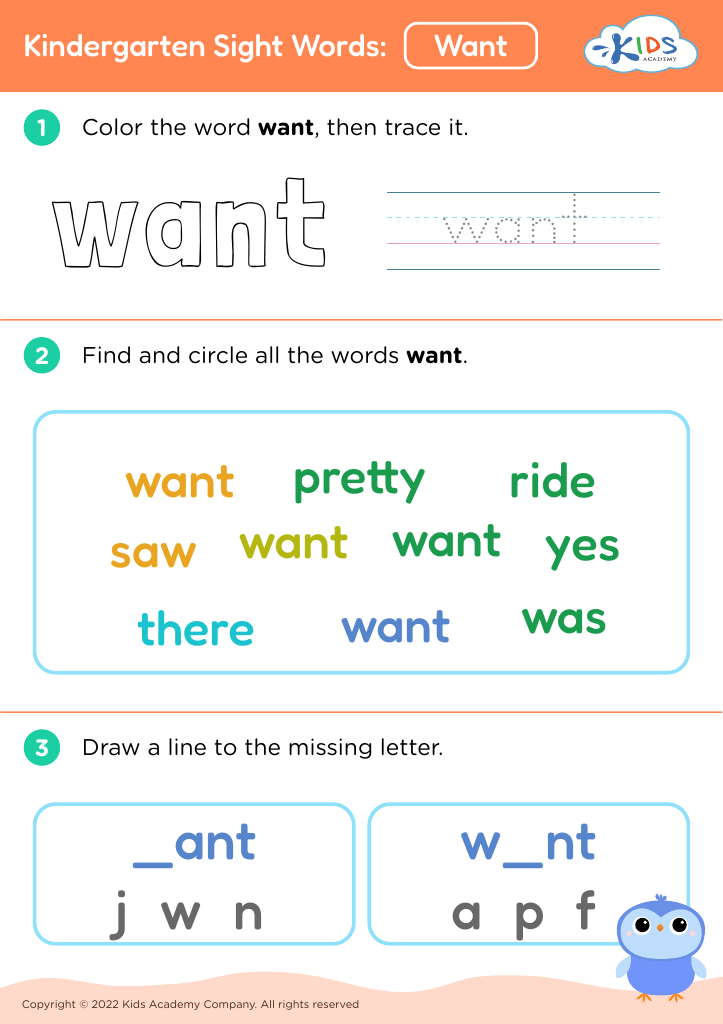
Boost your child's math confidence with our engaging Fraction Comparison Skills Worksheets designed for ages 5-8. These worksheets are expertly crafted to help young learners understand and compare fractions in a fun and interactive way. Through a variety of colorful exercises and hands-on activities, children will grasp the concepts of numerators and denominators, and learn to compare fractions with ease. Ideal for both classroom use and at-home practice, our worksheets build a solid foundation in fractions and enhance critical thinking skills. Foster a love for math and make fraction comparison an enjoyable learning journey for your child!
Favorites
With answer key
Interactive
Join Kids Academy for Free
Who is primarily going to use this learning content?







Parents and teachers should recognize the importance of developing fraction comparison skills in children ages 5-8 because these skills are foundational for advanced mathematical understanding. At this early stage, children are beginning to comprehend the basic concept of fractions, such as the idea that a whole can be divided into equal parts. Comparing fractions requires them to think critically about size, quantity, and the relationships between parts and the whole, which are vital cognitive skills.
Strengthening fraction comparison skills can also enhance a child's numerical literacy, paving the way for success in other areas of math, such as addition, subtraction, multiplication, and division of fractions. These skills have practical applications in everyday life, from cooking and sports to problems-solving and managing finances. Learning how to compare fractions can also boost a child's confidence in their ability to tackle challenging math problems, fostering a positive attitude towards the subject.
Moreover, establishing a strong foundation in fraction concepts in these formative years supports the development of higher-order thinking skills. It encourages logical reasoning and precision, which are crucial not just in mathematics but across all academic disciplines. Therefore, by prioritizing fraction comparison skills, parents and teachers are laying the groundwork for future academic success and lifelong numeracy.








