Historical Knowledge Worksheets for Ages 5-8 - Page 2
38 filtered results
-
From - To
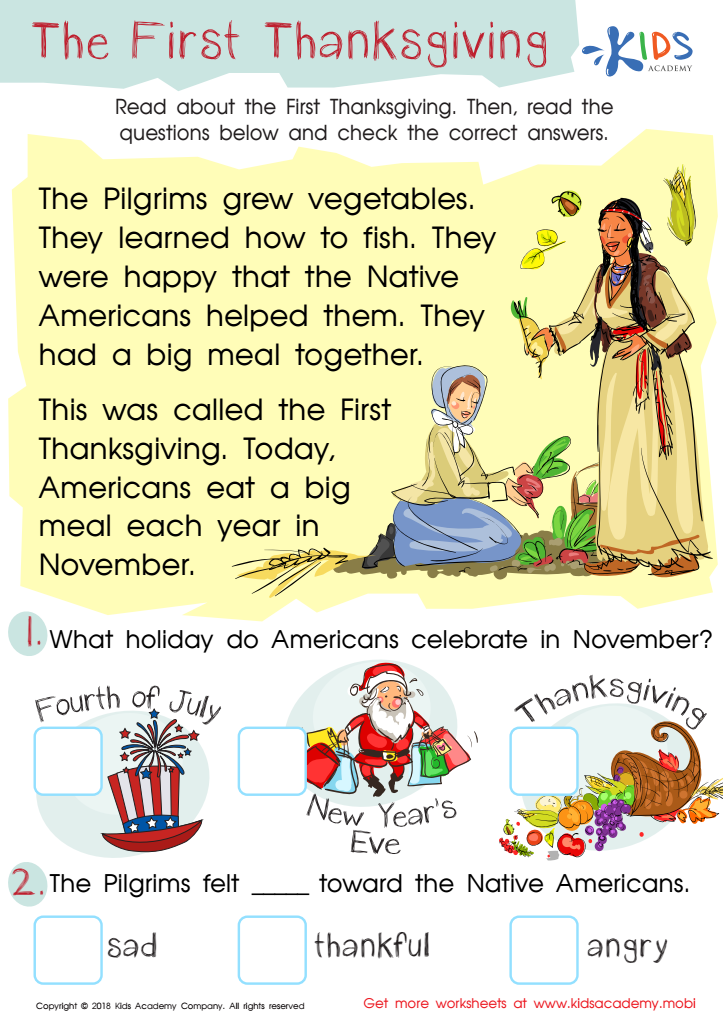
Assessment: First Thanksgiving Worksheet
 Assign to My Students
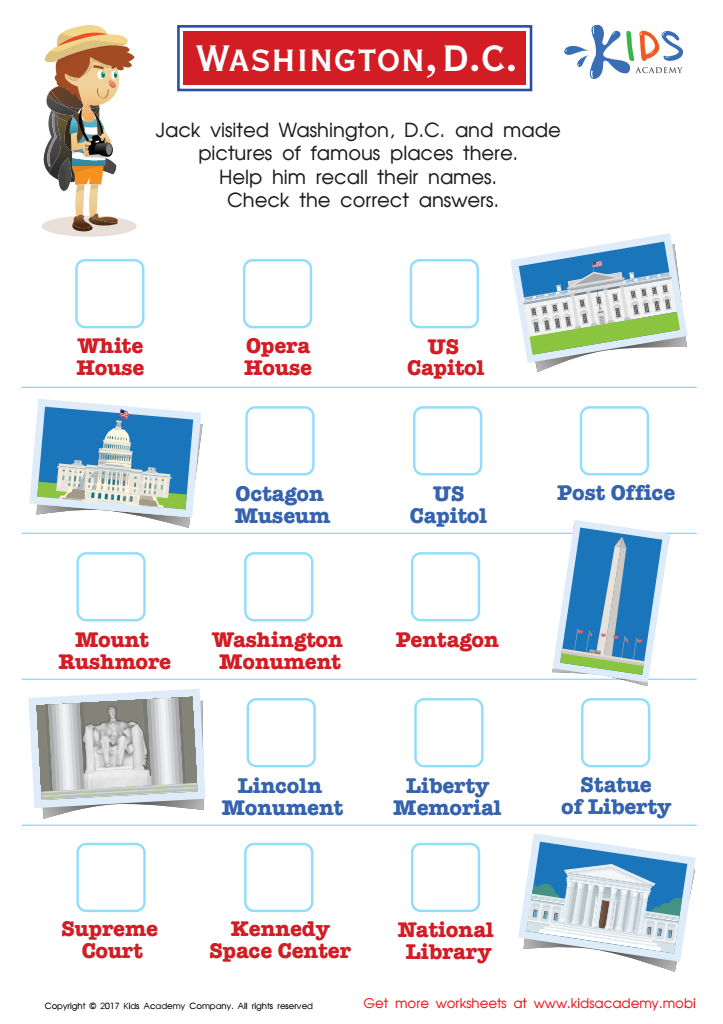
Washington D.C. Printable Worksheet
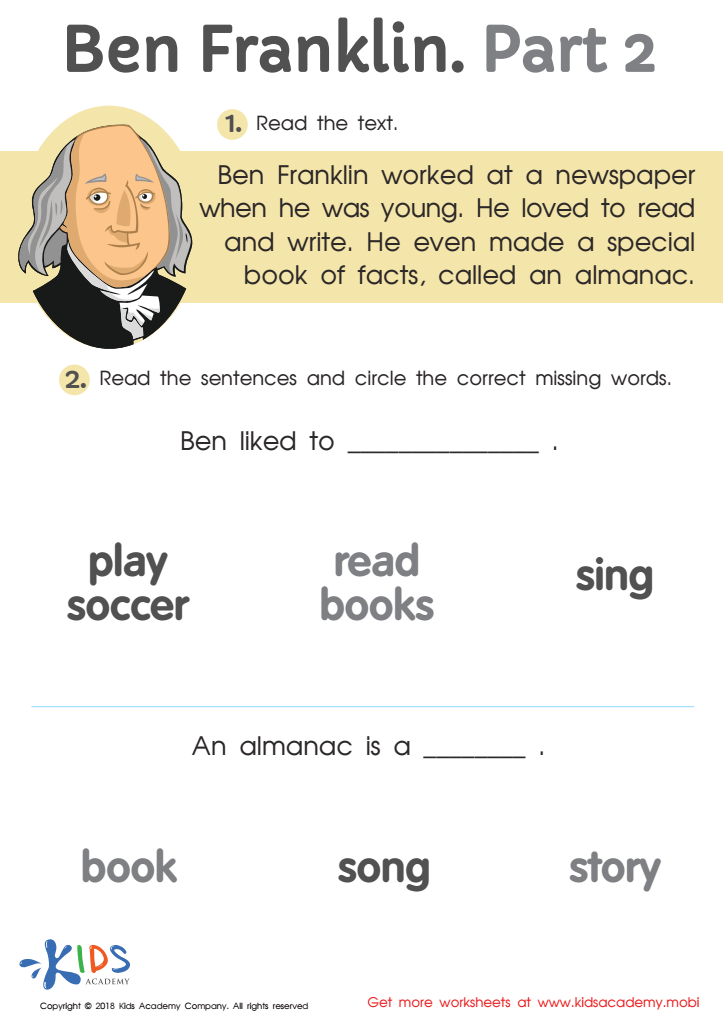
Ben Franklin Part 2 Worksheet
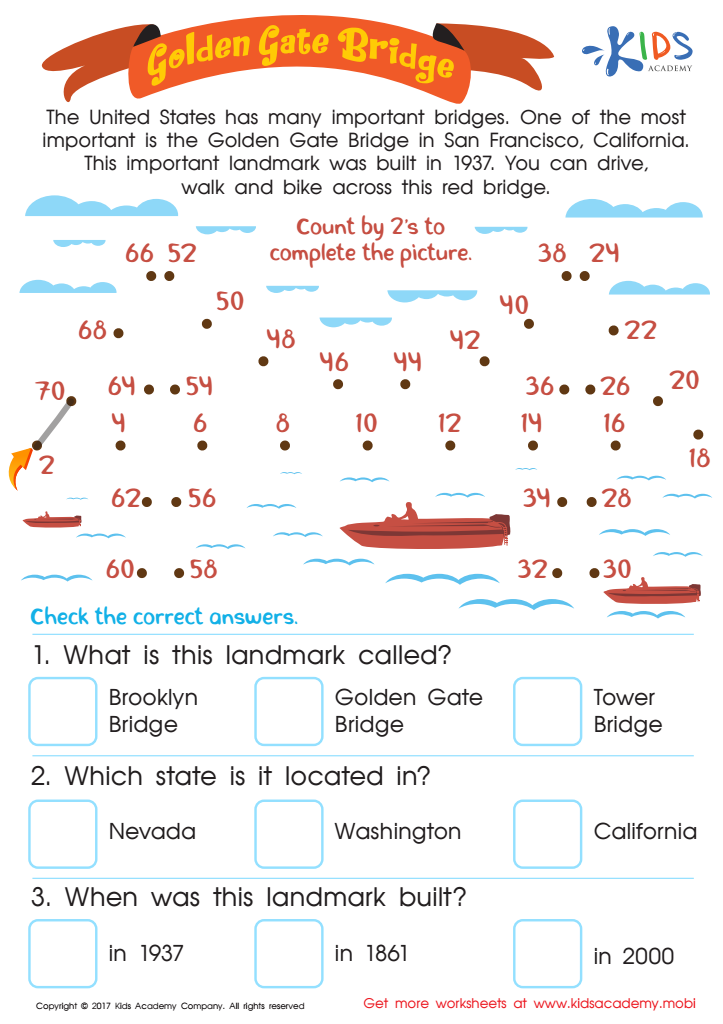
Golden Gate Bridge Worksheet
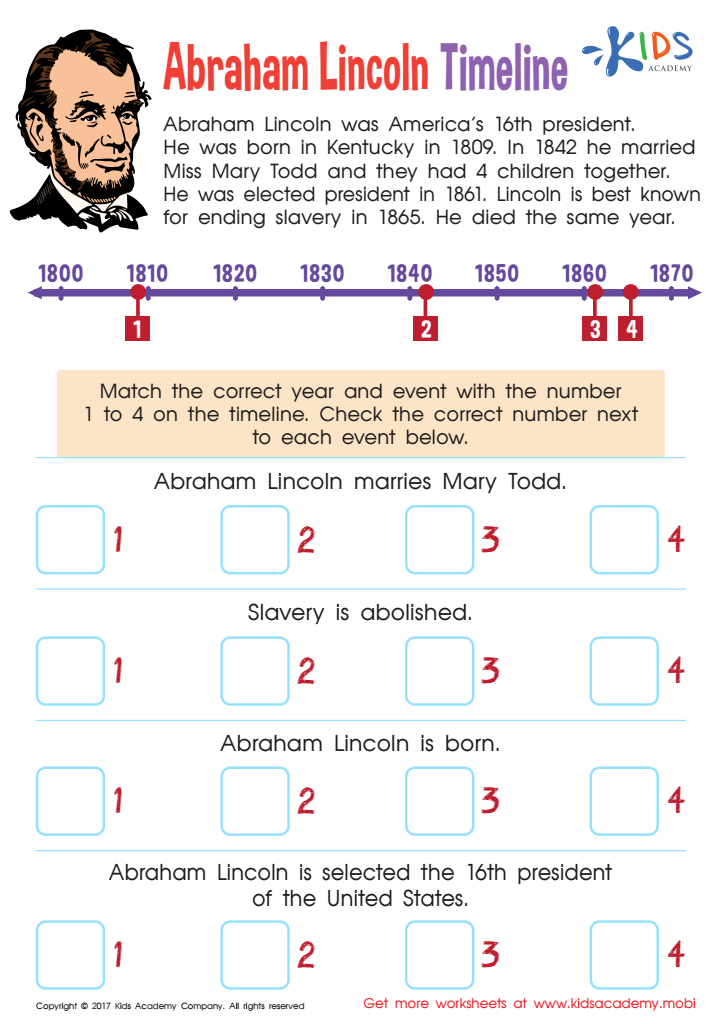
Abraham Lincoln Timeline Worksheet
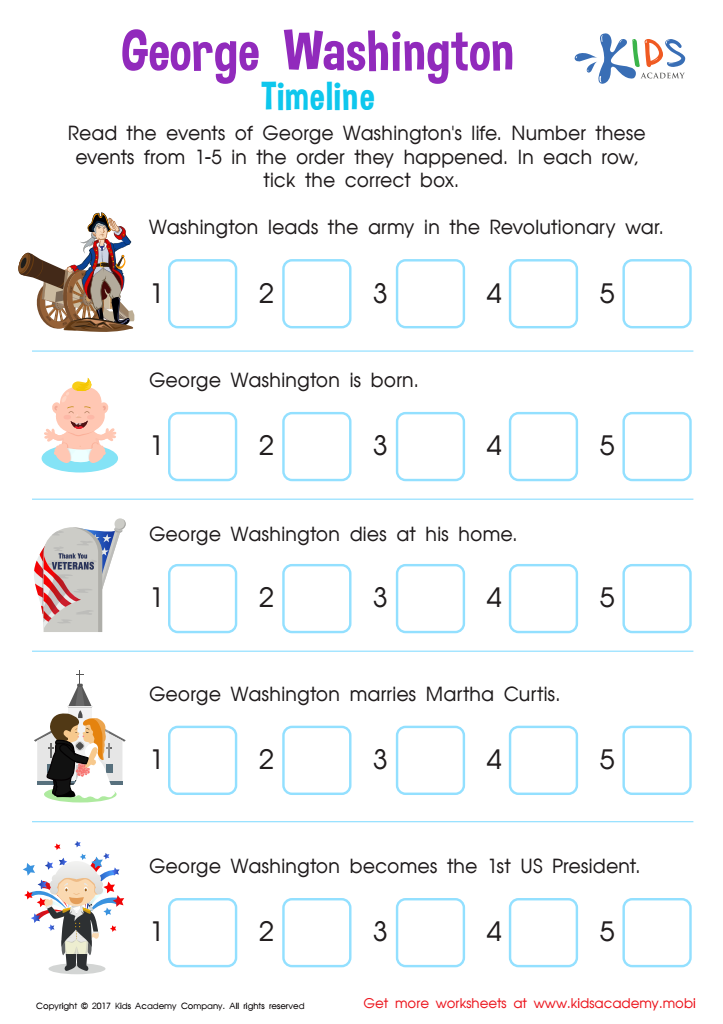
George Washington Timeline Worksheet
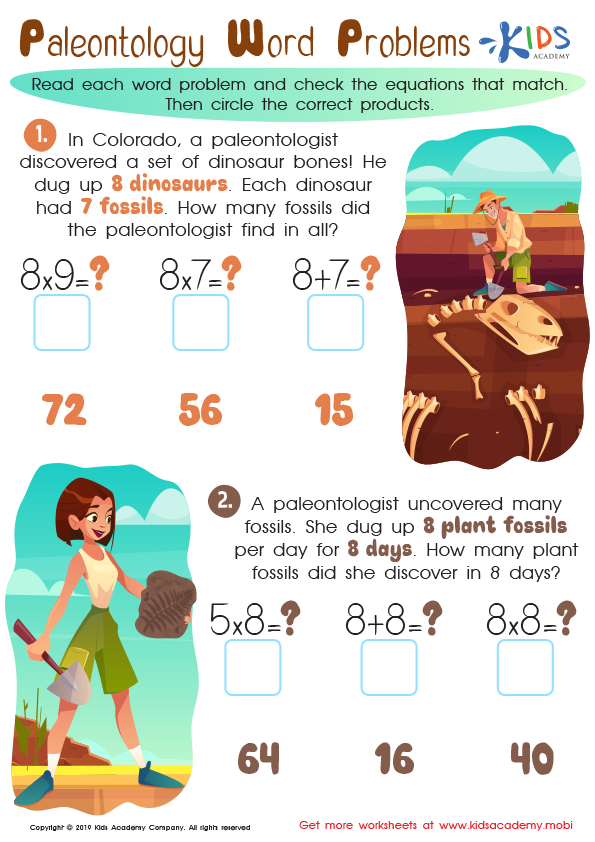
Archeology Word Problems Worksheet
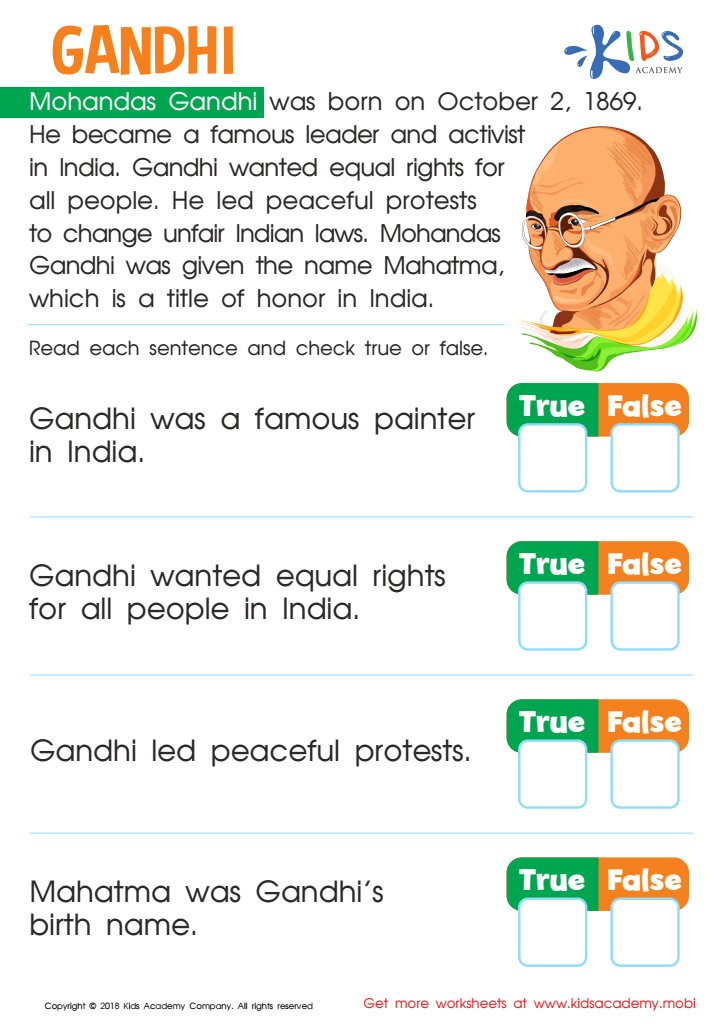
Gandhi Worksheet
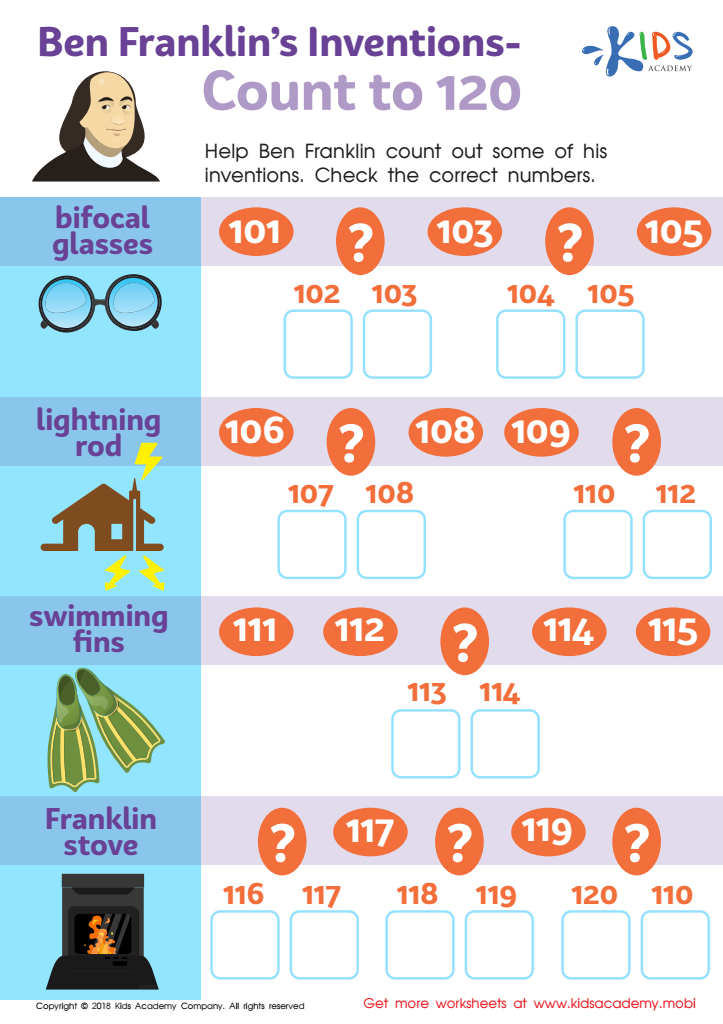
Ben Franklin’s Inventions – Count to 120 Worksheet
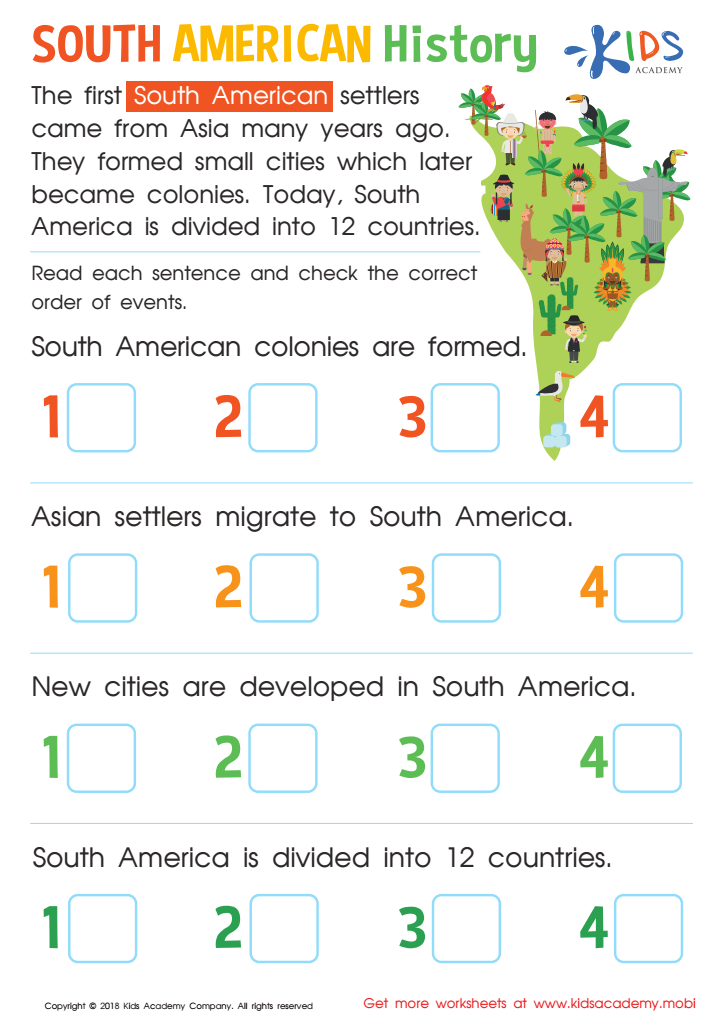
South American History Worksheet








Parents and teachers should prioritize historical knowledge for children aged 5-8 because it lays the foundation for a well-rounded education and helps develop critical thinking skills. At this stage, children are naturally curious about the world and the people around them. Introducing historical concepts fosters their ability to understand context, connects them to different cultures, and cultivates empathy by allowing them to learn about the experiences of others.
Moreover, early exposure to history can enhance literacy skills as children engage with stories about past events, figures, and societies. These narratives capture their imagination, motivating them to read more and enriching their vocabulary. History also teaches important values, such as resilience, cooperation, and the consequences of actions, connecting past challenges to their lives today.
Incorporating history through engaging activities like storytelling, songs, and simple projects can create a dynamic learning environment that makes history alive and relatable. By nurturing an understanding of history early on, parents and teachers provide children with the tools to critically analyze the world around them, understand their societal roles, and appreciate the diversity of human experience—essential qualities for them to grow into informed, compassionate citizens.








