Identify colors Worksheets for Ages 5-8
4 filtered results
-
From - To
Explore our engaging "Identify Colors Worksheets" designed for children ages 5-8! Perfect for young learners, these vibrant worksheets offer a fun way to enhance color recognition and fine motor skills. Each activity encourages creativity and helps children differentiate between various colors while reinforcing essential learning through playful exercises. With a wide variety of illustrations and appealing themes, your child will enjoy discovering colors in everyday objects and nature. These worksheets are ideal for at-home learning or classroom activities, ensuring foundational skills are developed in an enjoyable manner. Download now and color your child's education vibrant!
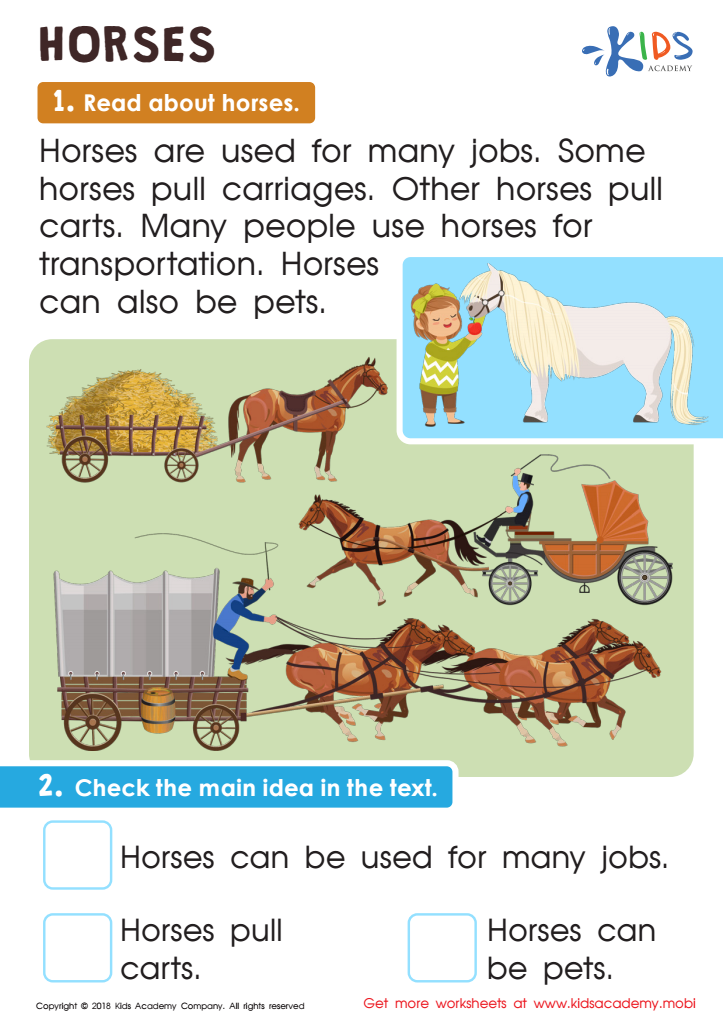
Horses Worksheet
 Assign to My Students




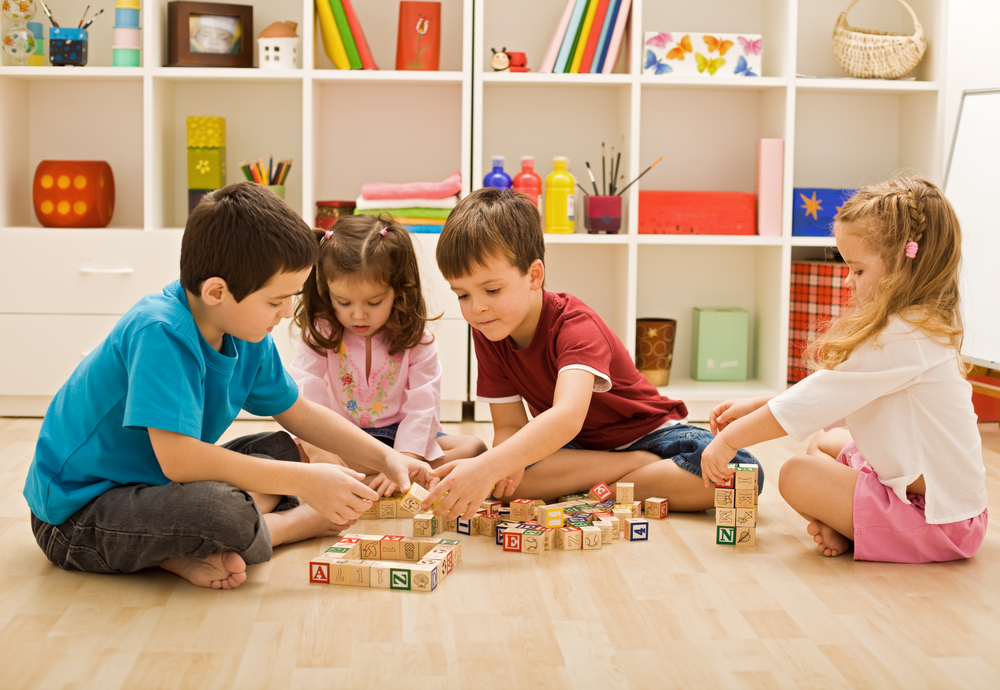


Identifying colors is a fundamental skill for children aged 5-8 that goes beyond art and aesthetics; it plays a crucial role in cognitive development and learning. Knowing colors helps children categorize objects, enhances their observational skills, and improves their ability to communicate. For teachers and parents, fostering color recognition supports early literacy skills, as children learn to associate colors with words and concepts, contributing to vocabulary expansion.
Moreover, color identification can enhance emotional and social skills. Understanding colors allows children to express their preferences and feelings more effectively, fostering communication and building confidence. In group settings, recognizing and discussing colors encourages collaboration and encourages children to engage with their peers.
Additionally, mastering colors can be foundational for complex subjects later in life. From understanding patterns in mathematics, exploring science, or developing artistic skills, color knowledge serves as a building block for various learning experiences.
Lastly, integrating color recognition into everyday activities like choosing clothes, sorting objects, or creating art cultivates a sense of curiosity and wonder about the world around them. By prioritizing color identification, parents and teachers empower children to explore, connect, and thrive in their learning journey.








