
Identifying objects Worksheets for Ages 5-8
5 filtered results
Difficulty Level
Grade
Age
-
From - To
Subject
Activity
Standards
Discover engaging Identifying Objects Worksheets designed for children ages 5-8 to enhance their recognition skills! Our thoughtfully crafted worksheets encourage young learners to explore and identify various objects through fun activities. Each worksheet focuses on easy-to-understand visuals, making it an effective tool for improving vocabulary and cognitive skills. With a blend of pictures and prompts, children will develop their observational abilities while enjoying the learning process. Perfect for at-home or classroom use, these worksheets support early education by ensuring that kids can confidently identify and describe the world around them. Start fostering your child's learning journey today with our printable resources!
Favorites
With answer key
Interactive
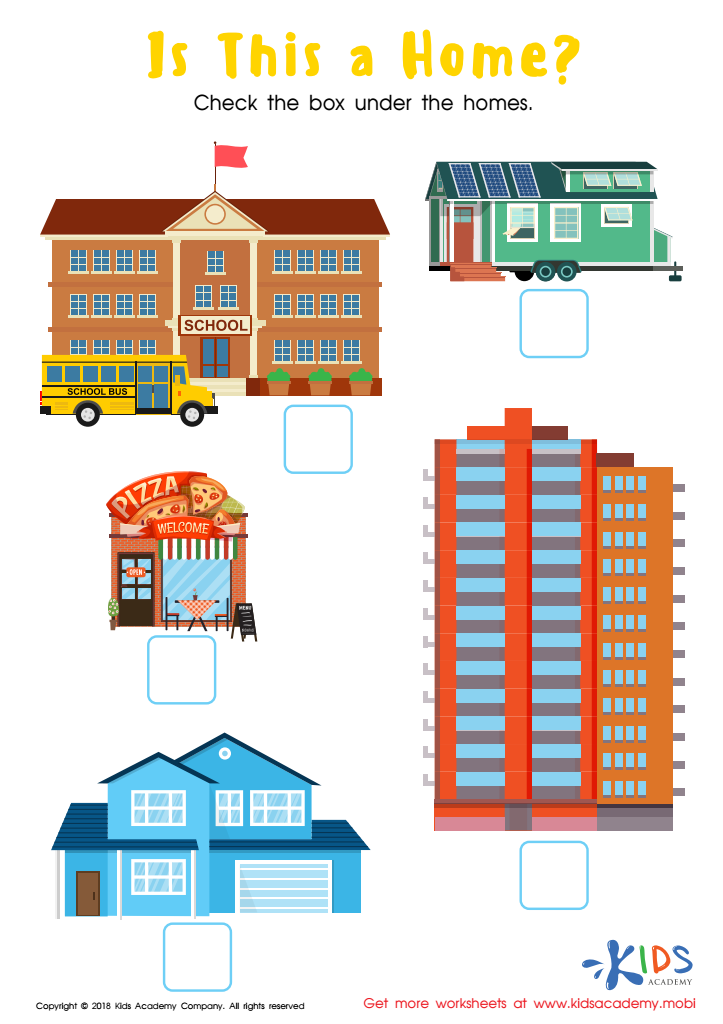
Is this a Home? Worksheet
Ask your child what the building you live in is called. Is it a home, restaurant or hospital? Then look at the pictures in the worksheet and ask them to identify which are homes - even if they don't look like yours. Check the box next to the homes in the pictures.
 Assign to My Students
Is this a Home? Worksheet
Worksheet
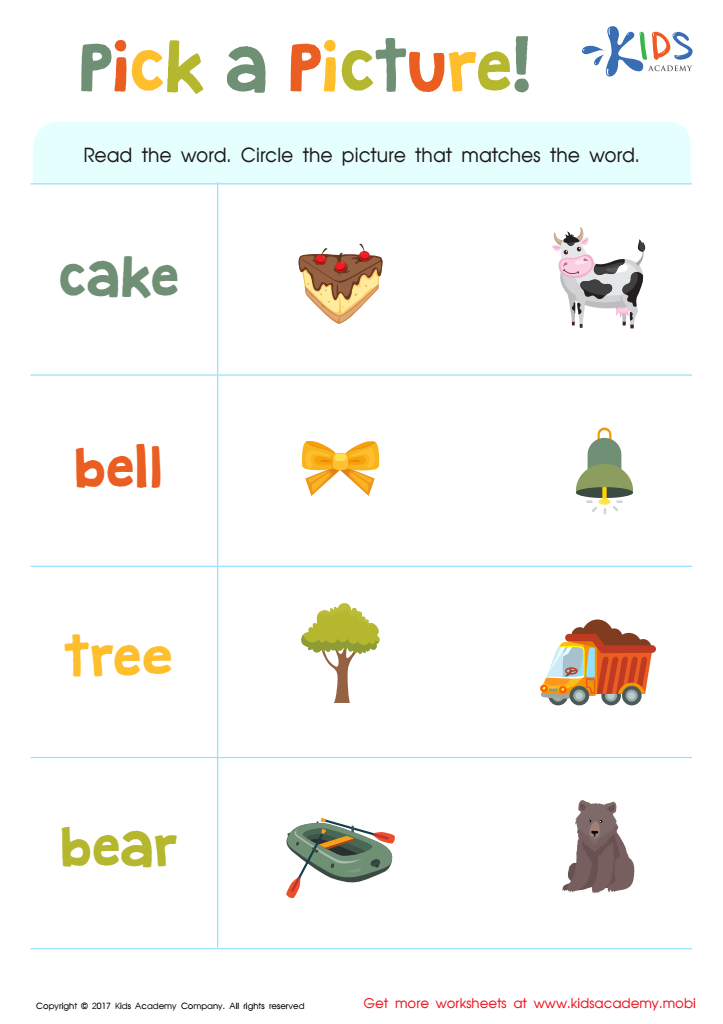
Pick a Picture Word Recognition Worksheet
With our Pick a Picture worksheet, your child's success is within reach. Vivid pictures and words help them learn to read and distinguish initial sounds. Plus, it's a great way to strengthen sight word banks and fine motor skills. Circling practice also helps them form letters properly for writing.
Pick a Picture Word Recognition Worksheet
Worksheet
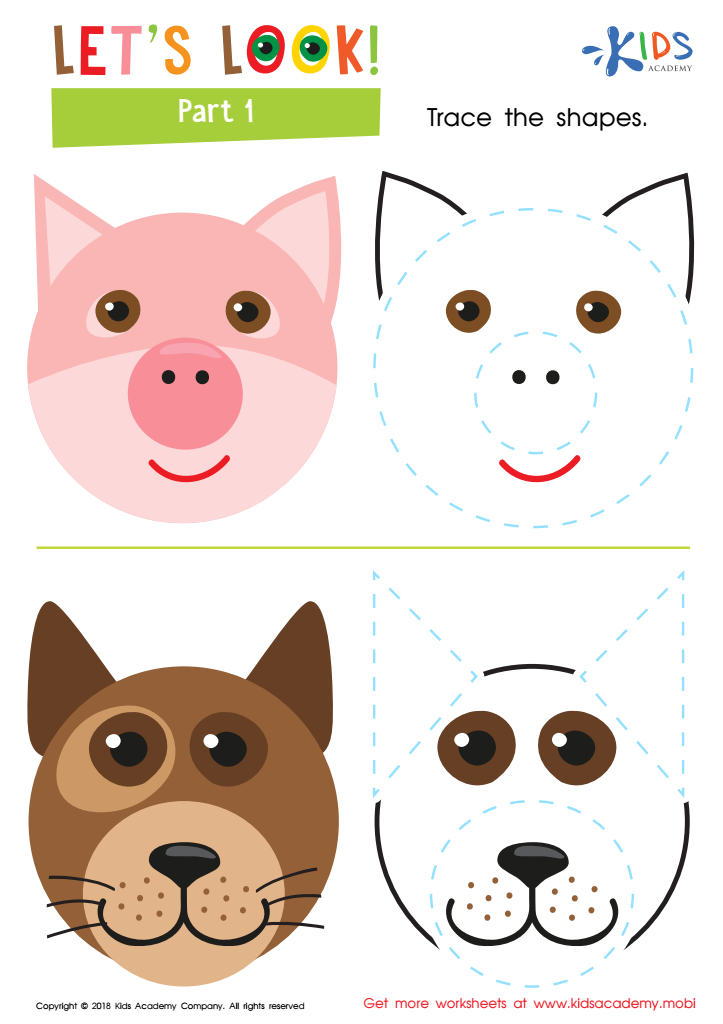
Let's Look! Part 1 Worksheet
If your kids love animals or have a pet at home, they'll get a kick out of this tracing worksheet. It tests their ability to imitate shapes, starting with a pig and followed by a dog. Beside each of these pictures is a space for tracing the shapes. Unleash your child's creativity and see what they come up with!
Let's Look! Part 1 Worksheet
Worksheet
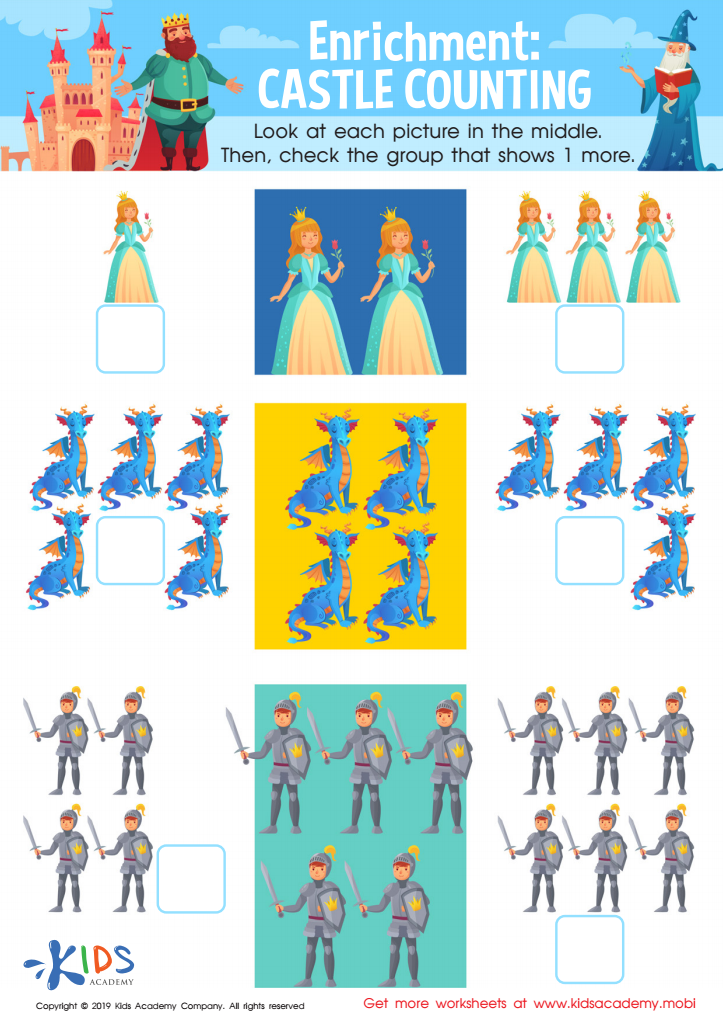
Enrichment: Castle Counting Worksheet
Help your kids learn to count. Start with easy counting of numbers as high as possible. Use the pictures in this printout. Point to the middle one, help them identify it and then count one more than it. Do this to help them get ready for more difficult math concepts like addition, subtraction and multiplication.
Enrichment: Castle Counting Worksheet
Worksheet
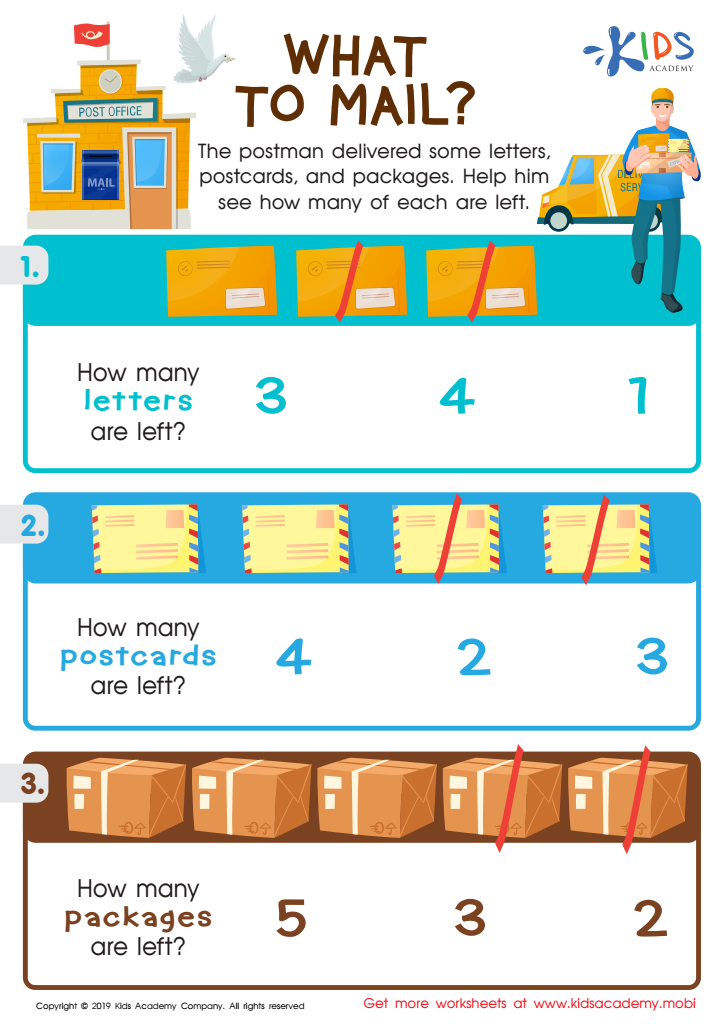
What to Mail? Worksheet
Do your kids know what postmen do? They deliver mail from the post office to the intended recipient. Word problems are math questions written in sentence form. Here, kids must examine the image, read the problem, and find the correct answer. This worksheet offers practice in that skill.
What to Mail? Worksheet
Worksheet
Join Kids Academy for Free
Who is primarily going to use this learning content?






.jpg)

Identifying objects is a crucial skill for children aged 5-8, and it holds significant importance for parents and teachers. At this stage of cognitive development, children are forming foundational skills essential for their academic and daily lives. Learning to identify objects enhances their vocabulary, as they learn to name and describe various items in their environment. This process boosts communication skills, enabling children to express their thoughts and ideas more clearly.
Moreover, object identification aids in the development of critical thinking and problem-solving abilities. By recognizing and categorizing objects, children learn to make connections between different concepts, fostering creativity and analytical skills. For instance, they classify items by shape, color, or size, which lays the groundwork for future mathematics and science learning.
Additionally, proficiency in identifying objects contributes to a child's confidence and independence. They become more capable of navigating their surroundings, participating in discussions, and engaging with educational materials. For teachers and parents, supporting this skill ensures a well-rounded approach to education, providing a rich learning experience that encourages curiosity and exploration. Ultimately, nurturing the ability to identify objects prepares children for ongoing learning and social interactions, setting a strong foundation for their future.








