Improve arithmetic skills Worksheets for Ages 5-8
3 filtered results
-
From - To
Enhance your child's arithmetic skills with our engaging worksheets designed specifically for ages 5-8! These thoughtfully crafted resources focus on foundational math concepts, including addition, subtraction, and number recognition, making learning fun and interactive. Each worksheet features colorful illustrations and age-appropriate exercises that motivate young learners to practice their math skills independently or with parental guidance. Whether you’re at home or in the classroom, our printable worksheets offer a perfect way to build confidence and proficiency in arithmetic. Explore a variety of topics and watch your child's math abilities bloom, setting them up for success in future learning adventures!
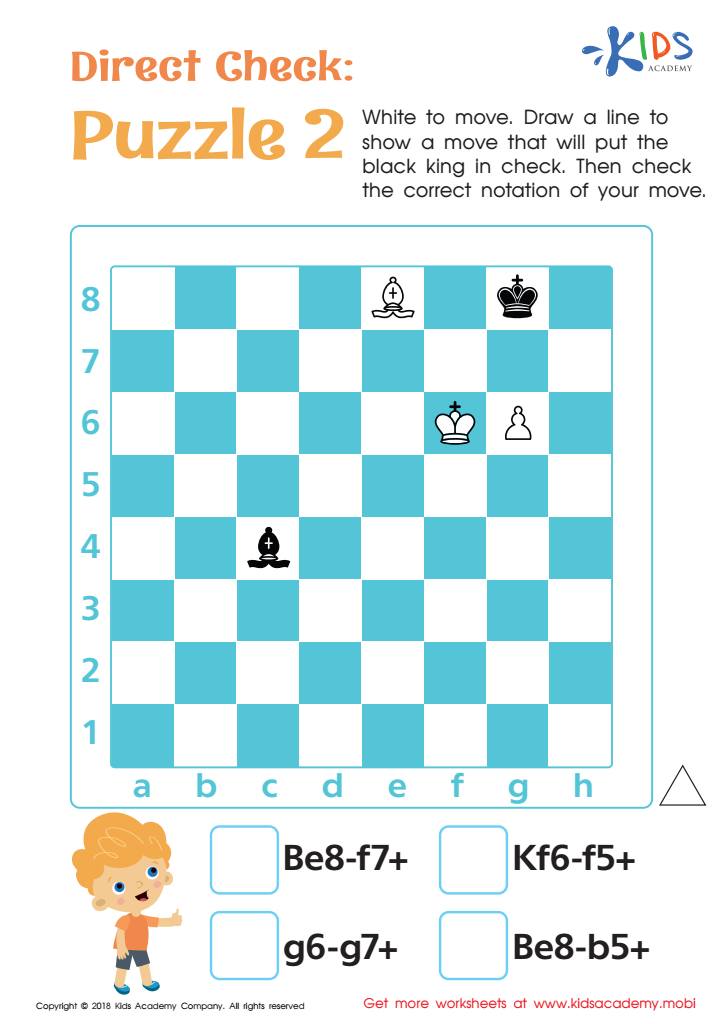
Direct Check: Puzzle 2 Worksheet
 Assign to My Students
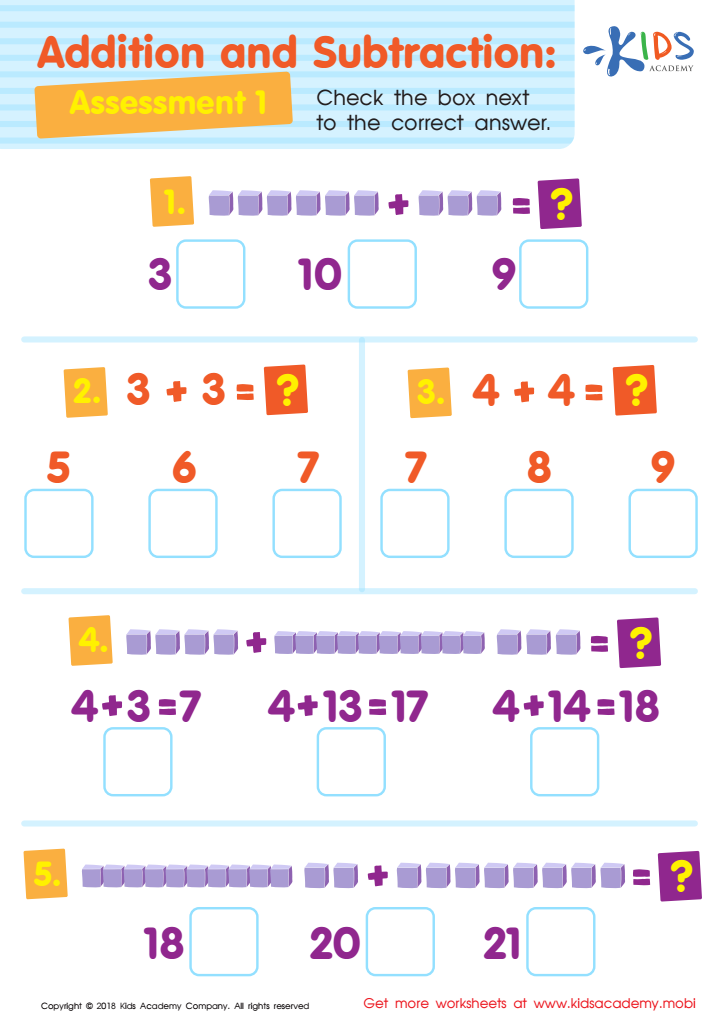
Addition and Subtraction Assessment 1 Worksheet
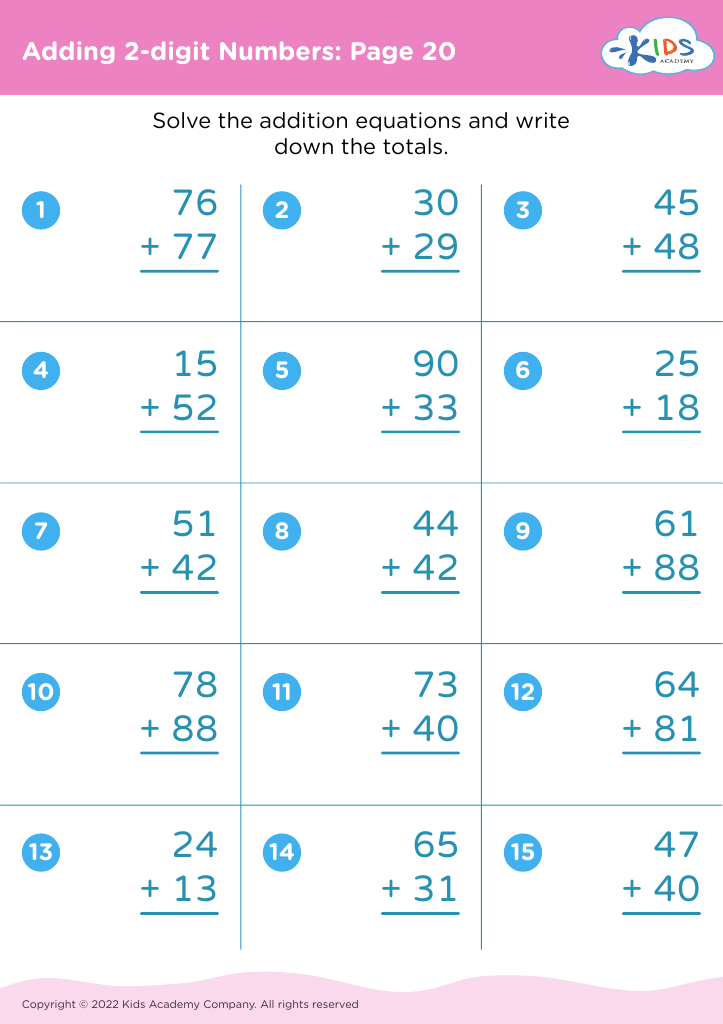





Improving arithmetic skills for children aged 5-8 is crucial for several reasons. First, these years lay the foundation for a child's future math proficiency. During this developmental stage, children begin to grasp basic concepts such as addition, subtraction, and the understanding of numbers. Strong arithmetic skills not only enhance their confidence but also foster a positive attitude toward mathematics, which can influence their attitude toward learning in general.
Additionally, proficiency in arithmetic is essential for everyday life skills, such as budgeting, time management, and measuring, which children will utilize as they grow. Early mastery of these fundamental skills reduces anxiety and aversion to math in later years, ultimately leading to better academic performance.
Moreover, developing arithmetic skills at a young age promotes critical thinking, problem-solving, and logical reasoning — competencies that are valuable beyond mathematics. Engaging young learners through interactive and fun activities can also strengthen parent-child and teacher-student relationships by making learning a collaborative experience.
Finally, as many careers increasingly demand strong math skills, investing in arithmetic training now can open up opportunities for children in the future. Therefore, it is essential for parents and teachers to prioritize these skills for a well-rounded education.








