
Improve handwriting Worksheets for Ages 5-8
3 filtered results
Difficulty Level
Grade
Age
-
From - To
Subject
Activity
Standards
Transform your child's handwriting with our engaging "Improve Handwriting Worksheets for Ages 5-8"! Perfectly designed to suit young learners, our worksheets are packed with fun and educational activities that make practicing writing a joy. From tracing letters to mastering sentence structure, our pages provide step-by-step guidance to enhance fine motor skills and legibility. Tailored specifically for children aged 5 to 8, these worksheets build confidence and set the foundation for neat, clear handwriting. Explore our comprehensive collection today and give your child the boost they need to become a fluent, articulate writer! Visit the web page today.
Favorites
With answer key
Interactive
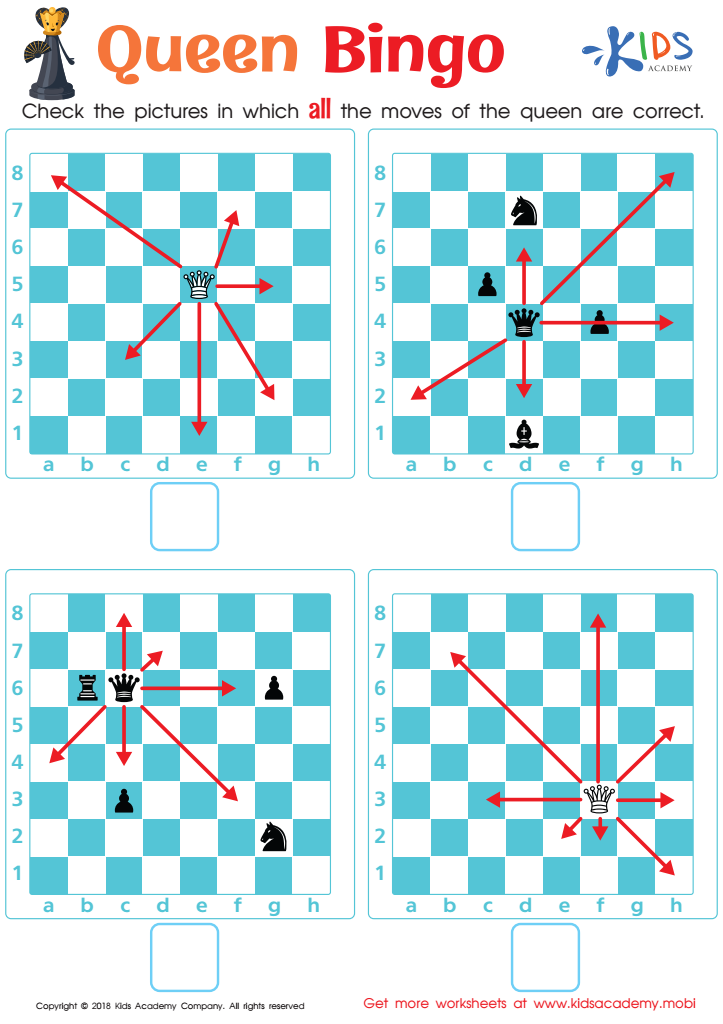
Queen Bingo Worksheet
Test your child's knowledge of chess rules and moves with this free worksheet! Kids look at four pictures and must decide if the queen moves are correct. This exercise helps hone your little one's chess skills!
Queen Bingo Worksheet
Worksheet
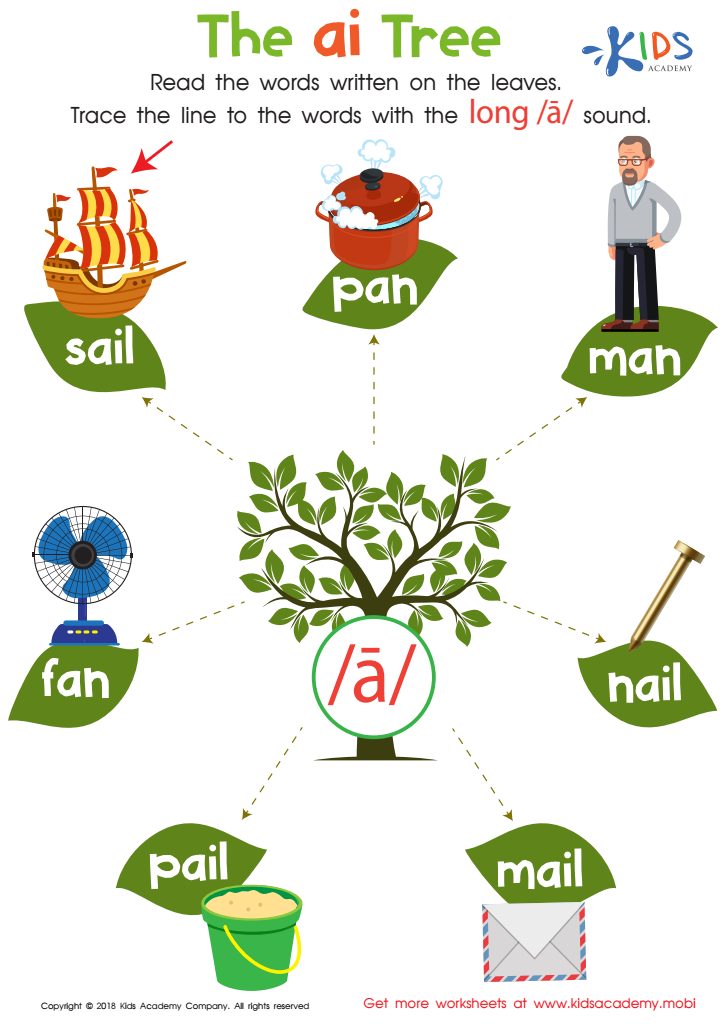
The AI Tree Worksheet
Help your kids learn to read better with this worksheet! Introduce the vowel pair 'ai' and give them familiar examples. Ask them to give you some in return. Then, have them read the words on the leaves and help them trace the ones with the long /a/ sound.
 Assign to My Students
The AI Tree Worksheet
Worksheet
Join Kids Academy for Free
Who is primarily going to use this learning content?







Handwriting proficiency is a crucial skill for children aged 5-8 due to its significant impact on academic success and cognitive development. At this formative age, strong handwriting skills foster fine motor development, which is essential not only for writing but also for other life activities requiring precision, such as tying shoelaces or using scissors. Consistent practice in handwriting helps refine these motor skills, improving hand-eye coordination and dexterity.
Moreover, handwriting fluency affects children’s performance across all subjects. When handwriting is automatic, children can focus more on the content and quality of their work rather than on letter formation. This fluency enables better self-expression and comprehension, crucial for tasks like creative writing or taking notes.
Handwriting practice also enhances memory retention and learning processes. The act of physically writing words aids the encoding process in the brain, making information easier to recall. Teachers and parents should thus regard handwriting instruction as pivotal in early education, integrating engaging activities that promote neat, consistent writing, and substantial reading comprehension.
Handwriting nurtures essential life skills such as patience, discipline, and concentration. Recognizing its broad impact ensures children build a solid foundation — academically, cognitively, and developmentally — which will benefit them long-term.








