Learn subtraction Worksheets for Ages 5-8
5 filtered results
-
From - To
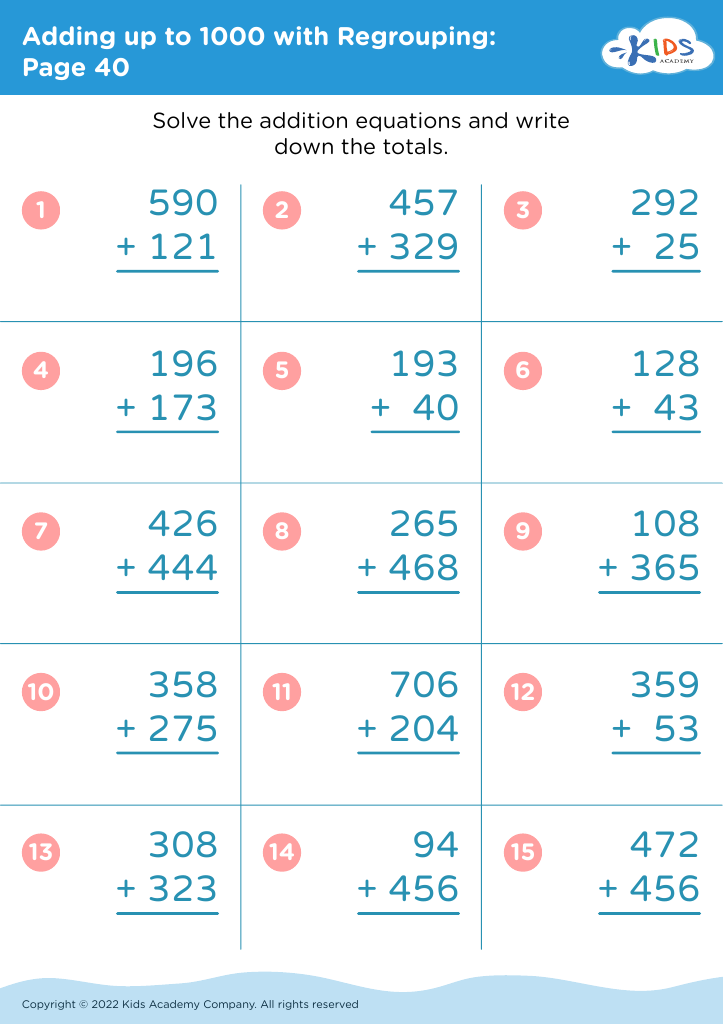
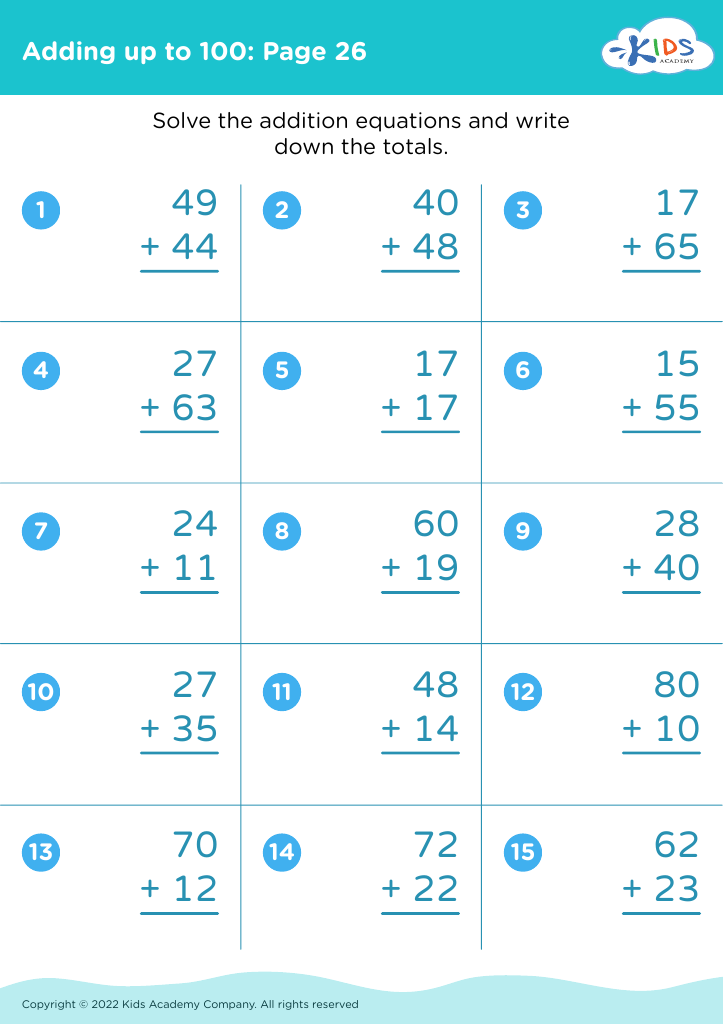
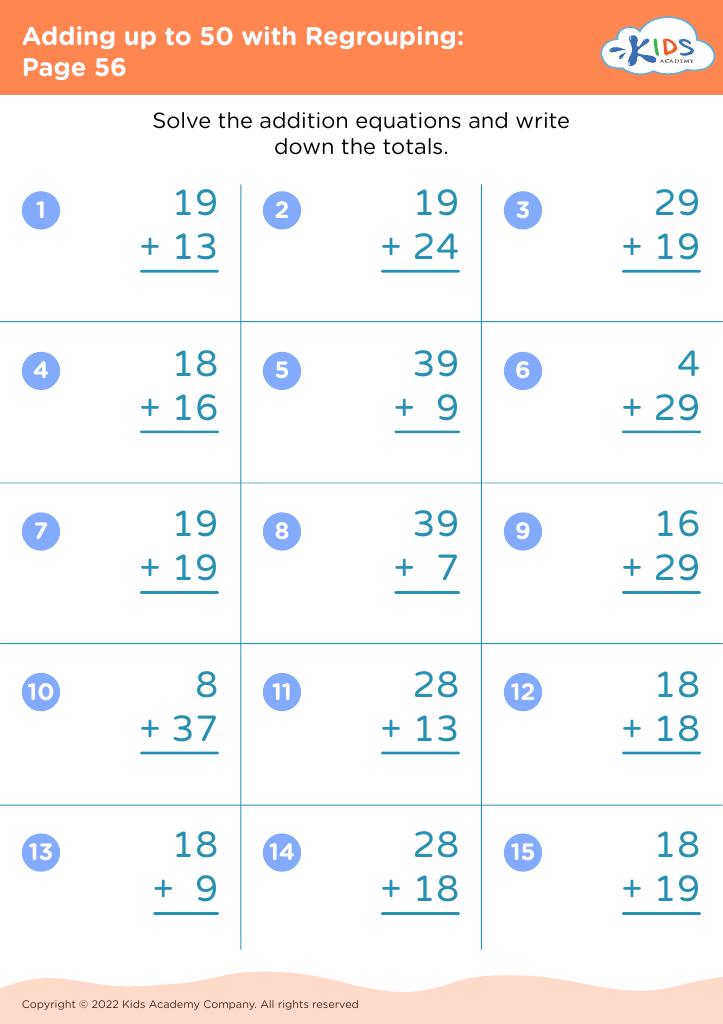
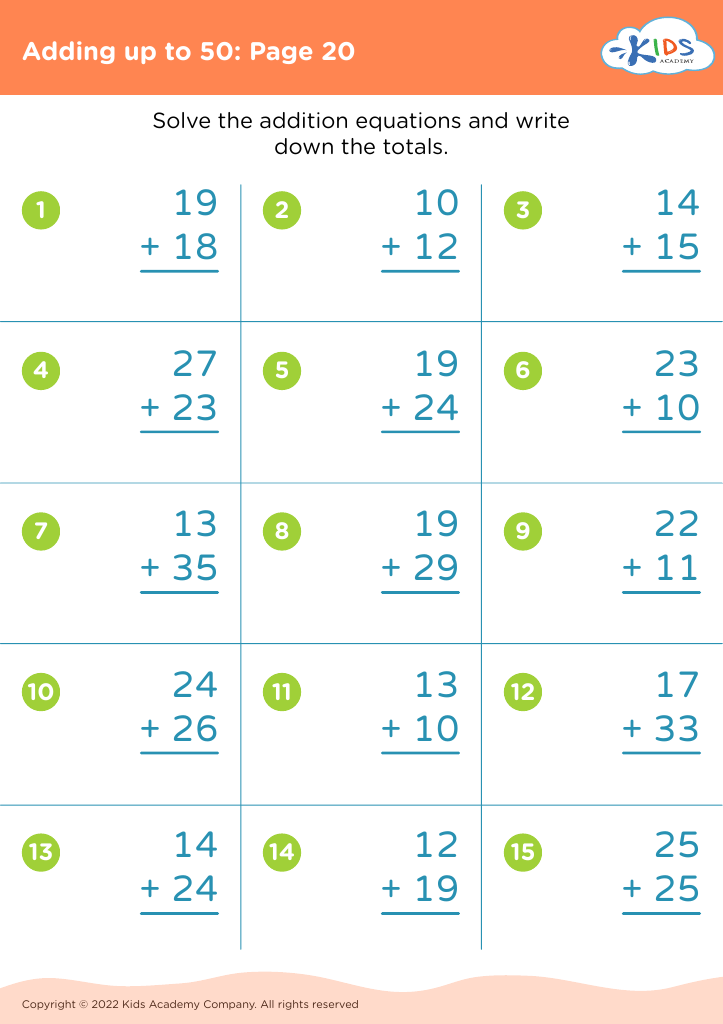
Discover a fun and engaging way to teach subtraction to children ages 5-8 with our comprehensive Learn Subtraction Worksheets. These printable resources are designed to enhance foundational math skills while keeping young learners excited about numbers. Featuring colorful illustrations and age-appropriate exercises, our worksheets help children practice subtraction in relatable contexts, ensuring concepts are understood. From basic counting down to more complex problems, each worksheet is tailored to build confidence and competence. Perfect for home or classroom use, these subtraction worksheets are a valuable tool for nurturing critical thinking and problem-solving skills. Start your child's mathematical journey today!
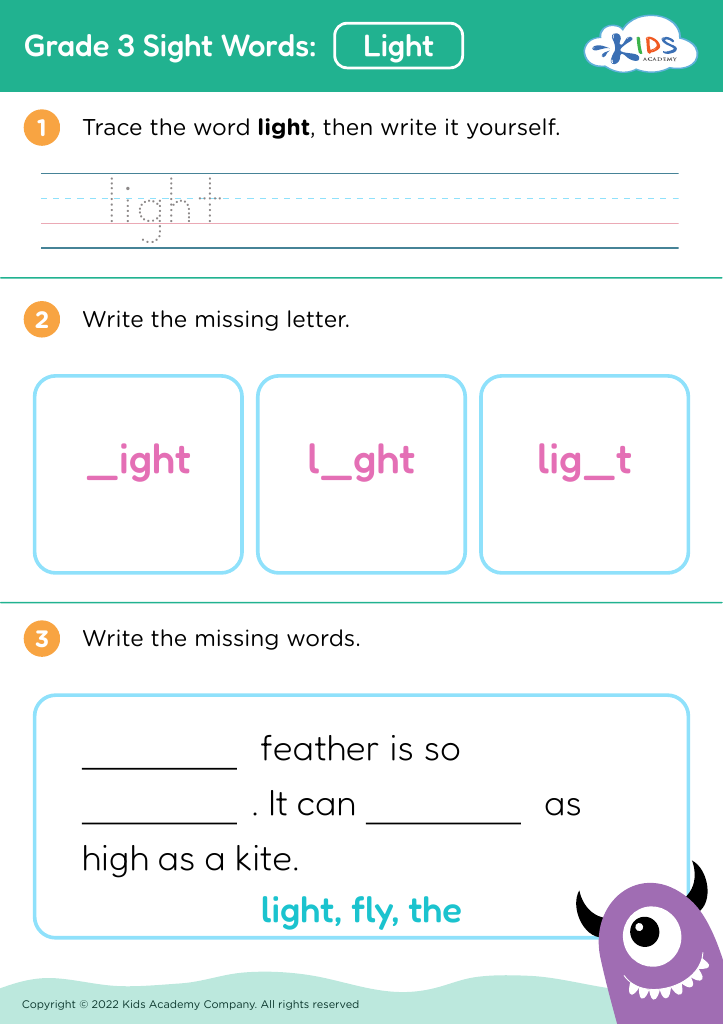








Learning subtraction is an essential milestone for children aged 5-8, as it lays the groundwork for more complex mathematical concepts. At this age, children are developing crucial cognitive skills and understandings that will serve them throughout their educational journey. Firstly, mastering subtraction helps enhance their problem-solving abilities, enabling them to tackle practical everyday challenges, like managing money or sharing resources.
Additionally, subtraction fosters critical thinking and cognitive development. It encourages children to analyze relationships between numbers and develop their reasoning skills. Activities related to subtraction can be engaging and interactive, making math fun and stimulating curitorial bonds as parents or teachers work with children to learn hands-on.
Moreover, a strong foundation in subtraction promotes confidence in academic abilities. When children feel successful in their math skills, they are more motivated to tackle further challenges, easing the transition to more advanced mathematical concepts like multiplication and division. This confidence is crucial in combating math anxiety, which is increasingly prevalent in young students.
Therefore, both parents and teachers play a vital role in developing these skills, ensuring that children not only achieve academic success but also build a positive relationship with mathematics that will benefit them throughout their lives.








