Logical reasoning skills Worksheets for Ages 5-8
5 filtered results
-
From - To
Unlock your child's potential with our Logical Reasoning Skills Worksheets for Ages 5-8. Curated by experts, these engaging resources foster critical thinking and problem-solving abilities through fun puzzles, patterns, and brainteasers. Boost your child's cognitive development while enhancing their understanding of cause and effect, sequencing, and spatial awareness. Perfect for both classroom and home learning, our worksheets are designed to challenge young minds and build foundational skills vital for future academic success. Explore our diverse collection to spark curiosity and inspire learning in every child. Start the journey to superior logical reasoning today!
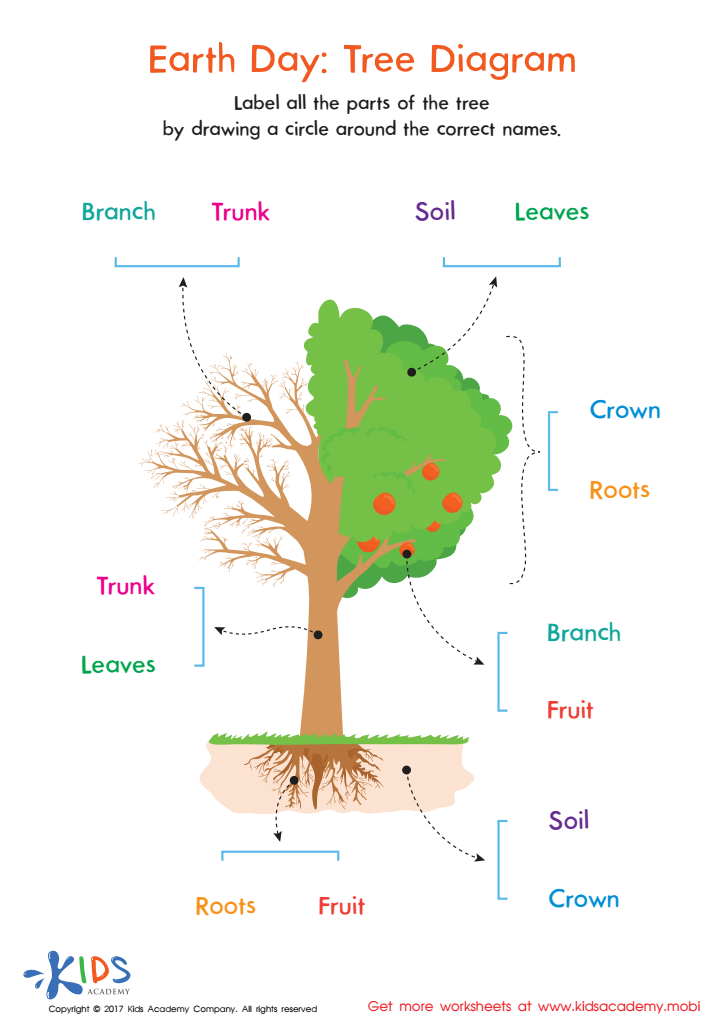
Earth Day: Tree Diagram Worksheet
 Assign to My Students
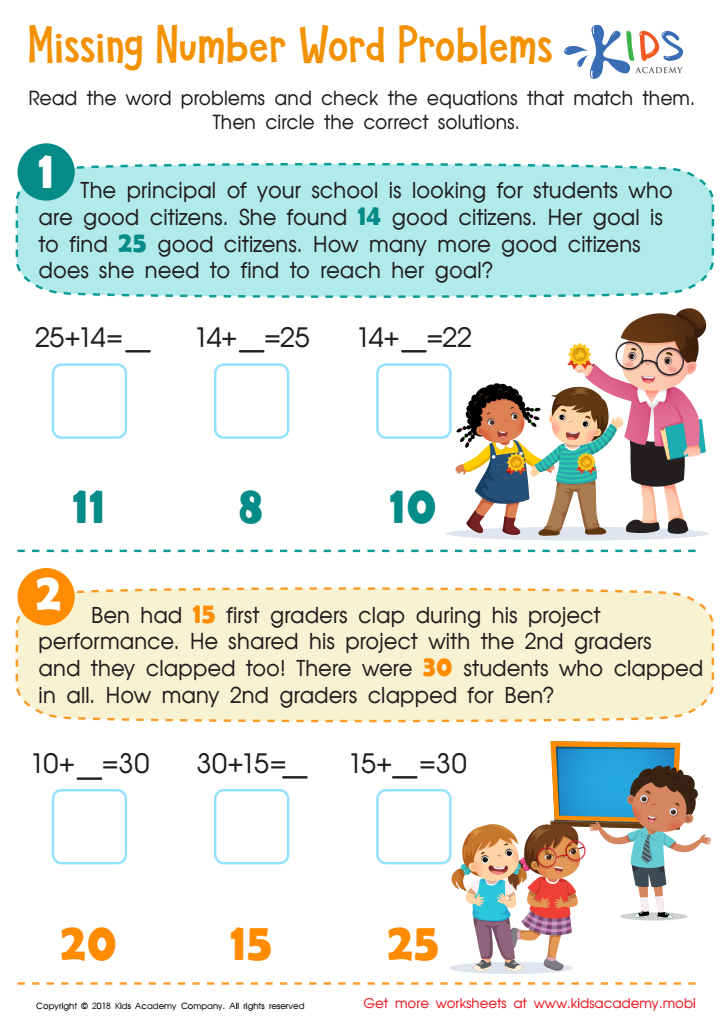
Missing Number Word Problems Worksheet
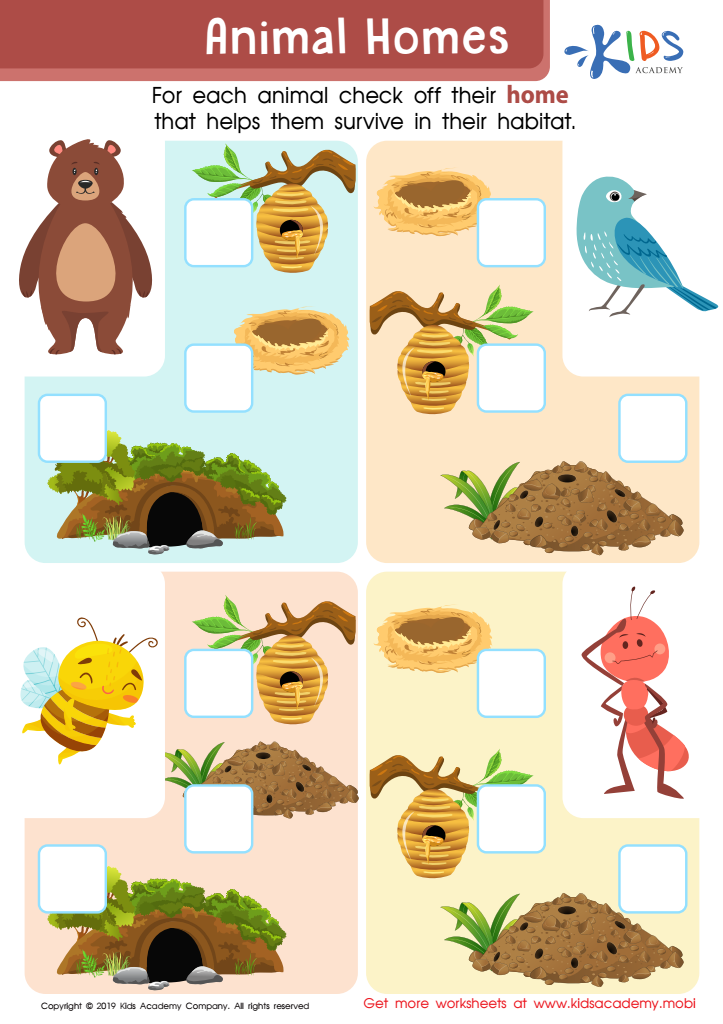
Animal Homes Worksheet

Logic Game Sorting Worksheet

Sudoku Worksheet





.jpg)

Parents and teachers should be highly invested in developing logical reasoning skills in children ages 5-8 because these foundational skills enable critical thinking and problem-solving, which are essential for academic and life success. At this formative stage, children’s brains are exceptionally receptive to new information and can develop pathways that facilitate higher-order thinking. Logical reasoning helps children make sense of the world around them by allowing them to draw connections, identify patterns, and understand cause-and-effect relationships.
In the classroom, strong logical reasoning skills pave the way for success in key academic areas such as math and science, where understanding sequences and solving problems are crucial. For instance, grasping the concept of why 2+2 equals 4 isn’t just about memorizing facts but understanding why it’s true, which is a form of logical reasoning.
In everyday life, these skills empower young children to navigate challenges independently. They learn to think systematically about how to approach problems, whether it’s figuring out how to share toys more effectively or understanding the rules of a new game.
Furthermore, early development of logical reasoning is closely linked with improved social skills. It assists children in negotiating, understanding different perspectives, and making fair decisions, which are vital for positive social interactions. Therefore, focusing on enhancing these skills early on sets children up for well-rounded futures.








