Math application skills Worksheets for Ages 5-8
3 filtered results
-
From - To
Explore our engaging Math Application Skills Worksheets for ages 5-8, designed to make learning fun and effective! Our printable resources focus on real-life scenarios, helping young learners grasp essential math concepts like addition, subtraction, and measurement through hands-on activities. Each worksheet is crafted to enhance critical thinking and problem-solving skills, ensuring children apply their knowledge in meaningful ways. Perfect for classroom settings or homeschooling, these worksheets cater to different learning styles and promote confidence in mathematical abilities. Download our comprehensive collection today and watch your child excel in math while enjoying the learning process!
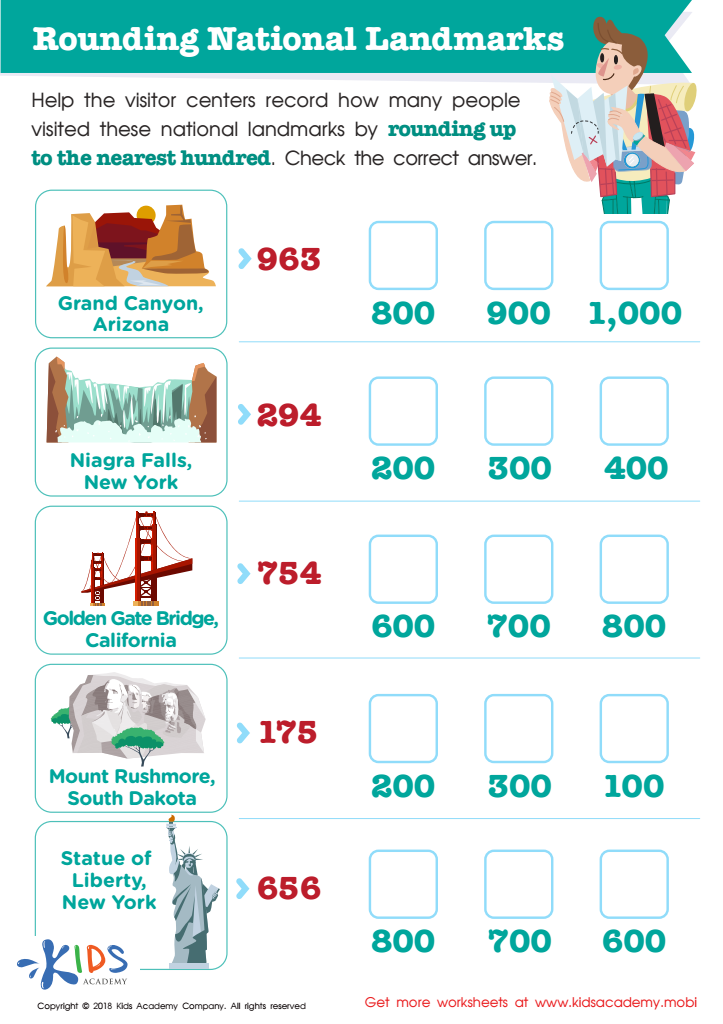
Rounding National Landmarks Worksheet
 Assign to My Students
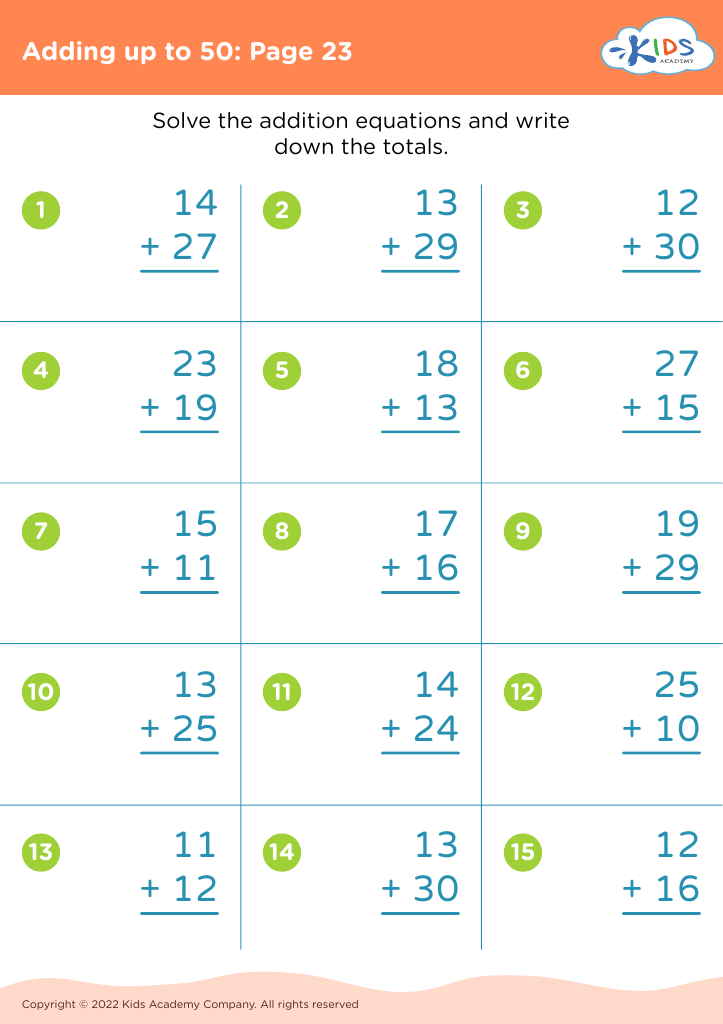
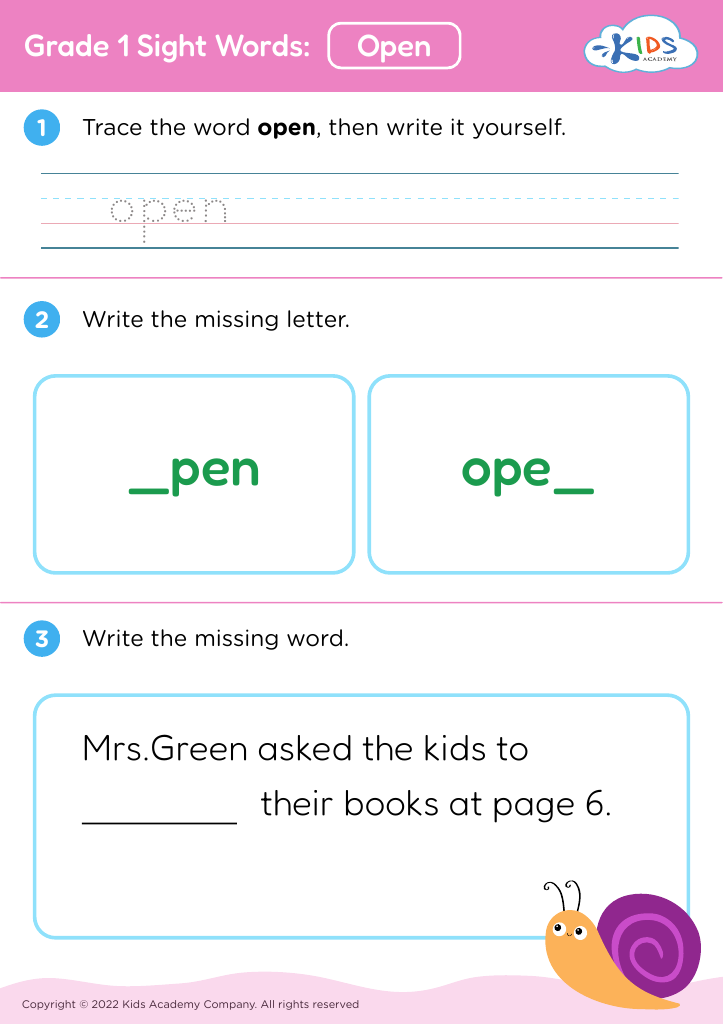








Parents and teachers should prioritize math application skills for children ages 5 to 8 because early mastery of these concepts lays a crucial foundation for future academic success. At this age, children are naturally curious and eager to understand the world around them. Implementing math application skills within their experiences helps them make sense of everyday situations, such as measuring ingredients while cooking, counting change while shopping, or estimating travel time. These practical applications foster critical thinking and problem-solving abilities, essential life skills that extend beyond the classroom.
Furthermore, developing math application skills early enhances children’s confidence and enjoyment of learning. When kids can relate math to real-life scenarios, they are more likely to engage actively with the subject, reducing math anxiety and promoting a lifelong love for learning.
Also, math application skills promote social development as children collaborate on solving problems, navigate tasks together, and share strategies. Parents and teachers play a pivotal role in nurturing these skills by incorporating math discussions and activities into daily routines. This focus not only supports academic achievement but also prepares them to be resourceful and competent learners in an increasingly complex world. By investing in math application skills, adults equip children with tools they will use throughout their lives.








