Mental math skills Worksheets for Ages 5-8 - Page 2
27 filtered results
-
From - To
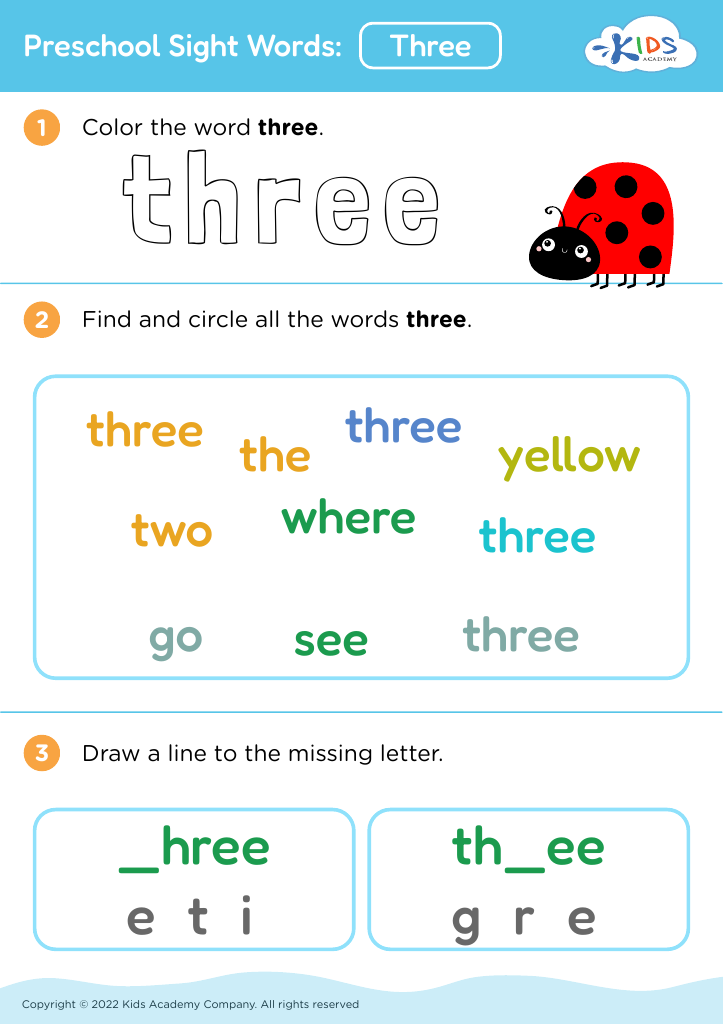
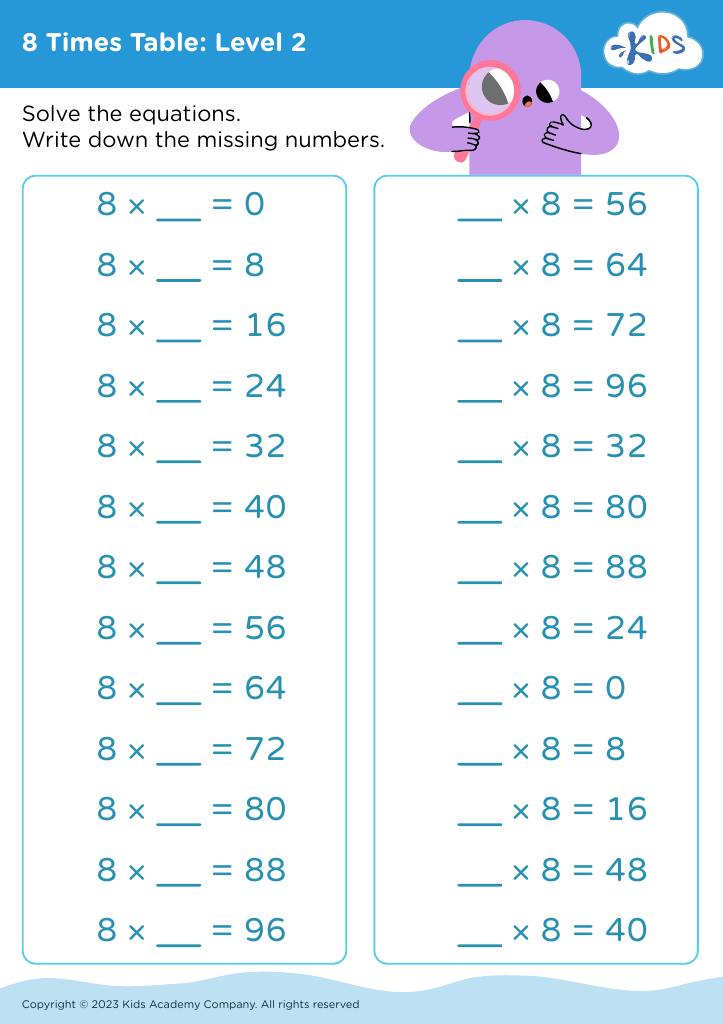
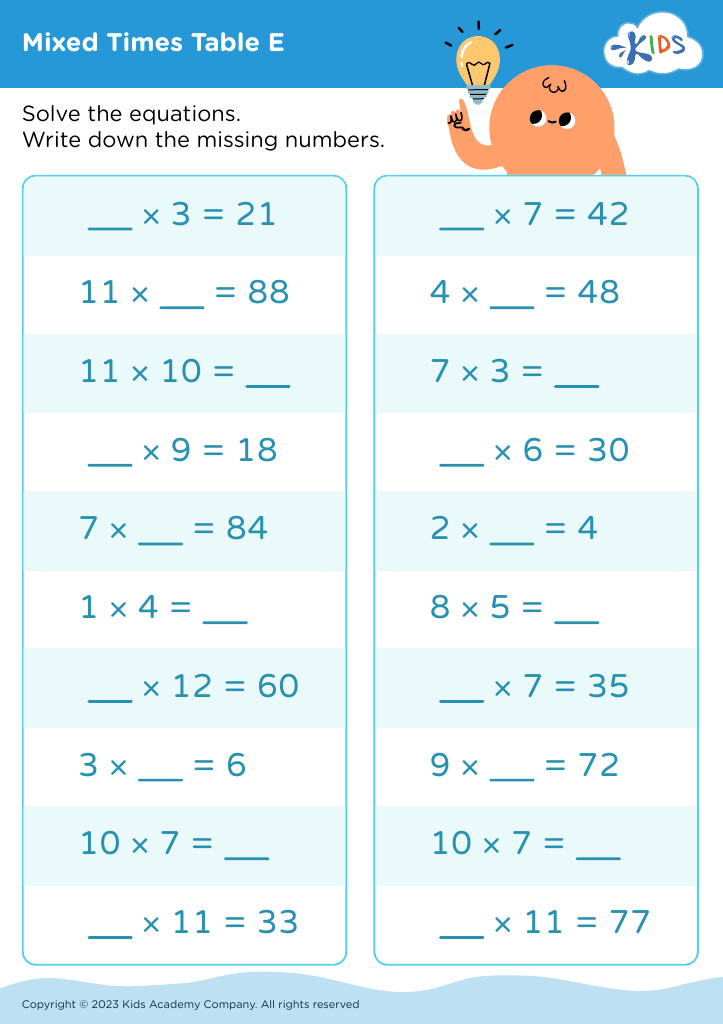








Parents and teachers should prioritize mental math skills for children aged 5-8 because these foundational years are crucial for cognitive development and setting the stage for future academic success. Mental math fosters number sense, enabling children to understand and manipulate numbers intuitively rather than relying solely on rote memorization. This fosters a deeper comprehension of mathematical concepts, promoting problem-solving skills and creative thinking.
Cultivating mental math abilities early enhances memory and brain function by encouraging the brain to process mathematical information quickly and efficiently. This skill also boosts confidence and reduces math anxiety, as children are better equipped to tackle math problems both inside and outside the classroom. Moreover, a solid math foundation is linked to higher achievement in STEM (Science, Technology, Engineering, Mathematics) fields later in life.
In everyday life, mental math skills are invaluable, supporting activities such as telling time, counting money, and following cooking measurements. Overall, investing time in developing mental math proficiency in young children pays significant dividends in academic performance, practical life skills, and cognitive development, setting them up for a future full of possibilities and problem-solving prowess.








