Nature appreciation Worksheets for Ages 5-8
6 filtered results
-
From - To
Discover our engaging Nature Appreciation Worksheets designed for children ages 5-8! At Kids Academy, we focus on blending education with the wonders of the natural world. These interactive and colorful worksheets help young learners develop a deep connection with nature by exploring different aspects of the environment, plants, animals, and seasonal changes. Perfect for both classroom and home use, our worksheets promote critical thinking, observation, and creativity while fostering a love for the outdoors. Give your child the tools to appreciate and understand the world around them with our expertly crafted, fun, and educational nature-themed activities.
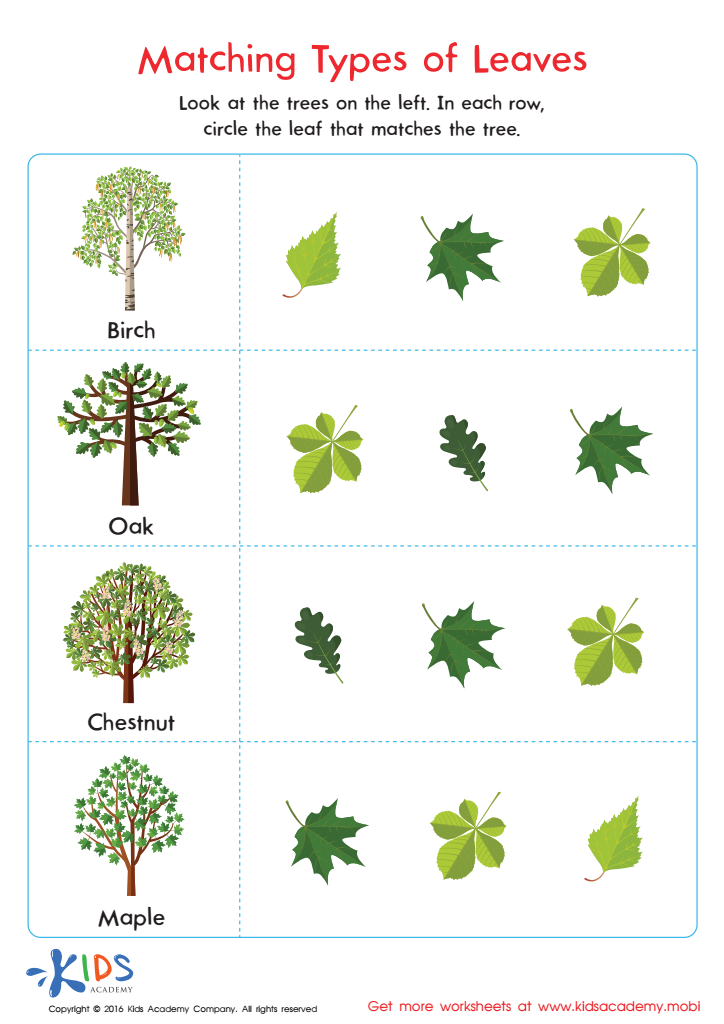
Matching Types of Leaves Printable
 Assign to My Students
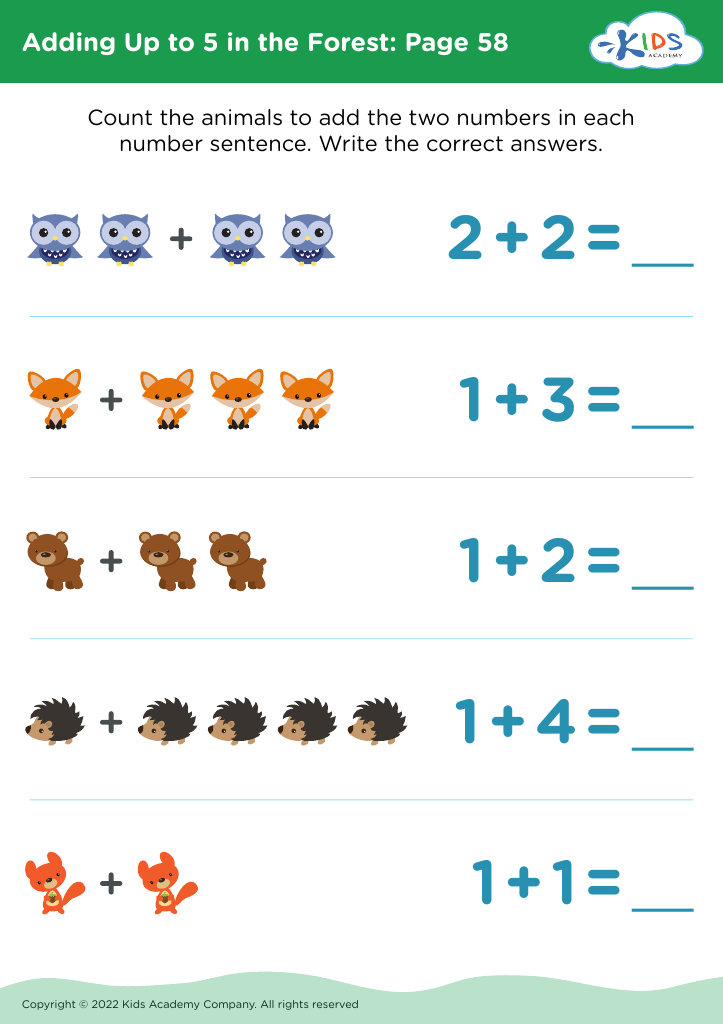
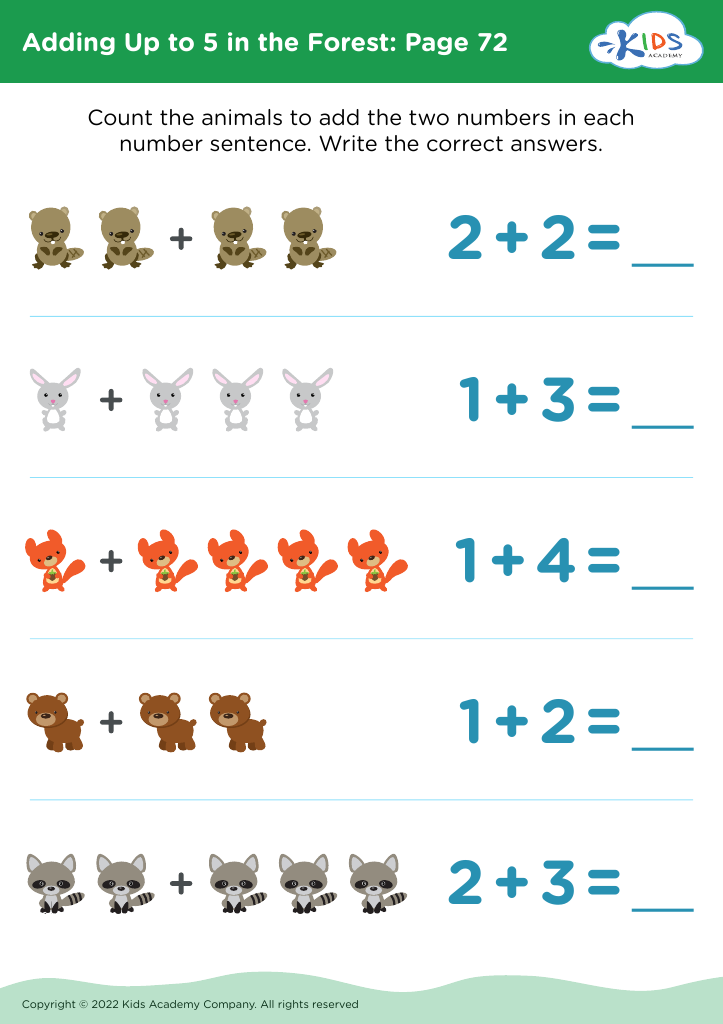
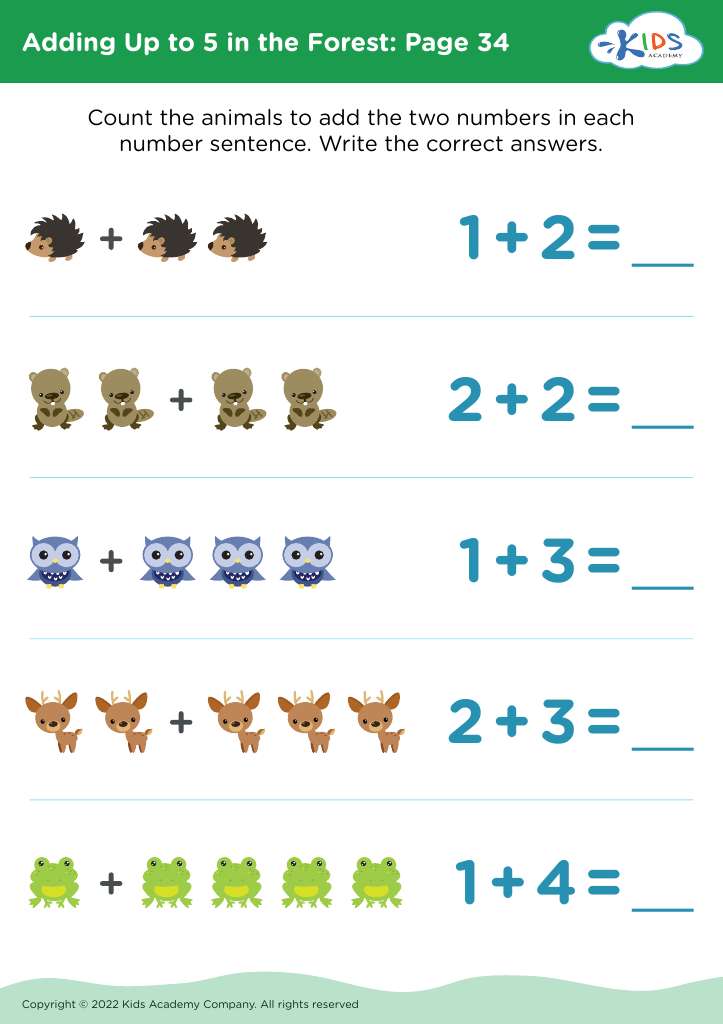







Helping children aged 5-8 appreciate nature is vital for their holistic development. Nature appreciation fosters curiosity and a sense of wonder, which are foundational for lifelong learning. When children explore the natural world, they engage all their senses and develop observation skills, critical thinking, and creativity. This hands-on discovery supports their cognitive growth and helps them understand complex ecological concepts in an age-appropriate way.
Additionally, exposure to nature has been shown to have numerous psychological benefits. It can reduce stress, enhance mood, and increase attention spans, which are crucial for young learners' emotional resilience and academic success. Playing outdoors also encourages physical activity, which is essential for their motor skills, overall health, and well-being.
From a social perspective, experiences in nature often involve group activities that can improve teamwork, communication, and empathy. Children learn to share, negotiate, and collaborate, resources which are essential for personal and social development. Finally, fostering a love for nature at a young age instills values of environmental stewardship and conservation, ensuring that the next generation values and protects our planet. Educating children about nature doesn't just enrich their immediate lives; it establishes a lifelong respect and responsibility toward the Earth.








