Practice writing numbers Worksheets for Ages 5-8
7 filtered results
-
From - To
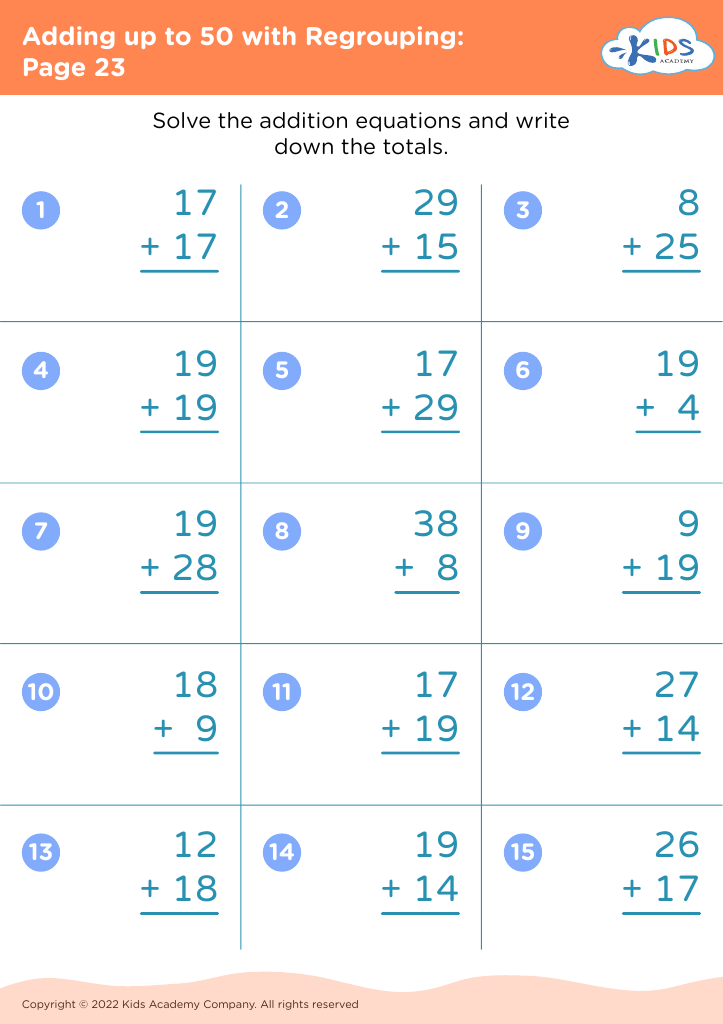
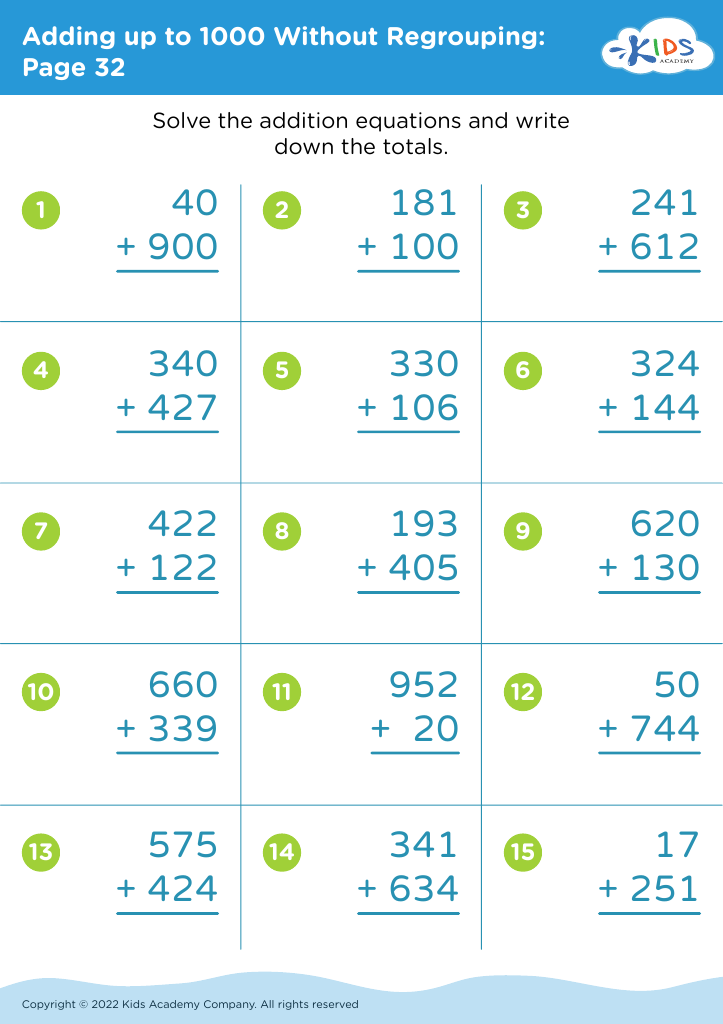
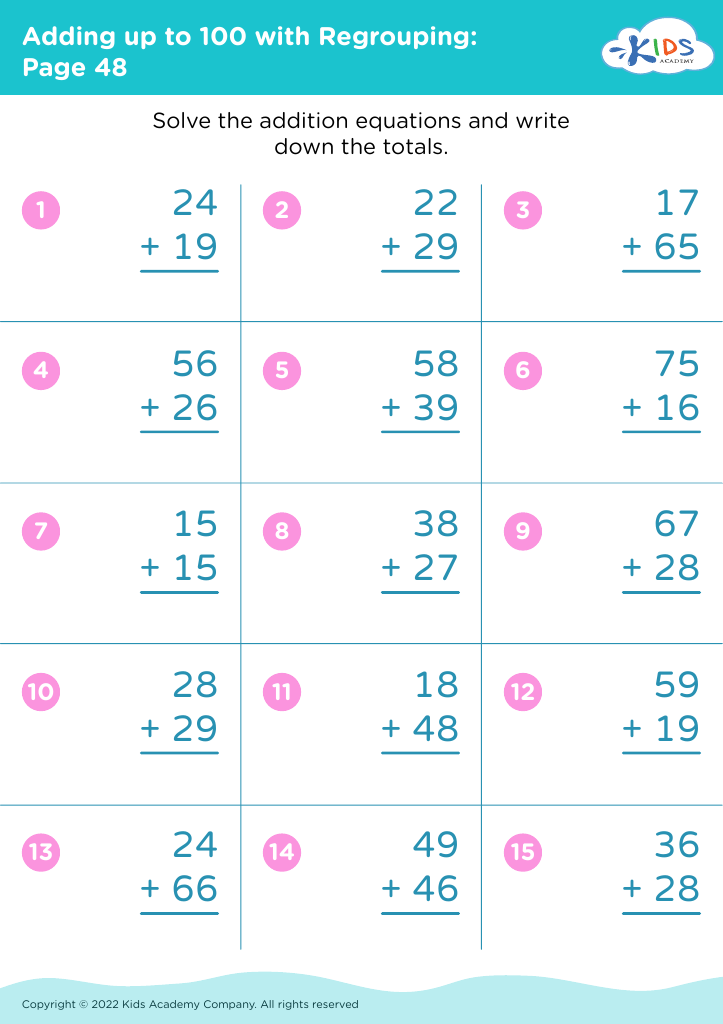
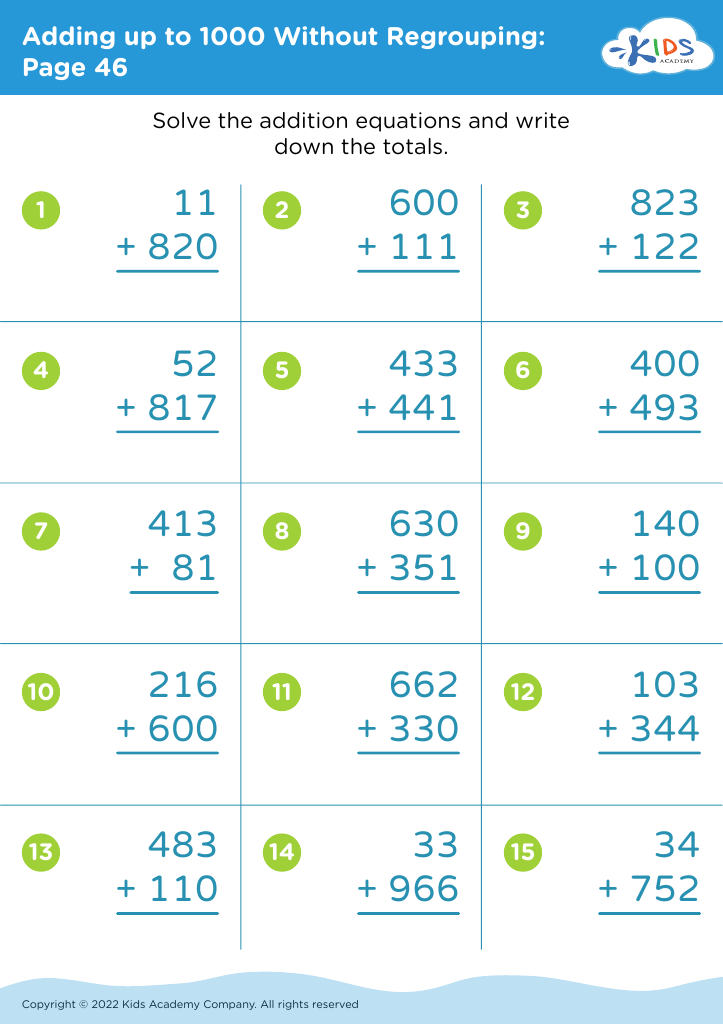
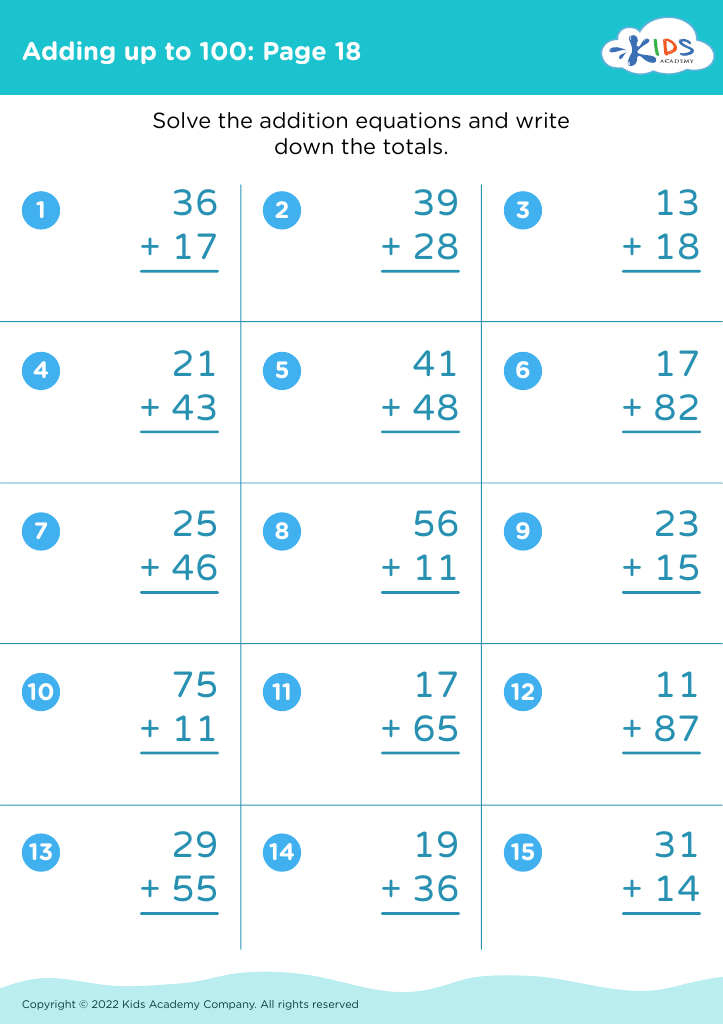
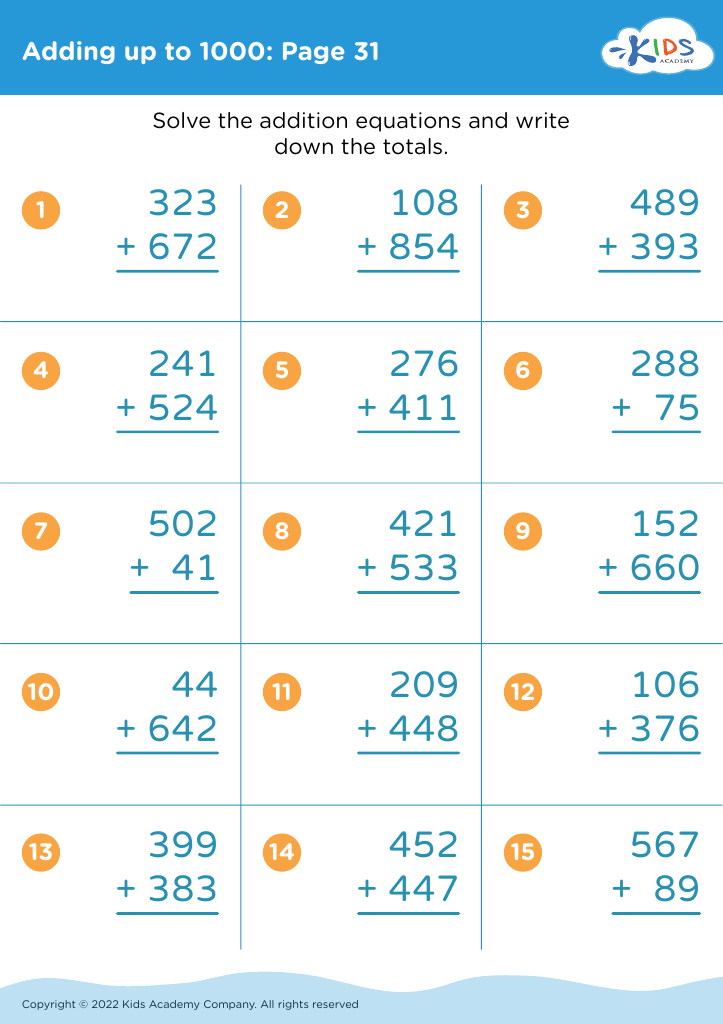
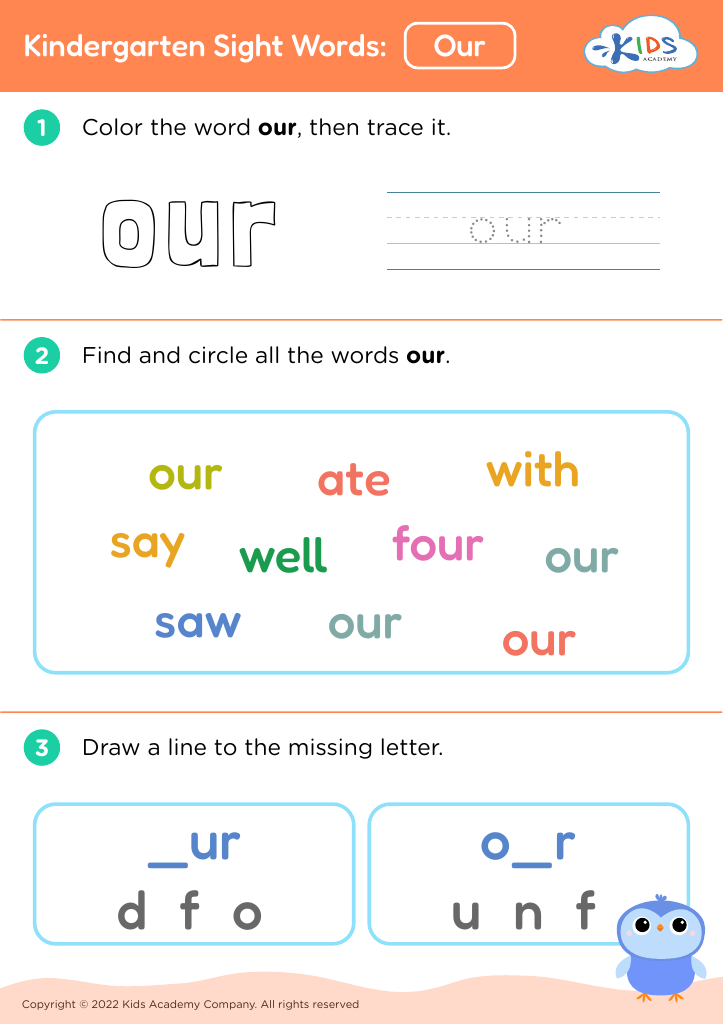
Our "Practice Writing Numbers Worksheets for Ages 5-8" foster essential math skills through fun and engaging exercises. These worksheets are meticulously designed to help young learners master number writing and recognition. Each sheet includes various activities such as tracing, counting, and coloring to reinforce number concepts. By incorporating these interactive worksheets into your child's routine, you'll ensure they build a strong numerical foundation while enjoying the learning process. Perfect for use in classrooms or at home, these practice sheets make learning numbers an exciting adventure. Download and print today to support your child's academic growth in a playful way!





.jpg)

Teaching children ages 5-8 to practice writing numbers is crucial for their academic foundation and everyday life skills. During these formative years, students are developing their fine motor skills, number sense, and cognitive abilities, all of which are vital for future learning.
Firstly, writing numbers helps children to become familiar with number shapes and sequences, cementing their numerical knowledge. As children learn to write clearly and correctly, it also enhances their ability to recognize numbers quickly, which is essential for counting, simple arithmetic, and understanding complex mathematical concepts later on.
Secondly, regularly practicing number writing improves fine motor skills. Holding a pencil, forming precise shapes, and positioning numbers correctly on a line all contribute to the development of hand-eye coordination and dexterity. These skills are not only important for mathematics but also for overall writing abilities and other classroom activities.
Furthermore, number writing instills discipline and attention to detail. As children strive to form numbers correctly, they learn to focus and set standards for their work. This nurturing of patience and precision can positively influence other areas of their studies and personal growth.
Ultimately, caring about number writing practice supports a child's academic progress, fine motor development, and cognitive skills, establishing a robust groundwork for lifelong learning and success.








