Sound Association Worksheets for Ages 5-8 - Page 2
39 filtered results
-
From - To
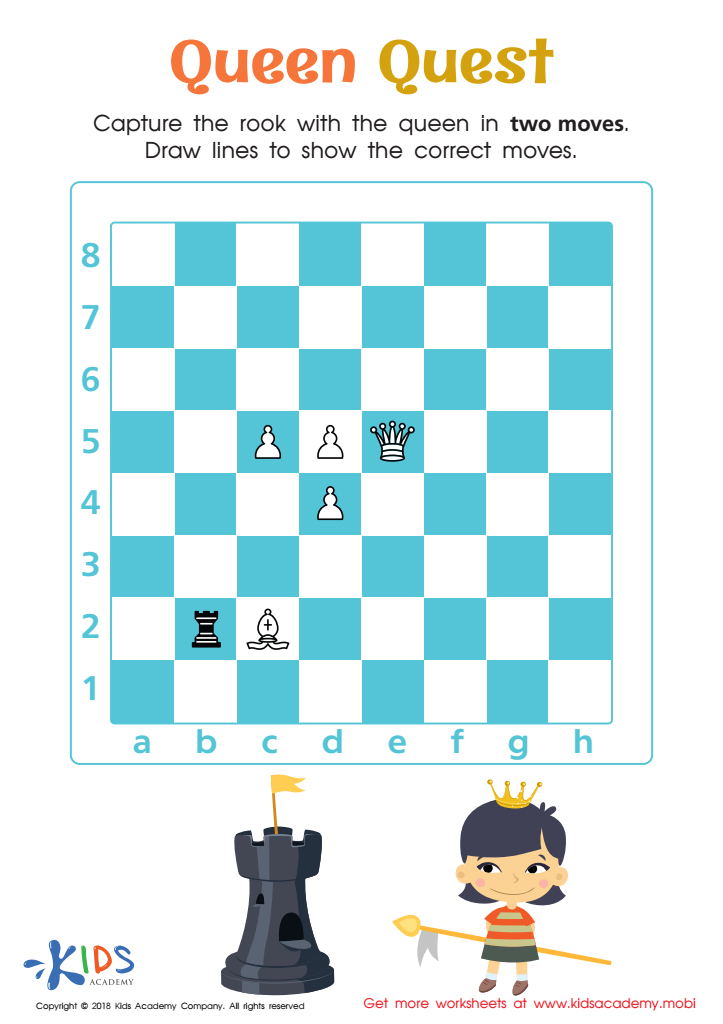
Queen Quest Worksheet
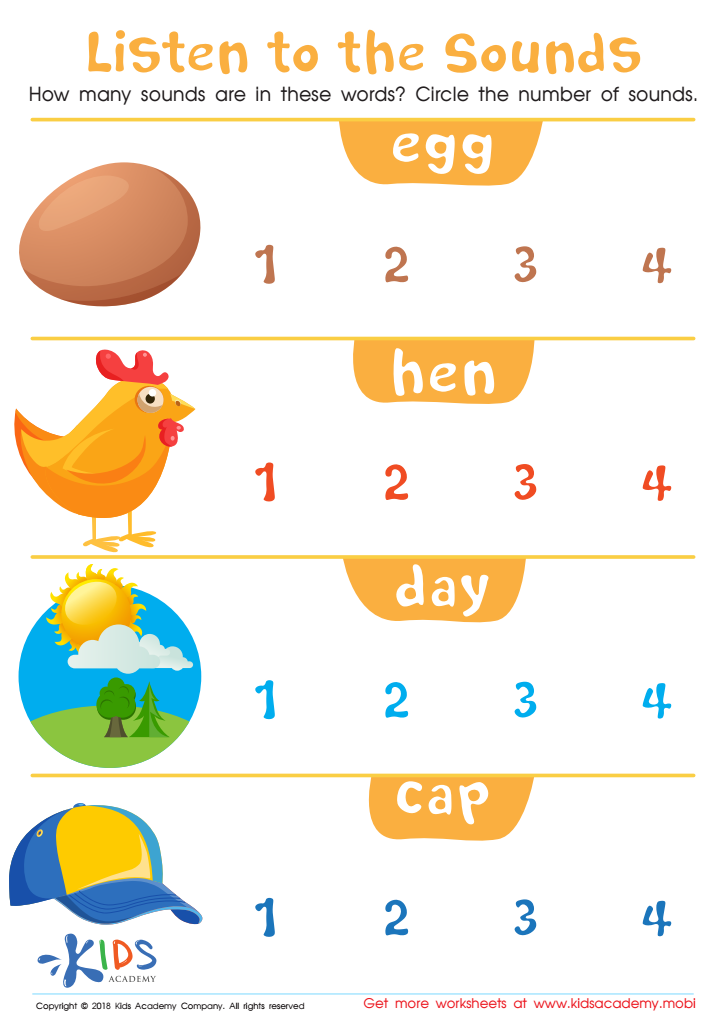
Listen to the Sounds Worksheet
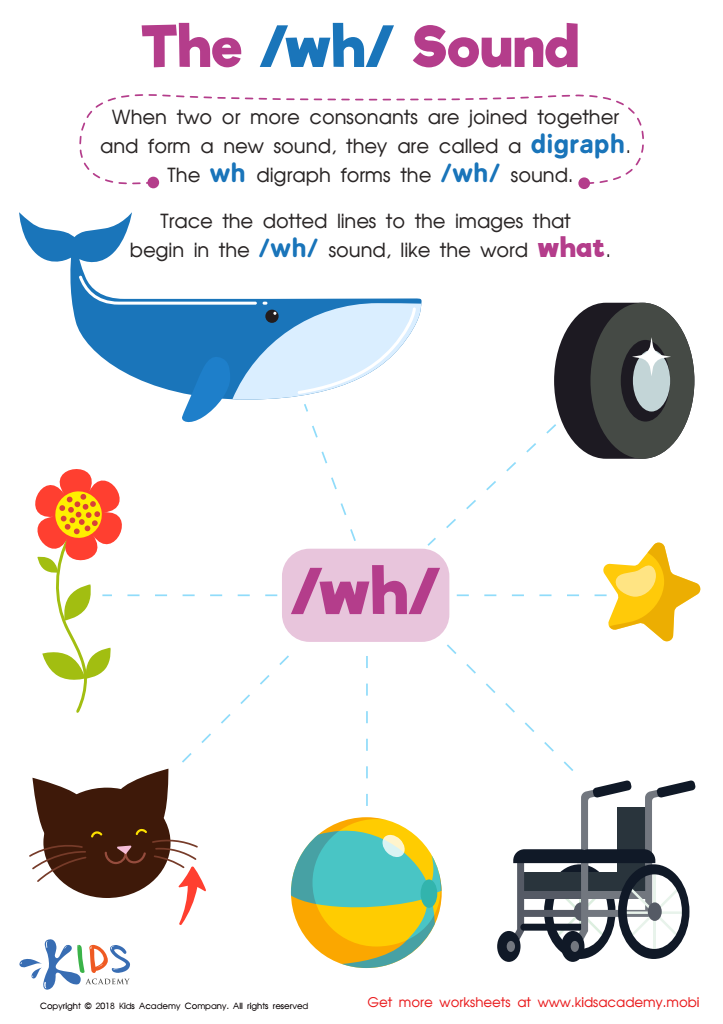
The /wh/ Sound Worksheet
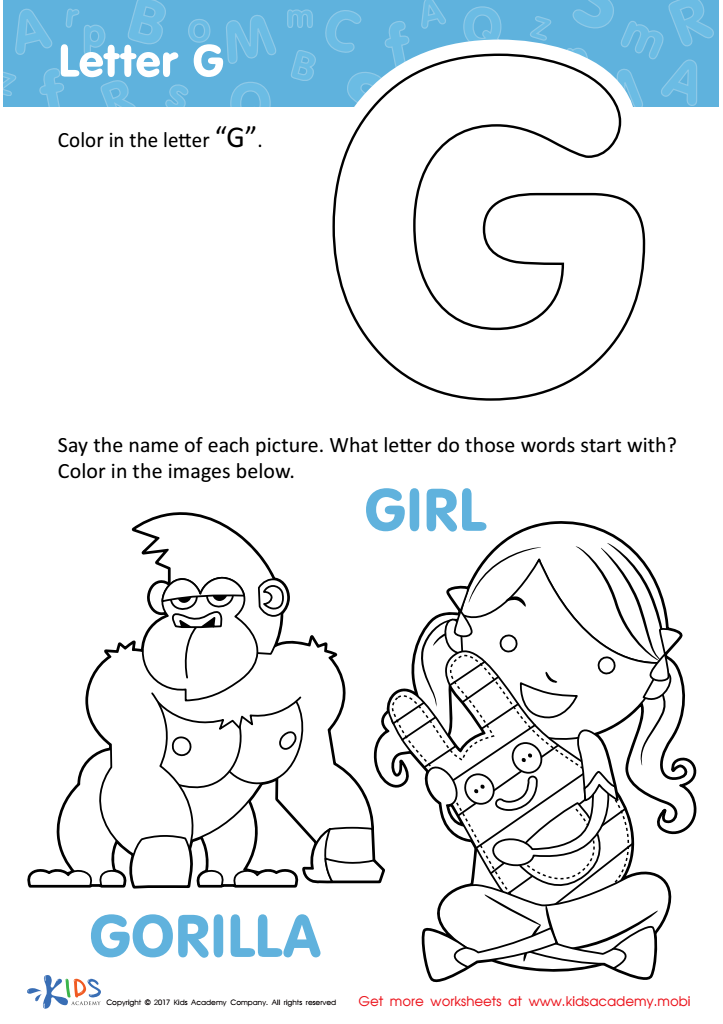
Letter G Coloring Sheet
 Assign to My Students
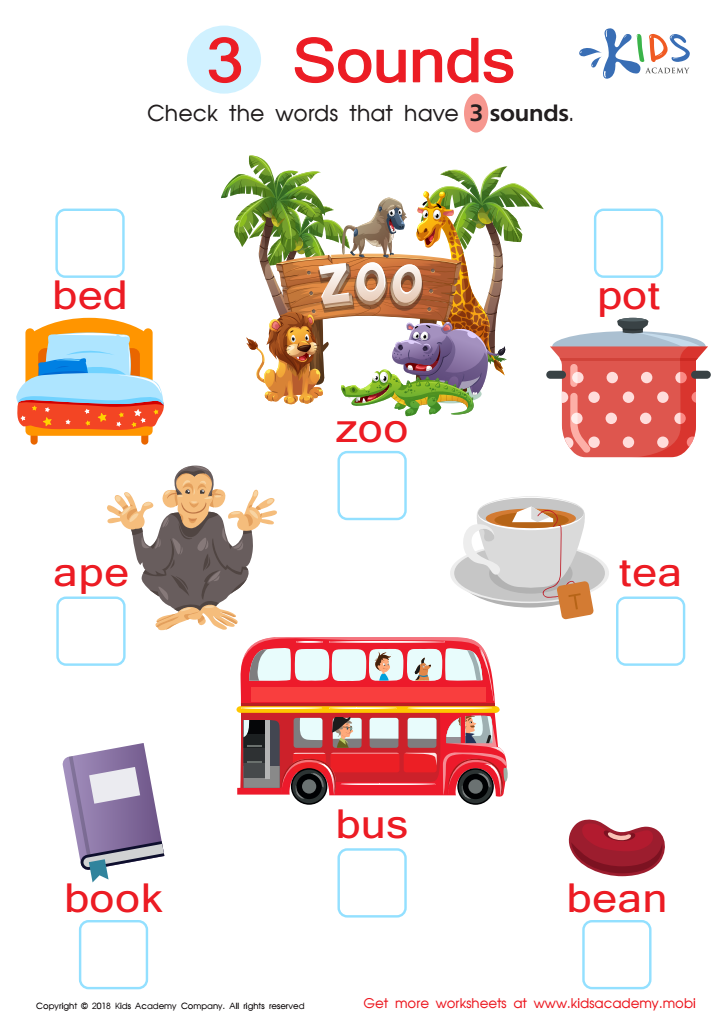
3 Sounds Worksheet
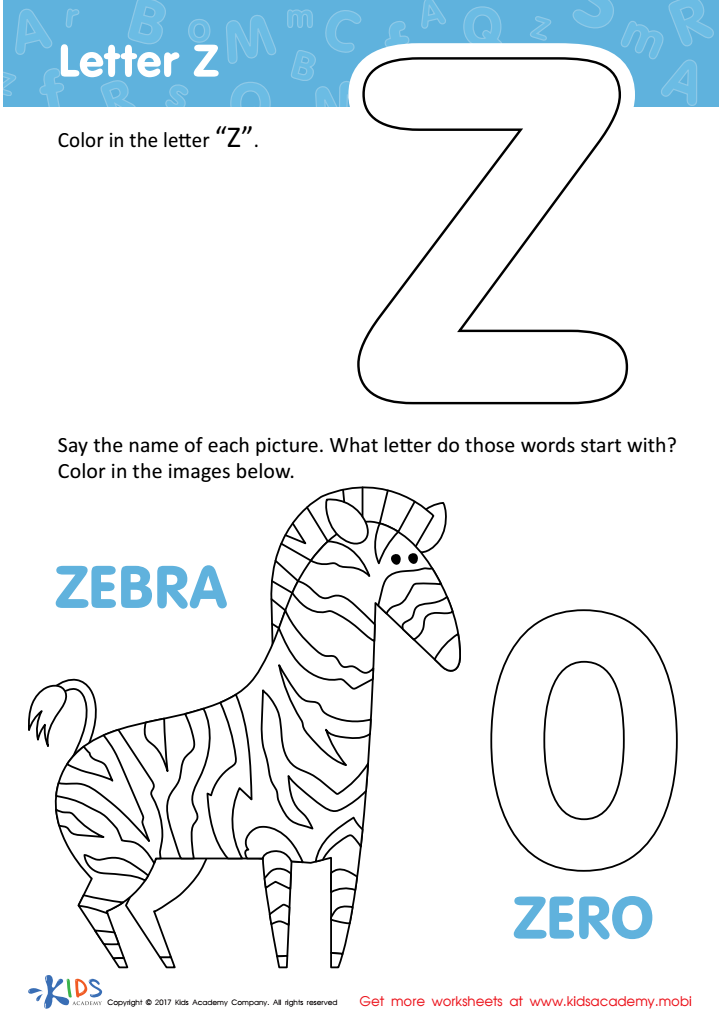
Letter Z Coloring Sheet
Assign to My Students
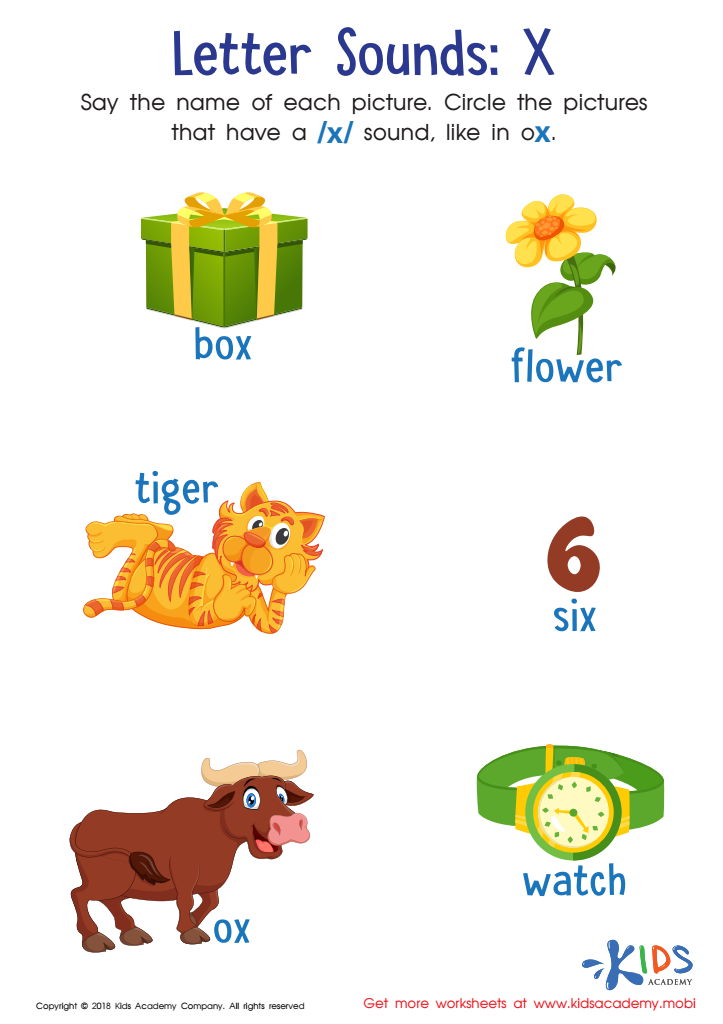
Letter X Sounds Worksheet
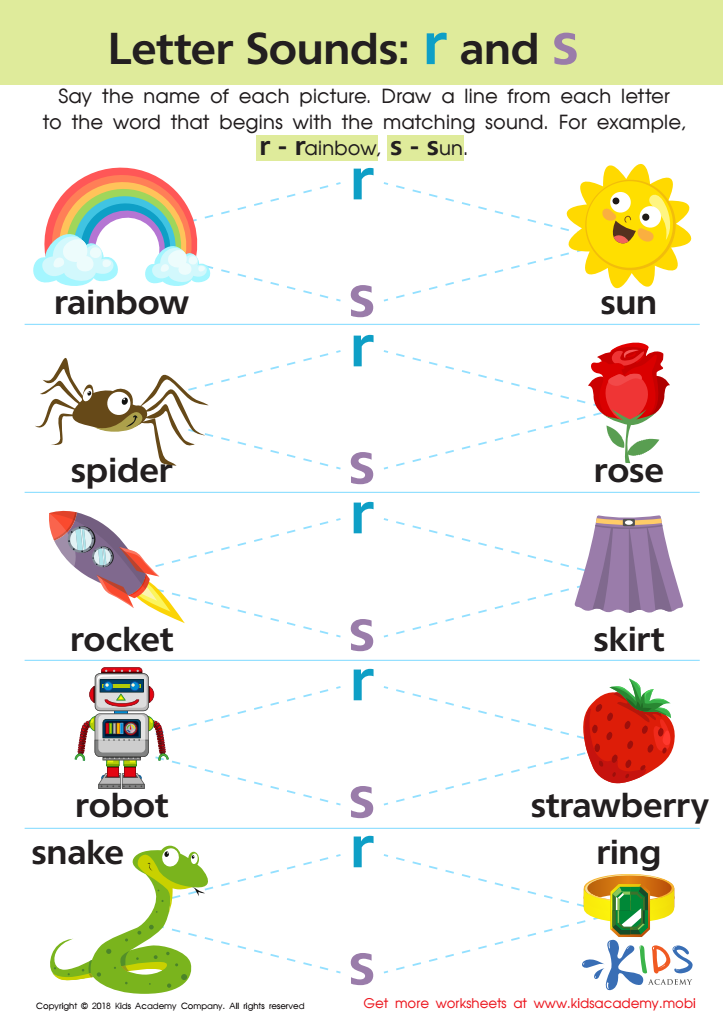
Letter R and S Sounds Worksheet
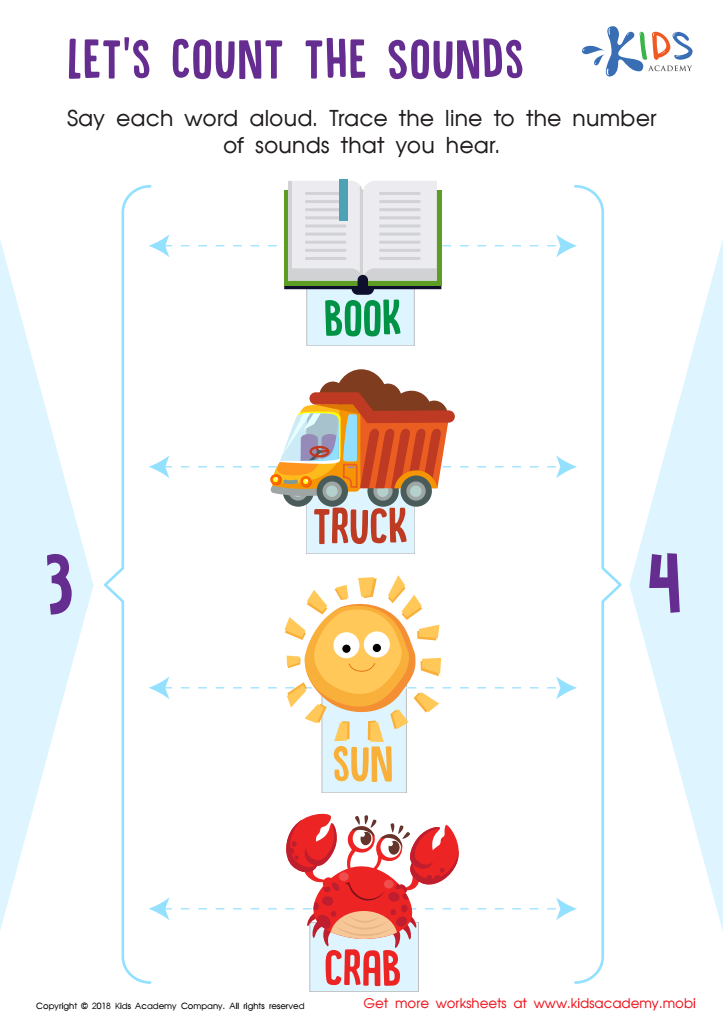
Let's Count the Sounds Worksheet
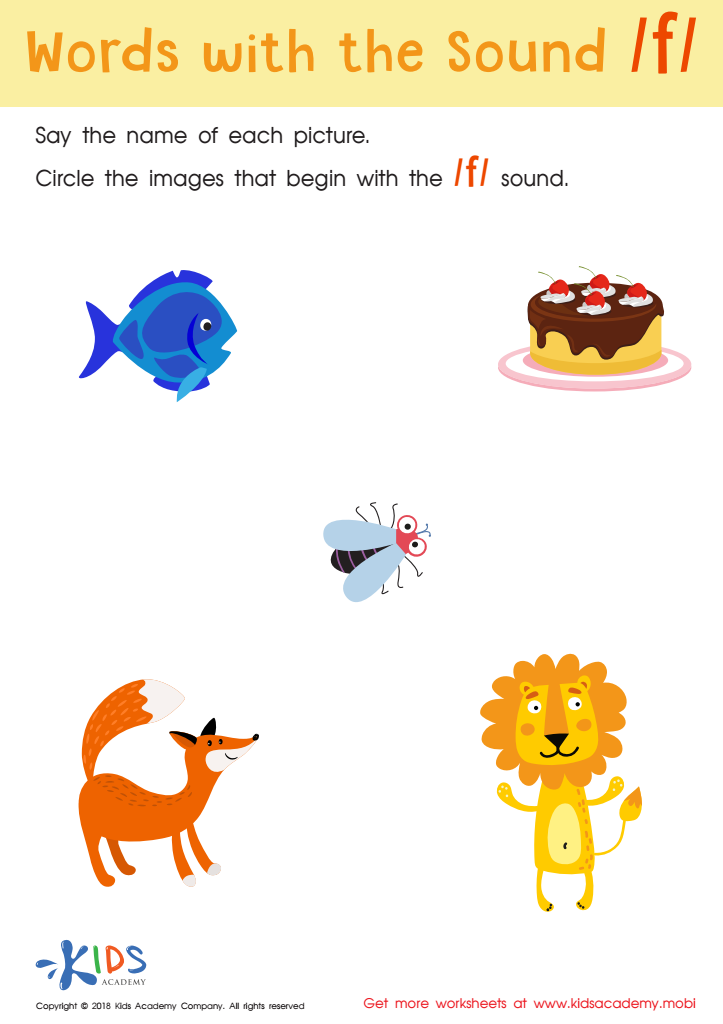
Words with sound f Reading Worksheet
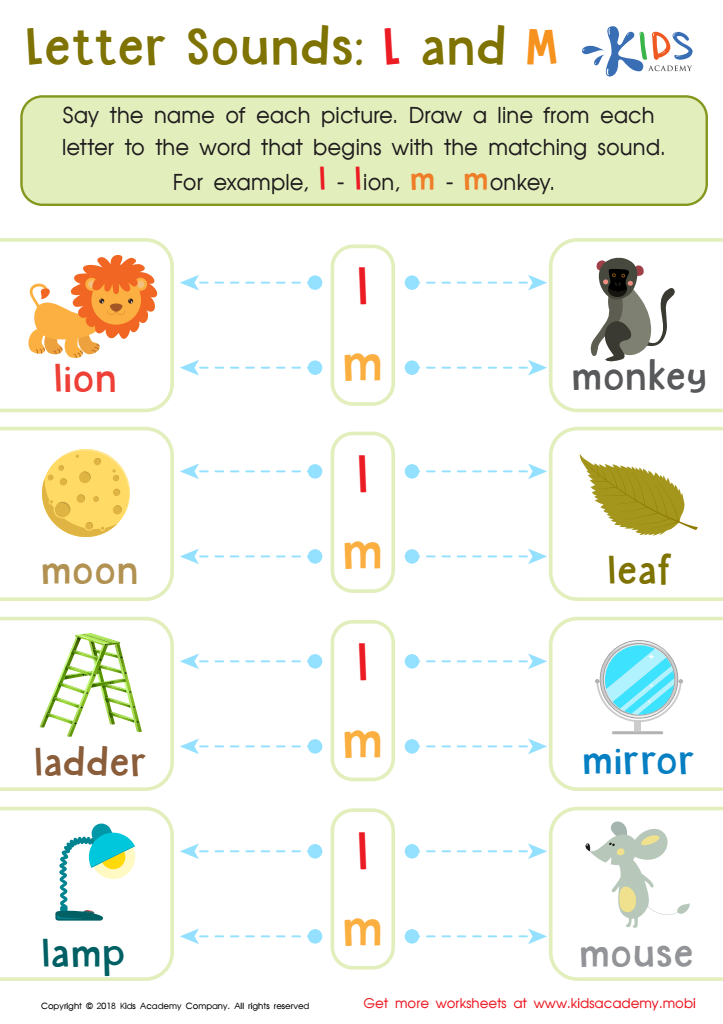
Letter l and M Sounds Worksheet
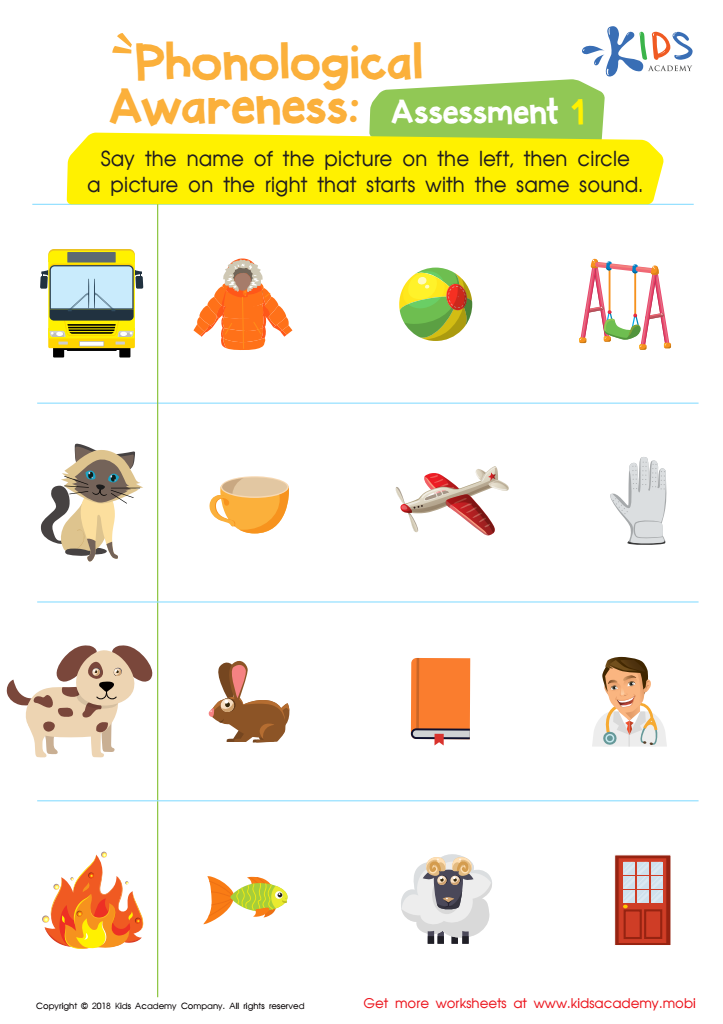
Phonological Awareness: Assessment 1 Worksheet
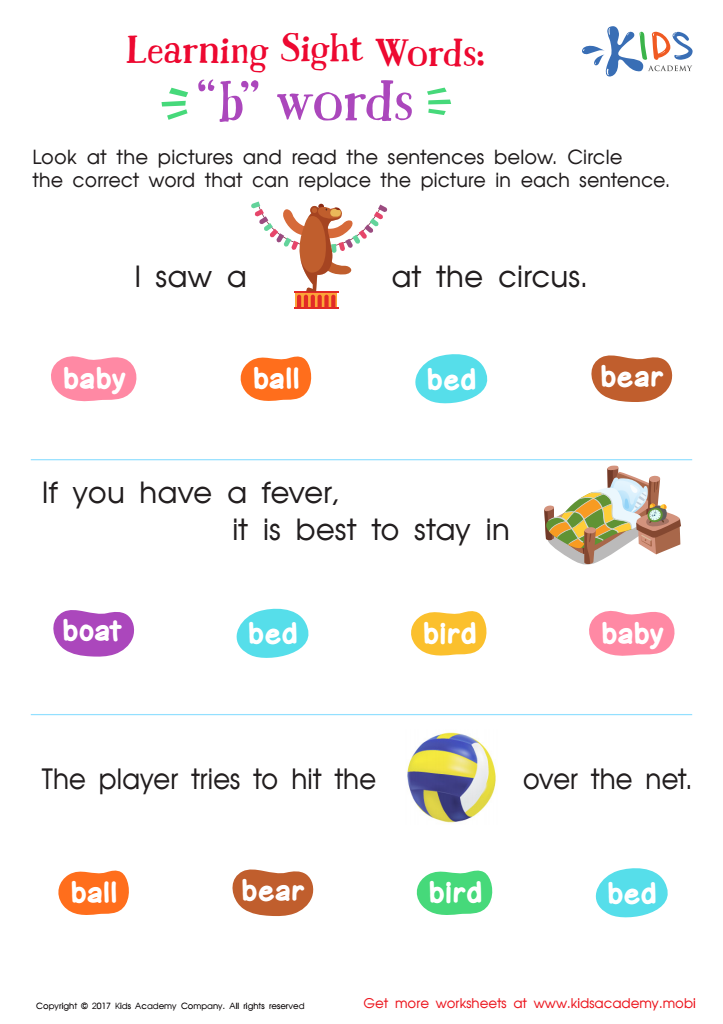
"B" Words Printable Sight Words Worksheet
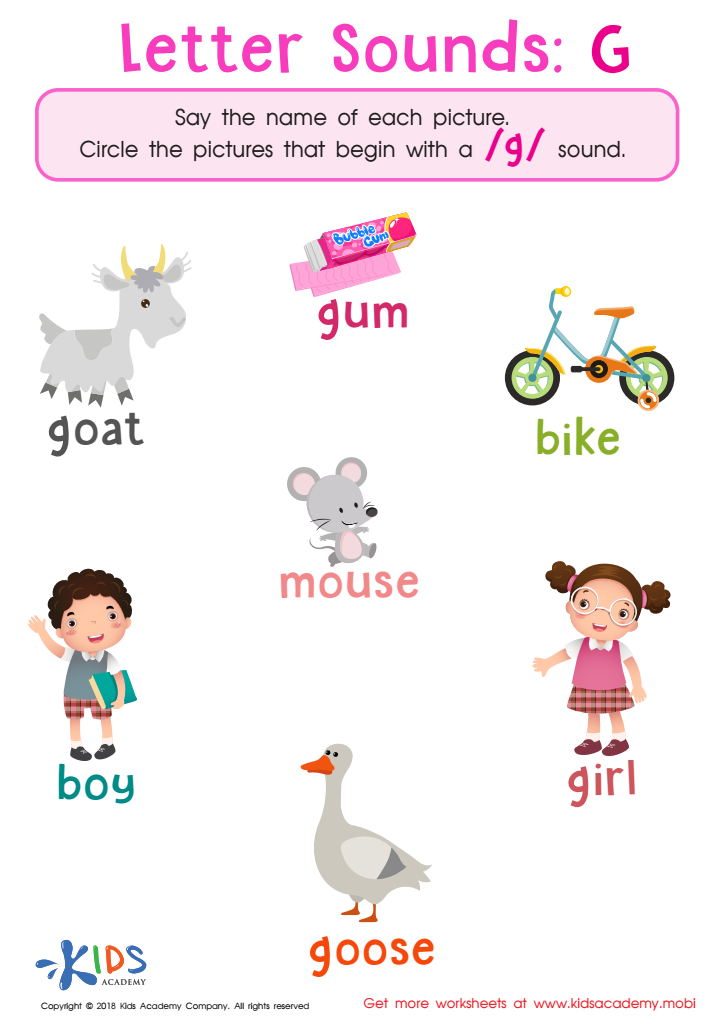
Letter G Sounds Worksheet
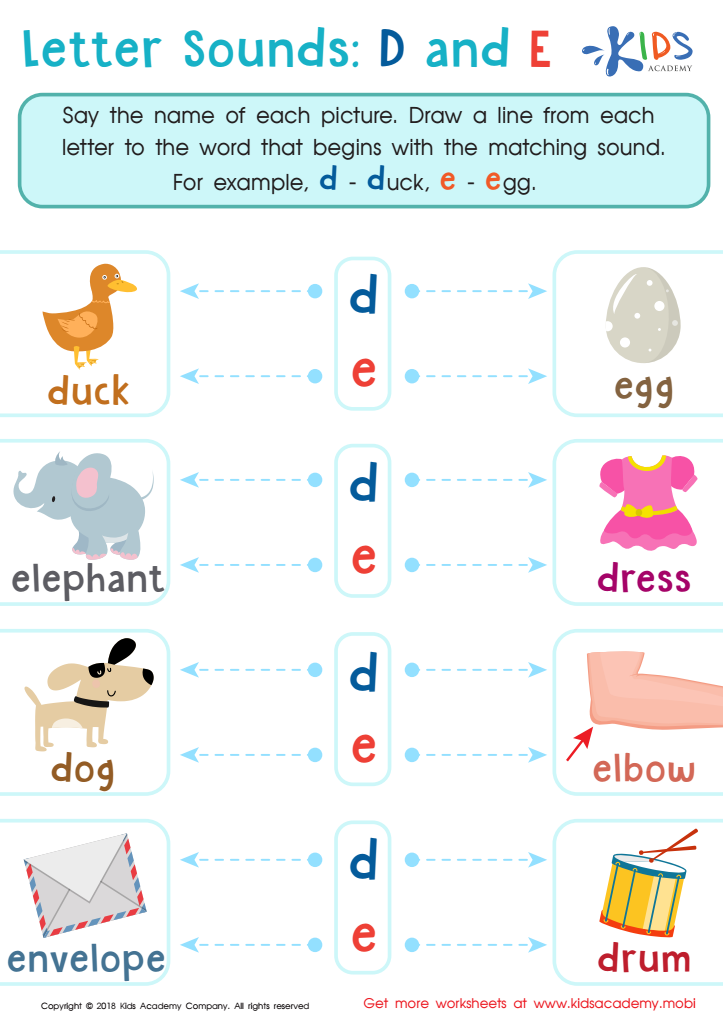
Letter D and E Sounds Worksheet


.jpg)





Sound association is crucial for children aged 5-8 as it forms the foundation of early literacy skills. At this age, kids are in the critical stage of language and cognitive development, and understanding the relationships between sounds and letters (phonics) is key to reading and spelling.
First, sound association helps children decode words. When kids understand that letters or groups of letters have specific sounds, they can start to blend these sounds together to read unfamiliar words. This decoding skill boosts reading fluency, making reading easier and more enjoyable.
Second, it enhances spelling abilities. By learning how letters and sounds correspond, kids can apply this knowledge to spell words correctly. This is essential for their writing development, as accurate spelling makes their writing clearer and more comprehensive.
Third, strong sound association improves their listening and speaking skills. It encourages them to break down words into their component sounds, enhancing their ability to understand, pronounce, and manipulate words in spoken language.
Therefore, parents and teachers should focus on sound association because it not only underpins reading and writing capabilities but also nurtures a child’s overall communication skills, paving the way for future academic and life success. Starting early with sound association can make a significant impact on a child’s literacy journey.








